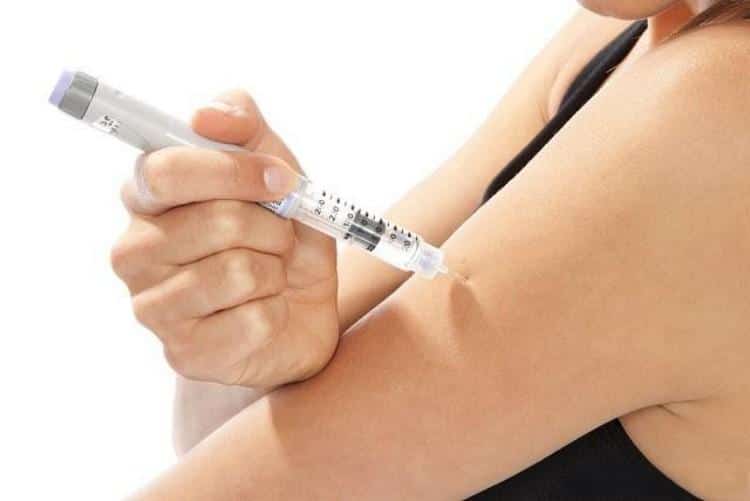
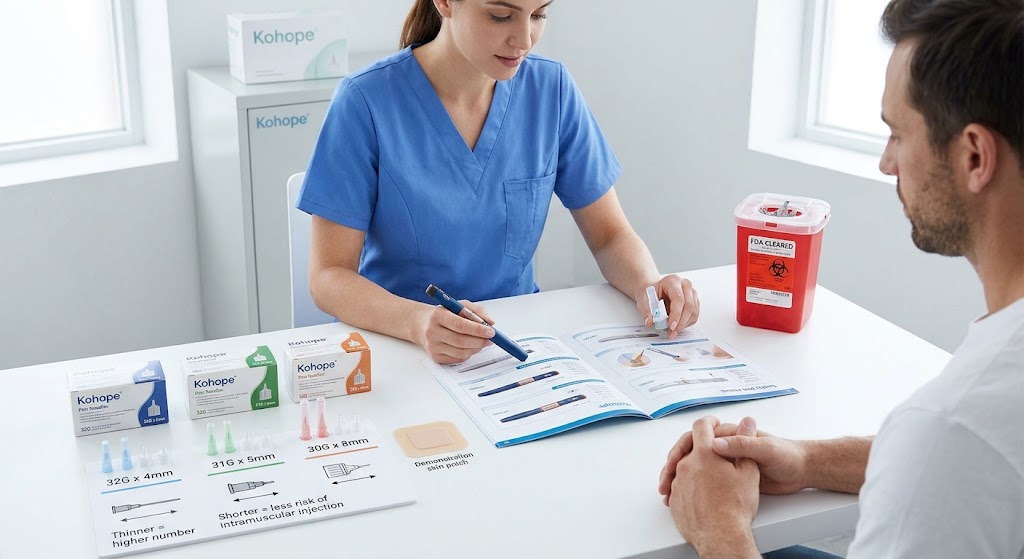
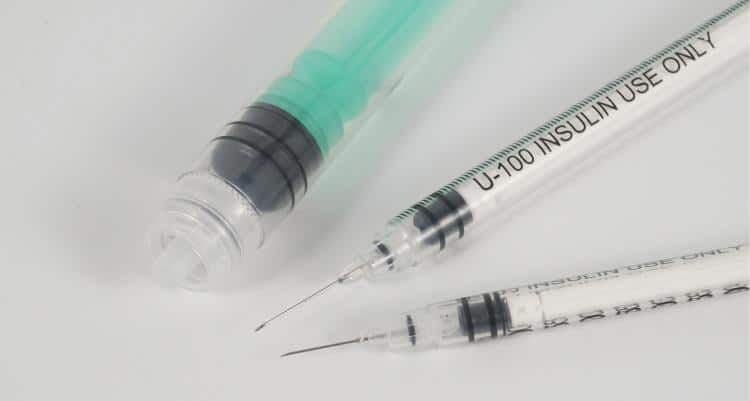
If you or someone you love has just started insulin therapy, you have probably noticed something surprising: the tiny needle on the end of your pen comes in many sizes. Short, long, thin, thinner, with a safety shield, without one. It can feel like one more thing to figure out…
Medical disposables such as syringes, IV sets, catheters, gloves, and masks are the items hospitals and distributors reorder every week. For years, buying them was mostly a price negotiation. In 2026 it has become something more demanding: a mix of trade policy, regulation, supplier risk, and clinical performance. This guide…
If you buy or manage syringes for a hospital, clinic, vaccination program, or distribution business, you have probably seen two terms that sound similar: auto-disable (AD) syringes and safety syringes. They are often mixed up, but they solve two different problems. Choosing the wrong one can mean wasted budget, compliance…
If you or someone you care for uses an insulin pen, the needle is small but matters a lot. The wrong needle can make injections more painful, cause insulin to land in the wrong tissue layer, or put caregivers at risk of accidental needlesticks. This beginner-friendly guide covers insulin pen…
For millions of people living with diabetes, the insulin pen is part of daily life. Yet the small piece of hardware that actually touches the skin, the pen needle, rarely gets the attention it deserves. Careful insulin pen needle selection can make injections more comfortable, improve insulin absorption, and reduce…
Every injection is built on trust. A patient trusts that the needle is sterile, and a clinician trusts that the device in hand will not become a hazard. Modern injection safety exists to honor both promises at once. Over the past two decades, the disposable safety syringe has become one…
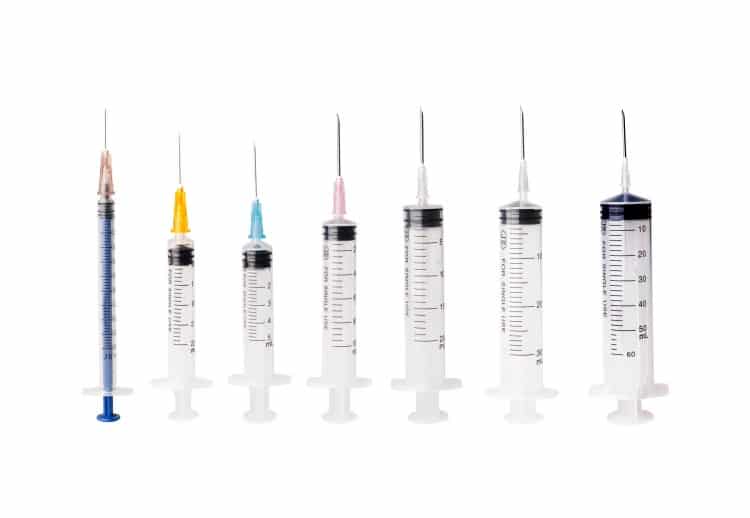
Every injection and every infusion in a U.S. healthcare setting starts with two small but critical products: the single-use syringe and the IV set. They are inexpensive, familiar and easy to take for granted. Yet when they are chosen, stored or handled incorrectly, the consequences are serious, from bloodstream infections…
If you work in a hospital, clinic, home care setting, or even just want to understand the medical supplies your family relies on, single-use syringes and IV sets are two of the most common — yet most misunderstood — pieces of equipment in modern healthcare. This guide breaks down what…
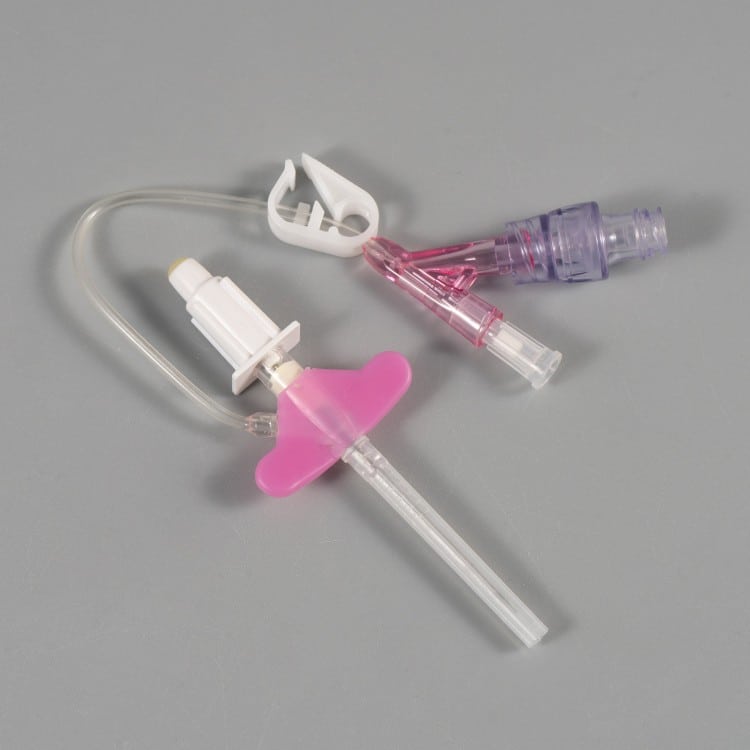
The infusion set is one of the most widely used consumables in modern clinical care. Whether it’s routine fluid replacement on a general ward or precision drug delivery in the ICU, the performance of an infusion set has a direct impact on treatment safety and outcomes. This article walks through…
It was a Tuesday afternoon when Maria, a home healthcare coordinator managing supplies for a small clinic, called her longtime medical supplies vendor, David, with a question that had been bothering her all week. “David, I need to be honest with you,” she said. “We’ve had three of our new…
Needlestick injuries are one of the oldest and most stubborn safety problems in healthcare. Despite decades of engineering progress, occupational health research shows that needlestick injury rates among healthcare workers still sit in a troubling range — some large-scale reviews covering over 500,000 healthcare workers across two decades put overall…
“We got three quotes for the same syringe spec, and they were 40% apart. How do I know which one isn’t cutting corners?” That question — or some version of it — comes up constantly from buyers sourcing medical devices from China for the first time. It’s a fair question,…
Needlestick injuries remain one of the most persistent occupational hazards in healthcare. Research published in occupational health journals has found that needlestick injury incidence among healthcare workers can run as high as 30–40% over a career, with nurses and interns among the most affected groups, and that roughly half of…
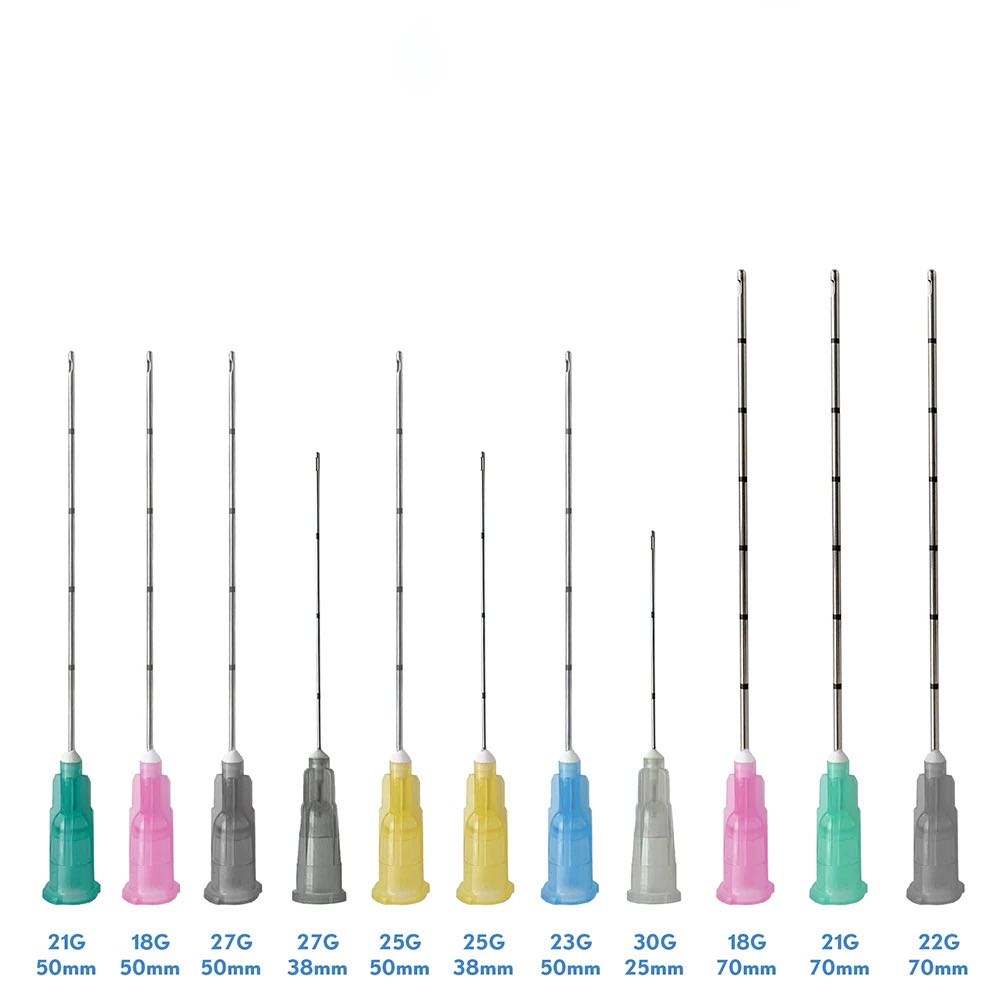
Anyone who works with hypodermic needles regularly — clinicians, procurement staff, or medical suppliers — eventually runs into the same counterintuitive detail: a “30G” needle is thinner than an “18G” needle. The numbering appears inverted at first glance, and if you don’t understand why, it’s easy to select the wrong…
If you’re new to medical procurement, sourcing, or clinical supply management, the world of medical needles can feel surprisingly complicated. Walk into any hospital supply catalog and you’ll see dozens of listings — different lengths, different bevels, different colors, and a confusing string of numbers followed by the letter “G.”…
If you work in a hospital, clinic, or medical supply business, you have probably heard the term “safety syringe” many times. But not all safety syringes work the same way. One of the most popular designs on the market today is the retractable safety syringe — a syringe where the…
If you’ve spent any time sourcing medical disposables, you’ve probably noticed a shift: fewer buyers are asking “what’s your cheapest wholesale syringe price?” and more are asking “can you customize this for my brand, my market, my patients?” This isn’t a coincidence — it reflects how procurement in the medical…
Ten years ago, a disposable syringe was a simple, low-margin commodity: a plastic barrel, a plunger, and a needle, produced on injection-molding lines that hadn’t changed much since the 1990s. Walk into a modern facility run by any of today’s leading disposable syringe manufacturers, and the picture looks almost unrecognizable…
Table of Contents 1. What Is a 100ml Syringe and Why Is It Used in Medical Applications? A 100ml syringe is a large-volume, single-use medical device designed for accurate fluid measurement, injection preparation, aspiration, liquid transfer, and other medical handling applications that require higher capacity. Compared with smaller syringe sizes,…
Table of Contents 1. What Is a 60ml Syringe and Why Is It Widely Used in Medical Applications? A 60ml syringe is a medium-to-large volume, single-use medical device designed for accurate fluid measurement, injection, aspiration, and liquid transfer applications. Compared with smaller syringe sizes, the 60ml capacity provides greater volume…
We will contact you within 24 hours.
Please be aware that our official email address has the domain @kohope.com. To avoid potential phishing scams, kindly verify the sender before responding.