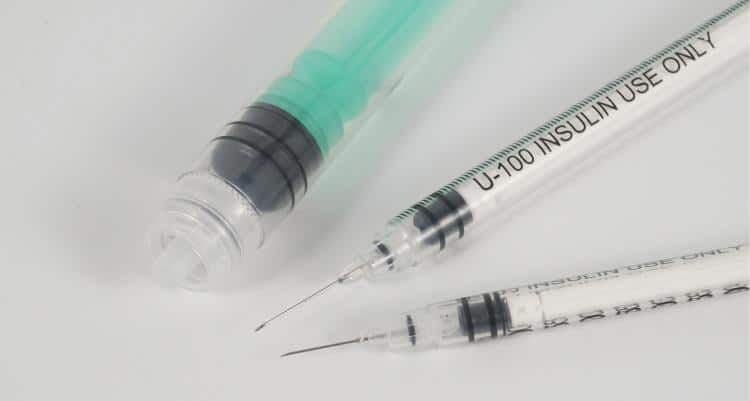
Every injection is built on trust. A patient trusts that the needle is sterile, and a clinician trusts that the device in hand will not become a hazard. Modern injection safety exists to honor both promises at once. Over the past two decades, the disposable safety syringe has become one of the most practical tools for keeping that promise, combining a familiar injection workflow with built-in protection against needlestick injuries and syringe reuse.
This guide uses the classic 5W1H framework (What, Why, Who, When, Where, and How) to explain how a disposable safety syringe works, why injection safety matters, and how healthcare organizations can choose the right disposable safety syringe for their needs. Whether you manage purchasing for a hospital, run a clinic, or simply want to understand the latest advances in injection safety, the sections below will give you a clear, practical picture.
What Is a Disposable Safety Syringe?
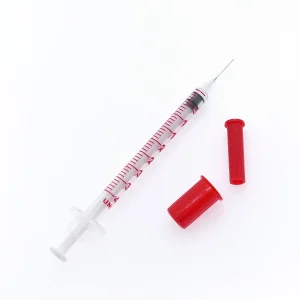
A disposable safety syringe is a single-use syringe with an engineered safety feature that reduces the risk of accidental needle injuries once the injection is complete. Unlike a conventional syringe, a safety syringe lets the user activate a protective mechanism with one hand, often while the needle is still close to the injection site. After activation, the needle is shielded, retracted, or blunted, and the device cannot be used again.
Not every disposable safety syringe works the same way. The main designs include:
- Retractable needle syringes. At the end of the injection, the needle withdraws into the barrel, usually with an audible click. This disposable safety syringe design removes the exposed sharp from view almost immediately.
- Sliding sheath syringes. A protective sleeve slides over the needle and locks in place. Many clinicians like this safety syringe because the motion is intuitive and fits existing injection habits.
- Hinged shield syringes. A cap attached to the needle hub is flipped forward with one hand until it clicks. This disposable safety syringe is common in outpatient and vaccination settings.
- Auto-disable syringes. The plunger locks after one full dose, so the syringe cannot be refilled. This type of disposable safety syringe is widely used in immunization programs, where injection safety depends on preventing reuse.
- Reuse-prevention syringes. These devices use a built-in feature to block a second injection, supporting injection safety even when training or supervision is limited.
Each disposable safety syringe addresses a slightly different risk. Understanding the differences is the first step toward better injection safety in any care setting.

Why Does Injection Safety Matter?
The case for injection safety begins with a simple fact: needles carry blood. Every needlestick injury is a potential exposure to bloodborne pathogens such as hepatitis B virus, hepatitis C virus, and HIV. The U.S. Centers for Disease Control and Prevention (CDC) has estimated that hospital-based healthcare personnel in the United States sustain roughly 385,000 sharps-related injuries each year, and experts agree the true number is probably higher because many incidents go unreported. Globally, the World Health Organization (WHO) has estimated that around 16 billion injections are administered every year, and not all of them are performed safely.
The consequences of weak injection safety reach well beyond the moment of injury. After a needlestick, a worker may need urgent testing, post-exposure prophylaxis, repeated follow-up visits, and weeks of anxiety while waiting for results. The facility absorbs costs for evaluation, treatment, paperwork, and lost productivity. Patients are affected by injection safety too: when syringes are reused or injections are given carelessly, infections can spread in ways that are entirely preventable.
A disposable safety syringe tackles both sides of the problem. For staff, the disposable safety syringe shortens the time that an exposed needle is in the open. For patients, a single-use design protects injection safety by ensuring that every dose is delivered with a new, sterile device. When injection safety is treated as a system rather than a single product, the disposable safety syringe becomes one of its most important building blocks.
Who Benefits From Injection Safety?
The people who gain from a disposable safety syringe extend far beyond the person holding it. The main groups include:
- Nurses and physicians, who perform the majority of injections in hospitals and clinics.
- Phlebotomists and laboratory staff, who handle blood draws and specimen transfers all day.
- Pharmacists and pharmacy technicians, who now deliver large volumes of vaccines, so injection safety is a daily concern for them.
- Paramedics and emergency teams, who often inject in unpredictable, high-pressure conditions where a disposable safety syringe can prevent a rushed mistake.
- Dental and home-care professionals, who work in smaller or less controlled environments.
- Housekeeping and waste-handling staff, who are often injured by needles that were never properly shielded or discarded.
- Patients and families, who benefit from the assurance that a single-use safety syringe is opened fresh for every injection.
Regulators and public health authorities are also key players in injection safety. In the United States, the Occupational Safety and Health Administration (OSHA) Bloodborne Pathogens Standard requires employers to reduce occupational exposure to blood. The Needlestick Safety and Prevention Act of 2000 strengthened that standard by requiring employers to evaluate and adopt safer medical devices, such as a disposable safety syringe, and to involve frontline employees in choosing them. Employers must also keep a sharps injury log, which helps organizations see where injection safety gaps remain.
On the product side, disposable safety syringes in the U.S. are cleared by the Food and Drug Administration (FDA), typically through the 510(k) pathway. International standards add another layer of injection safety confidence. ISO 23908 describes requirements for sharps injury protection features, and ISO 7886-4 addresses syringes with re-use prevention features. Buyers who look for a disposable safety syringe that meets these benchmarks can make decisions with greater certainty.

When Should a Safety Syringe Be Used?
For injection safety, the simplest answer is that a safety syringe should be used whenever an injection is given and a safer option is available. In practice, the value of a disposable safety syringe is highest in situations where the risk of exposure rises:
- Injections where blood contact is likely, including intravenous access, blood draws, and certain therapeutic injections.
- High-volume vaccination campaigns, where fatigue and speed can increase the chance of a slip. A disposable safety syringe with one-handed activation keeps injection safety consistent through a long shift.
- Emergency and urgent care, where patients may move unexpectedly and staff have little time to think about device handling.
- Home injections and community care, where a patient or caregiver may have limited training. A simple disposable safety syringe lowers the chance of an accidental stick.
- Settings with confused, anxious, or pediatric patients, where sudden movement is common.
Timing matters within each injection as well, and injection safety depends on it. The safety mechanism of a disposable safety syringe should be activated immediately after the injection, never after the user has set the device down or turned to another task. Good injection safety habits turn activation into a reflex, just like checking a patient’s name before administering medication.
Organizations should also review their device choices on a regular schedule. OSHA expects employers to evaluate new technologies at least annually, so for injection safety, a facility that adopted a disposable safety syringe five years ago should check whether better options now exist.
Where Are Disposable Safety Syringes Used?
A disposable safety syringe belongs anywhere injections happen. Common locations include:
- Hospitals and surgical centers, where injection volume is high and device selection is usually coordinated by a value analysis committee.
- Outpatient clinics and physician offices, where a reliable disposable safety syringe supports consistent injection safety across many providers.
- Long-term care and skilled nursing facilities, which often administer insulin, vaccines, and other injectables to many residents each day.
- Retail pharmacies and urgent care centers, where walk-in vaccination programs have made the disposable safety syringe a front-line tool.
- Dental offices and specialty practices, where local anesthetic injections require special attention to injection safety.
- Home health and self-injection, where a patient may use a safety syringe for medications such as insulin or anticoagulants.
- Mass immunization and humanitarian programs, where auto-disable designs protect injection safety in places with limited infrastructure.
Each environment has its own injection safety challenges, workflow, staffing level, and risk profile. The best disposable safety syringe for a busy emergency department may not be the best choice for a rural vaccination outreach team, which is why local evaluation is so important.
How Does a Safety Syringe Work?
Although designs differ, every disposable safety syringe follows the same principle: make the safe action easy and the unsafe action difficult, which is the heart of injection safety. The mechanism typically falls into one of two categories.
Active safety devices require the user to take a deliberate step, such as sliding a sheath or flipping a shield. They are often less expensive and feel familiar, but they depend on the clinician remembering to activate them every time.
Passive safety devices engage automatically, for example when the plunger reaches the end of its stroke. A passive disposable safety syringe can reduce reliance on human memory, which is one reason many injection safety teams are interested in them for high-volume settings.
Inside the device, the technology is usually straightforward. A spring, a locking collar, a sliding sleeve, or a tab on the plunger rod provides the mechanical action. When the mechanism engages, most designs give feedback, such as a click or visible shield, so the user knows the safety syringe is locked. Once locked, the needle can no longer be exposed, and the syringe is ready for the sharps container.
Recent Advances in Injection Safety
The modern disposable safety syringe is far better than early versions, many of which were bulky, awkward, or slow to activate. Several advances stand out:
- Better ergonomics. Newer disposable safety syringe designs feel more like conventional syringes, with smoother plunger action and clearer markings. That means less retraining and easier adoption of injection safety practices.
- Low dead space designs. Reducing the volume of medication left in the syringe and needle hub helps preserve every dose, a particularly valuable feature for expensive vaccines and biologics.
- Improved activation feedback. Distinct audible and visual cues give users confidence that the disposable safety syringe is fully engaged.
- Smarter materials and manufacturing. Consistent molding, precision needle bonding, and tighter quality control improve reliability and reduce device failures.
- Prefilled formats with safety systems. Manufacturers are integrating needle shields and passive protection into prefilled devices, extending injection safety to medications that are supplied ready to use.
- Sustainability efforts. Some manufacturers are exploring lighter packaging and less material in each disposable safety syringe, aiming to cut waste without compromising safety.
These injection safety advances share a single goal: remove friction. When a disposable safety syringe is easy to use, people use it correctly, and correct use is what actually delivers injection safety.
How to Choose the Right Disposable Safety Syringe
Selecting a device is not only a purchasing decision; it is a clinical, operational, and injection safety decision. A structured approach works best.
- Involve frontline staff. The Needlestick Safety and Prevention Act expects employers to seek input from the people who will use the device. Invite nurses, pharmacists, and technicians to test each disposable safety syringe under real conditions.
- Confirm regulatory status. Verify FDA clearance and look for conformity with relevant ISO standards. A reputable supplier will provide documentation for any disposable safety syringe it sells.
- Evaluate activation. Is the mechanism one-handed? Is it intuitive? How much force does it require? A safety syringe that is hard to activate will eventually be bypassed.
- Check performance details. Consider needle gauge and length options, dead space, barrel clarity, plunger smoothness, and whether the disposable safety syringe is latex-free and compatible with the medications you use.
- Assess supply reliability. Injection safety programs fail when supply is inconsistent. Ask about lead times, manufacturing capacity, and backup sourcing.
- Weigh total cost, not unit price. A disposable safety syringe may cost slightly more than a conventional one, but a single needlestick injury can cost far more in testing, treatment, and lost work time.
- Plan training and rollout. Run a pilot, collect feedback, and train staff before full adoption. Short, hands-on injection safety sessions are usually more effective than slide presentations.
- Track outcomes. Monitor sharps injury rates before and after adoption to see whether your disposable safety syringe program is delivering real improvement in injection safety.

Best Practices That Make Every Safety Syringe More Effective
Even the best device cannot guarantee injection safety on its own, and injection safety depends on people as much as products. Good technique and a strong injection safety culture are equally important. Consider these habits:
- Activate immediately. Engage the safety feature of the disposable safety syringe as soon as the injection ends, using the same hand and without recapping.
- Never recap or bend needles. Recapping is a leading cause of needlestick injuries, even when a safety syringe is available.
- Dispose of the device right away. Place the used disposable safety syringe in a puncture-resistant sharps container located at the point of care.
- Keep sharps containers accessible and not overfilled. Good injection safety includes disposal; replace containers when they reach the fill line.
- Report every incident. Near misses and injuries provide data that can improve your injection safety program.
- Reinforce training regularly. New hires, temporary staff, and students should all learn how to use each disposable safety syringe in your formulary.
- Prepare patients. Explain what is happening and help the patient stay still. A calm patient supports injection safety.
Common Mistakes to Avoid
In injection safety, organizations sometimes buy a disposable safety syringe, then see disappointing results. The causes are usually predictable: staff were not trained, the device was selected without frontline input, the mechanism was left unused during busy periods, or sharps containers were not placed within reach. Another common error is treating injection safety as a one-time purchase rather than a continuous program. A disposable safety syringe is a powerful tool, but it works best when supported by policies, training, feedback, and leadership attention.
Frequently Asked Questions
Is a disposable safety syringe more expensive than a standard syringe?
The unit price is often higher, but the total cost of injection safety is usually lower once you account for needlestick injuries, testing, treatment, and administrative burden. Many facilities find that a disposable safety syringe pays for itself over time.
Can a safety syringe be reused?
No. A disposable safety syringe is designed for single use. After the safety feature is activated, the device should go directly into a sharps container.
Do disposable safety syringes eliminate needlestick injuries?
They greatly reduce risk, but they do not eliminate it. Injury can still happen before activation or when the device is mishandled. Combining a safety syringe with training, safe disposal, and a reporting culture offers the strongest injection safety.
Are disposable safety syringes appropriate for vaccines?
Yes. Many vaccination programs rely on a disposable safety syringe, especially designs with low dead space and one-handed activation that help staff maintain injection safety during high-volume clinics.
How do I know a disposable safety syringe is high quality?
Look for FDA clearance, conformity with applicable ISO standards, clear instructions for use, consistent performance in pilot testing, and a supplier with a strong quality management system.
Conclusion: Building a Culture of Injection Safety
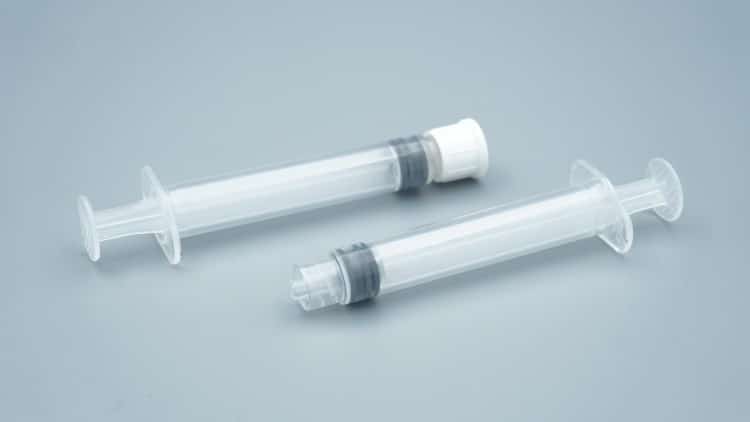
The story of injection safety is one of steady progress, and injection safety keeps improving. Where clinicians once had few options beyond careful technique, they now have engineered tools designed to prevent harm. The disposable safety syringe stands out because it protects patients, staff, and communities with a device that fits into everyday injection safety practice.
Looking through the 5W1H lens, the injection safety picture is clear. A disposable safety syringe is a single-use device with a built-in protective feature (What). It matters because needlestick injuries and unsafe injection practices cause preventable infections and cost (Why). Clinicians, support staff, patients, and regulators all benefit (Who). It should be used with every injection, and activated immediately afterward (When). It belongs in every setting where injections are given (Where). And it works best when selected with frontline input, introduced with strong training, and supported by consistent habits (How).
For healthcare organizations, the next step is practical: review your current injection safety program, test a few disposable safety syringe options with your own staff, and build a plan to measure results. Every injection is a chance to protect someone, and the right safety syringe makes that protection part of the routine.