Every injection and every infusion in a U.S. healthcare setting starts with two small but critical products: the single-use syringe and the IV set. They are inexpensive, familiar and easy to take for granted. Yet when they are chosen, stored or handled incorrectly, the consequences are serious, from bloodstream infections to dosing errors and regulatory penalties.
This guide uses the 5W+1H framework (What, Why, Who, When, Where and How) to explain single-use syringe standards and IV set management. Whether you are a hospital purchasing manager, a clinic administrator, a distributor or an international supplier entering the American market, you will find practical, compliance-minded guidance below.
What Are Single-Use Syringes and IV Sets?
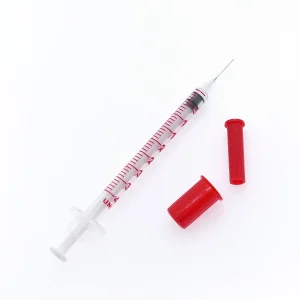
A single-use syringe is a sterile, disposable device designed to deliver a measured dose of medication or to withdraw fluid, then be discarded after one patient and one use. A typical single-use syringe includes a barrel, a plunger with a rubber stopper and a needle or a needleless tip such as a Luer lock or Luer slip. Modern single-use syringes also appear in safety-engineered and auto-disable designs that reduce needlestick injuries and prevent reuse.
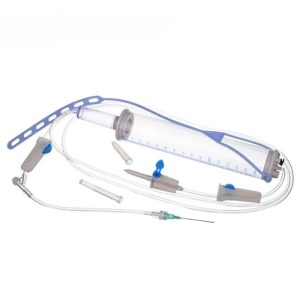
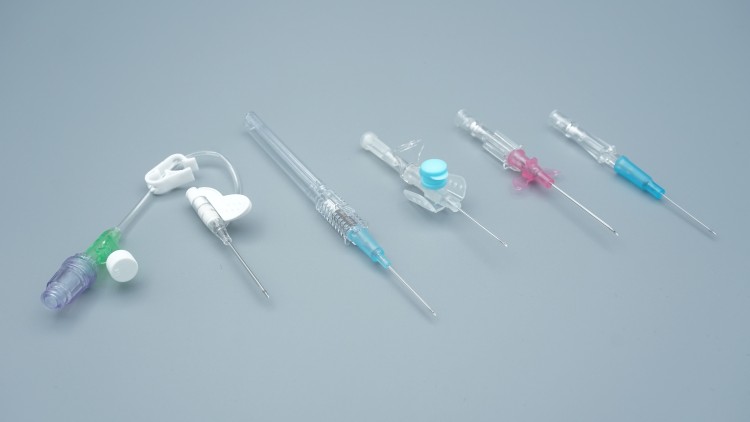
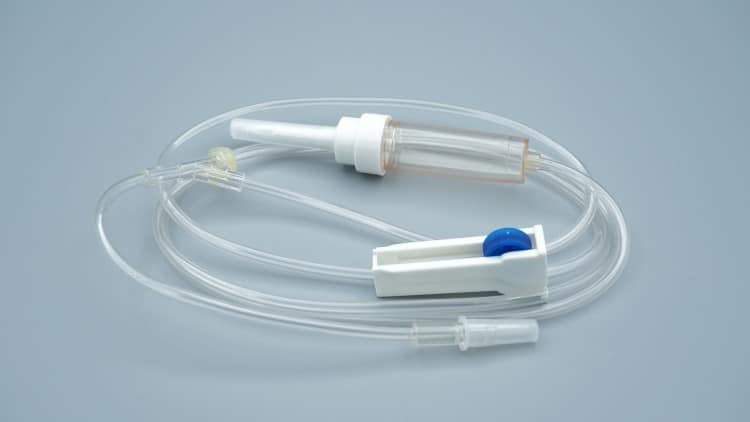
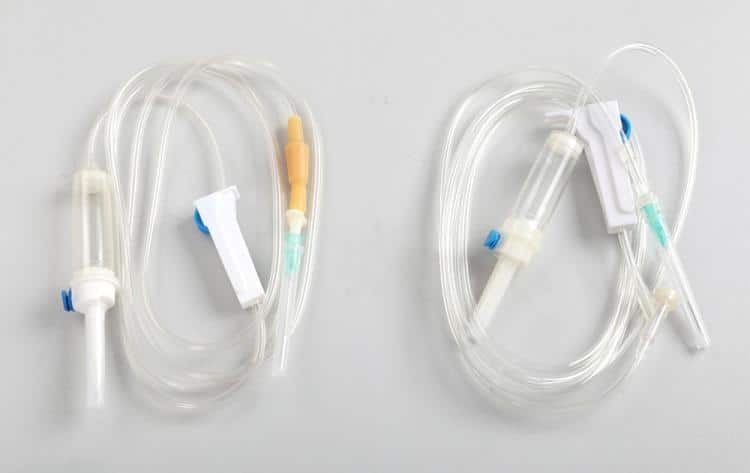
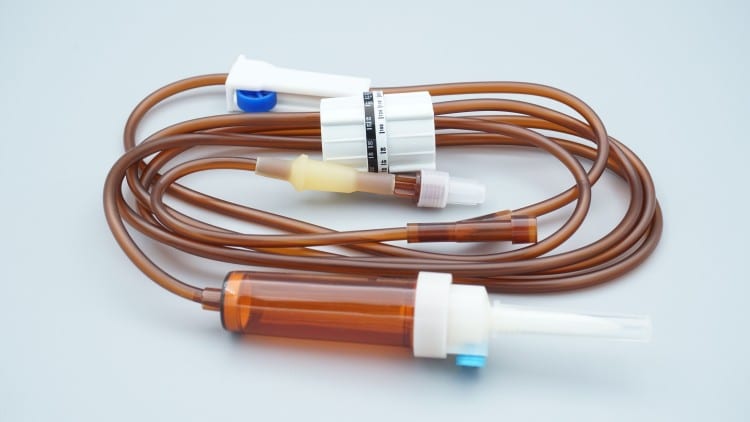
An IV set, often called an infusion set or administration set, is the tubing assembly that carries fluids, medications or blood products from a container to a patient’s vascular access device. A standard IV set includes a spike, a drip chamber, roller clamp, tubing, injection ports and a connector. Specialized IV sets exist for gravity infusion, pump infusion, blood administration, light-sensitive drugs and high-precision pediatric dosing.
IV set management is the broader discipline built around those products. It covers selection, labeling, priming, tubing change intervals, connector care, documentation and disposal. In practice, good IV set management and consistent single-use syringe practices are two halves of the same safety system, because both depend on sterility, correct use and traceable supply.
Key Single-Use Syringe Standards
Several standards shape how a single-use syringe is designed, manufactured and sold in the United States:
- FDA regulation. Syringes are regulated as medical devices. Most hypodermic single-use syringes fall under Class II and typically require 510(k) premarket notification, along with compliance with the Quality Management System Regulation (21 CFR Part 820).
- ISO 7886. The ISO 7886 series covers sterile hypodermic syringes for single use, including dimensional, performance and labeling requirements. ISO 7886-1 addresses syringes for manual use, while ISO 7886-3 covers auto-disable syringes and ISO 7886-4 covers syringes with reuse prevention features.
- ISO 80369. This series defines small-bore connectors so that a single-use syringe cannot be misconnected to the wrong delivery system, a major patient safety issue.
- ISO 594 and ISO 7864. These standards address Luer fittings and sterile needles, respectively.
- Needlestick Safety and Prevention Act. Under OSHA’s Bloodborne Pathogens Standard, employers must evaluate and use safer sharps devices where feasible, which strongly influences single-use syringe selection.
- USP chapters. USP <797> and related chapters influence how syringes are prepared, labeled and stored in compounding environments.
Key IV Set Standards
IV sets are also regulated devices, generally Class II, and are expected to meet recognized consensus standards such as ISO 8536 (infusion equipment for medical use) and applicable connector standards. Manufacturers must show sterility assurance, biocompatibility, flow accuracy, particulate limits and tubing integrity. For buyers, a compliant IV set will carry clear labeling, lot numbers, expiration dates, sterility indications and, where relevant, notes about latex content or DEHP-free materials.
Why Do Single-Use Syringe Standards and IV Set Management Matter?
Infection Control Is the Core Reason
The strongest argument for strict single-use syringe practice is infection control. Reusing a syringe or sharing medication vials between patients can transmit bloodstream pathogens, including hepatitis B, hepatitis C and HIV. The CDC’s Standard Precautions and Safe Injection Practices state plainly that a needle and syringe should be used for only one patient and never reused, even if the needle is changed. Outbreaks linked to unsafe injection practices have repeatedly shown that infection control failures at the point of injection harm many patients at once.
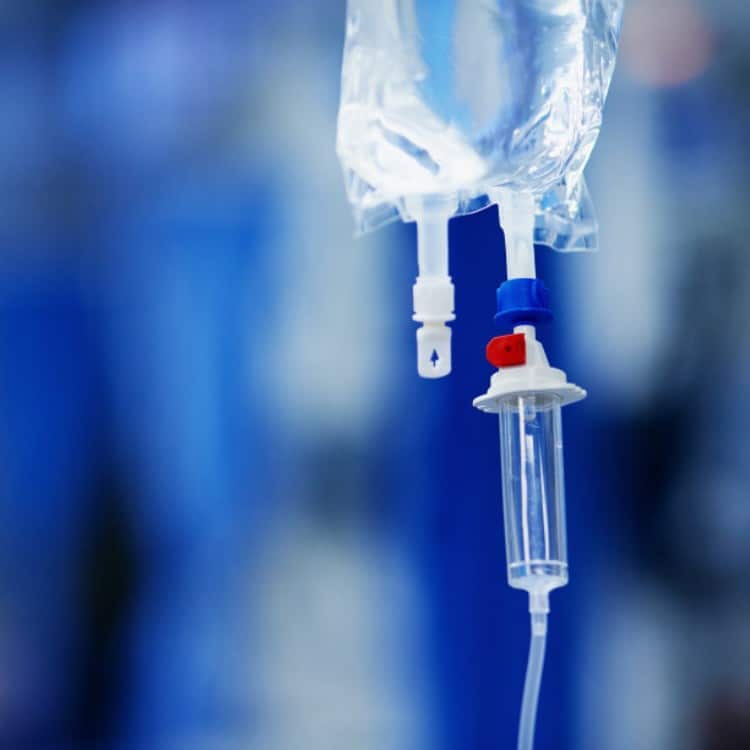
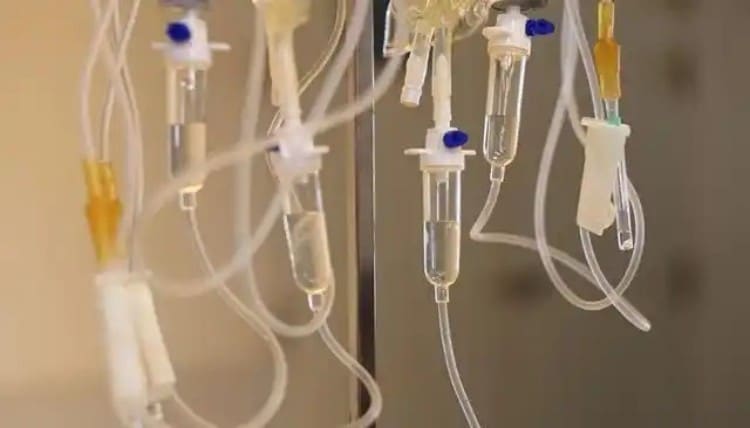
The same logic applies to infusion. Contaminated tubing, hubs or connectors are a recognized route to central line-associated bloodstream infections (CLABSI). Careful IV set management, such as aseptic handling and disciplined tubing changes, is a central element of any hospital’s infection control program.
Patient Safety and Dosing Accuracy
A single-use syringe with accurate graduations and low dead space supports precise dosing, which matters most for pediatric, neonatal and high-alert medications. An IV set with the right drop factor or compatible pump cassette ensures the intended flow rate. Poor IV set management, such as mismatched tubing or incorrect priming, can cause under-infusion, over-infusion or air embolism risk.
Regulatory and Financial Protection
Facilities that buy non-compliant single-use syringes or unlabeled IV sets expose themselves to recalls, survey deficiencies and liability. Strong IV set management also reduces waste, because standardized products cut stockouts and emergency purchases. For distributors and importers, compliance documentation is often the difference between winning a hospital contract and losing it.
Sharps Injury Prevention
Safety-engineered single-use syringes reduce needlestick injuries among nurses, phlebotomists and pharmacy staff. Because sharps injuries are a major occupational hazard, selecting the right single-use syringe is as much a workforce protection decision as it is a clinical one.
Who Is Responsible?
Responsibility is shared across the supply chain and the care team:
- Manufacturers design the single-use syringe and the IV set, validate sterility, maintain registration and file required reports.
- Importers and distributors verify supplier registration, maintain traceability, store products correctly and respond to recalls.
- Purchasing and supply chain teams write specifications, evaluate vendors and confirm that each single-use syringe and IV set carries the right documentation.
- Infection prevention teams build policy for infection control, audit practice and investigate clusters of infection.
- Nurses, pharmacists and physicians perform aseptic technique at the bedside, label syringes, and carry out day-to-day IV set management.
- Regulators and professional bodies such as the FDA, CDC, OSHA, The Joint Commission and state boards set expectations and inspect compliance.
International suppliers should note that the FDA expects foreign manufacturers to register their establishments, list devices and designate a U.S. agent. A strong quality system and clear labeling are not optional for any single-use syringe or IV set intended for the American market.

When Should Syringes and IV Sets Be Used, Changed and Discarded?
Timing is where many infection control lapses occur. The following principles reflect widely accepted guidance, but facilities should always follow their own policy and the manufacturer’s instructions for use.
Single-Use Syringe Timing
- Use a new, sterile single-use syringe and needle for every injection, every patient and every medication draw.
- Draw up medications as close to administration as possible. Prepared syringes should be labeled and used within the time limits defined by USP and facility policy.
- Never use a single-use syringe after its expiration date or if the package is damaged.
- Discard the single-use syringe immediately after use in an approved sharps container. Do not recap needles by hand.
IV Set Timing
- Primary continuous IV sets are commonly replaced at intervals of no more than 96 hours, and at least every seven days, according to CDC guidelines for intravascular catheter-related infection prevention.
- Sets used for blood, blood products or lipid emulsions require much shorter change intervals, generally within 24 hours for lipid-containing infusions, and per blood bank policy for transfusions.
- Intermittent IV sets should typically be replaced every 24 hours or per policy.
- Replace an IV set immediately if it is contaminated, disconnected or compromised.
Good IV set management includes labeling each set with the date and time it was hung, so the next clinician can see at a glance when it is due for replacement.
Where Do These Standards Apply?
Single-use syringe standards and IV set management apply wherever injections and infusions occur, including:
- Acute care hospitals and surgical centers
- Outpatient clinics and physician offices
- Long-term care and skilled nursing facilities
- Home infusion and home health settings
- Dialysis centers, oncology infusion centers and urgent care
- Emergency medical services and mobile units
- Public health programs, immunization drives and pharmacies
Home infusion deserves special mention. Patients and caregivers manage IV sets outside a clinical environment, so training, clear instructions and reliable supplies become essential for infection control.
For supply chain professionals, “where” also refers to storage and sourcing. Sterile single-use syringes and IV sets should be kept in clean, dry, temperature-appropriate areas, away from direct sunlight, moisture and pests. Products must remain in their original sterile packaging until the point of use. Sourcing channels include manufacturers, group purchasing organizations (GPOs), national and regional distributors and, increasingly, vetted international suppliers.
How to Implement Best Practices
How to Select a Single-Use Syringe
- Confirm regulatory status. Verify FDA clearance, establishment registration and device listing.
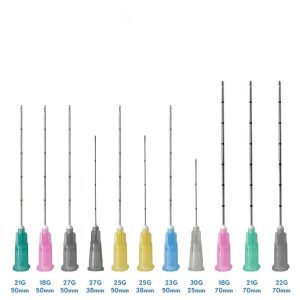
- Match the syringe to the task. Choose the right volume, tip type (Luer lock vs. Luer slip) and needle gauge. Low dead-space designs may reduce drug waste.
- Prioritize safety features. Where appropriate, select a safety-engineered single-use syringe that complies with OSHA expectations.
- Check connector compatibility. Verify ISO 80369 compatibility to reduce misconnection risk.
- Review labeling and packaging. Look for lot numbers, expiry dates, sterility statements and clear graduations.
- Request documentation. Ask for a certificate of conformity, sterilization validation data and quality system certificates.
How to Build Strong IV Set Management
- Standardize the product list. Fewer IV set types reduce selection errors. Keep dedicated options for pumps, gravity infusion, blood and light-sensitive medications.
- Verify pump compatibility. An IV set must match the infusion pump model to deliver accurate flow.
- Use aseptic technique. Perform hand hygiene, disinfect needleless connectors and ports before each access, and avoid touching sterile surfaces.
- Prime correctly. Eliminate air from the line and confirm the clamp is in the correct position.
- Label and document. Mark tubing with the date and time and record changes in the chart.
- Follow change intervals. Apply the timing rules above and replace IV sets promptly when integrity is in doubt.
- Dispose safely. Discard used IV sets in the proper waste stream, and place any sharp components in a sharps container.
How to Strengthen Infection Control Around Both Products
Effective infection control relies on systems, not just individual vigilance:
- Create written policies covering single-use syringe handling, medication preparation and IV set management.
- Train staff at onboarding and refresh competencies yearly.
- Audit injection practices and IV line care, then share results with teams.
- Use checklists for central line maintenance and medication preparation.
- Make safe equipment easy to access, because workarounds appear when supplies run short.
- Track adverse events and near misses, and respond quickly to recalls or safety notices.
How to Evaluate and Vet Suppliers
For buyers and distributors, supplier due diligence is as important as clinical technique. Ask for the following:
- FDA establishment registration and device listing numbers
- 510(k) clearance letters where applicable
- ISO 13485 certification
- Sterilization validation records (ethylene oxide or gamma, for example)
- Biocompatibility and particulate test results
- Lot traceability procedures and recall plans
- Stable supply capacity and contingency sourcing
Because a single-use syringe or IV set is a high-volume commodity, price pressure is real. However, the cheapest option can become the costliest if it leads to product failures, rejected shipments or compromised infection control.
Common Mistakes to Avoid
- Reusing a syringe “just once more.” A single-use syringe is designed for one use only, regardless of whether the needle was changed.
- Sharing vials improperly. Single-dose vials should not be used for multiple patients.
- Neglecting connector disinfection. Needleless connectors on an IV set are a frequent contamination point.
- Ignoring change schedules. Overdue IV sets are a quiet infection control hazard.
- Mixing incompatible components. Not every IV set fits every pump or catheter hub.
- Weak storage practices. Crushed boxes, damp rooms or expired stock can undermine sterility before the product is opened.
- Poor documentation. If tubing changes and syringe lot numbers are not recorded, investigations become difficult.
Trends Shaping the Market
Several trends will influence single-use syringe and IV set purchasing in the coming years:
- Safety-engineered devices continue to gain share as organizations work to reduce sharps injuries.
- Prefilled syringes are growing, especially in biologics and vaccines, changing how facilities buy and store a single-use syringe.
- Smart infusion pumps with drug libraries raise expectations for compatible IV sets and accurate documentation.
- Supply chain resilience is now a board-level concern. Dual sourcing, domestic manufacturing incentives and safety stock planning affect both products.
- Sustainability pressure is pushing manufacturers to rethink packaging and materials, while still protecting sterility and infection control.
- Needle-free and low-dead-space designs continue to develop as clinicians seek safer, more efficient delivery.
Frequently Asked Questions
Can a single-use syringe be reused if the needle is replaced?
No. The CDC and OSHA make clear that a single-use syringe should never be reused for another patient, and reuse on the same patient is also discouraged because it risks contaminating the medication container.
How often should an IV set be changed?
For continuous infusions, CDC guidance generally supports replacement no more frequently than every 96 hours but at least every seven days. Blood, blood products and lipid infusions require shorter intervals, and facilities should follow their own policy.
What is the difference between IV set management and IV site care?
IV set management focuses on tubing, connectors, priming, labeling and change schedules, while site care focuses on the catheter insertion site and dressing. Both are necessary for effective infection control.
What documents should a distributor request for a single-use syringe?
At minimum, request FDA registration and listing details, 510(k) clearance where relevant, ISO 13485 certification, sterilization validation and traceability procedures.
Conclusion
The single-use syringe and the IV set may be among the simplest products in a hospital’s inventory, but they sit at the center of patient safety. Strong single-use syringe standards protect against cross-contamination and sharps injuries. Disciplined IV set management protects against bloodstream infection, dosing errors and compatibility failures. Together, they form a foundation for reliable infection control.
For buyers, the priority is verifying FDA compliance, matching products to clinical needs and standardizing wherever possible. For clinicians, it is aseptic technique, timely replacement and accurate documentation. For distributors and international suppliers, it is traceability, quality certification and dependable supply. When every link in the chain treats the single-use syringe and the IV set as critical safety devices rather than commodities, patients benefit and so does the organization.