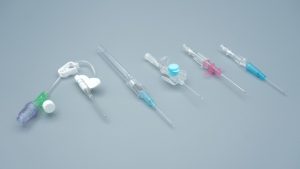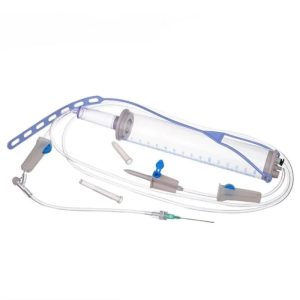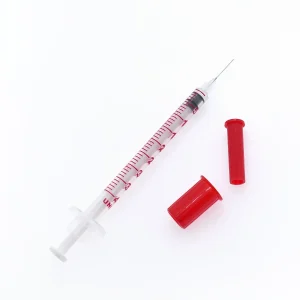
If you’ve spent any time sourcing medical disposables, you’ve probably noticed a shift: fewer buyers are asking “what’s your cheapest wholesale syringe price?” and more are asking “can you customize this for my brand, my market, my patients?” This isn’t a coincidence — it reflects how procurement in the medical supplies industry has matured over the past few years. In this article, we’ll break down why custom syringes are increasingly preferred over generic wholesale stock, and what characterizes the buyers driving this trend.
From Commodity Purchasing to Strategic Sourcing
Traditional wholesale purchasing treats syringes as an interchangeable commodity — any factory, any brand, as long as the price is right. But as healthcare distributors, private-label brands, and clinics compete on service quality and brand trust, syringes are no longer viewed as generic items. They’re touchpoints that carry a company’s name, color coding, packaging design, and quality reputation.
This is exactly why many buyers now search for a custom medical syringes manufacturer rather than a plain wholesale supplier. Customization allows a distributor to differentiate their product line, meet specific regulatory labeling requirements in their target country, and build long-term brand recognition instead of reselling an unbranded, interchangeable product.
Why Customization Has Become the Preferred Route
1. Application-specific requirements
Different end-users need different specs. A veterinary clinic may need a different barrel color for dosage safety, while a cosmetic clinic ordering filler syringes may require luer lock tips and specific graduation markings. Wholesale stock rarely fits every use case — custom production does.
2. Brand identity and market positioning
Distributors selling under their own label want their logo, packaging, and barrel printing to reflect their brand — not the manufacturer’s generic packaging. This is especially common among buyers building a private-label presence in the US and EU healthcare markets.
3. Full size-range consolidation
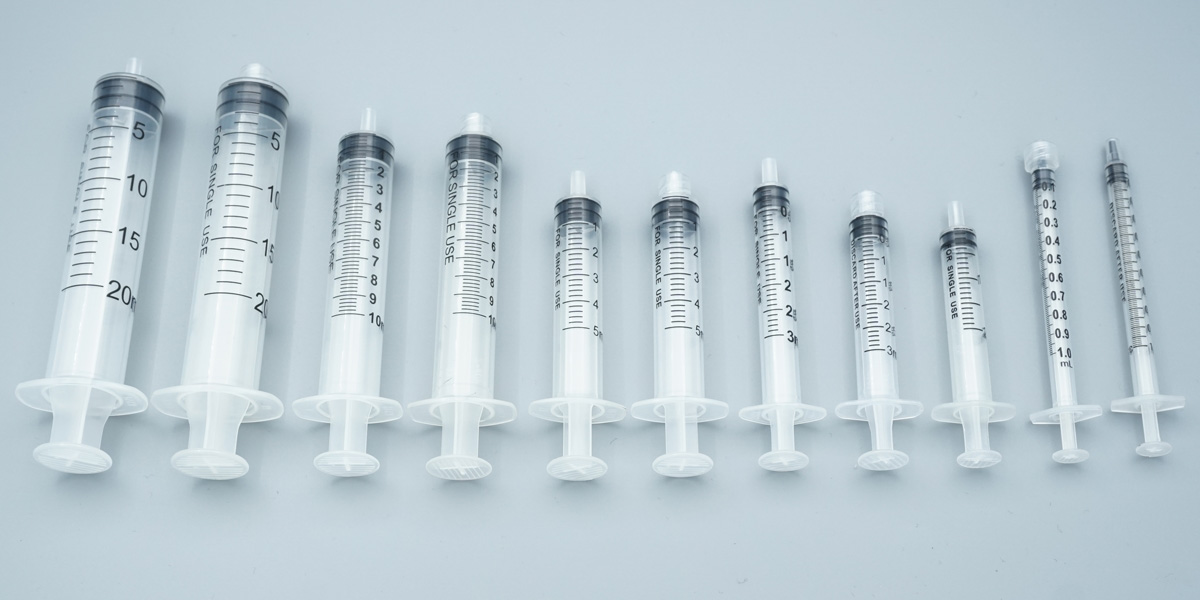
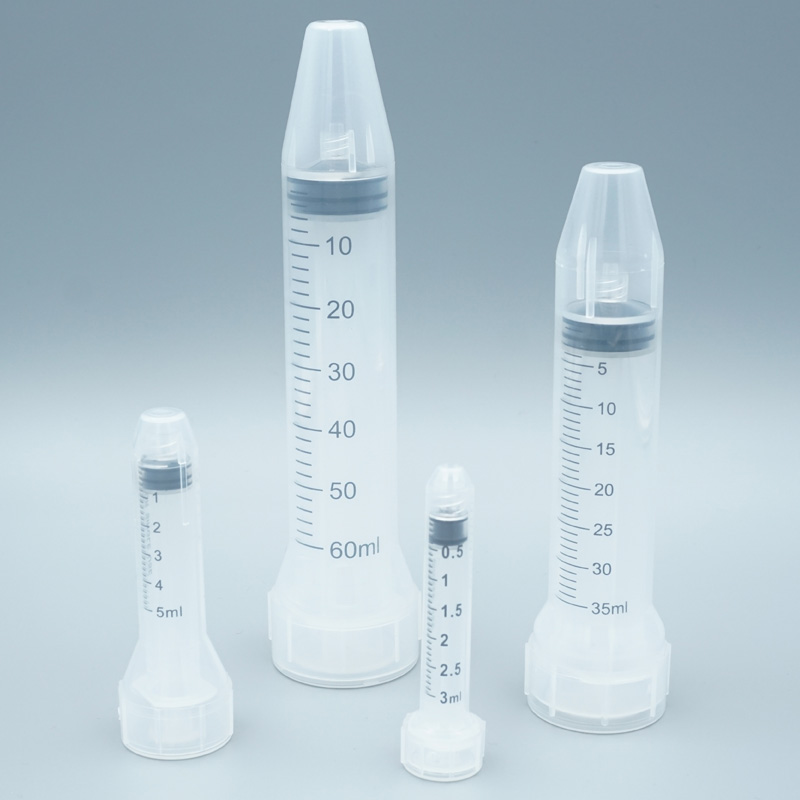
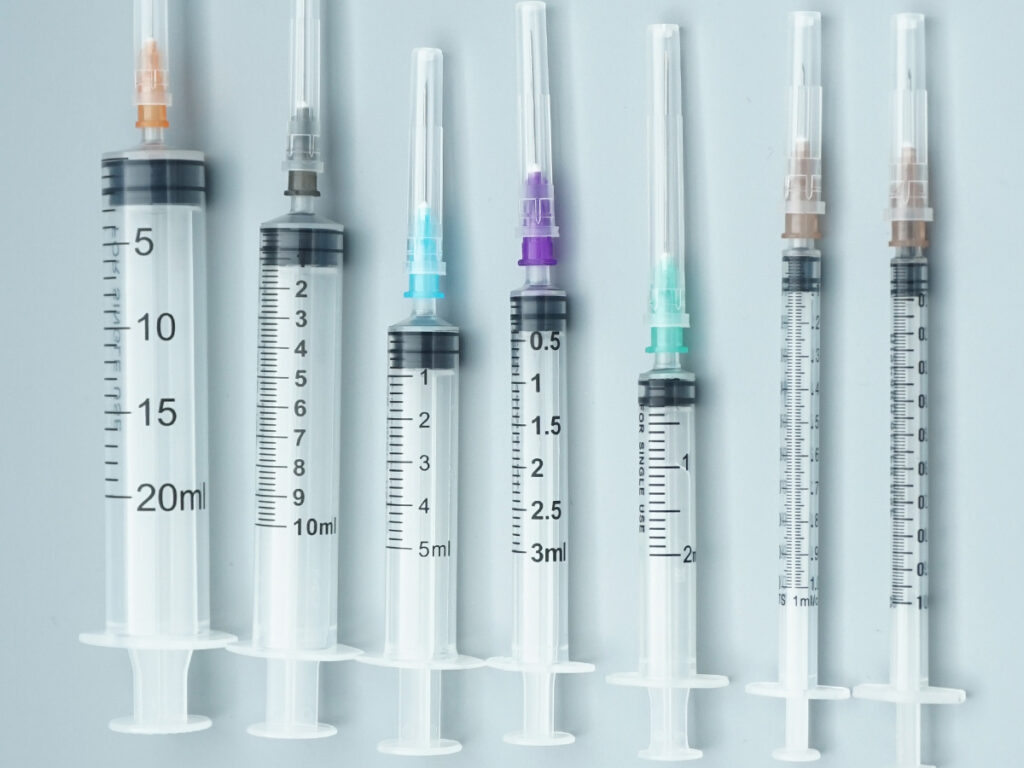
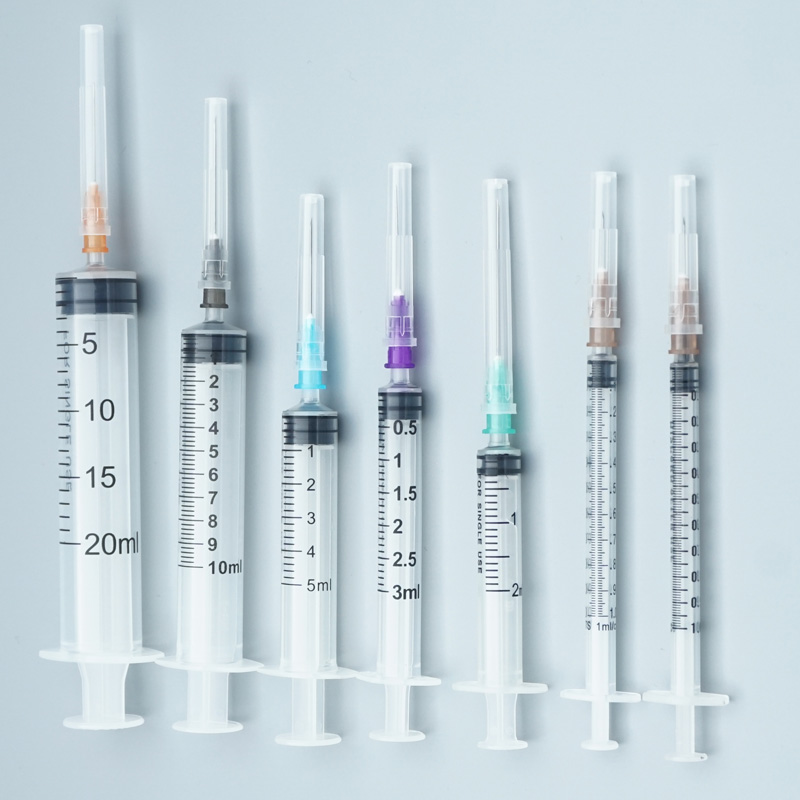
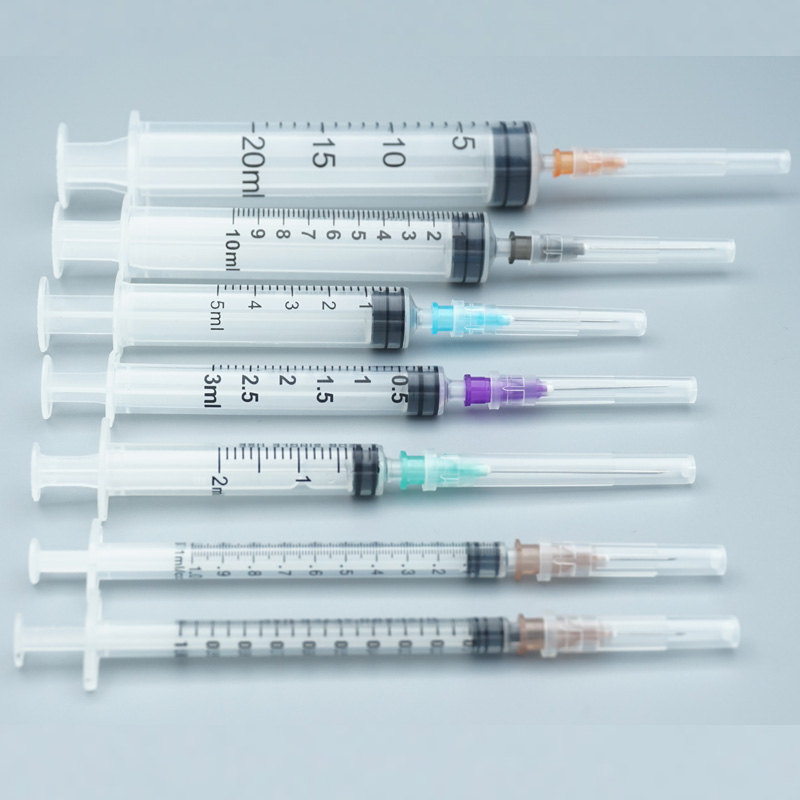
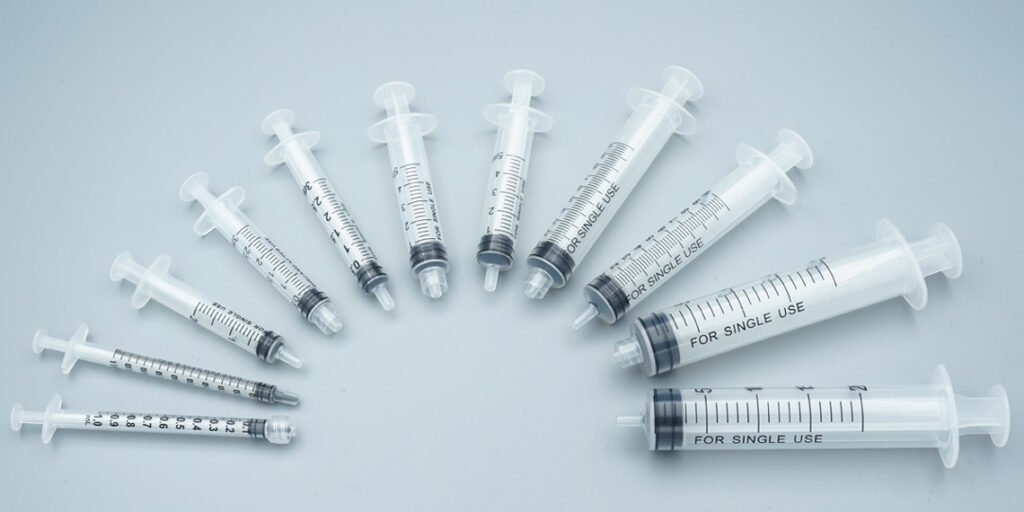
Instead of sourcing 1ml syringes from one factory and 50ml or 100ml syringes from another, more buyers now prefer working with a single manufacturer that offers the complete syringe size range — from small-dose precision syringes to large-volume irrigation syringes. This reduces supplier fragmentation, simplifies quality control, and shortens overall lead times.
4. Regulatory and compliance flexibility
Custom manufacturers are typically more willing to adjust sterilization methods (EO sterile vs. non-sterile), documentation, and certification support (CE, ISO13485, FDA-related paperwork) to match a buyer’s specific import requirements — something generic wholesale suppliers often can’t accommodate.
What Characterizes Buyers Who Prefer Custom Medical Syringes?
Based on the sourcing patterns we see from international clients, buyers who lean toward customization typically share these traits:
- They are brand-conscious. Whether it’s a hospital group, a distributor, or a private-label healthcare brand, they care about how the product represents their business — not just its function.
- They plan for long-term partnerships, not one-off purchases. Custom orders usually signal a buyer looking for a stable, repeatable supply chain relationship rather than a single transactional order.
- They serve multiple end-use scenarios. Buyers supplying hospitals, clinics, veterinary practices, or cosmetic centers at the same time need flexible sizing and specs — which is why they gravitate toward manufacturers offering the full 1ml–100ml lineup.
- They value consolidated sourcing. Rather than juggling multiple factories for different syringe sizes, these buyers prefer one audited, reliable production line that can deliver consistent quality across an entire product range.
- They operate in regulated markets. Buyers importing into the US, EU, or other regulated healthcare markets need suppliers who understand compliance requirements — not just low pricing.
Wholesale Still Has Its Place — But It’s No Longer the Default
To be clear, wholesale purchasing isn’t obsolete. For buyers testing a new market with small trial orders, or purchasing extremely standardized items with no branding needs, wholesale sourcing can still make sense. But as more distributors and healthcare businesses compete on trust, consistency, and brand differentiation, customization has become the strategic default — not the exception.
Final Thoughts
The shift toward custom medical syringes reflects a broader change in how medical supply chains operate: buyers today are looking for partners, not just suppliers. If your business needs flexible sizing, branded packaging, or a single factory that can cover your entire syringe requirement — from 1ml precision doses to 100ml industrial volumes — working with a manufacturer that specializes in full-range customization is usually the more sustainable long-term choice.