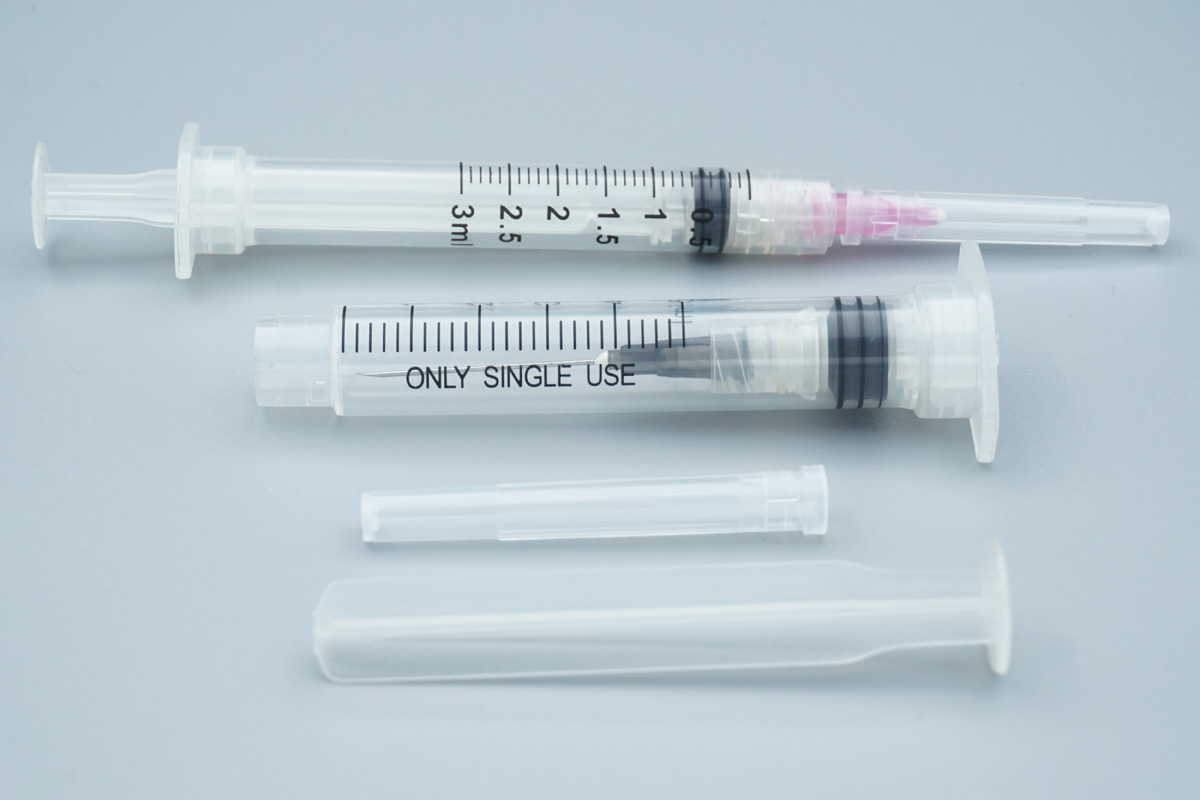
If you work in a hospital, clinic, or medical supply business, you have probably heard the term “safety syringe” many times. But not all safety syringes work the same way. One of the most popular designs on the market today is the retractable safety syringe — a syringe where the needle pulls back into the barrel right after use.
In this guide, we will explain how to use this type of syringe step by step, look at its real advantages and limitations, talk about which situations it fits best, and give practical advice for buyers who want to order in bulk from a factory.
What Is a Retractable Safety Syringe?
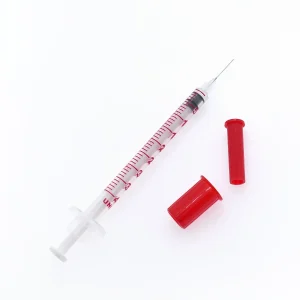
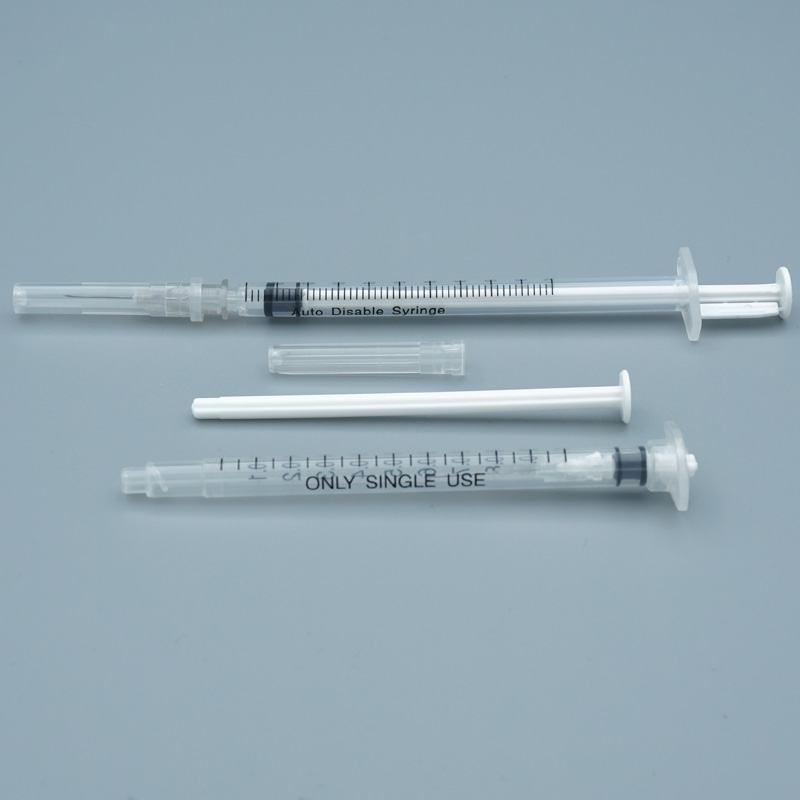
A retractable safety syringe is a syringe with a built-in safety mechanism. After the injection is given, the needle automatically retracts — meaning it pulls itself back inside the syringe barrel. This happens either when the plunger is pressed fully down or through a simple triggering action, depending on the design.
Kohope’s version of this product also uses a luer lock fitting. This means the needle is not permanently fixed — it can be exchanged, or replaced with a needleless access device. This is different from many standard retractable needle safety syringes that only work with one fixed needle. You can see the full product details on the Retractable Safety Syringe – Luer Lock product page.
How to Use a Retractable Needle Safety Syringe (Step by Step)
Using this type of syringe is not much different from using a normal syringe, but there are a few extra steps that make it safer. Here is a simple walkthrough:
- Attach the needle. Because the syringe uses a luer lock fitting, you twist the needle onto the tip until it locks in place. This also lets you attach a needleless access device if you are withdrawing medication from a vial instead of a bottle with a rubber stopper.
- Draw up the medication. Pull back the plunger to draw the correct dose from the vial or ampoule, just like a standard syringe.
- Give the injection. Insert the needle and press the plunger down to deliver the medication as normal.
- Let the retraction happen. Once the plunger reaches a certain point, the safety syringe with retractable needle automatically pulls the needle back into the barrel. The user does not need to manually recap the needle — this is the whole point of the safety feature.
- Break off the plunger. After retraction, the plunger can be snapped off. This makes the syringe permanently unusable, so nobody can reuse it or accidentally get stuck by the needle later.
- Dispose of it properly. Even with the needle retracted, the used syringe should still go into a sharps disposal container, following your facility’s medical waste rules.
That’s it. The entire safety process happens in one smooth motion, which is why hospitals like this design — it doesn’t slow down busy nursing staff, and it removes the most dangerous step in a normal injection: recapping the needle by hand.
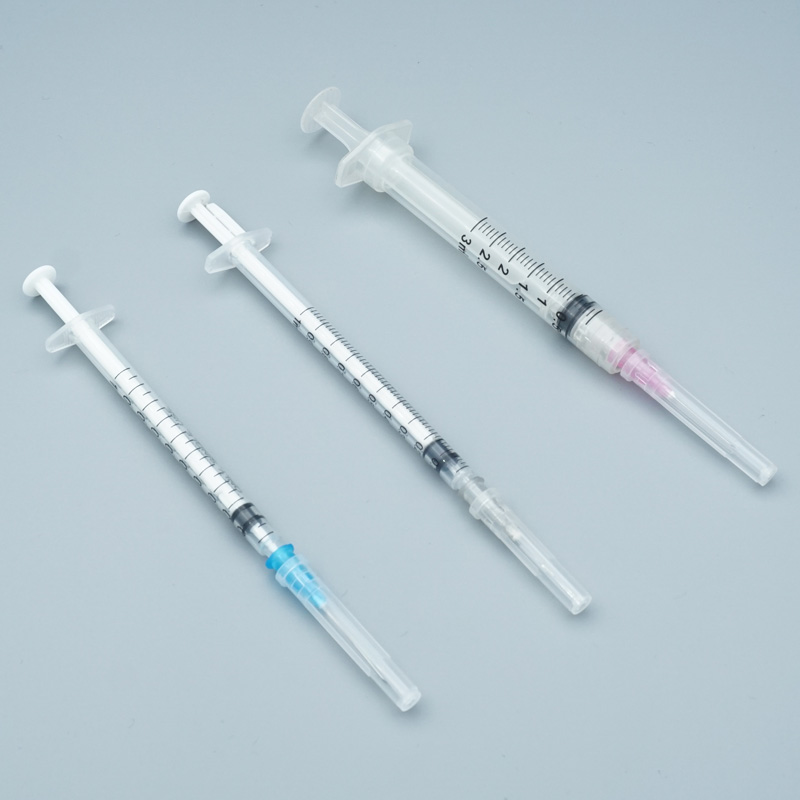
Advantages of a Retractable Safety Syringe
1. Strong protection against needle stick injuries This is the main reason hospitals and clinics choose a retractable safety syringe over a standard one. Needle stick injuries are one of the most common workplace injuries in healthcare, and they can expose staff to bloodborne diseases. Because the needle disappears into the barrel right after use, there is almost no chance of an accidental stick during disposal.
2. No extra training needed The retraction happens automatically as part of the normal injection motion. Nurses and caregivers don’t need to learn a new technique or press a separate button, which makes it easy to introduce into daily hospital use.
3. Luer lock flexibility Unlike many fixed-needle safety syringes, this design lets buyers swap needles or use needleless access devices. That means one syringe body can support several different procedures, which is a real advantage for hospital purchasing teams who want to simplify their inventory.
4. Prevents reuse The break-off plunger feature stops anyone from reusing the syringe after the first injection. This is important for infection control, especially in regions where syringe reuse has been a documented public health risk.
5. Fits regulatory requirements Many countries now require healthcare facilities to use safety-engineered injection devices. A safety syringe with retractable needle design like this one helps hospitals meet OSHA-style bloodborne pathogen rules in the US, or similar medical device safety directives in the EU.
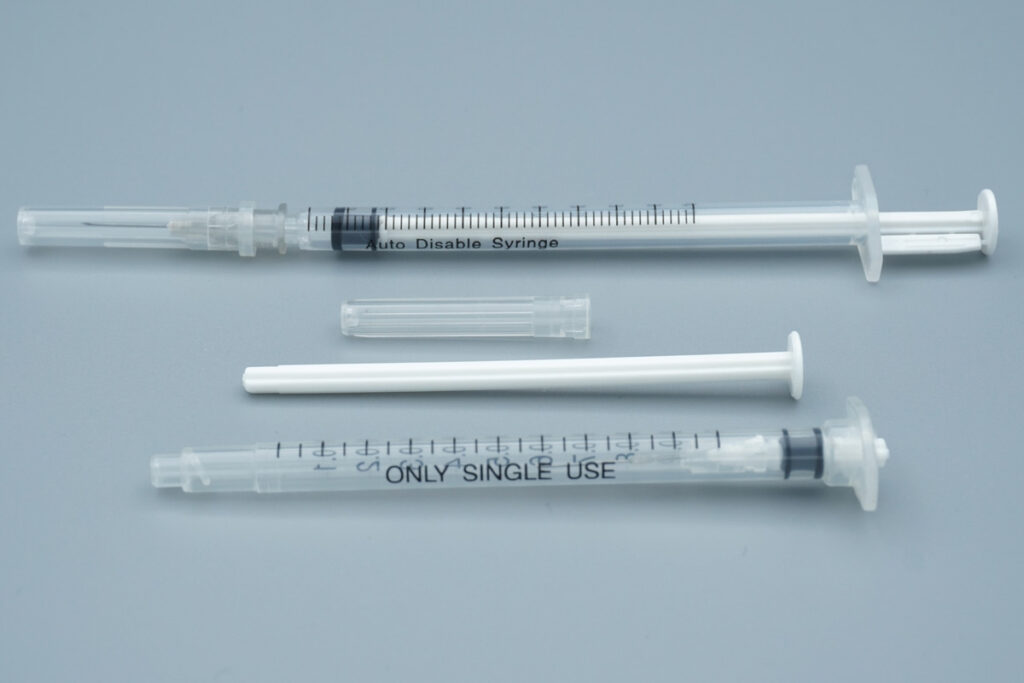
Limitations to Be Aware Of
No product is perfect for every situation, and buyers should know the trade-offs before placing a large order.
1. Slightly higher unit cost Because of the extra mechanism inside, retractable needle safety syringes usually cost a bit more per unit than a basic disposable syringe. For high-volume public health programs on a tight budget, this cost difference matters and should be planned for.
2. Requires correct technique for full retraction The needle only retracts properly when the plunger is pressed all the way down. If a user stops early, the safety feature may not fully activate. This is a training point worth including in facility onboarding, even though the overall design is simple.
3. Not ideal for every specialty use Very small-volume precision injections, or procedures needing extremely fine needle control (such as certain ophthalmic or intradermal work), sometimes use other specialized syringe types instead. A general-purpose retractable safety syringe is best for standard intramuscular, subcutaneous, and vial-based injections rather than highly specialized procedures.
4. Storage and shelf packaging Because the mechanism is more complex than a plain syringe, packaging and storage conditions matter more to protect the retraction function over time — something buyers should confirm with their supplier’s quality documentation.
Best Use Scenarios
Based on these strengths and limitations, a retractable safety syringe fits best in:
- Hospital wards and outpatient injection rooms, where staff give many injections per day and need a fast, reliable safety step.
- Vaccination campaigns, including large-scale public health programs where preventing needle stick injuries among vaccinators is a priority.
- Home healthcare settings, where a family caregiver may be giving injections without professional supervision, and automatic safety is especially valuable.
- Emergency medical response, where speed matters and there isn’t time for a manual recapping step.
- Vial medication withdrawal and IV therapy add-on procedures, thanks to the luer lock system that supports needleless access devices.
For facilities or distributors comparing different safety injection products side by side, it’s worth browsing the full Safety Syringes category to see how retractable designs compare with other safety mechanisms.
Advice for Bulk and Custom Procurement Buyers
If you are a distributor, hospital procurement manager, or medical device brand looking to source retractable needle safety syringes in bulk, here are a few practical tips:
1. Ask for samples before committing to a large order. A reliable factory should be willing to send trial samples so your team can test the retraction mechanism, needle attachment, and break-off plunger feature under real conditions.
2. Confirm luer lock compatibility with your existing supplies. If your facility already stocks certain needle sizes or needleless access devices, check that the syringe’s luer lock fitting works with what you already use. This avoids costly mismatches later.
3. Check quality certifications and documentation. For hospital tenders or government procurement, you will usually need compliance paperwork. Ask your supplier for third-party quality certification support upfront, not after the order is placed.
4. Discuss MOQ and customization options. Many factories, including Kohope, offer low minimum order quantities for trial orders and OEM/ODM customization for private label branding, barrel sizes, and needle gauge options. Clarify these details early in your sourcing conversation.
5. Plan for export logistics. For international buyers, ask about packaging standards, shipping timelines, and export documentation experience — especially if you’re importing into the US or EU market where medical device import rules can be strict.
6. Build a long-term supplier relationship, not just a one-time order. Since a safety syringe with retractable needle is a recurring consumable for most healthcare facilities, it’s usually more efficient to find one dependable manufacturing partner for repeat orders rather than switching suppliers frequently.
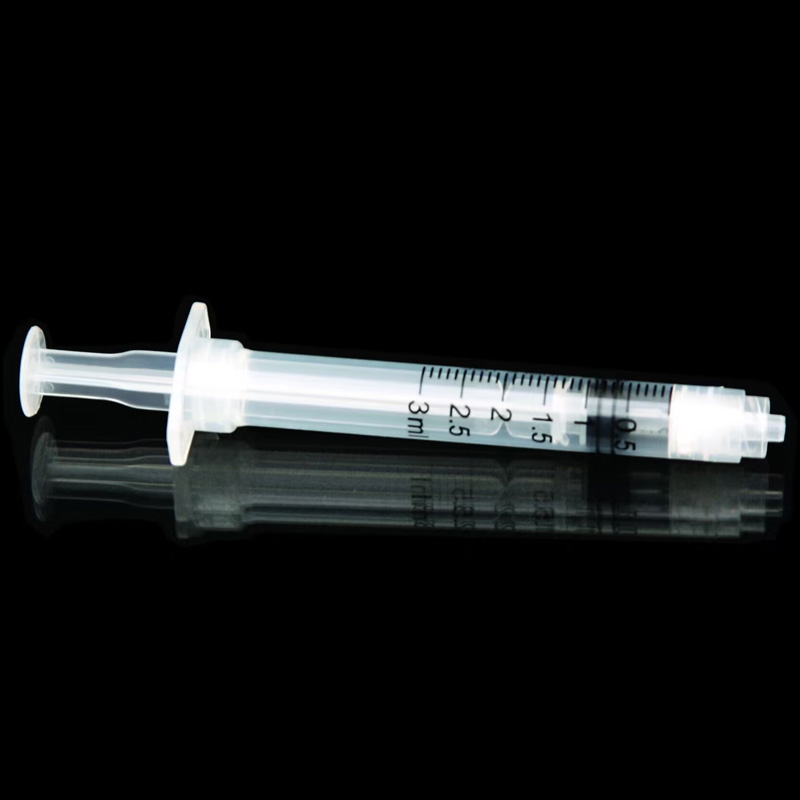
Final Thoughts
A retractable safety syringe offers a simple but effective way to reduce needle stick injuries in everyday healthcare settings, without requiring complicated new training. The luer lock design adds extra flexibility for buyers who want one syringe body to serve multiple purposes, from standard injections to vial medication withdrawal.
Like any medical product, it has some trade-offs — slightly higher cost and the need for correct technique — but for hospitals, clinics, vaccination programs, and home healthcare use, the safety benefits generally outweigh these limitations.
If you’re evaluating suppliers for retractable needle safety syringes, take time to request samples, confirm luer lock compatibility, and check documentation before placing a bulk order. You can learn more about Kohope’s version of this product on the retractable safety syringe product page, or explore the wider Safety Syringes range for other safety-engineered injection options.