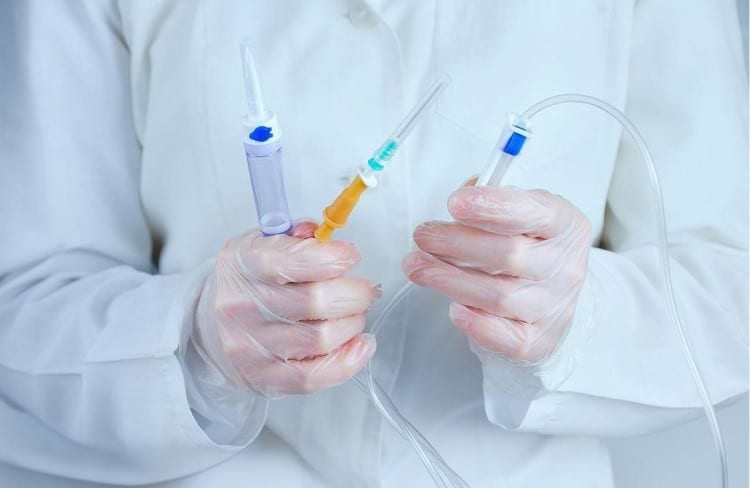
The infusion set is one of the most widely used consumables in modern clinical care. Whether it’s routine fluid replacement on a general ward or precision drug delivery in the ICU, the performance of an infusion set has a direct impact on treatment safety and outcomes. This article walks through the core infusion set characteristics — structure, materials, filtration, and flow control — and examines how those features translate into real-world infusion set clinical use across different care settings.
1. Basic Structure of an Infusion Set
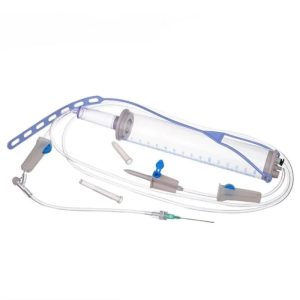
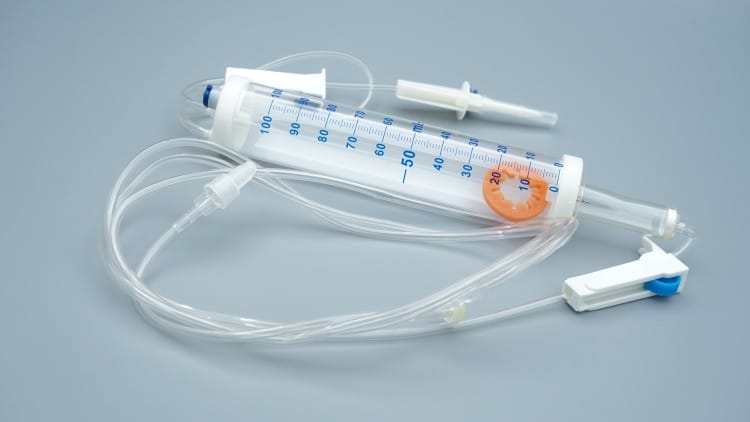
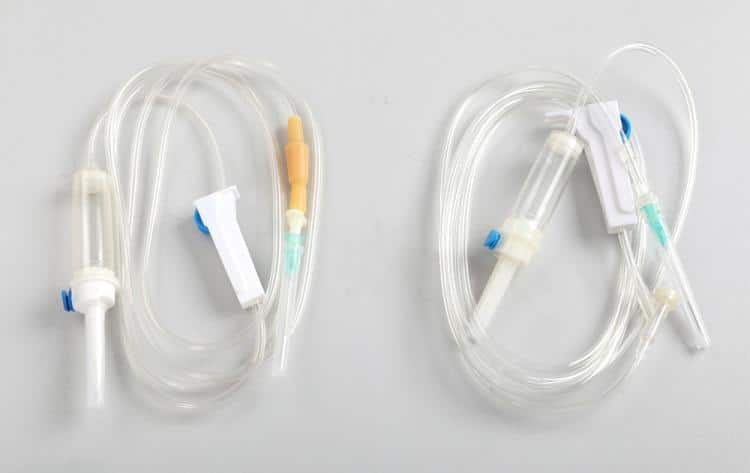
A standard infusion set is built from several key components:
- Spike — pierces the IV bottle or bag to draw out the fluid
- Drip chamber — regulates drop formation and keeps air out of the line
- Roller clamp — allows manual adjustment of flow rate
- In-line filter — typically around 15 microns, screening out particulates and microbubbles
- Y-site or three-way stopcock — enables secondary medication or combination therapy
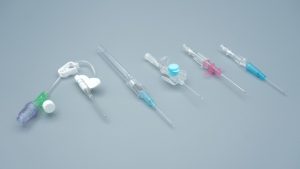
- IV needle or catheter connector — links the line to the patient’s vascular access
Together, these components define the functional profile of the device — and understanding how each part performs is the starting point for evaluating infusion set characteristics in a clinical or procurement context.
2. Core Functional Characteristics
Drop Factor and Flow Control
Infusion sets typically come in drop factors of 10, 15, 20, or 60 drops/mL (the latter used for micro-drip sets). The drop factor directly affects how accurately a flow rate can be calculated — a critical detail in pediatric care or any situation requiring tight control of fluid intake. For example, with a standard 20 drops/mL set, a prescribed rate of 60 drops per minute translates to roughly 180 mL/hour. Clinicians make this kind of calculation constantly, which is why drop factor accuracy is a non-negotiable spec.
Materials and DEHP-Free Design
Conventional PVC tubing often contains the plasticizer DEHP, which raises potential long-term health concerns, particularly for neonates, pregnant patients, and anyone on extended infusion therapy. A growing share of the market has shifted to DEHP-free materials — TPE, PP, and similar alternatives — that preserve tubing flexibility and clarity while reducing chemical leaching risk. This has become a defining feature of premium infusion set product lines.
Filtration Precision and Safety
Most in-line filters sit around 15 μm, while precision filtration sets can go as fine as 1.2 μm, effectively trapping particulates, crystals, or microbial aggregates that may be present in the fluid. This matters most when infusing lipid emulsions, blood products, or chemotherapy agents, where filtration precision has a direct bearing on complication rates such as phlebitis or microvascular occlusion.

Air Venting and Backflow Prevention
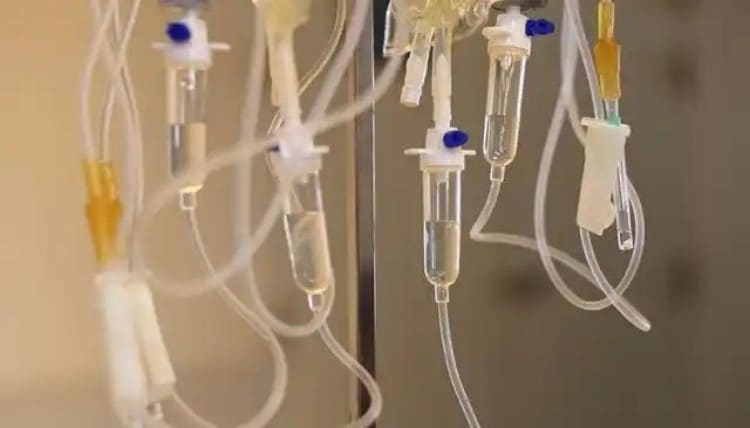
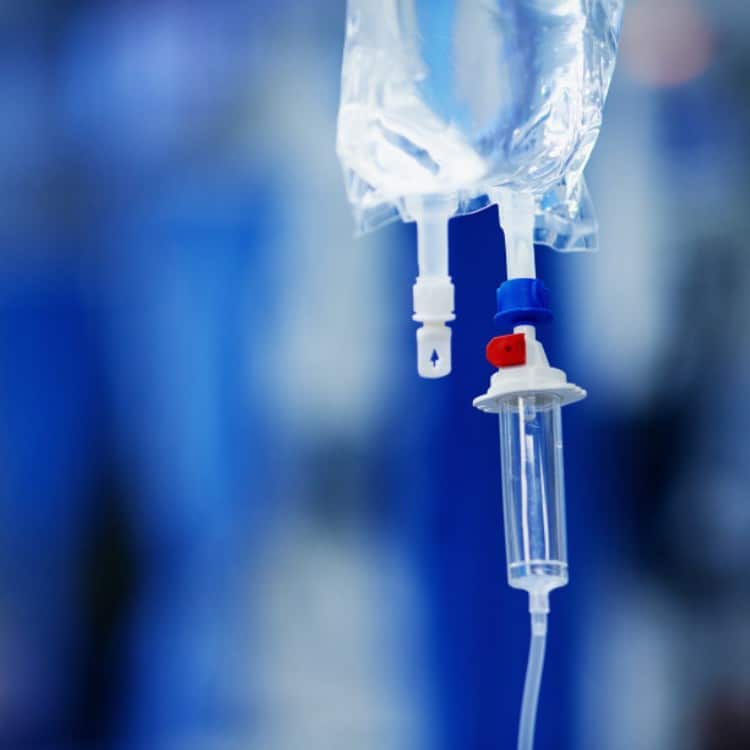
Well-engineered infusion sets include automatic air-venting mechanisms and anti-backflow valves, preventing air embolism and blood reflux contamination — both of particular importance during prolonged infusions or continuous therapy for critically ill patients.
Needle Gauge and Patient Comfort
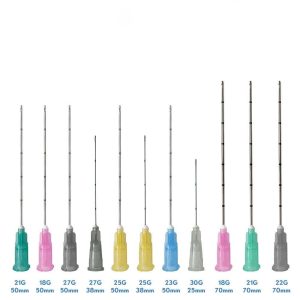
Needle gauges on infusion sets typically range from 18G to 26G — the larger the number, the finer the needle. Clinicians select the appropriate gauge based on vein condition (pediatric and elderly patients often have more fragile veins), balancing infusion speed against puncture discomfort and vascular trauma.
3. Clinical Applications
Routine IV Fluid Therapy
The highest-volume use case: electrolyte balance, hydration, and nutritional support in general inpatient settings.
Critical Care and Emergency Medicine
ICU patients frequently require multi-line, multi-drug infusion setups, which raises the bar for three-way connector design and anti-reflux performance. Flow accuracy in these settings typically needs to stay within ±5%.
Oncology and Chemotherapy
Chemotherapy infusion demands high material compatibility to prevent chemical interaction between the drug and the tubing. Many chemotherapy-specific infusion sets use non-PVC materials paired with precision flow regulators.
Pediatric and Neonatal Care
Because children have smaller, more delicate veins and lower dose tolerances, micro-drip sets (60 drops/mL) paired with infusion pumps are standard practice, enabling milliliter- or even microliter-level dosing precision.
Blood and Blood Product Transfusion
Transfusing blood products calls for specialized equipment — typically a dedicated blood transfusion set with a filter mesh sized around 170–200 μm to trap clots and cell aggregates and prevent transfusion reactions. For a closer look at how infusion and transfusion devices differ in structure and clinical application, see Kohope’s infusion and transfusion product line.
4. Why Kohope Stands Out in Infusion Set Manufacturing
With so many infusion set characteristics to weigh, procurement teams need a manufacturing partner that delivers consistency at scale. Kohope has built its reputation on a few key strengths:
- Full regulatory compliance — Kohope’s infusion sets are manufactured under ISO 13485-certified quality systems and meet CE and FDA requirements, giving hospitals and distributors confidence in cross-border procurement.
- DEHP-free material options — Kohope offers DEHP-free tubing across multiple product lines, addressing the growing clinical demand for safer materials in neonatal, obstetric, and long-term infusion use.
- Precision-engineered flow control — Kohope’s drip chambers and roller clamps are designed and tested to tight tolerances, supporting the flow accuracy that ICU and pediatric protocols demand.
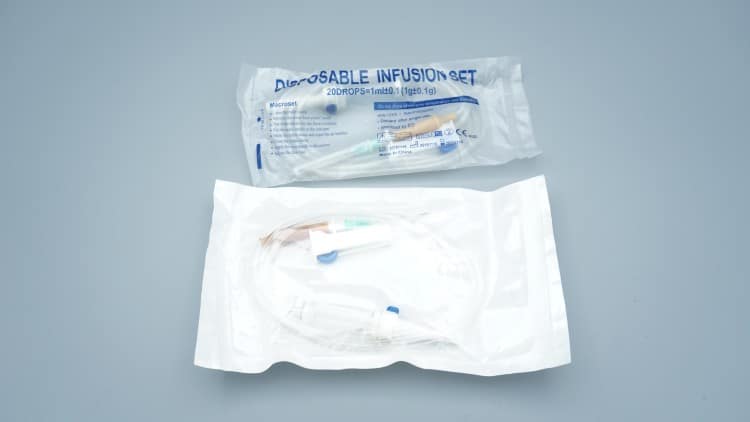
- Broad product range — from standard 20 drops/mL sets to 60 drops/mL micro-drip sets, precision filtration lines, and dedicated blood transfusion sets, Kohope covers the full spectrum of infusion set clinical use in a single supplier relationship.
- Reliable sterile packaging and shelf life — ethylene oxide (EO) sterilization and validated packaging protocols support smooth inventory turnover for hospitals and distributors alike.
- OEM/ODM flexibility — Kohope supports customized configurations (needle gauge, tubing length, filter specification) to match the specific clinical workflows of different healthcare systems.
For buyers evaluating suppliers, these strengths translate into fewer compliance headaches, more consistent clinical performance, and a product catalog broad enough to standardize procurement across departments.
5. Key Considerations When Sourcing Infusion Sets
Healthcare facilities generally weigh the following factors during procurement:
- Regulatory certification — ISO 13485, CE, FDA, or equivalent regional approvals
- Material safety — DEHP-free or medical-grade PVC options
- Flow accuracy — whether drip rate control meets the required clinical tolerance
- Device compatibility — fit with existing infusion pumps, catheters, and connectors
- Sterile packaging and shelf life — EO sterilization status and inventory-friendly expiration windows
These factors sit at the heart of infusion set clinical use evaluation and are exactly where a manufacturer’s track record — like Kohope’s — makes the biggest difference.
Conclusion
An infusion set may look like a simple consumable, but its drop-factor accuracy, material safety, filtration precision, and anti-backflow design all directly shape the safety and efficiency of IV therapy. From routine ward infusions to ICU critical care, from pediatric precision dosing to oncology treatment, each clinical setting places different demands on infusion set performance. Healthcare providers and procurement teams should evaluate both functional characteristics and regulatory compliance against their specific clinical needs — and partnering with a manufacturer like Kohope, which combines certified quality systems, material innovation, and a full product range, makes that evaluation considerably easier.