Table of Contents
- What Is a 1ml Syringe and Who Uses It?
- 1ml Syringe Luer Lock vs. Luer Slip: Which Should You Choose?
- Why Disposable Sterile Syringes Are the Industry Standard
- The Case for No Needle Syringes in Clinical and Industrial Settings
- Key Specifications Procurement Teams Should Evaluate
- Application Scenarios: Medical, Lab, Veterinary, and Beyond
- How to Source 1ml Syringes Factory-Direct from China
- Certifications and Compliance: What Buyers Must Verify
- OEM and Private Label: Building Your Own Brand
- Frequently Asked Questions
1. What Is a 1ml Syringe and Who Uses It? {#what-is-a-1ml-syringe}
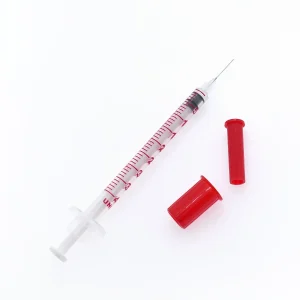
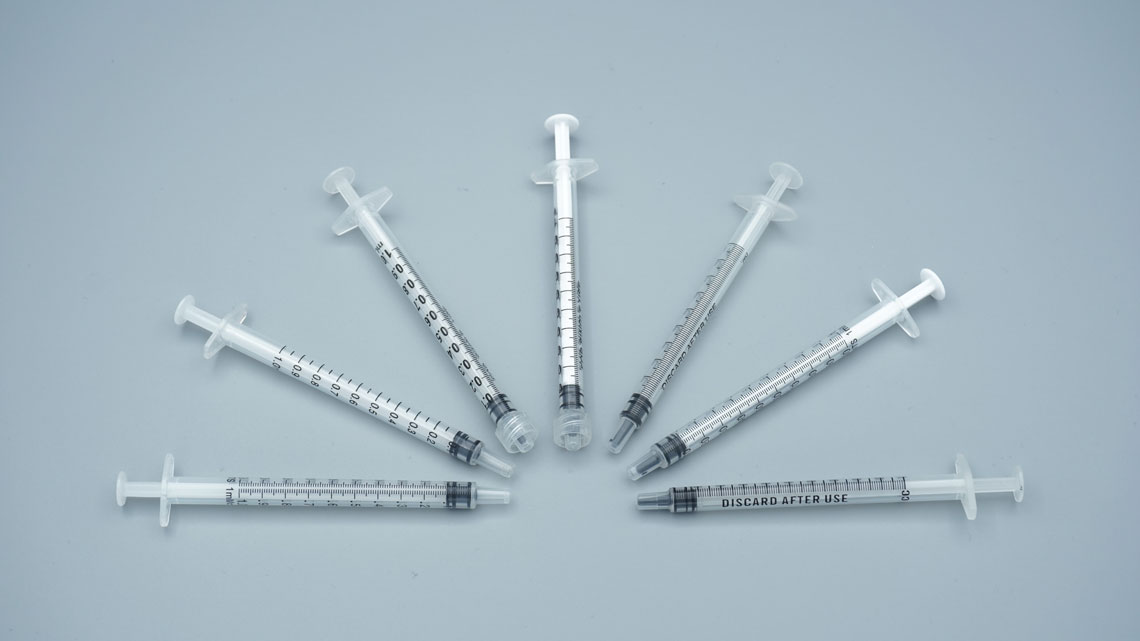
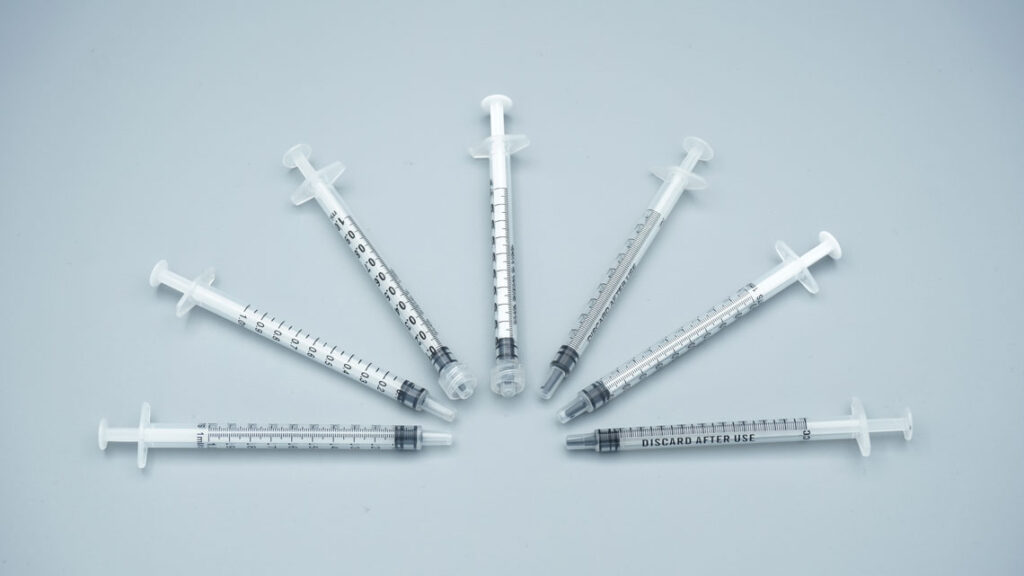
A 1ml syringe is a small-volume, single-use medical device designed to measure, transfer, or administer precise quantities of liquid — typically in increments as fine as 0.01 ml. Its compact form factor makes it the preferred instrument wherever microdosing accuracy, sterility, and ease of handling are non-negotiable.
The 1ml syringe sits at the intersection of multiple professional sectors. Hospital pharmacies rely on it for subcutaneous and intradermal injections. Research laboratories use it for reagent dispensing and cell culture feeding. Veterinary clinics depend on it for small-animal medication. Cosmetic medicine professionals reach for it during dermal filler preparation. Even industrial production lines — working with adhesives, resins, or dyes — require the controlled dispensing that only a calibrated 1ml barrel can deliver.
Because of this breadth of application, the global market for small-volume syringes has grown consistently. Procurement officers, distributors, and hospital purchasing departments across Europe and North America increasingly look to certified Chinese manufacturers to satisfy volume demand without compromising on regulatory compliance.
2. 1ml Syringe Luer Lock vs. Luer Slip: Which Should You Choose? {#luer-lock-vs-luer-slip}
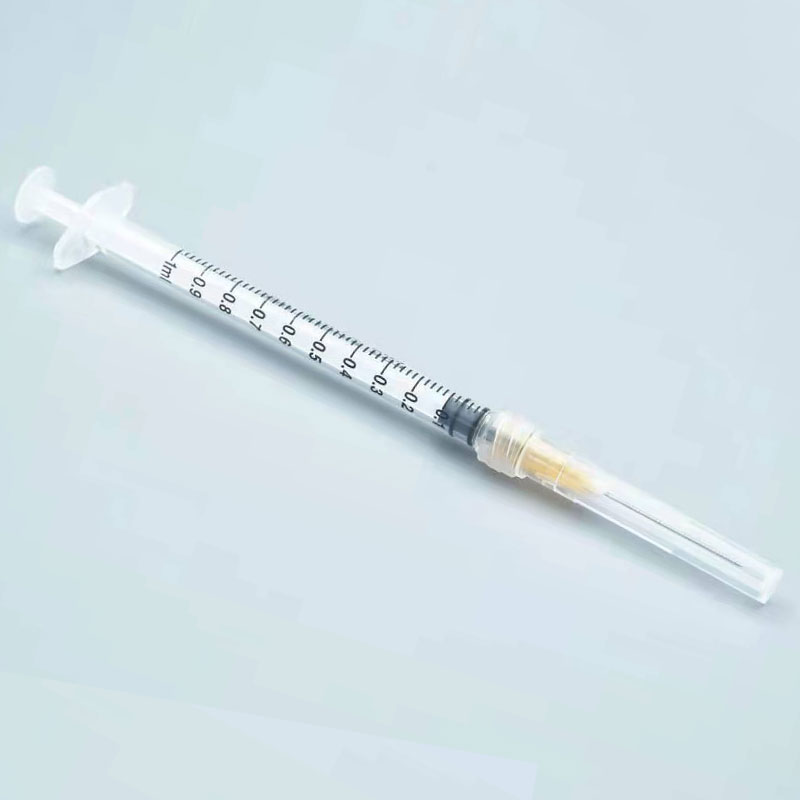
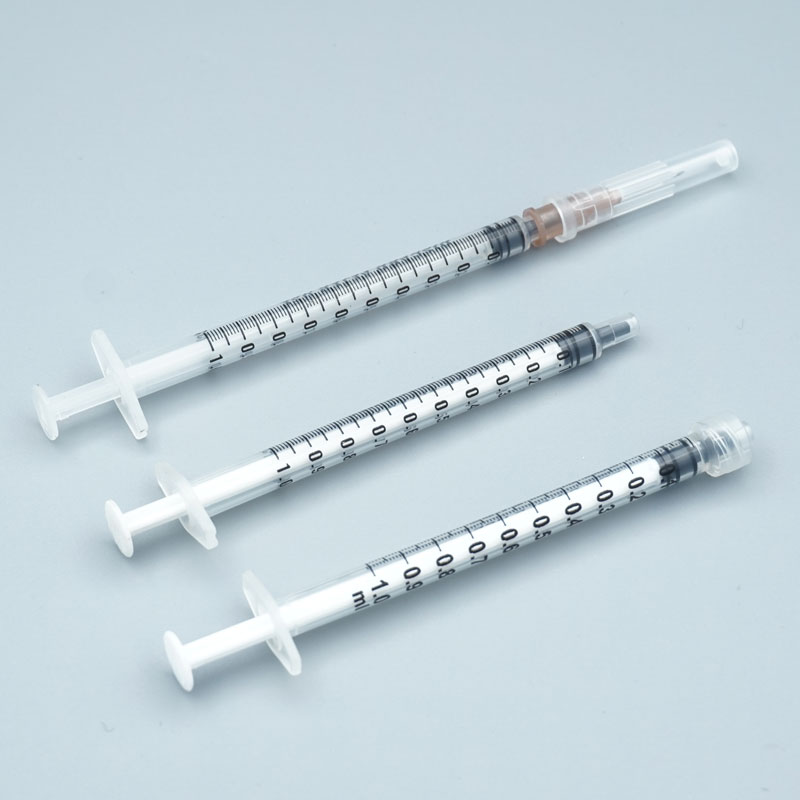
When specifying a 1ml syringe, the tip design is one of the most consequential decisions a buyer makes. The two dominant standards are Luer Lock and Luer Slip (also called Luer Taper).
Luer Slip tips rely on friction alone to hold a needle or connector in place. They are quick to attach and adequate for low-pressure, low-risk procedures. However, in high-pressure injection scenarios or wherever accidental disconnection would be hazardous, Luer Slip falls short.
Luer Lock tips feature a quarter-turn threaded collar that mechanically locks the needle or downstream connector. This design:
- Prevents accidental disconnection during injection or fluid transfer
- Supports higher injection pressures without leakage
- Is preferred for IV line connections, catheter flush procedures, and laboratory inline tubing
- Reduces the risk of needlestick injury during needle attachment and removal
For most professional procurement purposes — particularly in clinical, pharmaceutical, and research environments — a 1ml Luer Lock syringe is the default specification. The small additional cost over Luer Slip designs is consistently justified by the safety and reliability advantage.
Kohope’s 1ml Luer Lock disposable sterile syringe uses a precision-molded polypropylene tip that meets ISO 594-2 thread geometry specifications, ensuring compatibility with any standard Luer Lock needle, tubing connector, or stopcock across all major global suppliers.
3. Why Disposable Sterile Syringes Are the Industry Standard {#disposable-sterile-syringes}
The shift from reusable to disposable sterile syringes was one of the most impactful infection-control decisions in modern medicine. Today, single-use disposable syringes are mandated or strongly recommended by the WHO, FDA, CE regulatory frameworks, and NHS procurement guidelines for virtually all injection and fluid-transfer applications.
The Sterility Assurance Process
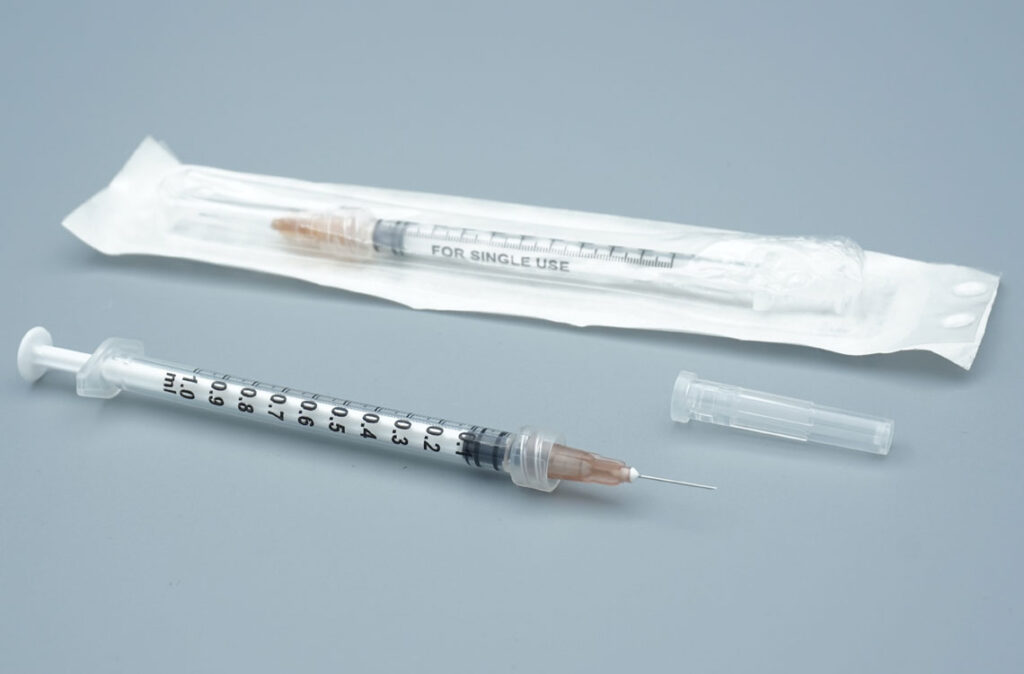
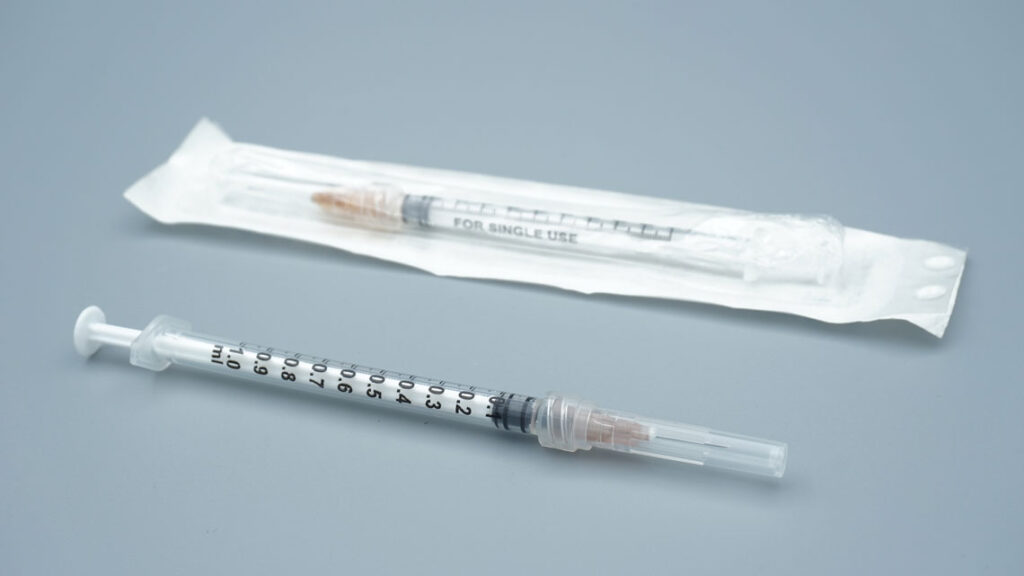
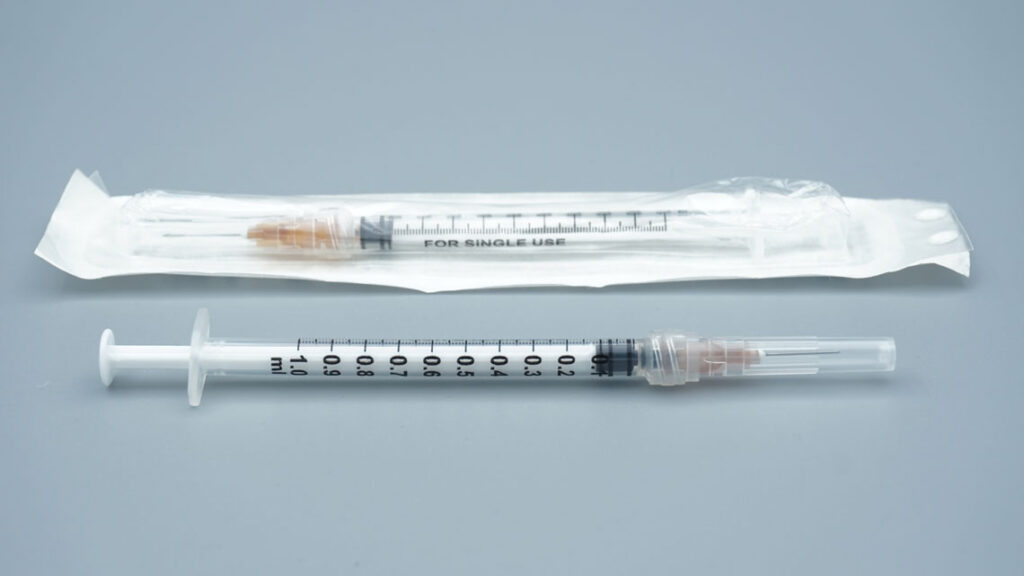
A properly manufactured disposable sterile syringe undergoes ethylene oxide (EO) sterilization after assembly. EO gas penetrates the sealed blister packaging, eliminating all bacterial, viral, and fungal contamination to achieve a Sterility Assurance Level (SAL) of 10⁻⁶ — the international standard for sterile medical devices.
Key elements of sterility assurance buyers should verify:
- Individual blister packaging — each syringe sealed separately, not in bulk bags
- Expiry date on each wrapper — typically 3–5 years from sterilization date
- Batch sterility test records — available from compliant manufacturers
- EO residual testing — confirms safe levels of ethylene oxide post-sterilization
- Package integrity testing — seal strength and peel-ability validation
Single-Use Policy Compliance
Regulatory bodies globally enforce single-use policies for a reason: reusing syringes — even between procedures on the same patient — carries measurable cross-contamination risk. Disposable syringes are designed to degrade or become unusable after a single activation cycle, physically enforcing the single-use mandate.
For procurement teams, this means the total cost of ownership of a disposable sterile syringe must account for safe disposal infrastructure (sharps containers, biohazard waste streams) alongside unit purchase cost. Factory-direct sourcing from certified manufacturers like Kohope substantially reduces unit cost, improving the economics of compliant single-use programs.
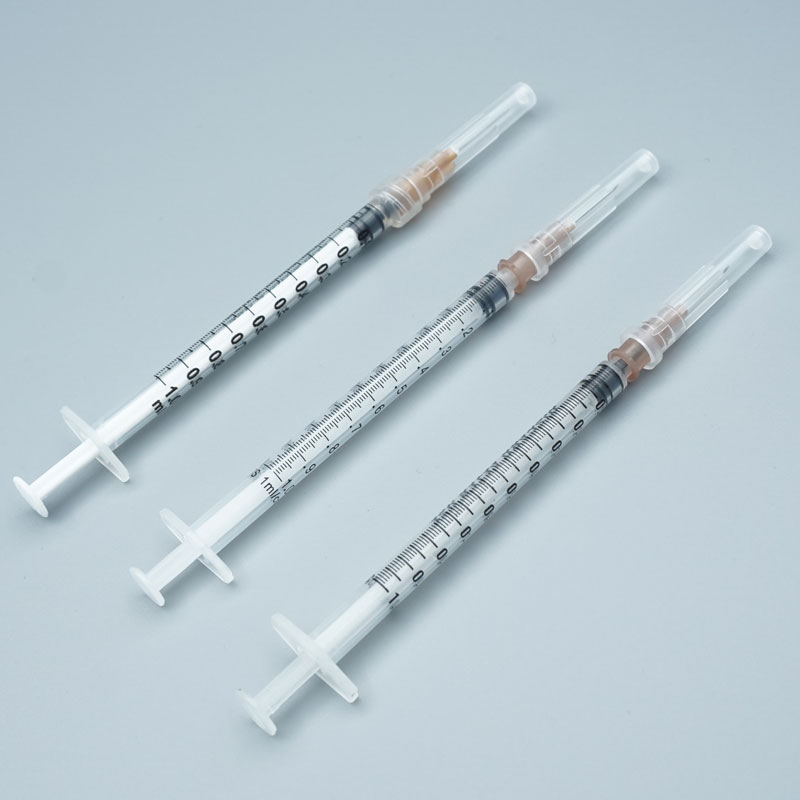
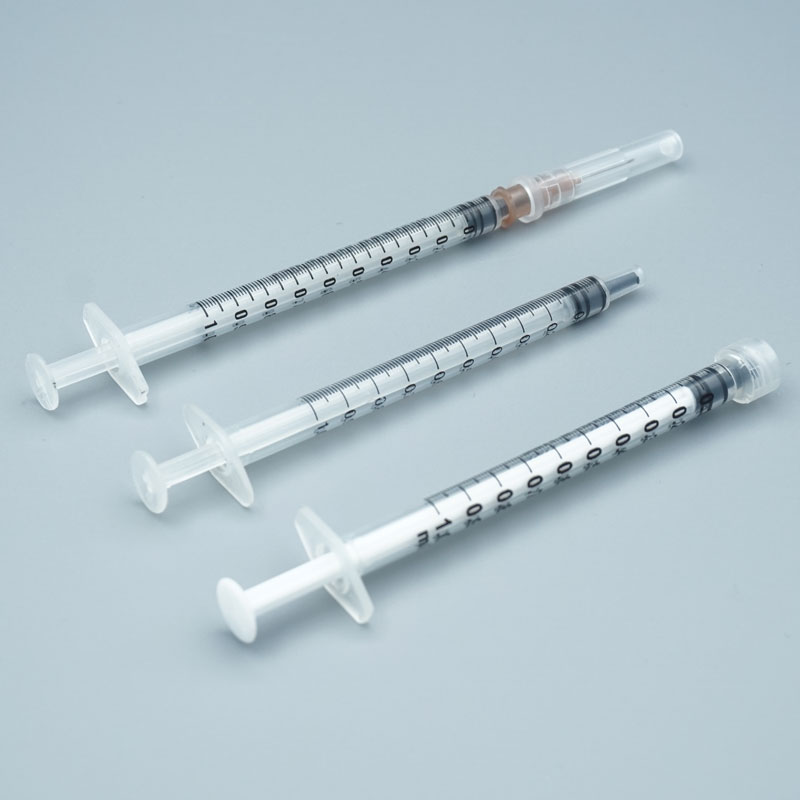
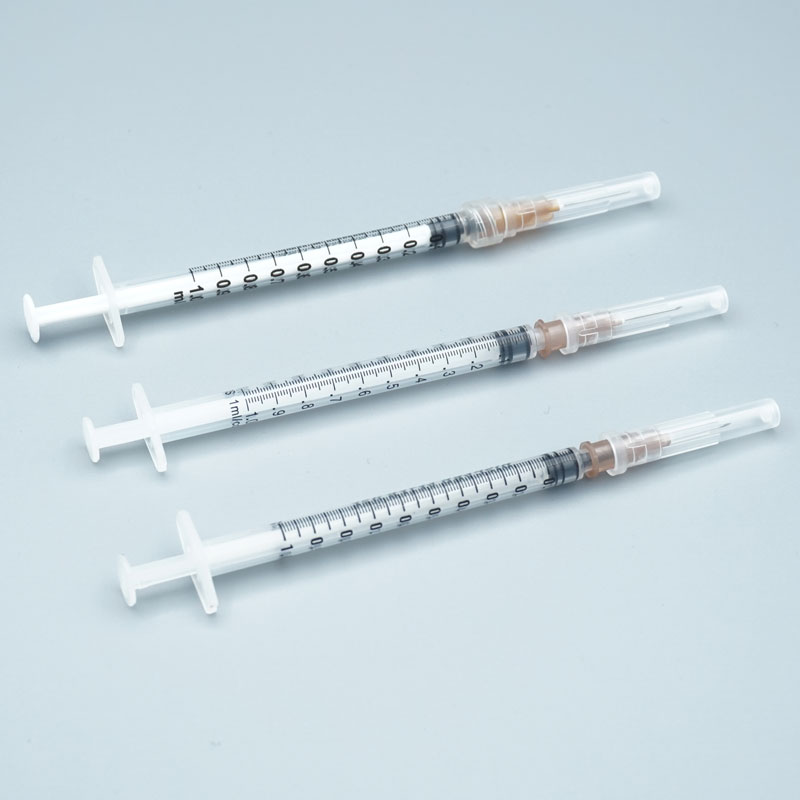
4. The Case for No Needle Syringes in Clinical and Industrial Settings {#no-needle-syringes}
A no needle syringe — a syringe supplied without an attached needle — is not a simplified or incomplete product. It is a deliberate, specification-appropriate choice for a wide range of professional use cases.
Why Supply Without a Needle?
Flexibility of tip attachment: A no needle syringe allows the end user to select the appropriate needle gauge, blunt cannula, or connector for their specific application. This is critical in laboratory and industrial settings where dozens of different tip configurations may be used on the same type of syringe barrel.
Transport and storage safety: Syringes shipped without needles carry significantly lower needlestick injury risk during handling, warehousing, and distribution. This simplifies logistics compliance, particularly for international air freight.
Multi-sector applicability: Not all syringe applications involve needles. Oral medication delivery, wound irrigation, laboratory liquid transfer, cosmetic preparation, and industrial dispensing all use syringes without needles as the primary tool.
Regulatory classification: In many jurisdictions, syringes supplied without needles are classified differently from needle-syringe assemblies, which can simplify import documentation and reduce customs complexity.
The no needle 1ml syringe from Kohope is supplied with the Luer Lock tip capped and sealed within the sterile blister, ready for the end user to attach whichever needle or connector their procedure requires.
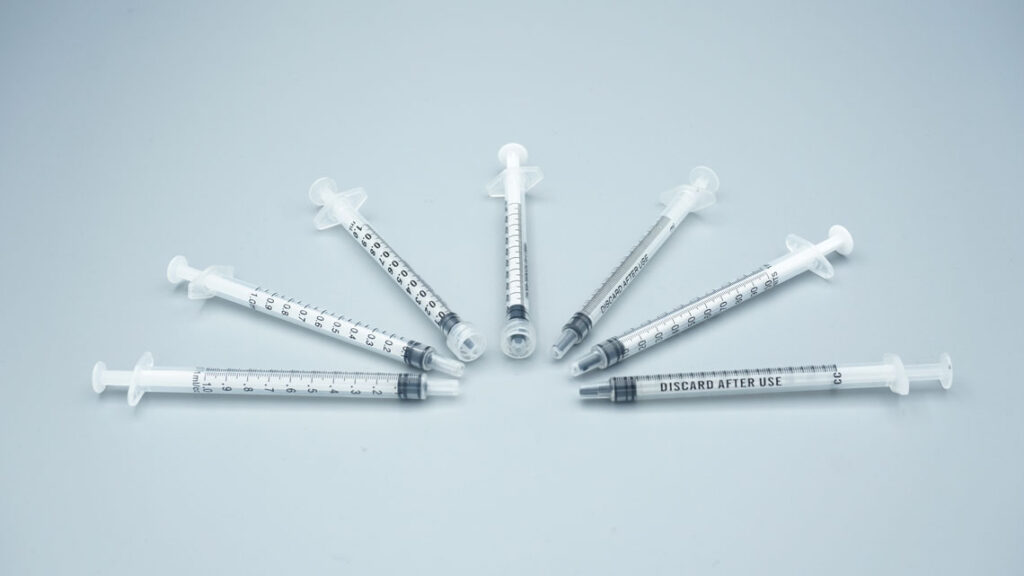
5. Key Specifications Procurement Teams Should Evaluate {#key-specifications}
When issuing a Request for Quotation (RFQ) for 1ml syringes, procurement officers should standardize their specification checklist to ensure like-for-like comparison across suppliers. The following parameters matter:
| Specification | What to Look For |
|---|---|
| Barrel material | Medical-grade polypropylene (PP); USP Class VI or ISO 10993 compliant |
| Barrel clarity | Transparent, allowing unobstructed reading of graduation markings |
| Graduation resolution | 0.01 ml increments minimum for 1ml volume |
| Plunger stopper | Latex-free silicone rubber; smooth glide, no judder |
| Tip type | Luer Lock (threaded collar) for secure connection |
| Needle | None (no needle) or specify gauge if required |
| Sterilization method | EO (ethylene oxide); confirm SAL 10⁻⁶ |
| Packaging | Individual blister wrap; peelable, aseptic presentation |
| Pack configuration | 100 pcs/box standard; custom counts available |
| Shelf life | Minimum 3 years from sterilization date |
| Certifications | CE Mark, ISO 13485, FDA 510(k) if applicable |
Standardizing these specifications in your RFQ prevents suppliers from quoting on inferior configurations and enables accurate landed-cost comparison.
6. Application Scenarios: Medical, Lab, Veterinary, and Beyond {#application-scenarios}
Understanding where 1ml syringes are used helps procurement teams anticipate demand patterns, build appropriate safety stock levels, and communicate specifications accurately to their supplier.
Clinical and Hospital Use
In hospital settings, the 1ml syringe is the instrument of choice for:
- Intradermal injections (allergy testing, tuberculin skin tests)
- Subcutaneous injections (insulin, heparin, low-molecular-weight anticoagulants)
- Vaccine administration (pediatric immunization schedules typically specify 1ml volumes)
- IV catheter flushing with saline or heparin lock solution
- Precise drug dilution in pharmacy compounding
Research and Laboratory
In research environments, the 1ml syringe handles:
- Cell culture feeding — adding precisely measured nutrients or growth factors
- Reagent dispensing — transferring small volumes between containers without pipette contamination
- HPLC and GC sample injection — using specialized needle attachments
- Microbiological inoculation — inoculating agar plates or broth cultures
Veterinary Medicine
Small-animal veterinary practice depends heavily on 1ml syringes for:
- Medication administration to cats, rabbits, and small dogs
- Subcutaneous fluid therapy in dehydrated small animals
- Vaccine delivery in controlled dosing schedules
Industrial and Aesthetic Applications
Beyond the clinical world, no needle syringes in the 1ml size are used for:
- Precision adhesive and resin dispensing in electronics assembly
- Colorant and dye injection in textile and material testing
- Dermal filler preparation and transfer in aesthetic medicine clinics
- Essential oil and fragrance blending in cosmetic manufacturing
The breadth of these applications explains why the 1ml syringe product line spans such a wide range of buyers and procurement contexts.
7. How to Source 1ml Syringes Factory-Direct from China {#sourcing-factory-direct}
China is the world’s dominant supplier of disposable medical syringes, accounting for the majority of global production volume. Understanding how to navigate factory-direct procurement is a significant supply chain advantage for European and North American distributors and healthcare operators.
The Factory-Direct Advantage
Buying from a manufacturer rather than a trading company or regional distributor typically delivers:
- 15–30% lower unit cost due to elimination of intermediary margin
- Direct access to production scheduling, enabling better lead time management
- OEM/ODM capability — your specifications, your branding
- First-hand quality documentation — batch records, sterility test reports, factory audit results
- Faster issue resolution — direct communication with the production team
What to Verify Before Placing a First Order
Due diligence on a Chinese syringe manufacturer should cover:
- ISO 13485 certification — the medical device quality management standard; request the current certificate and verify its validity
- CE Mark documentation — for EU market entry, the Declaration of Conformity and Notified Body details
- Factory audit history — SGS, Bureau Veritas, or TÜV audit reports from the past 12–24 months
- Sample evaluation — always request pre-production samples before committing to a full order
- Production capacity — confirm the factory can meet your volume requirements within your required lead time
- Payment terms and Incoterms — FOB Shanghai is standard for Chinese medical device suppliers; CIF is available for smaller buyers
Kohope Medical operates from ISO 13485-certified facilities in Shanghai and has supplied medical disposables to clients across Europe, North America, and the Middle East for over 15 years. Our 1ml disposable sterile syringe carries CE certification and is available with full regulatory documentation.
8. Certifications and Compliance: What Buyers Must Verify {#certifications}
Regulatory compliance is not a checkbox — it is an ongoing manufacturing commitment that determines whether your supply chain will survive an audit or a regulatory inspection.
CE Mark (European Union)
CE marking for medical devices in the EU is governed by the Medical Device Regulation (MDR 2017/745). For Class I non-sterile devices like standard syringes, manufacturers self-certify. For sterile variants, Class Is (sterile) classification requires involvement of a Notified Body. Buyers should request:
- The full Declaration of Conformity
- Notified Body identification number (for sterile devices)
- Technical file reference number
FDA 510(k) / Registration (United States)
For US market entry, syringe manufacturers should either hold a 510(k) clearance for their specific device or be registered as a foreign medical device manufacturer with FDA. Buyers selling into US healthcare channels should verify FDA establishment registration.
ISO 13485
This is the quality management system standard specific to medical devices. ISO 13485 certification confirms that the manufacturer’s design, production, and post-market surveillance processes meet the standard’s requirements. It is the foundational certification buyers should require from any medical device supplier.
Additional Certifications Buyers May Request
- SGS or Bureau Veritas product testing reports — independent third-party validation of material safety and performance
- Latex-free declaration — important for healthcare settings with latex allergy protocols
- EO residual testing reports — confirming safe post-sterilization EO levels
9. OEM and Private Label: Building Your Own Brand {#oem-private-label}
For distributors and healthcare brands seeking to differentiate in the market, OEM (Original Equipment Manufacturer) and private-label programs offer a direct path to brand ownership without manufacturing investment.
A factory like Kohope supports the full OEM workflow:
Barrel customization: Logo printing directly on the polypropylene barrel via pad printing or laser engraving. Custom color-coded plunger rings for size differentiation.
Packaging design: Full custom outer carton and inner blister card design, including bilingual labeling for EU and US markets, custom barcode and lot number formatting.
Documentation support: Customized IFU (Instructions for Use) documents, CE Declaration of Conformity in your brand name, and labeling compliance review for target markets.
Volume flexibility: OEM programs typically start at 50,000–100,000 units minimum order quantity, with tiered pricing for larger volumes.
Sample-to-production timeline: Standard OEM projects run 45–60 days from sample approval to first production delivery.
For buyers evaluating a private-label 1ml syringe program, starting with our standard 1ml Luer Lock no needle syringe as a base specification and then customizing packaging is the fastest path to market.

10. Frequently Asked Questions {#faq}
Q: What is the difference between a 1ml syringe and a tuberculin syringe? A: “Tuberculin syringe” is a legacy term for a 1ml syringe calibrated in 0.01ml increments, historically used for tuberculin skin tests. Today the terms are largely interchangeable, though “tuberculin syringe” sometimes implies a specific graduation style. Both refer to a 1ml volume barrel.
Q: Can a 1ml Luer Lock syringe be used without a needle? A: Yes. The Luer Lock tip can be capped or connected to blunt cannulas, tubing, stopcocks, or other Luer Lock accessories. No-needle use is common in oral medication delivery, lab liquid transfer, and industrial dispensing.
Q: What is the standard shelf life for an EO-sterilized 1ml syringe? A: Most manufacturers, including Kohope, offer a minimum 3-year shelf life from the date of sterilization, provided the packaging integrity is maintained. Some product lines carry 5-year shelf life depending on packaging and storage conditions.
Q: What MOQ is typical for factory-direct orders of 1ml syringes? A: Standard orders typically start at 10,000–50,000 units for stock items. OEM and custom packaging orders typically require 50,000–100,000 units minimum. Contact Kohope directly to discuss your specific volume requirements.
Q: Are your 1ml syringes latex-free? A: Yes. Kohope’s 1ml syringe barrel is medical-grade polypropylene and the plunger stopper is latex-free silicone rubber. A latex-free declaration is available on request.
Q: How do I request samples before placing a bulk order? A: Contact our sales team at sales@kohope.com or via the inquiry form on our product page. Sample orders of our 1ml disposable sterile syringe are welcomed before any bulk commitment.

Summary: Why the 1ml Syringe Remains Indispensable
Across clinical, laboratory, veterinary, and industrial sectors, the 1ml syringe is one of the most consistently demanded items in the medical disposables supply chain. Its precision, versatility, and compatibility with the universal Luer Lock standard make it a foundational tool that procurement teams source repeatedly, in volume, year over year.
For buyers evaluating supply chain options, the combination of disposable sterile syringe compliance, Luer Lock reliability, and no needle configuration flexibility represents the optimal specification for the widest range of professional applications.
Explore Kohope’s full 1ml syringe product range or view the featured 100-pack individually wrapped product directly:
👉 1ml Luer Lock Disposable Sterile Syringe – No Needle, 100 Pack | Kohope Medical
Kohope Medical Devices Co., Ltd. | Room 1001, Building B, No. 2888 South Qilianshan Road, Shanghai 200331, China Email: sales@kohope.com | Phone: +86-21-6083-6338 © 2026 Kohope Medical. All rights reserved.