
The United States is the world’s largest market for medical supplies, representing a highly regulated and competitive healthcare ecosystem. Every year, billions of dollars’ worth of disposable and reusable medical products are purchased by hospitals, clinics, ambulatory surgery centers, long-term care facilities, and government healthcare agencies.
Whether you are a healthcare procurement professional, a distributor seeking new product opportunities, or an overseas manufacturer planning to enter the U.S. market, understanding the major product categories, regulatory requirements, and procurement channels is essential.
This guide provides an overview of the U.S. medical supplies market, key product segments, FDA regulations, sourcing strategies, and emerging industry trends.

1. U.S. Medical Supplies Market Overview
The U.S. medical supplies and consumables market exceeds $200 billion annually and continues to grow due to population aging, increasing healthcare utilization, and expanding outpatient care services.
Key Market Facts
| Market Indicator | Overview |
|---|---|
| Annual Market Size | Over $200 Billion |
| Hospitals & Health Systems | More than 6,000 |
| Major GPO Influence | Controls majority of hospital purchasing |
| Imported Medical Consumables | Approximately 35% of market demand |
Three major forces shape the U.S. medical supplies market:
- Strict FDA regulatory oversight
- Consolidated purchasing through GPOs
- Supply chain diversification following COVID-19 disruptions
For international manufacturers, regulatory compliance is often a greater barrier to entry than pricing.
2. Major Medical Supply Categories
Medical supplies are generally divided into multiple product groups. The following categories represent some of the highest-volume consumable products in the U.S. healthcare system.
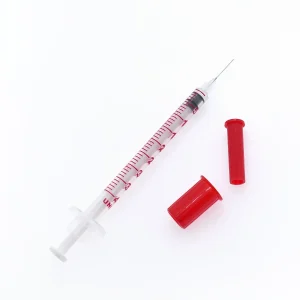
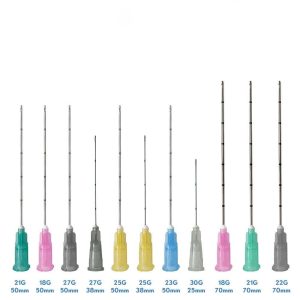
2.1 Disposable Syringes and Needles
Disposable syringes remain among the most widely used medical products in the United States.
Common products include:
- Luer Lock Syringes
- Luer Slip Syringes
- Insulin Syringes
- Safety Syringes
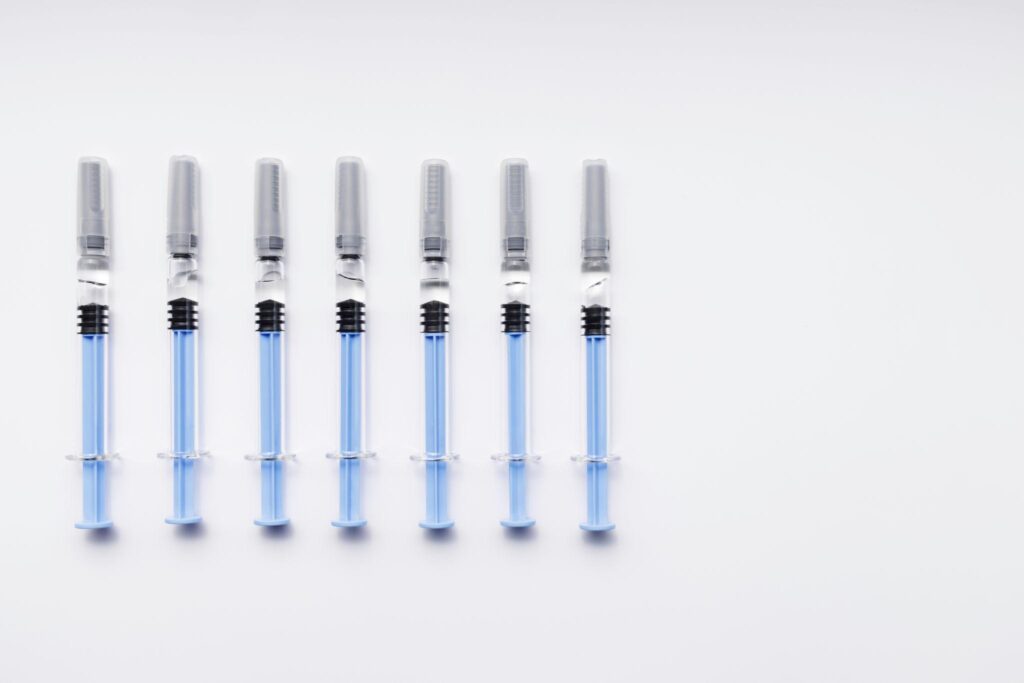
- Prefillable Syringe Systems
Typical FDA Classification: Class II
Primary users include hospitals, clinics, pharmacies, vaccination programs, and home healthcare providers.
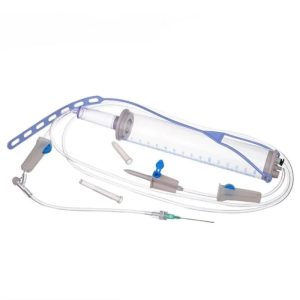
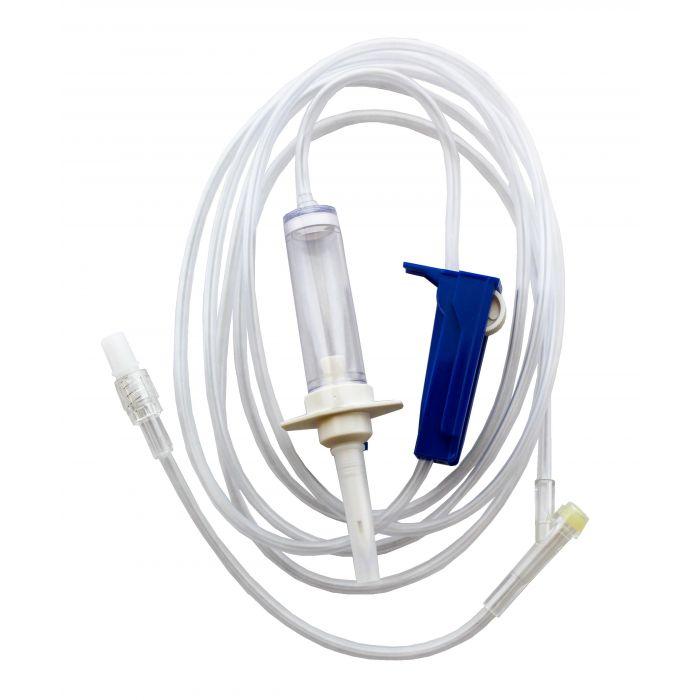
2.2 IV Administration Sets and Accessories
This category includes:
- IV Tubing
- Extension Sets
- Drip Chambers
- Stopcocks
- Needleless Connectors
Demand is driven by:
- Acute care hospitals
- Outpatient infusion centers
- Home infusion therapy providers
Typical FDA Classification: Class II
2.3 Wound Care Products
Products include:
- Gauze Pads
- Adhesive Dressings
- Foam Dressings
- Hydrocolloid Dressings
- Transparent Films
Key customer segments:
- Hospitals
- Long-Term Care Facilities
- Home Health Providers
Typical FDA Classification: Class I
2.4 Examination and Surgical Gloves
Common glove categories include:
- Nitrile Gloves
- Latex Gloves
- Vinyl Gloves
- Sterile Surgical Gloves
Powdered medical gloves are no longer permitted in the U.S. healthcare market.
Typical FDA Classification: Class I

2.5 Catheters and Drainage Products
Major products include:
- Foley Catheters
- Intermittent Catheters
- Feeding Tubes
- Drainage Bags
Advanced anti-infection catheter technologies continue to drive market growth.
Typical FDA Classification: Class II
2.6 Personal Protective Equipment (PPE)
Major PPE products include:
- N95 Respirators
- Surgical Masks
- Isolation Gowns
- Face Shields
Demand remains elevated following pandemic-related preparedness initiatives.
Typical FDA Classification: Class II
2.7 Blood Collection Systems
Products include:
- Blood Collection Needles
- Butterfly Needles
- Vacuum Blood Collection Tubes
- Lancets
Patient safety requirements make this one of the most heavily regulated consumable categories.
Typical FDA Classification: Class II

2.8 Sterilization and Infection Control Products
Products include:
- Sterilization Pouches
- Biological Indicators
- Chemical Indicators
- Sterilization Wraps
- Surface Disinfectants
Demand is driven by hospitals, surgery centers, dental clinics, and laboratories.
2.9 Surgical Drapes and Procedure Packs
Custom surgical packs help hospitals reduce preparation time and standardize procedures.
Key users include:
- Operating Rooms
- Ambulatory Surgery Centers
- Specialty Surgical Facilities
Typical FDA Classification: Class I
3. FDA Regulatory Requirements
Every medical device sold in the United States is regulated by the U.S. Food and Drug Administration (FDA).
FDA Device Classification System
| Class | Risk Level | Regulatory Requirement | Examples |
| Class I | Low Risk | General Controls | Gloves, Bandages |
| Class II | Moderate Risk | 510(k) Clearance | Syringes, IV Sets, Catheters |
| Class III | High Risk | Premarket Approval (PMA) | Implantable Devices |
Understanding FDA 510(k) Clearance
Most disposable medical products are classified as Class II devices.
Manufacturers must demonstrate substantial equivalence to an existing legally marketed product before receiving clearance.
Typical review timeline:
- Standard Submission: 3–6 Months
- Complex Submission: Longer
A separate evaluation may be required for significant product design changes.
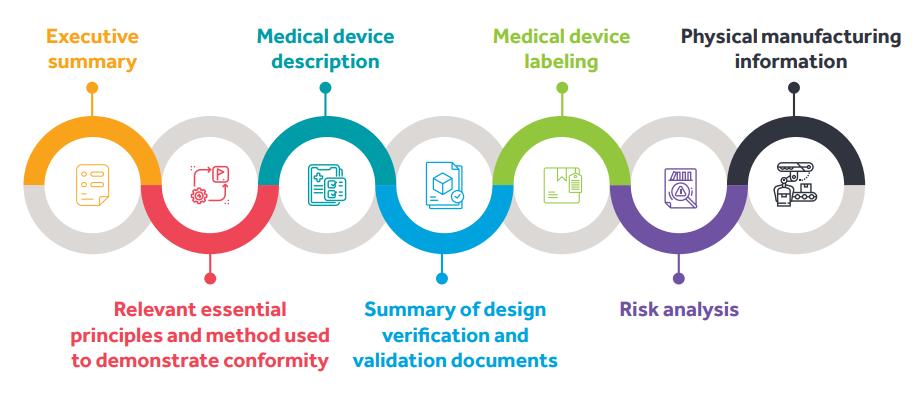
Essential Labeling Requirements
Medical supplies sold in the U.S. generally require:
- English-language labeling
- Manufacturer name and address
- Product identification information
- Lot or batch numbers
- Expiration dates (for sterile products)
- UDI (Unique Device Identifier)
- Sterility information
- Single-use warnings where applicable
Many institutional buyers additionally require:
- ISO 13485 Certification
- Sterilization Validation Documentation
- Product Testing Reports

4. Procurement Channels in the United States
Medical products reach end users through multiple purchasing channels.
Group Purchasing Organizations (GPOs)
Major GPOs negotiate purchasing contracts on behalf of healthcare systems.
Benefits include:
- Standardized pricing
- National contract coverage
- High-volume purchasing power
National Distributors
Major distributors include:
- Medline
- Cardinal Health
- Owens & Minor
These companies provide nationwide logistics and inventory support.
Regional and Specialty Distributors
These distributors often focus on:
- Dental Markets
- Home Healthcare
- Veterinary Products
- Long-Term Care
They can be valuable entry points for emerging suppliers.
Direct Sales to Healthcare Systems
Large Integrated Delivery Networks (IDNs) occasionally purchase directly from manufacturers.
Advantages:
- Higher margins
- Stronger customer relationships
Challenges:
- Longer sales cycles
- Greater support requirements
Government Procurement
Federal purchasing opportunities include:
- Veterans Affairs (VA)
- Department of Defense (DoD)
- Strategic National Stockpile Programs
Government contracts can generate substantial and recurring volume.
5. Sourcing Best Practices for Buyers
Supplier Qualification Checklist
Before approving a supplier, buyers should verify:
- FDA Establishment Registration
- Product Listing Status
- 510(k) Clearance Documentation
- ISO 13485 Certification
- Sterilization Validation Reports
- Product Testing Reports
- Product Liability Insurance
- UDI Compliance
- English-Language Labeling
Factors Affecting Pricing
Several factors influence product pricing beyond manufacturing cost.
Safety Features
Safety syringes and needle-protection technologies often command premium pricing.
Material Compliance
Latex-free and DEHP-free products remain highly preferred.
Manufacturing Location
Domestic and nearshore manufacturing continue to gain preference due to supply chain security concerns.
Contract Status
Products listed on major GPO contracts often achieve greater market penetration.
6. Market Trends Shaping Future Demand
Supply Chain Localization
Healthcare systems increasingly seek multiple supply sources and regional manufacturing options.
Growth of Outpatient Care
Ambulatory Surgery Centers (ASCs) and urgent care clinics continue to expand their purchasing influence.
Sustainability Initiatives
Healthcare providers are increasingly evaluating:
- Packaging waste reduction
- Recyclable materials
- Environmental impact reporting
AI-Driven Inventory Management
Advanced forecasting systems are improving purchasing efficiency and reducing excess inventory.
Specialty Drug Delivery Growth
Growth in biologics and specialty pharmaceuticals is increasing demand for:
- Prefilled Syringes
- Closed System Transfer Devices
- Temperature-Controlled Packaging

7. Key Takeaways
The U.S. medical supplies market offers significant opportunities for manufacturers, distributors, and healthcare suppliers.
Key success factors include:
- Maintaining full FDA compliance
- Understanding GPO-driven purchasing structures
- Building resilient supply chains
- Offering competitive quality and service, not just low pricing
- Supporting digital procurement requirements
- Demonstrating reliable delivery performance
For suppliers entering the U.S. market, regulatory readiness, distribution strategy, and long-term customer support are often more important than product price alone.