If you work in a hospital, clinic, home care setting, or even just want to understand the medical supplies your family relies on, single-use syringes and IV sets are two of the most common — yet most misunderstood — pieces of equipment in modern healthcare. This guide breaks down what they are, the standards that keep them safe, and how to manage them properly, in plain language that even a complete beginner can follow.
Why “Single-Use” Matters
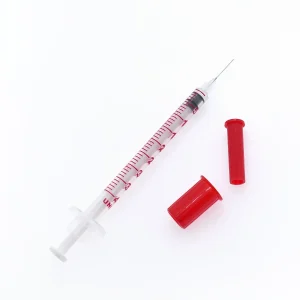
A single-use syringe (also called a disposable syringe) is designed to be used once, on one patient, then thrown away. This might sound obvious, but the consequences of ignoring it are serious. According to the World Health Organization, unsafe injection practices cause an estimated 1.3 million deaths annually worldwide, largely due to the transmission of bloodborne diseases like hepatitis B, hepatitis C, and HIV through reused needles and syringes. That single statistic explains why global health authorities have pushed so hard for strict single-use syringe standards and better IV set management protocols over the past two decades.
Single-use devices remove the risk of cross-contamination between patients because there is no cleaning, no sterilizing, and no reusing involved — the device goes from sterile package to patient to sharps disposal bin in one continuous, controlled process.
Understanding Single-Use Syringe Standards
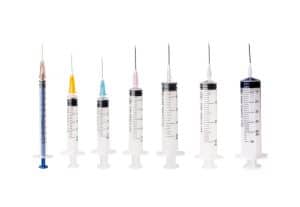
Not all syringes are created equal, and that’s exactly why international standards exist. These standards define everything from the plastic material used to how much force is needed to push the plunger.
Key Standards to Know
- ISO 7886-1 – This is the primary international standard for sterile hypodermic syringes for single use. It specifies dimensional requirements, plunger movement, leakage limits, and dead space (the tiny amount of liquid left in the syringe after the plunger is fully pushed).
- ISO 23908 – Covers “sharps injury protection” features, such as retractable needles or safety shields that reduce accidental needlestick injuries among healthcare workers.
- WHO Prequalification – Many countries require syringes to meet WHO prequalification criteria before they can be purchased for public health programs, particularly for immunization campaigns.
- Auto-Disable (AD) Syringe Standards – Increasingly common in vaccination programs, these syringes lock permanently after a single use, making reuse physically impossible. UNICEF alone procures hundreds of millions of AD syringes each year for global immunization efforts.
What These Standards Actually Check
- Material safety: Medical-grade polypropylene or polyethylene that won’t leach chemicals into medication.
- Sterility: Devices must pass ethylene oxide (EO) gas sterilization or gamma irradiation testing, with validated sterility assurance levels (SAL) of 10⁻⁶ — meaning less than one in a million units carries viable microorganisms.
- Accuracy: Dosing accuracy within a tight tolerance (often ±5%), which matters enormously for pediatric and insulin dosing.
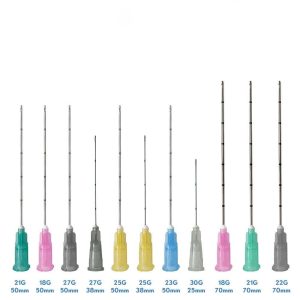
- Needle sharpness and bonding strength: The needle must stay firmly attached even under pressure, preventing detachment during injection.
Choosing suppliers who manufacture in line with these single-use syringe standards isn’t just a compliance checkbox — it directly protects both patients and staff. Facilities sourcing from compliant producers can request certificates of conformity (CE marking, ISO 13485 certification) as proof before purchasing in bulk.
What Is an IV Set?
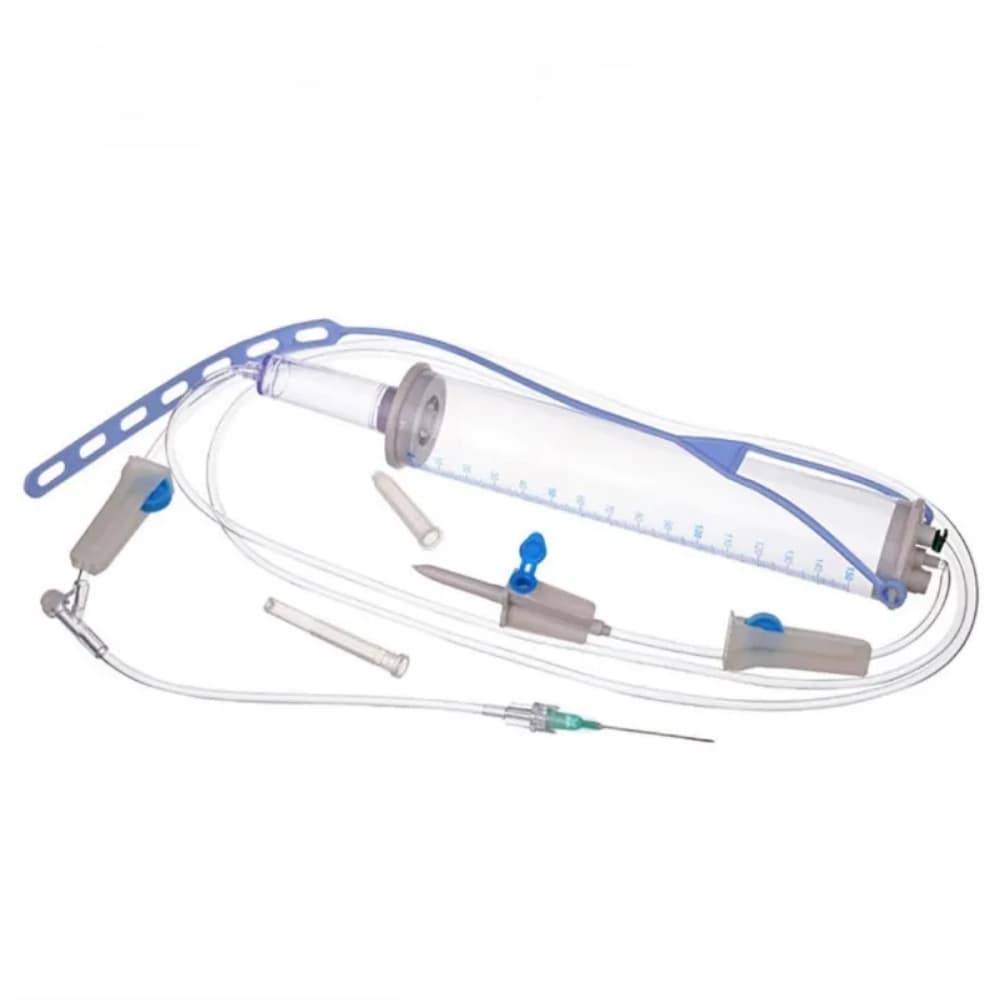
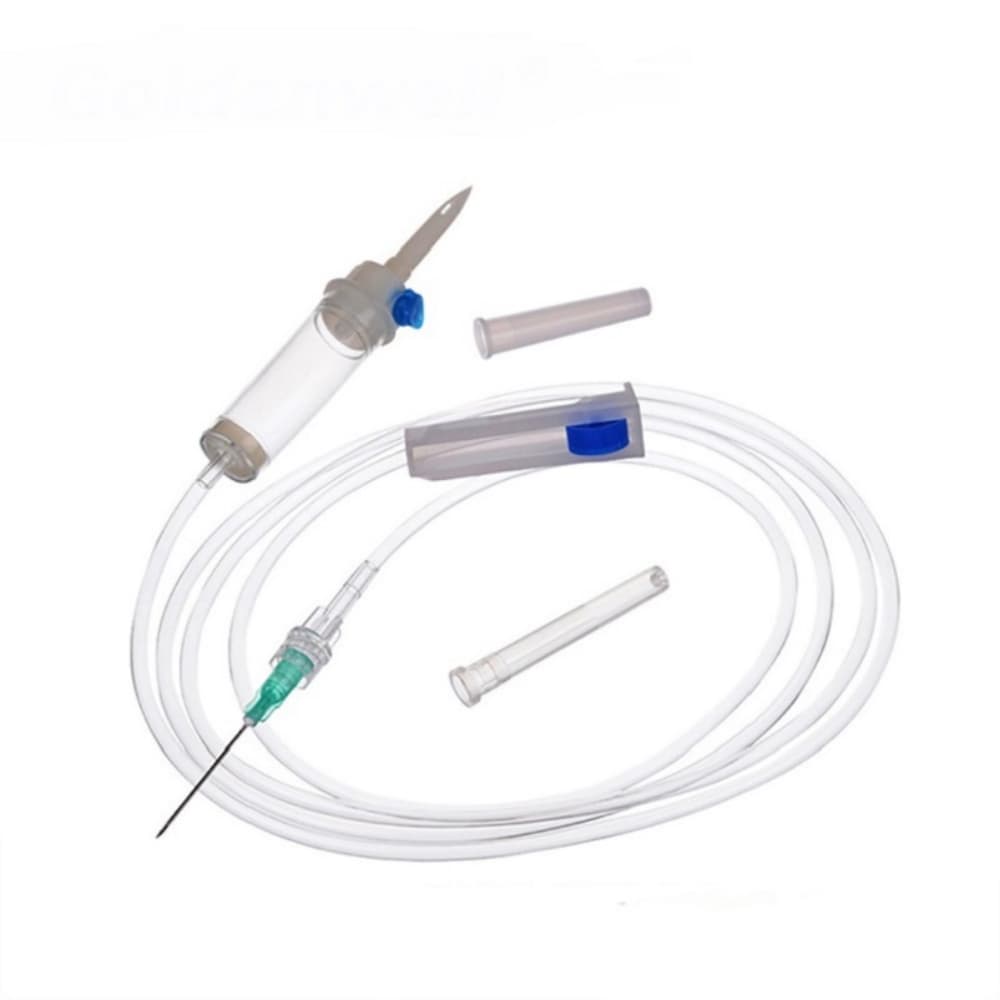
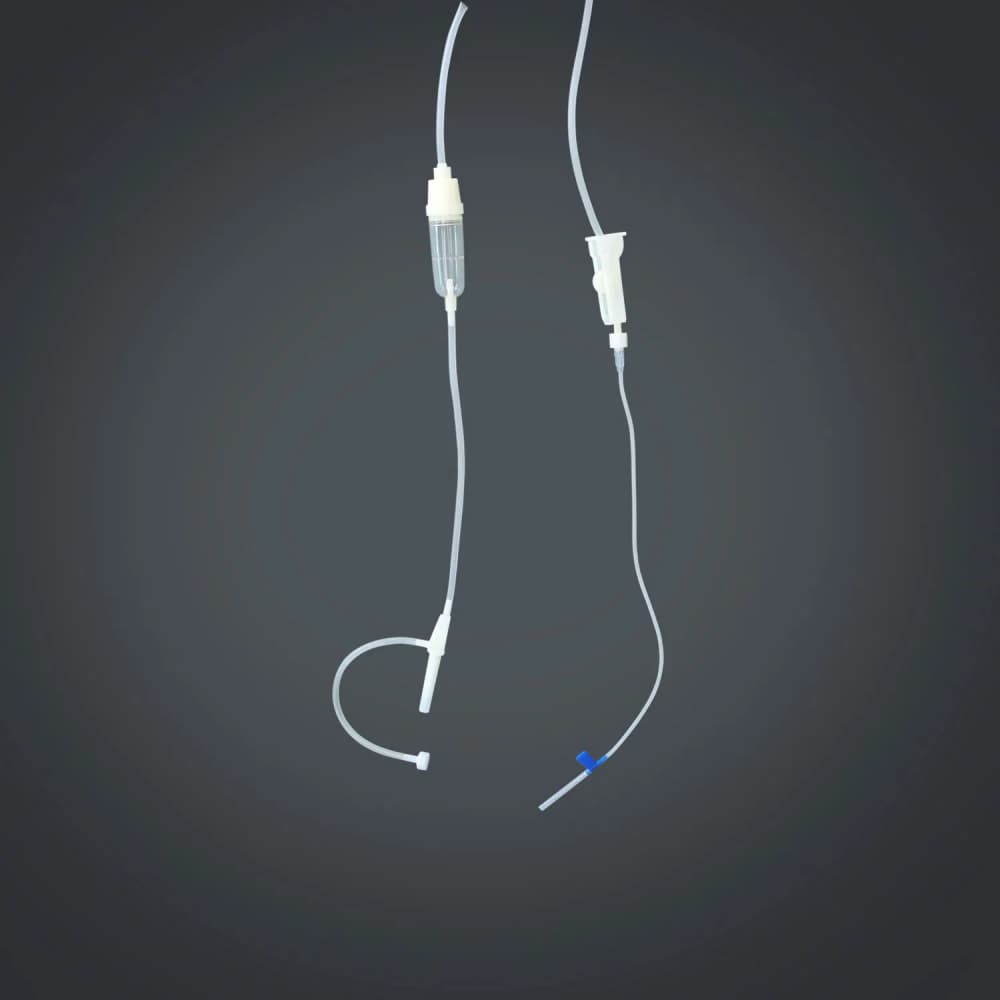
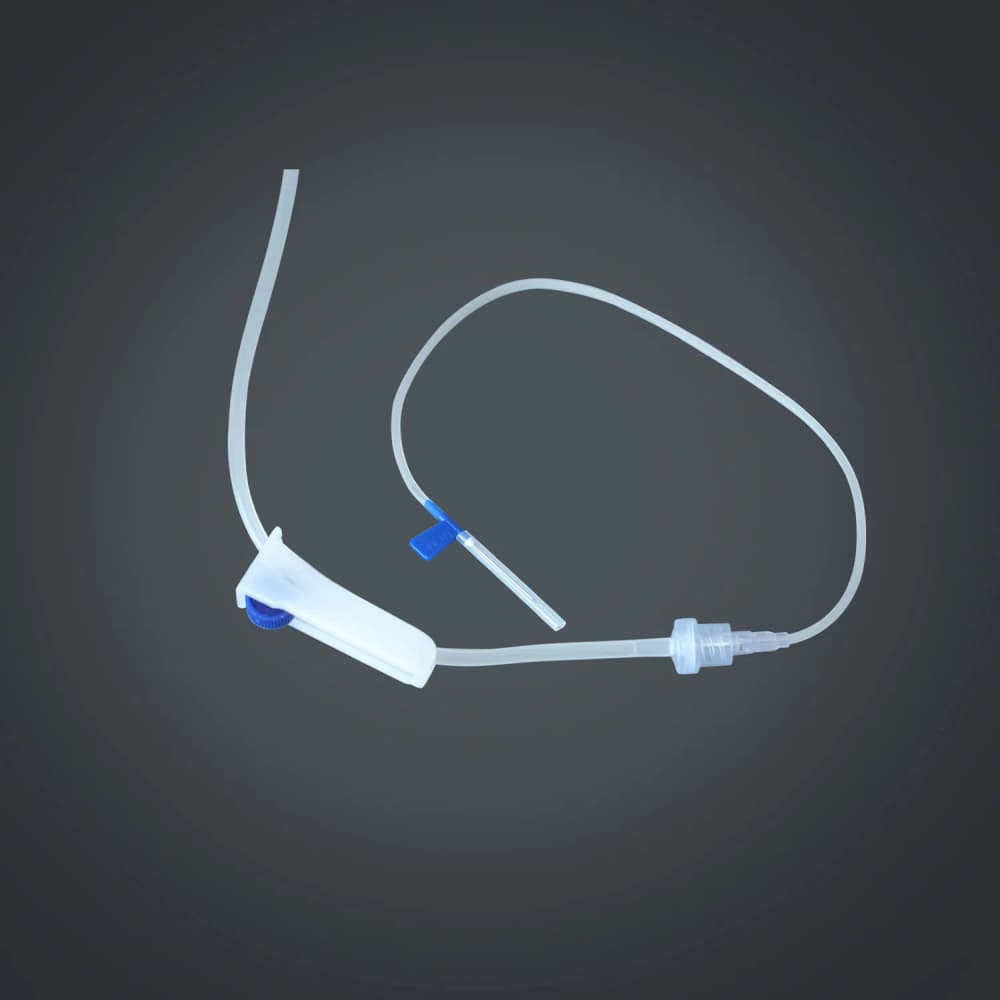
An intravenous (IV) administration set is the tubing system that connects a fluid bag or medication container to a patient’s IV catheter. It typically includes:
- A spike that punctures the fluid bag
- A drip chamber that lets staff count drops per minute to control flow rate
- Tubing with a roller clamp for manual flow adjustment
- A connector (Luer lock) that attaches to the patient’s cannula
- Sometimes an inline filter to catch particulates or air bubbles
IV sets are almost always single-use as well, since they carry fluids and medications directly into the bloodstream — a pathway with zero tolerance for contamination.
The Fundamentals of IV Set Management
Good IV set management is about far more than opening a package. It spans procurement, storage, handling during use, and disposal. Here’s how each stage works.
1. Procurement and Storage
- Store IV sets in a clean, dry area away from direct sunlight and extreme temperatures (most manufacturers recommend 15–30°C).
- Check expiration dates on every box — sterility is time-limited, typically 3–5 years from manufacture depending on sterilization method.
- Rotate stock using a first-expired, first-out (FEFO) system rather than simple first-in, first-out, since not all batches expire at the same rate.
2. Pre-Use Inspection
Before connecting any IV set, staff should check:
- The packaging is intact and undamaged (a torn wrapper likely means compromised sterility)
- No visible cracks, discoloration, or particles in the tubing
- The expiration date has not passed
3. Proper Setup
- Use aseptic (no-touch) technique when spiking the fluid bag and priming the tubing to remove air bubbles.
- Label the tubing with the date and time it was opened — most infection control guidelines (including CDC recommendations) call for replacing primary IV administration sets every 96 hours, and sets used for blood, blood products, or lipid emulsions every 24 hours, since these fluids support faster microbial growth.
- Never reconnect or reuse a set that has been disconnected from its original sterile bag.
4. Monitoring During Use
- Watch the drip chamber and flow rate regularly, especially for gravity-fed sets without an electronic pump.
- Check the insertion site for redness, swelling, or leakage, which could indicate infiltration or infection.
- Keep connections secure to prevent air embolism or line disconnection.
5. Safe Disposal
- Both used syringes and IV sets are considered biohazardous or “sharps” waste (for syringes) or general medical waste (for tubing without needles).
- Sharps must go into puncture-resistant, color-coded containers — never into regular trash.
- Follow local regulations for medical waste transport and incineration, as improper disposal contributes significantly to environmental contamination and community needlestick injuries, particularly in areas without formal waste collection.
Common Mistakes to Avoid
- Reusing “just this once”: Even a single reuse dramatically increases infection risk — there is no safe threshold.
- Ignoring dead space: Standard syringes can retain up to 0.07–0.09 mL of fluid after injection; low-dead-space (LDS) syringes reduce this and are now recommended by the CDC to lower disease transmission risk in settings like harm-reduction programs.
- Overextending IV set use: Leaving a set connected beyond the recommended replacement window is one of the most common — and preventable — causes of catheter-related bloodstream infections.
- Skipping documentation: Without a clear log of when a set was opened and installed, staff can’t reliably track when it’s due for replacement.
Building a Reliable Supply Chain
Because single-use syringes and IV sets are consumed in enormous volumes — a mid-sized hospital can use tens of thousands of syringes per month — reliable sourcing matters just as much as clinical technique. Look for suppliers who:
- Provide full traceability (lot numbers, sterilization method, expiry dates)
- Hold current ISO 13485 and CE or FDA certifications
- Offer consistent stock levels to avoid emergency substitutions with unfamiliar products
- Can supply both standard and safety-engineered (needlestick-protection) syringe options
Final Thoughts
Single-use syringes and IV sets may seem like simple, everyday items, but they sit at the intersection of manufacturing standards, infection control, and daily clinical discipline. Understanding the core single-use syringe standards — sterility, accuracy, and safety design — combined with disciplined IV set management practices, from storage through disposal, is what actually keeps patients and healthcare workers safe. Whether you’re a new nurse, a procurement officer, or simply a curious patient, knowing these basics helps you appreciate why “single-use” is never just a suggestion — it’s a safety rule with real, measurable consequences.