Needlestick injuries are one of the oldest and most stubborn safety problems in healthcare. Despite decades of engineering progress, occupational health research shows that needlestick injury rates among healthcare workers still sit in a troubling range — some large-scale reviews covering over 500,000 healthcare workers across two decades put overall lifetime incidence at roughly 43%. For hospital administrators, infection-control officers, and compliance teams, needlestick injury prevention is no longer a “nice to have” — it’s a regulatory obligation and a direct driver of cost, staff safety, and patient trust.
This guide walks through the scale of the problem, the regulatory landscape, the safety devices that actually move the needle on injury rates, and a practical framework for building a compliant prevention program.
The Scope of the Problem, in Numbers
- Globally, more than 35 million healthcare workers are estimated to face a percutaneous injury risk from contaminated sharps every year.
- In one large German university hospital study, needlestick injury rates fell from about 69 incidents per 1,000 full-time staff before safety devices were introduced to roughly 52 per 1,000 afterward — a 21.9% overall reduction, with some procedures like blood draws and IV catheter placement seeing reductions of nearly 50%.
- Underreporting is a major hidden issue: some studies estimate that as many as 75% of needlestick injuries go unreported, meaning official statistics likely understate the true burden.
- A recurring finding across multiple hospital audits is that around half of all needlestick injuries were preventable through the use of safety-engineered devices, while only about 15% could have been prevented through organizational or procedural changes alone — meaning device design does more heavy lifting than policy alone.
- Even when safety-engineered devices are present, a meaningful share of injuries still occur because the safety mechanism wasn’t activated — one hospital audit found that roughly 94% of injuries involving safety-equipped devices happened because the safety feature had not been properly engaged, pointing to a training gap rather than a design flaw.
Why Compliance Isn’t Optional
In the United States, the Needlestick Safety and Prevention Act (2000) amended the OSHA Bloodborne Pathogens Standard to require that employers:
- Evaluate and adopt safer, engineered sharps-injury-prevention devices as they become available and are appropriate for the procedure.
- Involve frontline, non-managerial employees in identifying and evaluating those devices.
- Maintain a sharps injury log documenting the type and brand of device involved, the location and circumstances of each incident.
- Update their Exposure Control Plan annually to reflect changes in technology and procedure.
Internationally, similar frameworks exist — the EU’s Council Directive 2010/32/EU mandates safer sharps devices across all member states, and device performance is commonly benchmarked against ISO 23908, the international standard for sharps-injury protection features. Facilities operating across regions need to track both the device standard and the local labor-safety regulation, since compliance obligations don’t always overlap perfectly.
Safety Devices That Drive Injury Prevention
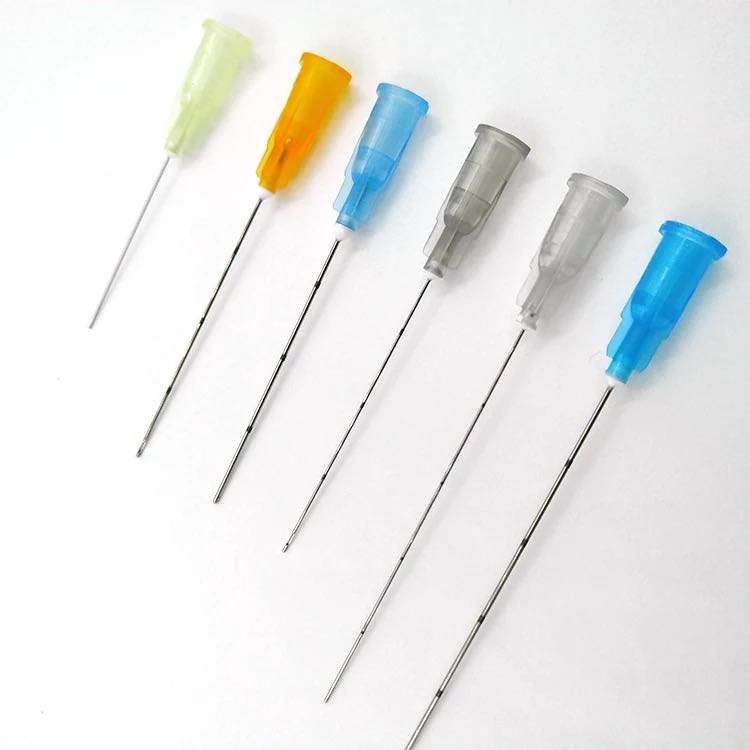
Not all “safety” devices perform equally, and compliance programs should evaluate devices on mechanism type as much as marketing claims.
Passive vs. Active Safety Mechanisms
Passive devices activate the protective feature automatically as part of the normal procedure, without requiring an extra step from the clinician. Active devices require a deliberate action — sliding a shield, pressing a trigger — to engage protection. Because passive designs remove the chance of a skipped step, they consistently show better real-world injury-prevention performance, especially in high-volume or high-stress clinical settings.
Retractable Needle Systems
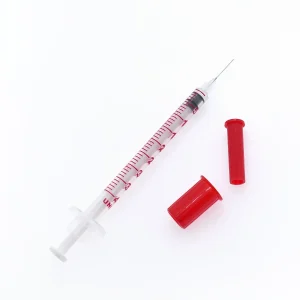
The needle withdraws into the syringe barrel immediately after use, commonly used in vaccination and blood-draw workflows where speed and single-motion simplicity matter.
Shielded and Sheathed Needles
A sliding sleeve locks over the needle after use, giving an audible or tactile “click” that confirms the sharp is secured — a feature increasingly considered a baseline expectation rather than a premium option.
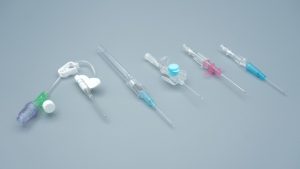
Blunt-Tip Suture Needles and IV Safety Catheters
Beyond syringes, prevention programs also need to address suture needles and IV catheter systems, which account for a substantial share of surgical-department injuries.
Sharps Disposal Systems
Puncture-resistant, closable, and properly placed sharps containers remain a critical layer of protection, since a notable share of injuries occur during disposal rather than during the injection itself.
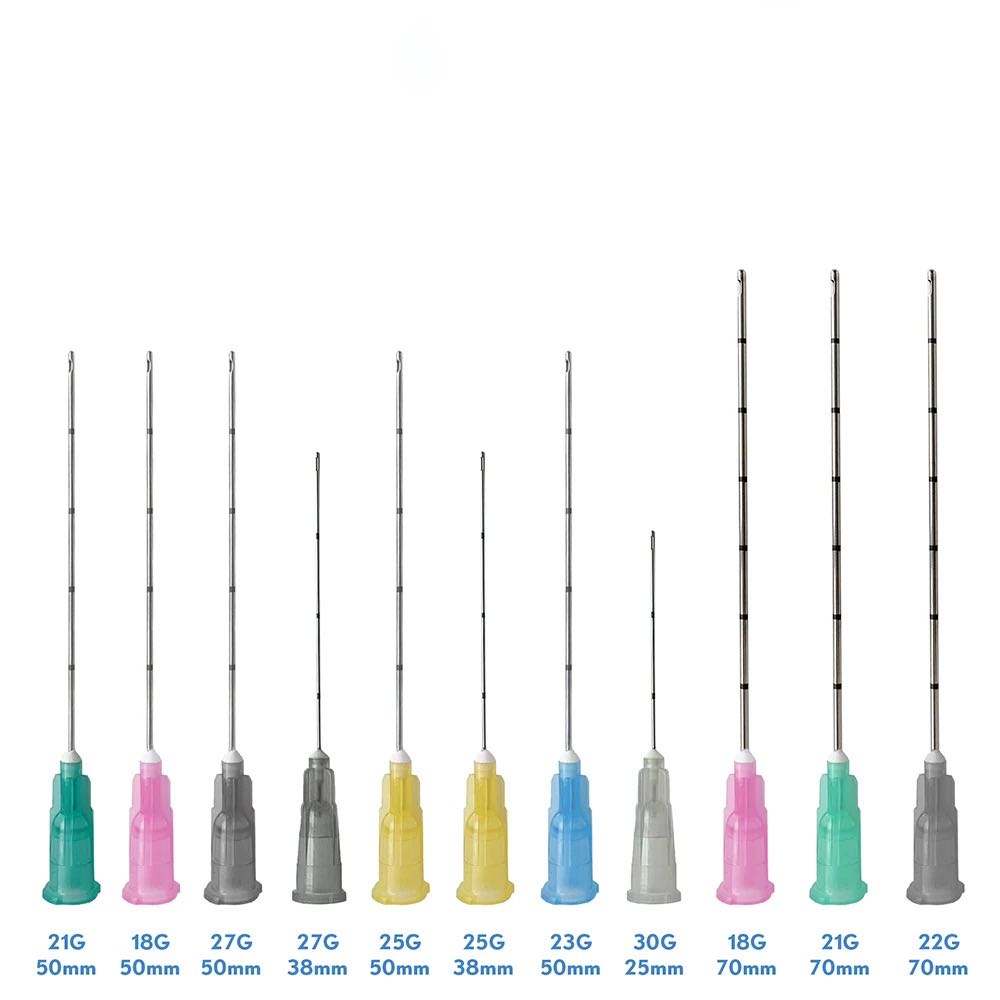
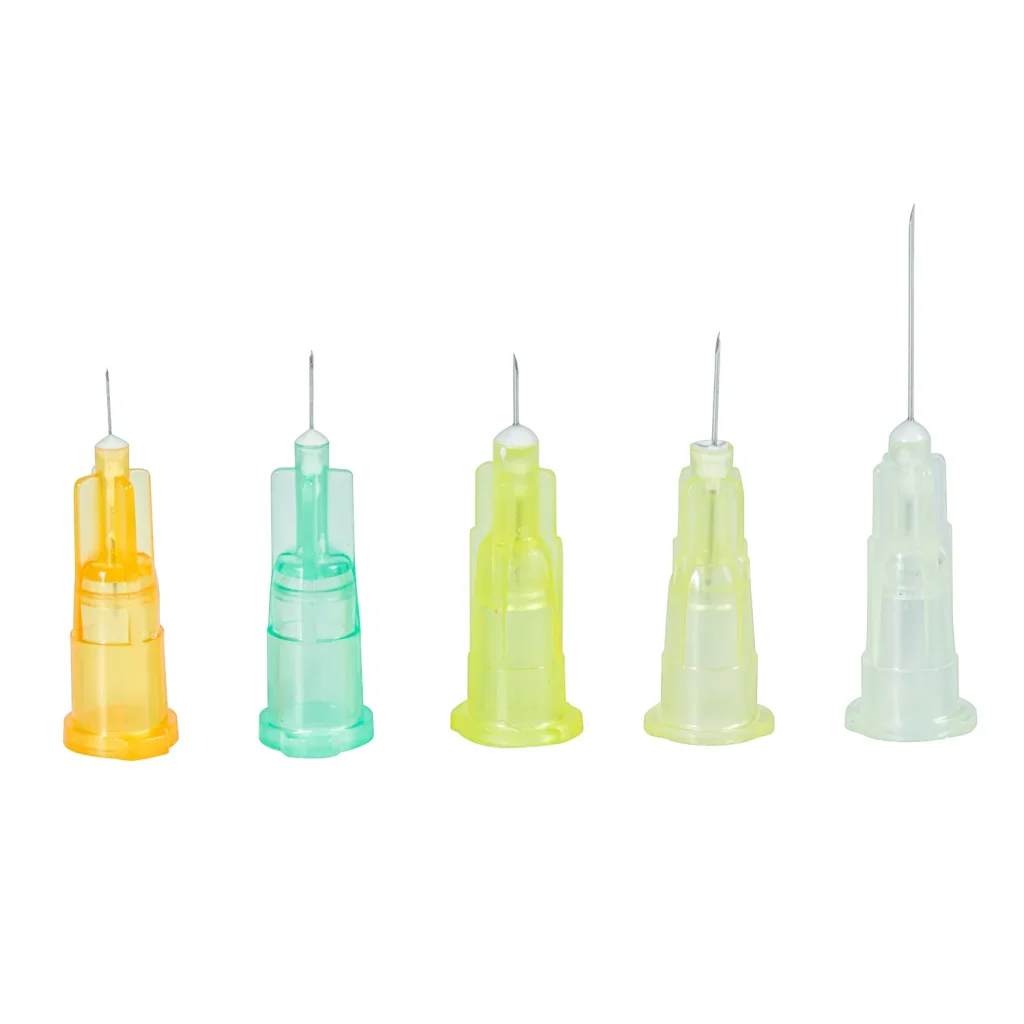
For teams building or updating a facility-wide device standard, it’s worth reviewing a full <a href=”https://kohope.com/needles/”>range of safety needle devices</a> to compare mechanism types, gauge options, and compliance documentation before finalizing procurement.
Building a Compliant Prevention Program
- Conduct an annual device evaluation. Involve frontline staff directly in trialing new safety-engineered devices before facility-wide rollout — this is a specific OSHA requirement, not just best practice.
- Standardize on passive mechanisms where clinically appropriate. They reduce dependency on correct technique under time pressure.
- Invest in hands-on training, not just documentation. Given how often injuries trace back to improperly activated safety features, competency-based training with return demonstration outperforms one-time policy briefings.
- Maintain a detailed sharps injury log. Capture device brand, model, job title, procedure, and circumstances — this data is what makes future device evaluation and OSHA compliance audits defensible.
- Fix underreporting culture. Since underreporting can run as high as 75%, make reporting fast, non-punitive, and clearly linked to post-exposure care.
- Audit disposal practices separately from injection practices. A significant share of injuries happen at the point of disposal, not administration, so container placement and capacity checks deserve their own audit line.
- Review post-exposure protocols regularly. Timely post-exposure prophylaxis and serological follow-up materially affect outcomes after an exposure, so protocols should be rehearsed, not just written down.
Conclusion
Needlestick injury prevention sits at the intersection of engineering, training, and regulatory compliance — and the data is consistent across countries and settings: safety-engineered devices meaningfully cut injury rates, but only when paired with real training and a reporting culture that surfaces problems instead of hiding them. Facilities that treat their annual device evaluation, sharps injury log, and staff training program as connected parts of one system — rather than three separate compliance checkboxes — are the ones that see injury rates fall and stay down.