It was a Tuesday afternoon when Maria, a home healthcare coordinator managing supplies for a small clinic, called her longtime medical supplies vendor, David, with a question that had been bothering her all week.
“David, I need to be honest with you,” she said. “We’ve had three of our new caregivers ask me the same thing this month: they’re not confident they’re using insulin syringes correctly. I want to make sure I’m ordering the right products and that our team actually understands proper insulin syringe usage — not just going through the motions.”
David, who has spent over a decade sourcing and explaining medical injection devices to clinics, distributors, and individual buyers, settled in for what he knew would be a valuable conversation.
“That’s one of the most important questions anyone can ask,” he said. “Let’s walk through it properly — from choosing the syringe to disposing of it. Think of this as building a habit, not memorizing a rule.”
Why Insulin Syringe Usage Deserves This Much Attention
“Before we get into the how,” David began, “let’s talk about the why. A lot of people assume a syringe is a syringe. But insulin syringes are engineered specifically for one job: delivering small, precise doses of insulin into subcutaneous tissue.”
Maria nodded. “That precision part is what worries me. A regular syringe measures in milliliters. Insulin syringes measure in units. If someone confuses the two—”
“—exactly the risk,” David interjected. “Think of it like the difference between a kitchen tablespoon and a chemist’s precision scale. Both measure quantity, but only one is built for the tolerance you actually need. A 0.1 mL error on a general-purpose syringe might be forgivable in some contexts. On an insulin syringe, especially at low-dose ranges like 10 or 20 units, that same margin of error can mean a meaningful swing in blood glucose control.”
This is the foundation of correct insulin syringe usage: understanding that the syringe’s design — its barrel markings, needle gauge, and volume capacity — exists to protect the patient from dosing errors, not just to hold liquid.
Choosing the Right Syringe: It Starts With the Dose, Not the Habit
“So where do we start when selecting the right syringe?” Maria asked.
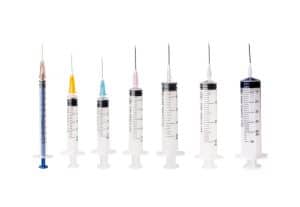
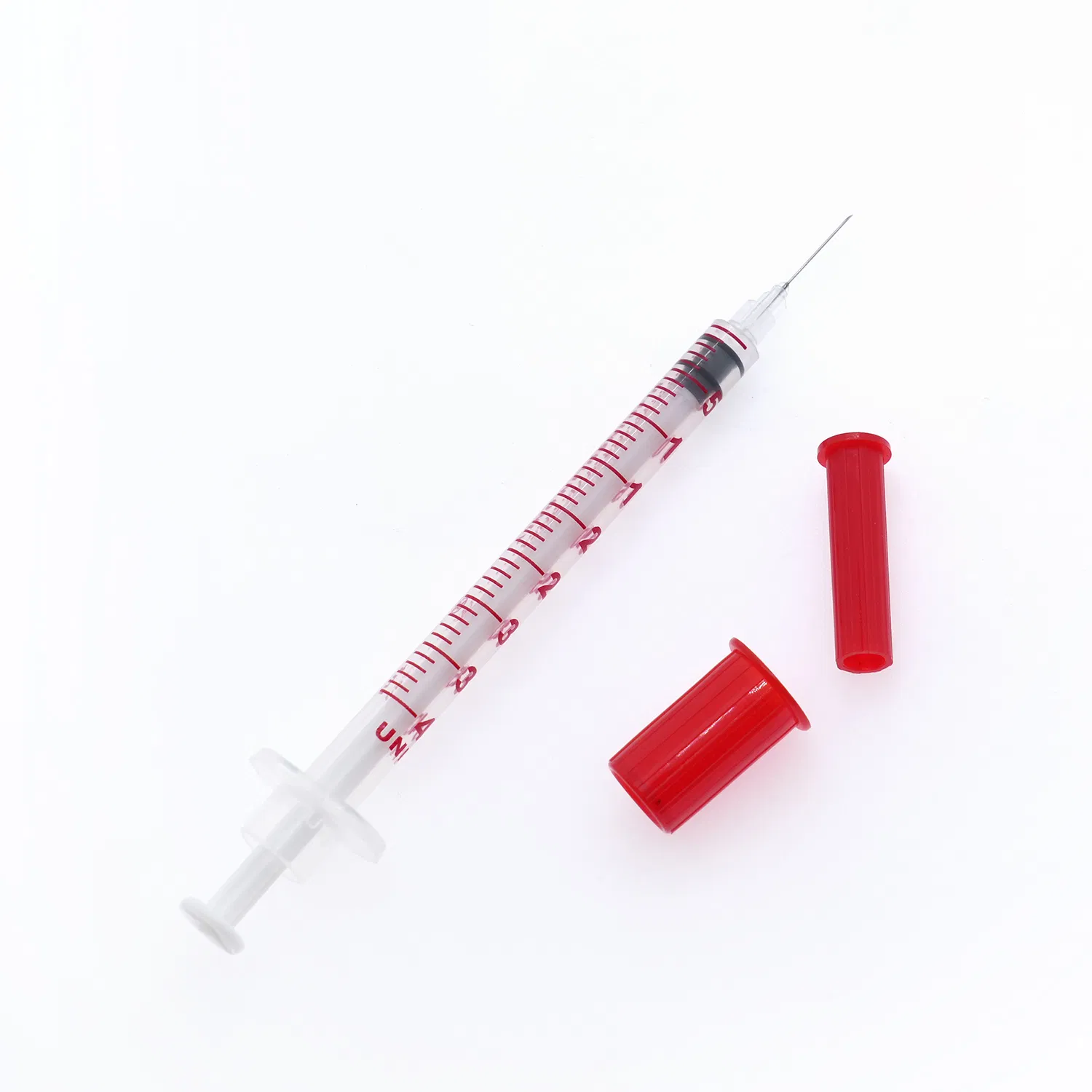
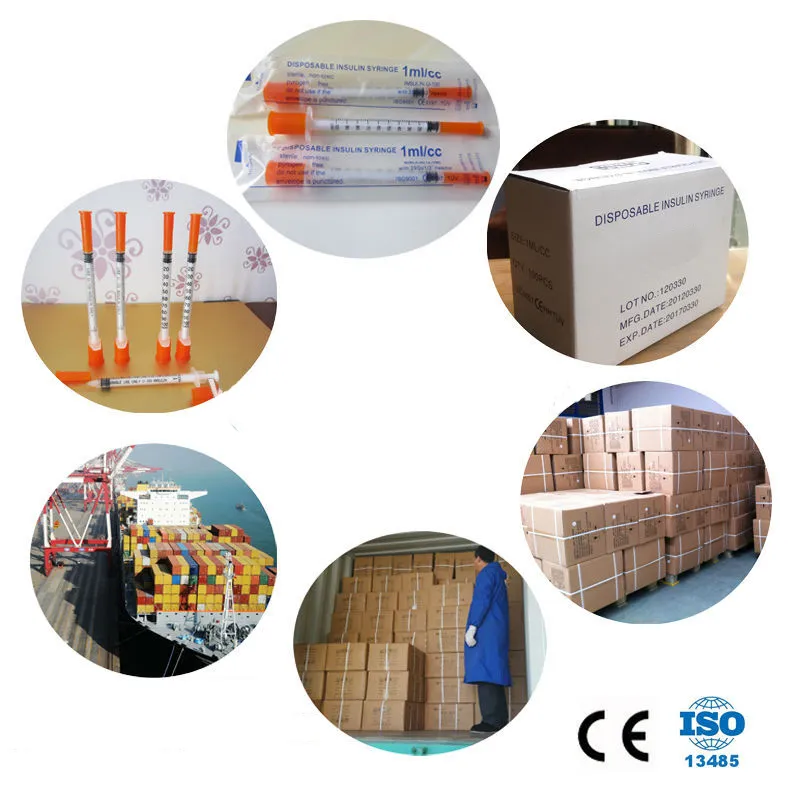
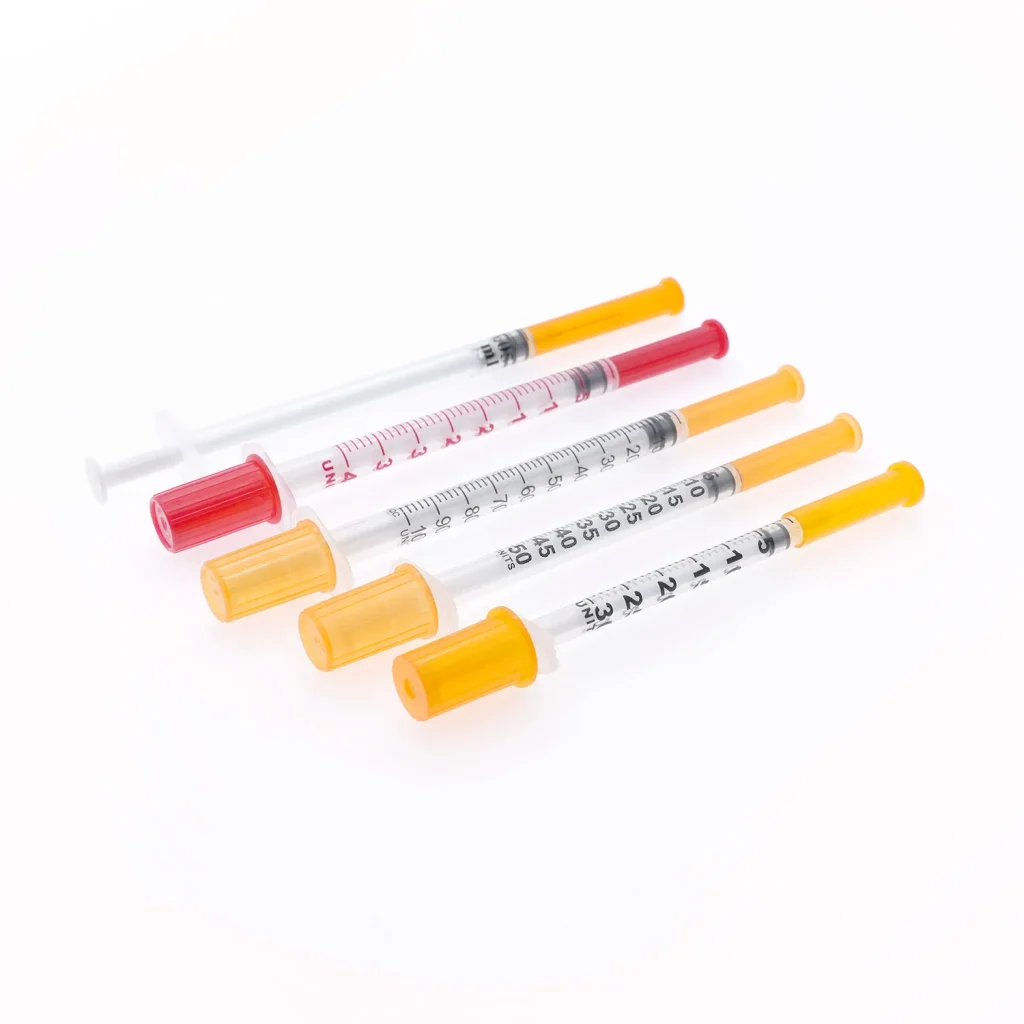
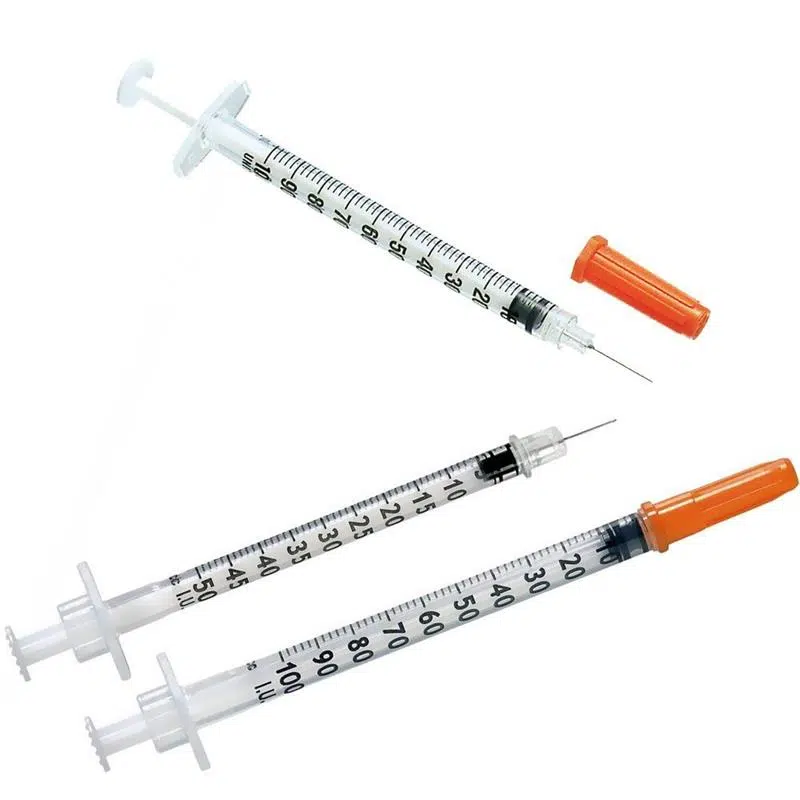
“With the prescribed dose,” David said. “Insulin syringes typically come in three capacities: 0.3 mL (30 units), 0.5 mL (50 units), and 1 mL (100 units). Each syringe has different unit gradations — meaning a 0.3 mL syringe marks every 1 unit, which gives your caregivers finer control for small doses, while a 1 mL syringe is efficient for larger doses but marks in wider increments, usually every 2 units.”
“So if a patient is on a 12-unit dose,” Maria said, thinking it through, “you wouldn’t want to use the 1 mL syringe just because it’s what’s in the supply closet.”
“Right. It’s like using a bathroom scale to weigh a letter for postage — it can register a number, but you lose the accuracy you need. Matching syringe capacity to dose size isn’t a minor preference. It’s a core part of correct insulin syringe usage, and it directly affects patient safety.”
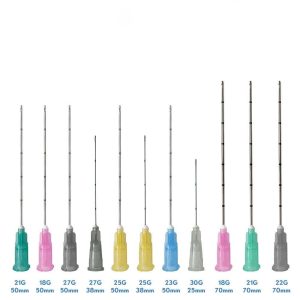
David continued, “There’s also needle gauge and length to think about. Thinner needles — higher gauge numbers, like 31G or 32G — reduce injection discomfort, which matters enormously for patients who inject multiple times a day. Needle length affects how deep the insulin is delivered; too long, and you risk intramuscular injection instead of subcutaneous, which changes how fast the insulin absorbs.”
“That’s not something our newer staff would necessarily think about,” Maria admitted.
“Most people don’t, until it’s explained with a comparison. Picture pushing a straw versus a needle-thin coffee stirrer into a soft cushion. The stirrer glides in with minimal disruption to the surface. The straw takes a different path — and can go somewhere you didn’t intend. That’s essentially what happens with mismatched needle length: it changes where the medication lands.”
The Step-by-Step Reality of Correct Injection Technique
Maria pulled out a notepad. “Can we go through the actual injection steps? I want something I can turn into a one-page training sheet.”
“Absolutely. Here’s the practical sequence we recommend to every buyer:”
- Wash hands and prepare the site. Clean the injection area — commonly the abdomen, thigh, or upper arm — with an alcohol swab and let it air-dry fully. Injecting into damp alcohol can cause stinging.
- Inspect the insulin and syringe. Check the insulin for clarity or expected cloudiness depending on type, and confirm the syringe is undamaged and sterile.
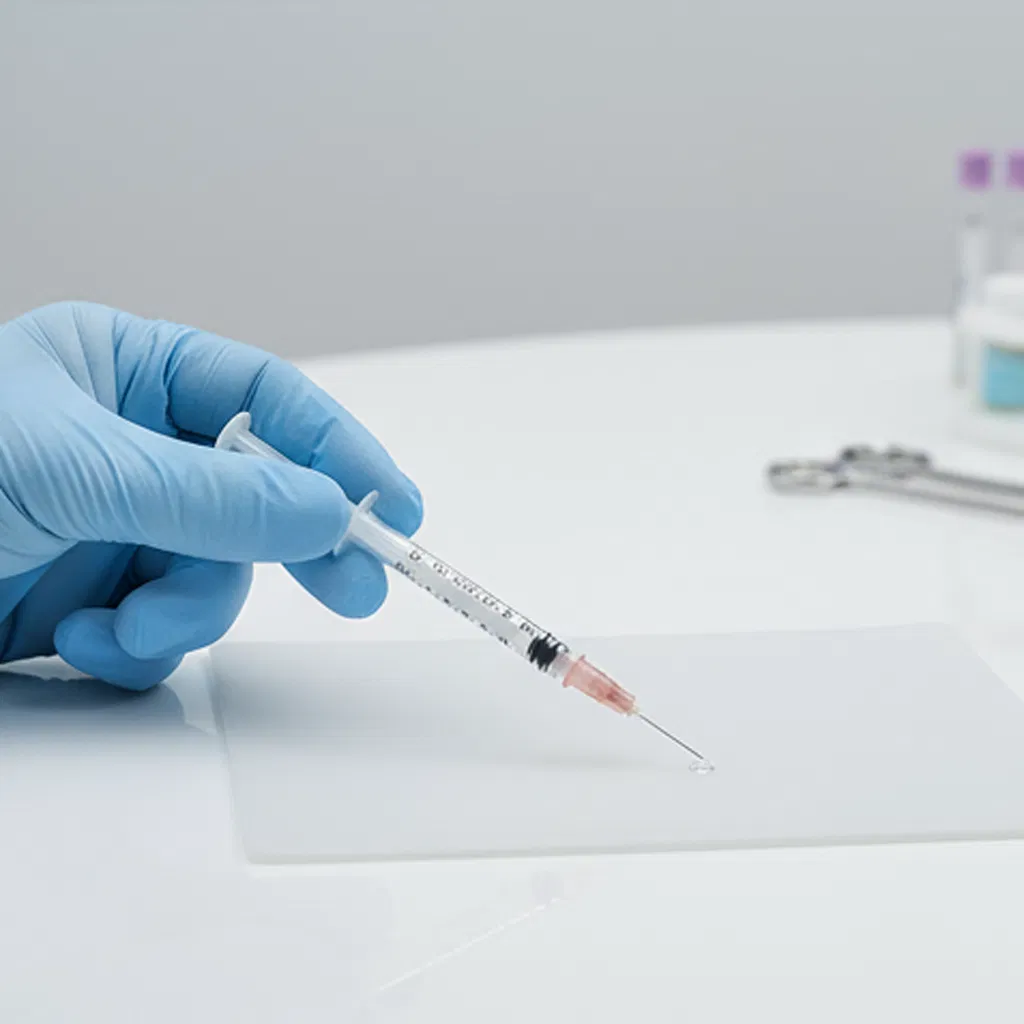
- Draw the correct dose. Insert the needle into the vial, inject air equal to the dose (to prevent a vacuum), then draw insulin to the exact unit marking, checking for air bubbles.
- Pinch and inject at the correct angle. Depending on needle length and patient body composition, insulin syringes are typically injected at a 90-degree angle, or 45 degrees for those with less subcutaneous fat.
- Inject slowly and hold. Push the plunger steadily, then hold the needle in place for about 5–10 seconds before withdrawing, allowing the full dose to disperse rather than leaking back out.
- Rotate injection sites. Using the same spot repeatedly can cause lipodystrophy — a hardening or thinning of tissue that actually impairs insulin absorption over time.
“That last point,” David added, “is one people underestimate. I tell buyers to imagine watering the same small patch of a garden every single day while ignoring the rest of the bed. Eventually that one spot becomes compacted and stops absorbing water efficiently, while the rest of the bed stays healthy and receptive. Skin tissue behaves in a similar way with repeated injections in one location.”
Common Mistakes David Sees From the Supplier Side
Maria asked, “What mistakes come up most often in the orders and complaints you handle?”
David counted them off:
- Reusing syringes. Some patients reuse a syringe multiple times to save costs, not realizing that the needle tip dulls after a single use, causing more tissue trauma, and that repeated use raises contamination risk.
- Mismatched unit markings. Switching between syringe brands or capacities without re-checking the markings, which can lead to a caregiver misreading the dose.
- Improper storage. Storing syringes in humid or excessively hot environments, which can compromise the sterile packaging integrity.
- Incorrect disposal. Tossing used syringes into regular household trash rather than an approved sharps container, creating needle-stick risks for others.
“On that last one,” David said, “proper insulin syringe usage doesn’t end when the injection is done. Every used syringe should go into a rigid, puncture-resistant sharps container — never loose in the trash, and never recapped by hand, since that’s actually one of the most common causes of accidental needle-stick injuries.”
Matching the Right Product to the Right User Profile
“Given everything we’ve covered,” Maria said, “how do you help a buyer like me actually choose the right SKU without overcomplicating it?”
“I usually frame it around three questions,” David said. “First, what’s the typical dose range for your patient population? Second, how important is injection comfort — are we talking about children, elderly patients, or people injecting multiple times daily? Third, do you need integrated safety features, like a fixed needle to reduce dead-space dosing loss, or a retractable needle for staff safety in a clinical setting?”
“That framework alone would help our purchasing team a lot,” Maria said. “We’ve been ordering somewhat reactively.”
“That’s common,” David said. “But once you standardize around dose range, comfort requirements, and safety features, your insulin syringe usage across the whole facility becomes far more consistent — fewer errors, fewer training gaps, and frankly, fewer support calls to people like me.”
For clinics and distributors who want a structured way to compare these variables side by side, our complete insulin syringe usage and product guide breaks down capacity options, needle specifications, and safety-engineered models in one place, so procurement decisions don’t have to rely on guesswork.
Bringing It Back to the Patient
Toward the end of the call, Maria said something that stuck with David. “At the end of the day, none of this is really about the syringe itself. It’s about whether a patient trusts the tool enough to use it correctly, every single day, sometimes for the rest of their life.”
“That’s exactly it,” David replied. “A syringe is a small object, but for someone managing diabetes, it’s part of a daily ritual that has to be reliable, predictable, and as painless as possible. Getting insulin syringe usage right isn’t just a technical checkbox — it’s what allows a person to manage a chronic condition with dignity and confidence.”
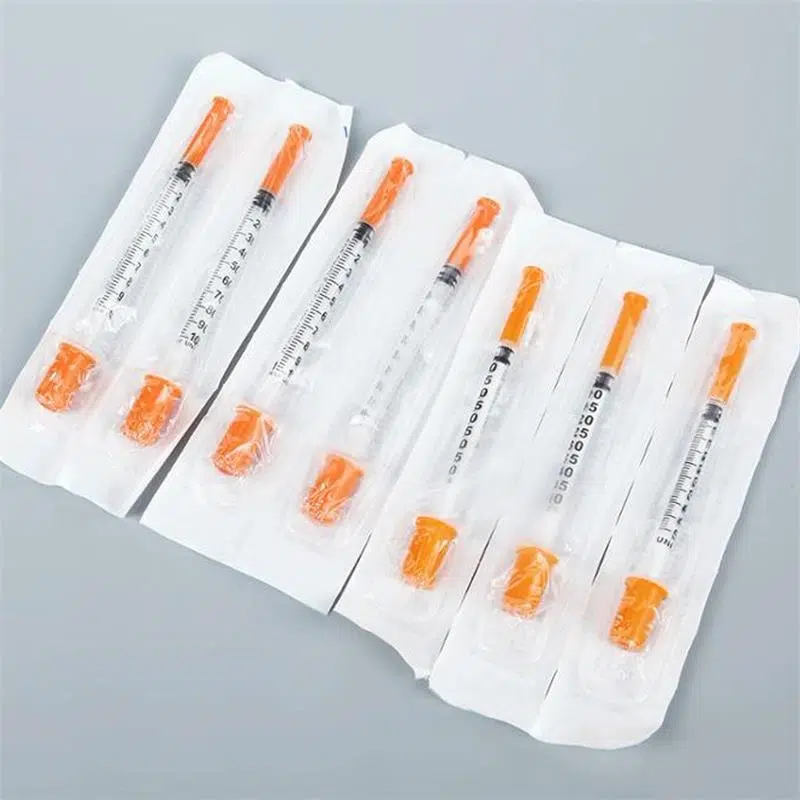
Key Takeaways for Reliable Insulin Syringe Usage
- Match syringe capacity (0.3 mL, 0.5 mL, or 1 mL) to the prescribed dose for accurate measurement.
- Choose needle gauge and length based on patient comfort and body composition.
- Follow a consistent injection sequence: clean, inspect, draw, inject at the correct angle, hold, and rotate sites.
- Avoid reusing syringes, and always dispose of them in an approved sharps container.
- Store syringes properly to preserve sterility and product integrity.
Whether you’re a caregiver refining daily technique, a clinic standardizing training, or a distributor sourcing for multiple client types, understanding correct insulin syringe usage protects both patient safety and long-term treatment success. For product specifications, capacity comparisons, and sourcing options, explore our full insulin syringe guide to find the right fit for your needs.