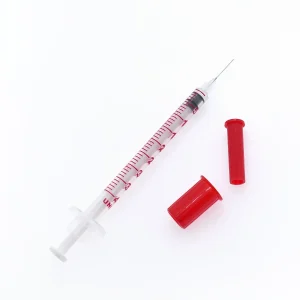
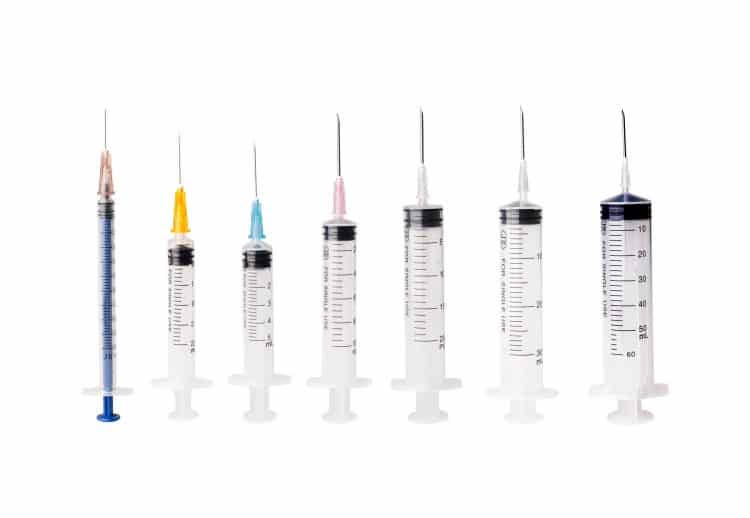
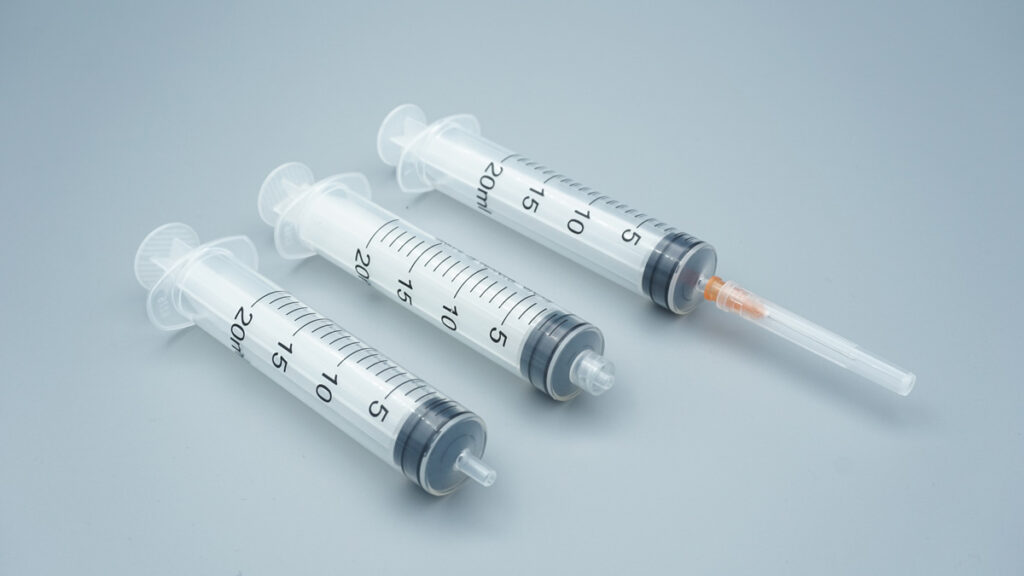
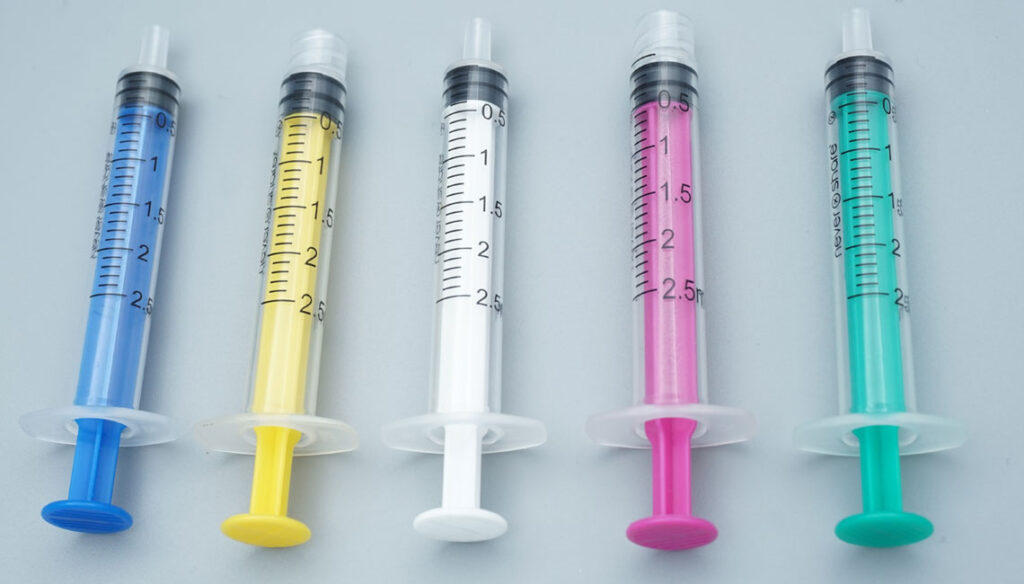
Ten years ago, a disposable syringe was a simple, low-margin commodity: a plastic barrel, a plunger, and a needle, produced on injection-molding lines that hadn’t changed much since the 1990s. Walk into a modern facility run by any of today’s leading disposable syringe manufacturers, and the picture looks almost unrecognizable — cleanroom-grade automation, real-time quality sensors, safety-engineering built into the mold itself, and supply chains stretched across three continents.
This shift didn’t happen overnight, and it didn’t happen by accident. It was driven by regulation, disease outbreaks, sustainability pressure, and a genuine leap in manufacturing technology. Below is a data-supported look at what actually changed between the pre-2016 era and 2026, and what it means for anyone sourcing from disposable syringe manufacturers today.
The Market, Then and Now
In the mid-2010s, the global disposable syringes market was measured in the single-digit billions of dollars, with most industry forecasts built around modest, mid-single-digit annual growth and a base year of 2013–2014. Growth at the time was driven mainly by two things: the shift away from reusable syringes in low-income countries and early regulatory pushes like the 2010 EU Council Directive on preventing sharps injuries in hospitals.
By contrast, multiple 2026 market reports now put the global disposable syringes market in the range of roughly $17–19 billion, with most analysts projecting it to roughly double — toward $28–29 billion — by the early-to-mid 2030s, at compound annual growth rates typically between 5.9% and 6.9%. Some forecasts for the safety-syringe segment specifically project even faster growth, above 10% annually, because safety-engineered designs have gone from a regulatory afterthought to the industry standard.
A few figures illustrate just how different the scale of the industry is today:
- Global injection volume now exceeds an estimated 16 billion injections per year, with roughly 70% tied to vaccination and immunization programs.
- Safety syringe adoption has surpassed 45% global penetration, up from a small fraction of the market pre-2016.
- Prefilled syringes now account for over 40% of hospital syringe usage in North America alone, a segment that barely registered in mainstream hospital procurement a decade ago.
- Polypropylene-based plastic syringes still dominate, holding more than 85% material share, but the share going into sterile, pre-filled formats has climbed to roughly 18% of unit demand.
The headline takeaway: this is no longer a slow-growth commodity category. It’s a fast-scaling medical device segment, and the manufacturers who survived the transition had to re-tool almost everything about how they design and build product.
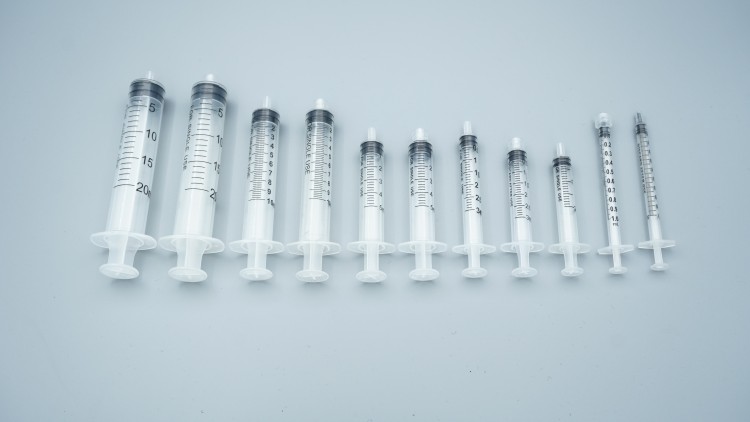
From Manual Lines to Smart, Validated Automation
Pre-2016 syringe production was largely mechanical: injection-molding presses running fixed cycles, manual or semi-automated assembly of barrel, plunger, and gasket, and end-of-line sampling for quality checks. Defect detection depended heavily on statistical sampling rather than checking every unit.
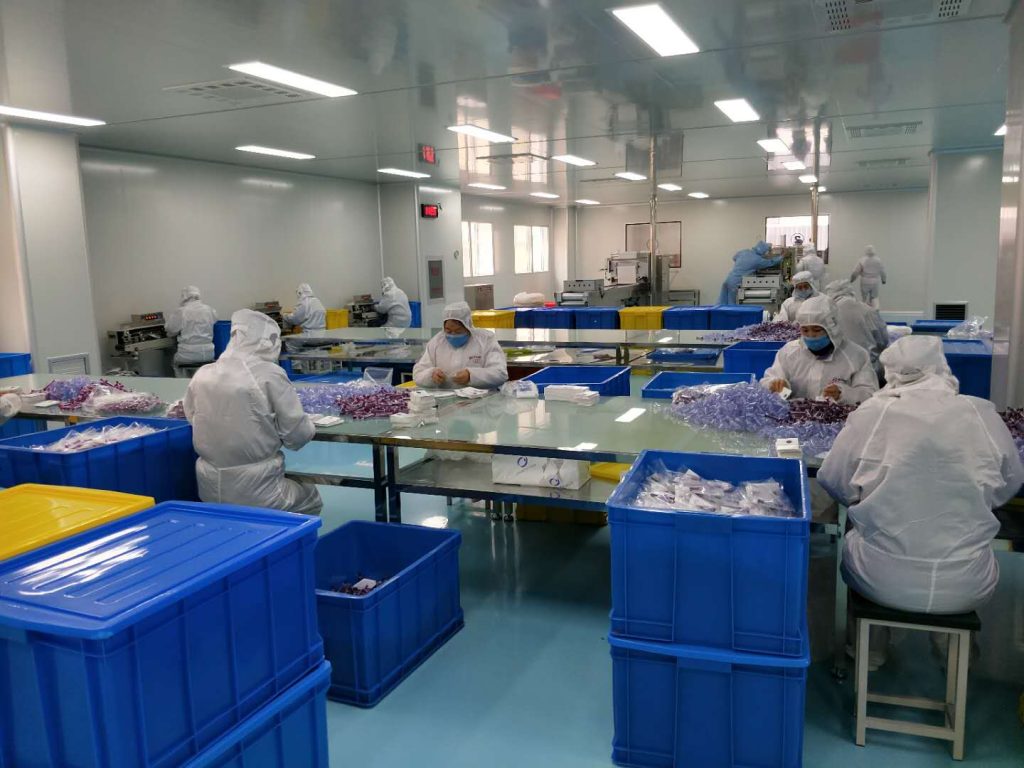
Today’s leading disposable syringe manufacturers run largely automated, in-line inspection systems — vision sensors that check every barrel for dimensional accuracy, leak testing integrated directly into the assembly line, and traceability software that can log a batch number back to a specific mold cavity and shift. This matters for two reasons. First, regulators now expect it: ISO 13485 quality management requirements and stricter FDA/EU MDR documentation standards make full batch traceability close to mandatory for any manufacturer supplying hospitals or pharmaceutical companies. Second, buyers now expect it — a hospital procurement team in 2026 is far more likely to ask for validation data and defect-rate statistics than a purchasing agent in 2015 ever did.
Automation has also changed the economics of the industry. Higher upfront capital costs for molding and inspection equipment have pushed smaller, undercapitalized workshops out of the market, while manufacturers able to invest in automated capacity have been able to scale output to meet vaccination-program-level demand without a proportional increase in labor costs.
Safety-Engineered Design Became the Default
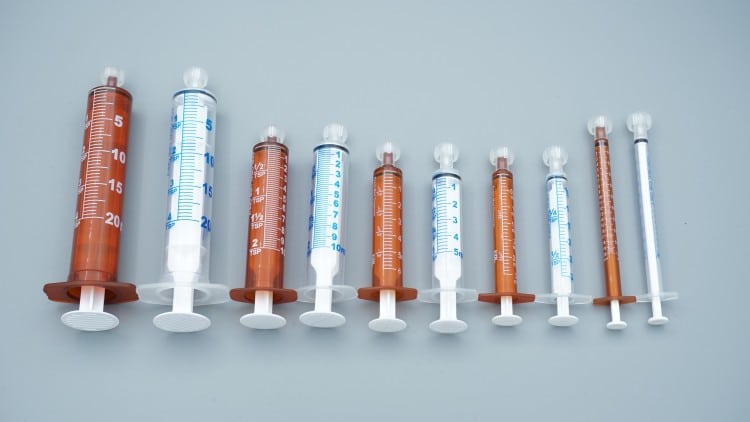
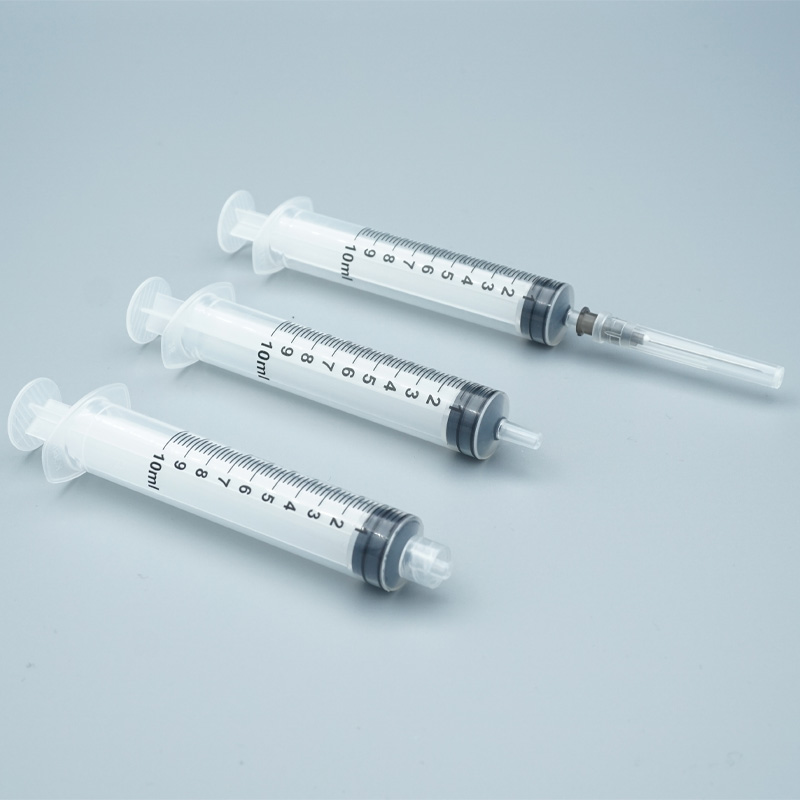
One of the clearest dividing lines between the old and new eras of syringe manufacturing is the needlestick injury issue. Regulatory frameworks like the U.S. Needlestick Safety and Prevention Act and the EU’s 2010 sharps directive existed before 2016, but adoption of retractable and auto-disable safety syringes was still uneven, often limited to wealthier health systems that could absorb the higher unit cost.
By 2026, safety syringes are widely treated as a baseline expectation rather than a premium feature, and the segment is one of the fastest-growing parts of the broader market. This shift has been reinforced by simple economics: two-step disposable auto-injector designs have been credited with cutting medical waste volume by roughly 30% in facilities that adopted them, which lowers disposal costs enough to offset the higher unit price. Needlestick injuries remain a real occupational hazard — millions of healthcare workers are still exposed to sharps injuries every year globally — but the design response to that risk is now built into the manufacturing process itself, not added on afterward.
Materials and Sustainability Under New Pressure
Pre-2016, sustainability was barely a factor in syringe manufacturing decisions; the priority was sterility, cost, and speed. That’s changed. With more than 12 billion disposable syringes discarded worldwide every year, regulators and hospital systems are increasingly pushing manufacturers toward recyclable materials, reduced plastic packaging, and lower-impact sterilization methods (a shift away from ethylene oxide toward gamma and e-beam sterilization in some facilities, partly for environmental and worker-safety reasons).
This is a genuinely difficult engineering problem — a syringe has to remain sterile, biocompatible, and dimensionally precise while manufacturers experiment with thinner-wall molding and alternative resins to cut material use. It’s one of the areas where the gap between older-generation and newer-generation manufacturing facilities is most visible: companies that invested early in modern tooling have more flexibility to adapt to new material specifications without a full retooling cycle.
Prefilled Syringes and the Self-Injection Shift
Perhaps the single biggest structural change in the industry is the rise of prefilled syringes and home self-injection. A decade ago, injectable drugs were overwhelmingly prepared and administered in clinical settings. Today, the growth of chronic disease management — diabetes, autoimmune conditions treated with biologics, weight-management injectables — has pushed pharmaceutical companies to partner directly with syringe manufacturers on pre-filled, ready-to-use delivery systems designed for patients to use at home, not just clinicians in a hospital.
That has turned some disposable syringe manufacturers into de facto drug-delivery device partners for pharma companies, a role that barely existed in the pre-2016 landscape and requires a very different level of regulatory collaboration, sterile fill-finish capability, and device-drug compatibility testing.
A Global Manufacturing Base That Looks Different
Geographically, the center of gravity has shifted too. Asia-Pacific — led by China and India — has gone from being primarily a low-cost export base to the largest and fastest-growing regional market for disposable syringes, driven by domestic vaccination infrastructure, expanding healthcare access, and local manufacturers investing in export-grade quality systems to compete with established Western and Japanese players like BD, Terumo, and Nipro.
Manufacturers founded in the early-to-mid 2000s — Kohope, established in 2005, is one example — have effectively lived through this entire transition: starting in an era of basic mechanical production and gradually adapting to automated, ISO-certified, export-compliant manufacturing as global demand and regulatory expectations rose. That trajectory is fairly typical of manufacturers that have stayed competitive through this period; the ones that didn’t invest in quality systems and automation largely didn’t survive the consolidation that followed tighter regulation and larger-scale procurement contracts.
What This Means Going Into 2026 and Beyond
For hospitals, distributors, and pharmaceutical partners sourcing from disposable syringe manufacturers today, a few practical conclusions follow from all this data:
- Certifications matter more than they used to. ISO 13485 and full batch traceability are now baseline expectations, not differentiators.
- Safety-engineered designs are the norm, and buyers should expect retractable or auto-disable options as standard catalog items, not custom orders.
- Sustainability questions are now part of procurement conversations — expect more manufacturers to offer data on material use, recyclability, and sterilization method.
- The supply base is more global and more competitive than it was a decade ago, which has generally pushed quality up and pricing pressure down over time.
The disposable syringe might look like the same simple device it was in 2010, but the manufacturing behind it — the automation, the safety engineering, the regulatory rigor, and the sheer scale — has changed almost completely. For an industry built on a product that costs pennies, the transformation in how that product gets made has been anything but small.