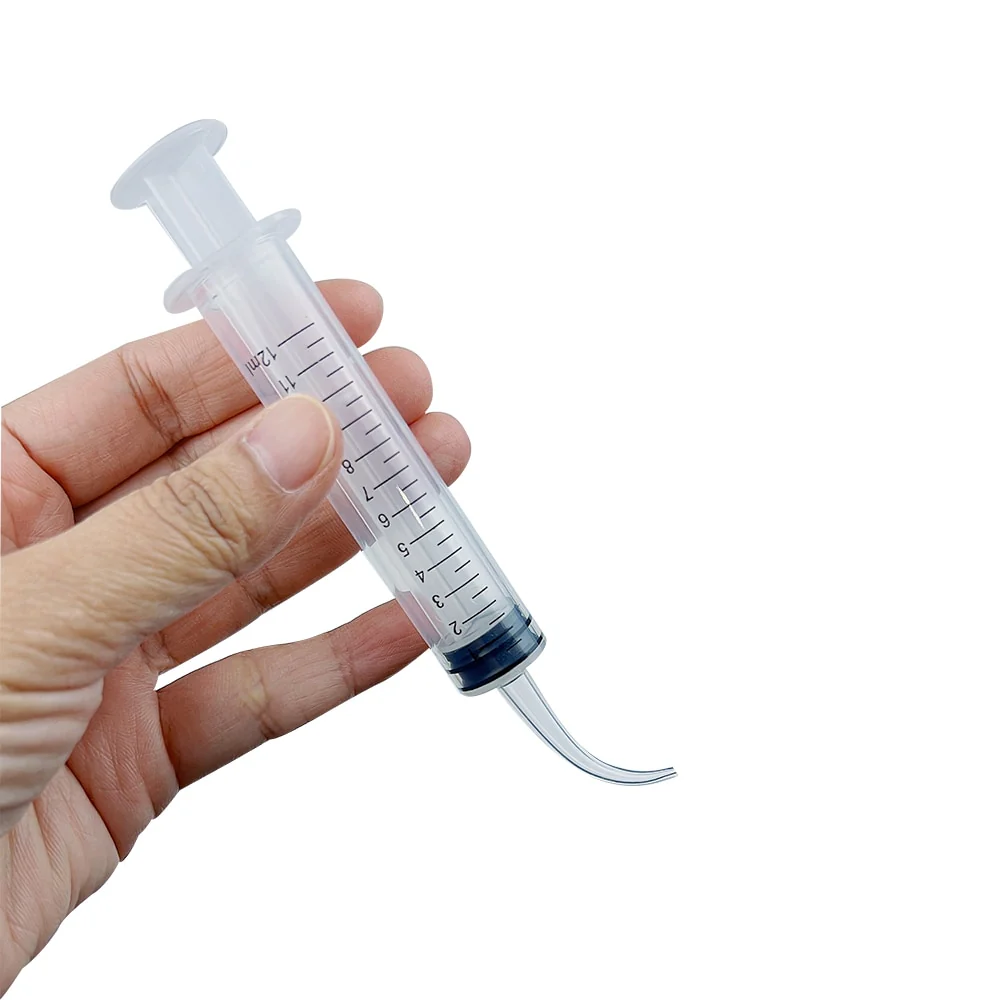
Introduction: The Evolution of Dental Irrigation Technology
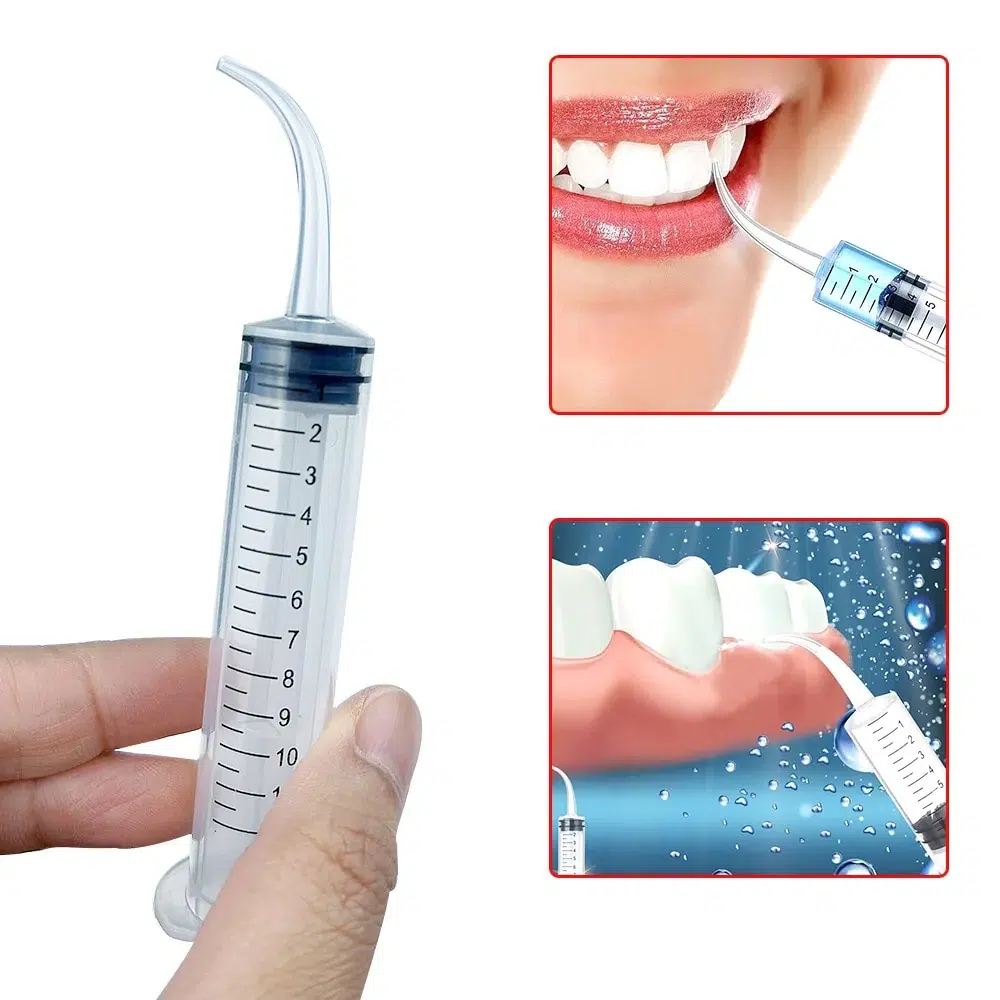
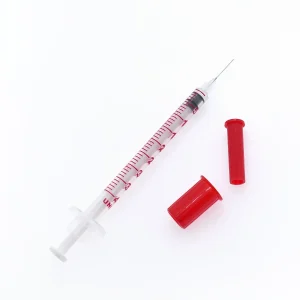
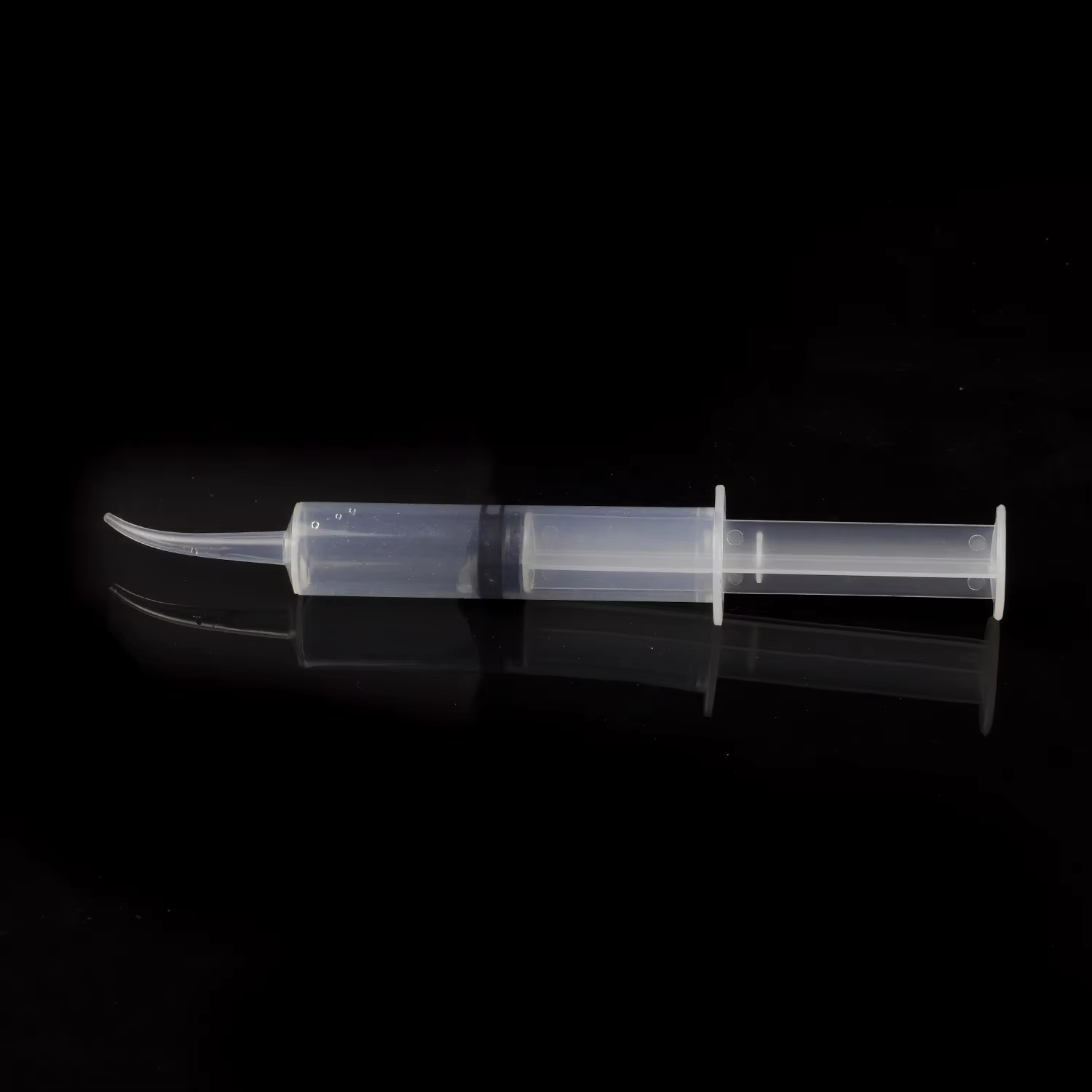
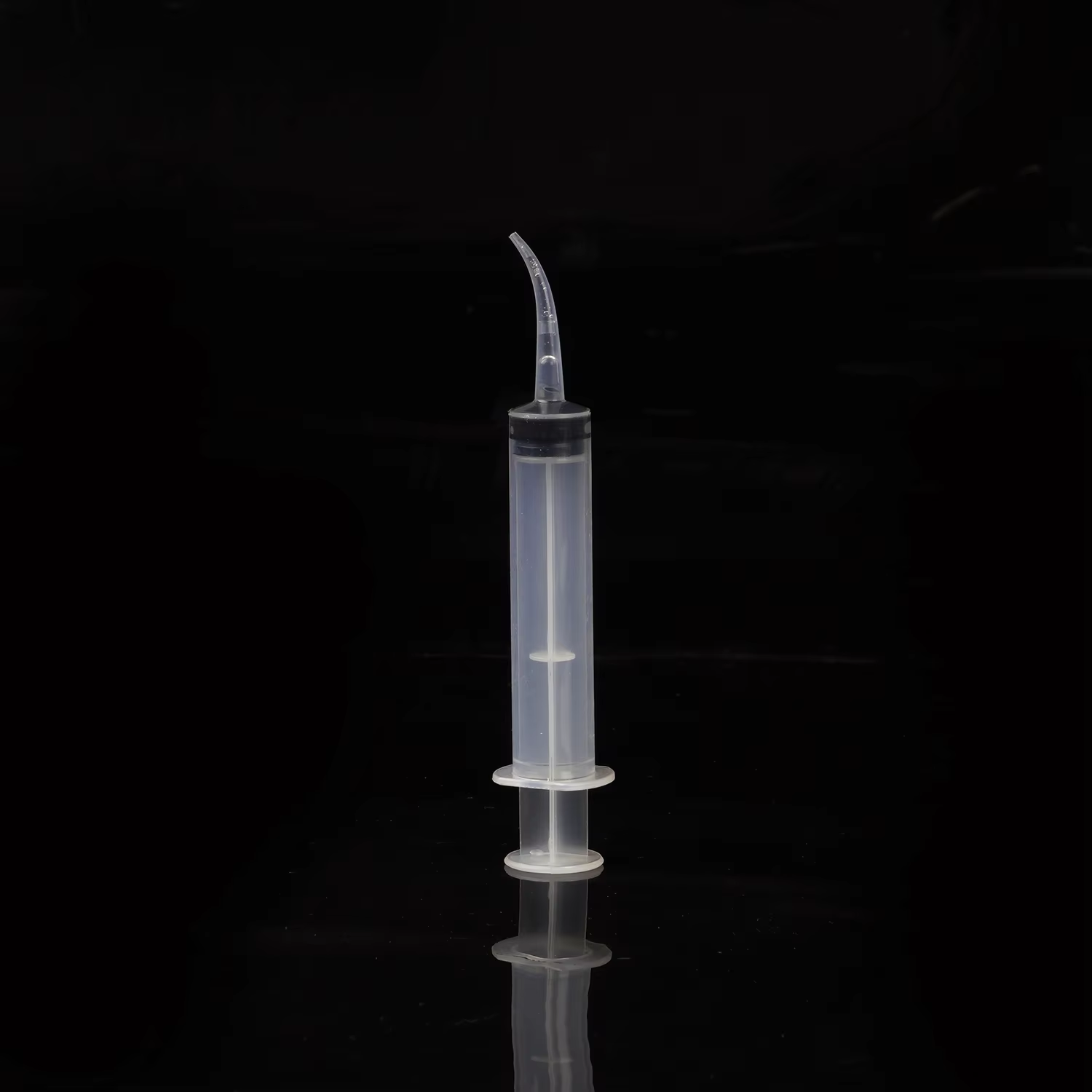
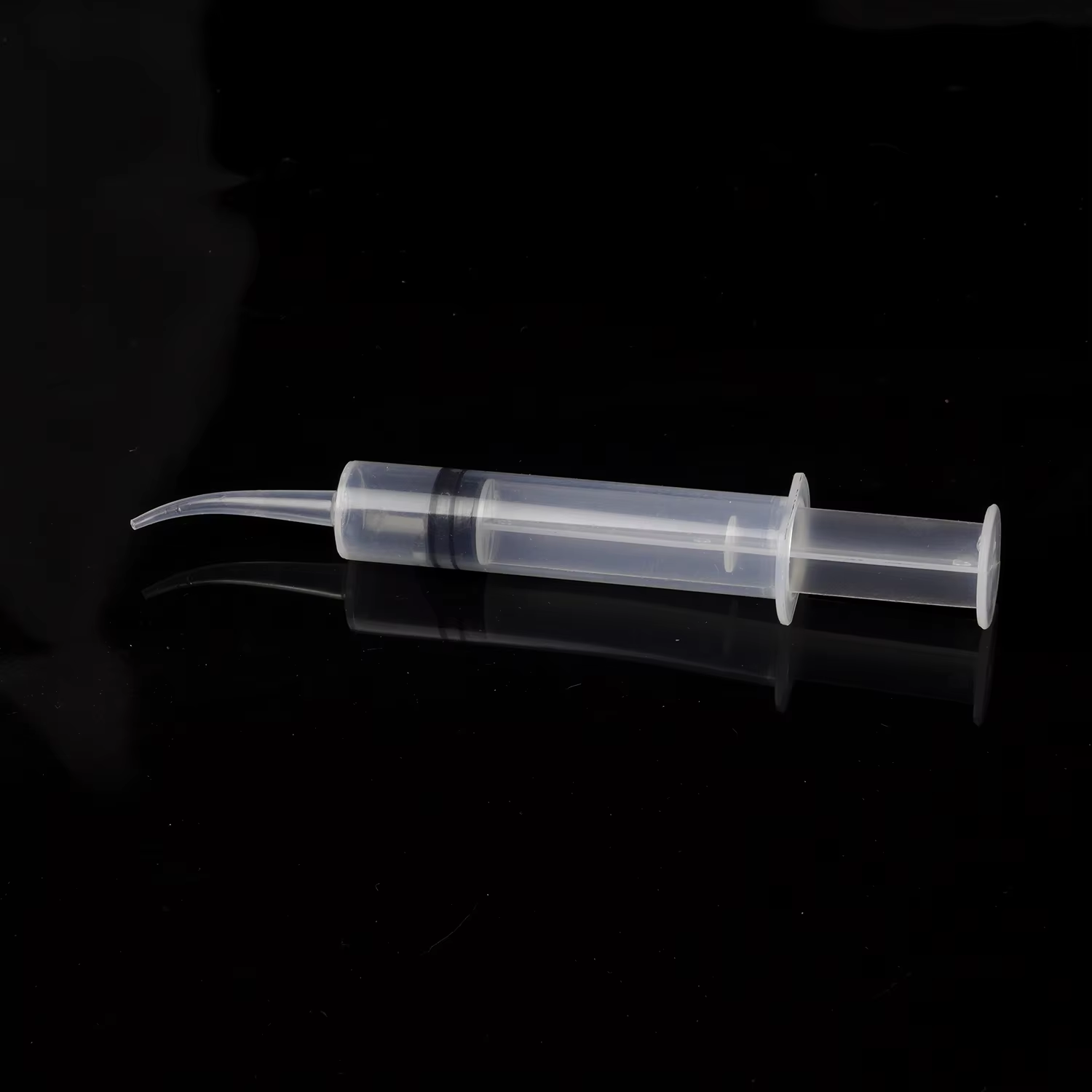
In modern dentistry, precision irrigation and material delivery are fundamental to successful clinical outcomes. The 12ml disposable dental syringe with curved tip has emerged as an essential instrument in dental practices worldwide, combining ergonomic design with cost-effective disposability. This comprehensive guide explores clinical applications, global market dynamics, and selection criteria for dental professionals and procurement managers.
Global Market Overview: Dental Syringe Industry Trends
Worldwide Market Dynamics
The global syringes market is experiencing significant growth, with the dental segment representing a rapidly expanding subsector. According to recent industry analysis, the disposable medical syringe market is projected to reach $23.8 billion by 2028, growing at a CAGR of 8.2% from 2023 to 2028.
Key Growth Drivers:
- Infection Control Protocols: Increased emphasis on single-use disposable instruments has accelerated adoption of disposable dental syringes across clinical settings.
- Dental Procedure Volume: Rising global dental care accessibility, particularly in emerging markets across Asia-Pacific and Latin America, drives demand for cost-effective irrigation tools.
- Material Innovation: Advanced polypropylene (PP) plastic formulations offer enhanced durability and chemical resistance, improving the performance of plastic dental syringes in clinical applications.
- Regulatory Compliance: Stricter medical device regulations worldwide promote quality-certified manufacturers and standardized products.
Regional Market Distribution
- North America: 38% market share (2023)
- Europe: 27% market share
- Asia-Pacific: 24% market share (fastest-growing region)
- Latin America & MEA: 11% combined market share
United States Market Focus: Dental Syringe Demand and Trends
Market Size and Growth Trajectory
The United States represents the largest single market for dental irrigation instruments, with an estimated market value of $420 million in 2023 for dental-specific syringe products. The U.S. dental syringe segment is projected to grow at 7.8% annually through 2027.
U.S. Market Characteristics:
High Volume Consumption: With over 201,000 active dental practices across the United States, the demand for 12ml curved tip dental syringes exceeds 180 million units annually.
Premium Quality Standards: American dental practices prioritize FDA-compliant, medical-grade instruments. The disposable dental syringe market reflects this preference, with 73% of procurement favoring certified manufacturers.
Bulk Purchasing Patterns: U.S. dental group practices and Dental Support Organizations (DSOs) increasingly leverage bulk purchasing of dental syringes to optimize operational costs. Average order quantities range from 500 to 5,000 units per transaction.
Home Care Integration: Post-surgical irrigation protocols in U.S. dentistry emphasize patient-administered home care, driving demand for affordable, patient-friendly curved tip irrigation syringes.
Competitive Landscape in the U.S.
The American dental supply market features intense competition among domestic distributors and international manufacturers. Price sensitivity combined with quality requirements creates opportunities for efficient manufacturers offering both standard and custom dental syringe solutions.
Procurement Trends:
- 62% of dental practices purchase through authorized distributors
- 28% utilize group purchasing organizations (GPOs)
- 10% source directly from manufacturers for custom specifications
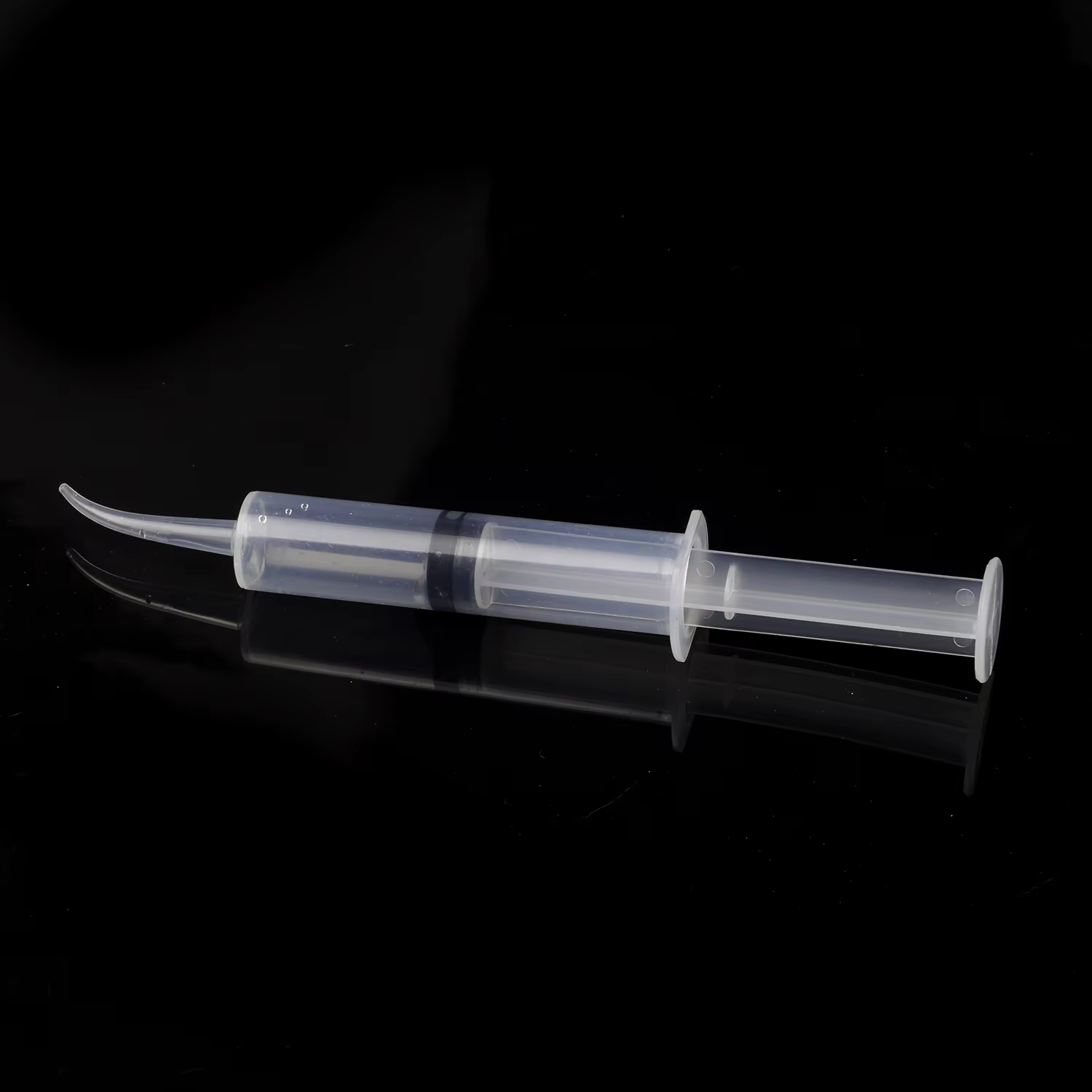
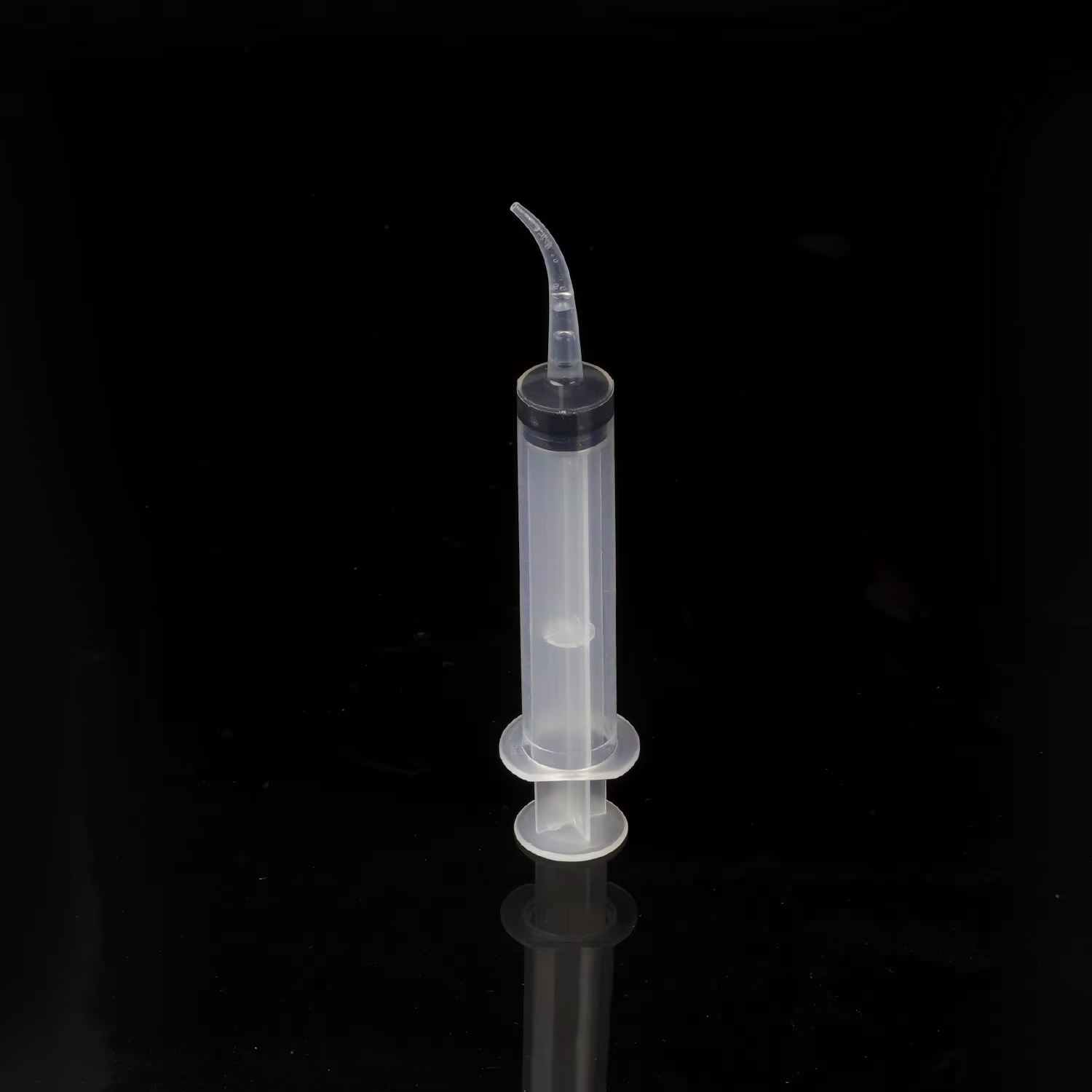
Clinical Applications: Maximizing the 12ml Curved Tip Dental Syringe
Surgical Site Irrigation
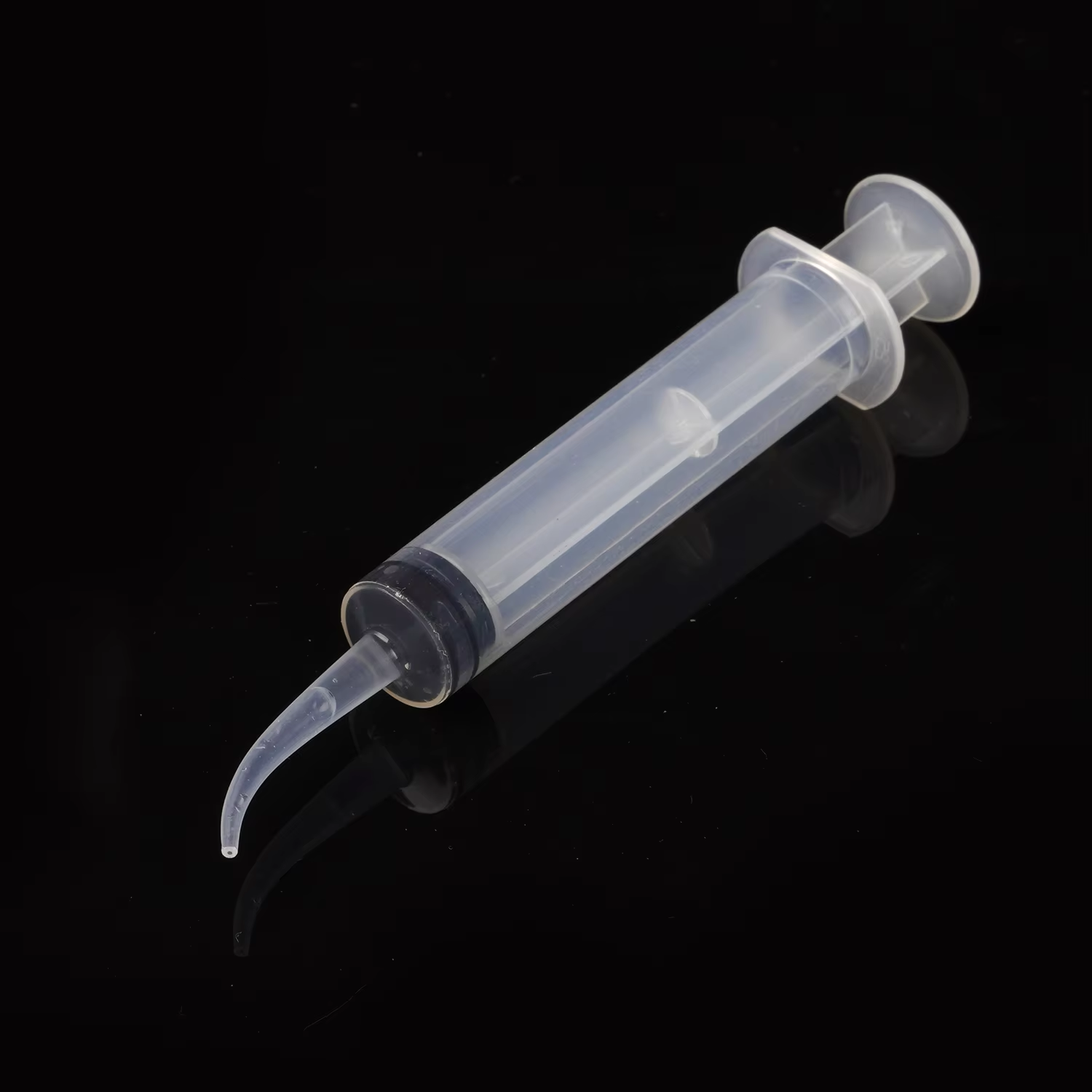
The primary function of the 12ml dental syringe with curved tip is precision irrigation during and after surgical procedures.
Optimal Use Cases:
- Post-extraction irrigation: The curved nozzle design allows targeted delivery to extraction sockets, removing debris and promoting hemostasis.
- Periodontal pocket irrigation: Subgingival irrigation with antimicrobial solutions reaches deep periodontal pockets effectively.
- Implant site preparation: Sterile saline irrigation during osteotomy procedures maintains visibility and removes bone debris.
- Endodontic procedures: Canal irrigation between instrumentation stages ensures thorough cleaning.
Clinical Advantages:
The 12ml capacity provides sufficient volume for thorough irrigation without frequent refilling, improving procedural efficiency. The curved tip design enables access to posterior regions and difficult angles that straight-tip syringes cannot reach effectively.
Dental Impression Material Delivery
Beyond irrigation, the 12ml disposable dental syringe excels in controlled delivery of viscous materials.
Compatible Materials:
- Polyvinyl siloxane (PVS) impression materials
- Polyether impression compounds
- Light-body silicone materials
- Rubber-based impression substances
The PP plastic construction resists chemical interaction with impression materials, preventing contamination or premature setting reactions. The curved tip facilitates precise material placement in sulcular areas and around preparation margins.
Post-Operative Home Care
Patient education increasingly includes self-administered irrigation protocols using dental irrigation syringes.
Home Care Applications:
- Wisdom tooth extraction site maintenance
- Implant site hygiene during osseointegration
- Periodontal maintenance between professional cleanings
- Orthodontic appliance cleaning
Dispensing disposable syringes to patients for home use reduces post-operative complications and improves healing outcomes while providing cost-effective patient care solutions.
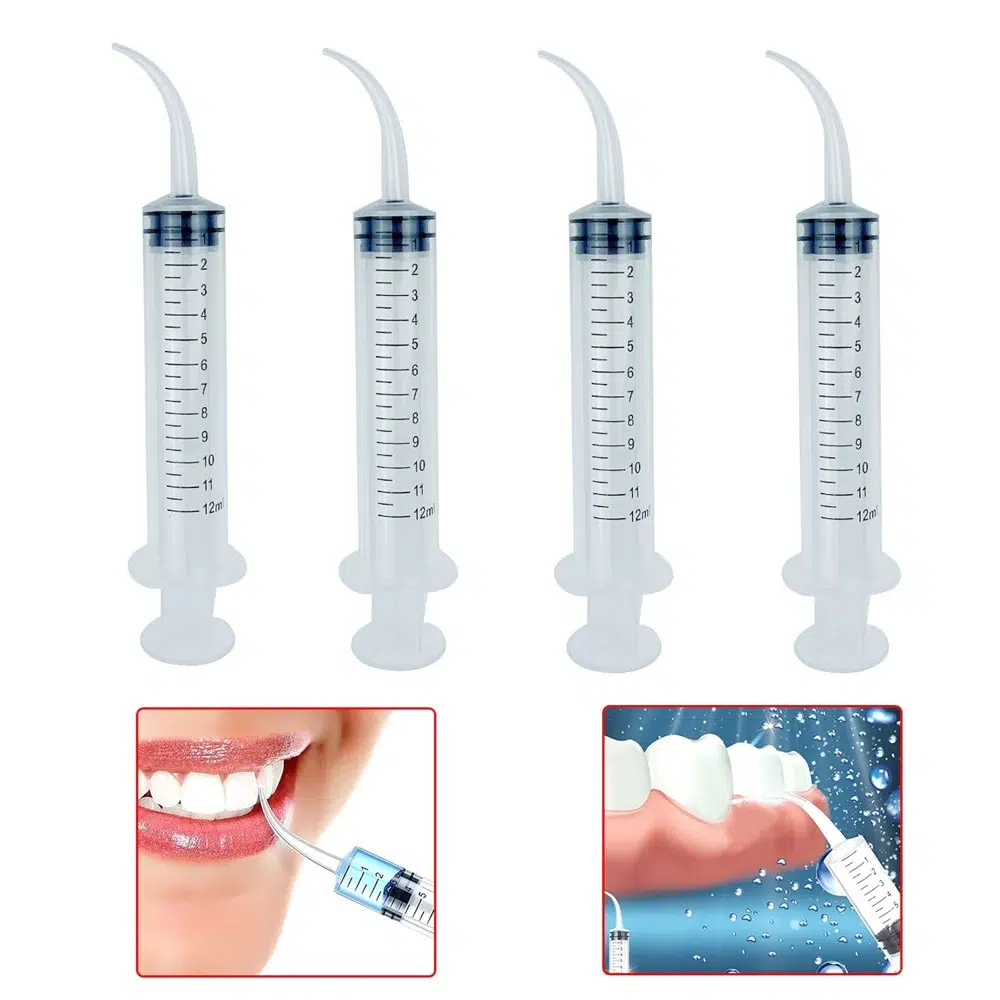
Technical Specifications and Selection Criteria
Material Composition: Why PP Plastic Matters
High-grade polypropylene plastic offers several clinical advantages for dental syringes:
- Chemical resistance: Compatible with chlorhexidine, hydrogen peroxide, and other common irrigants
- Structural integrity: Maintains tip shape under pressure without deformation
- Biocompatibility: Medical-grade PP poses minimal allergic reaction risk
- Cost-effectiveness: Enables affordable disposability without compromising performance
Capacity Considerations: The 12ml Advantage
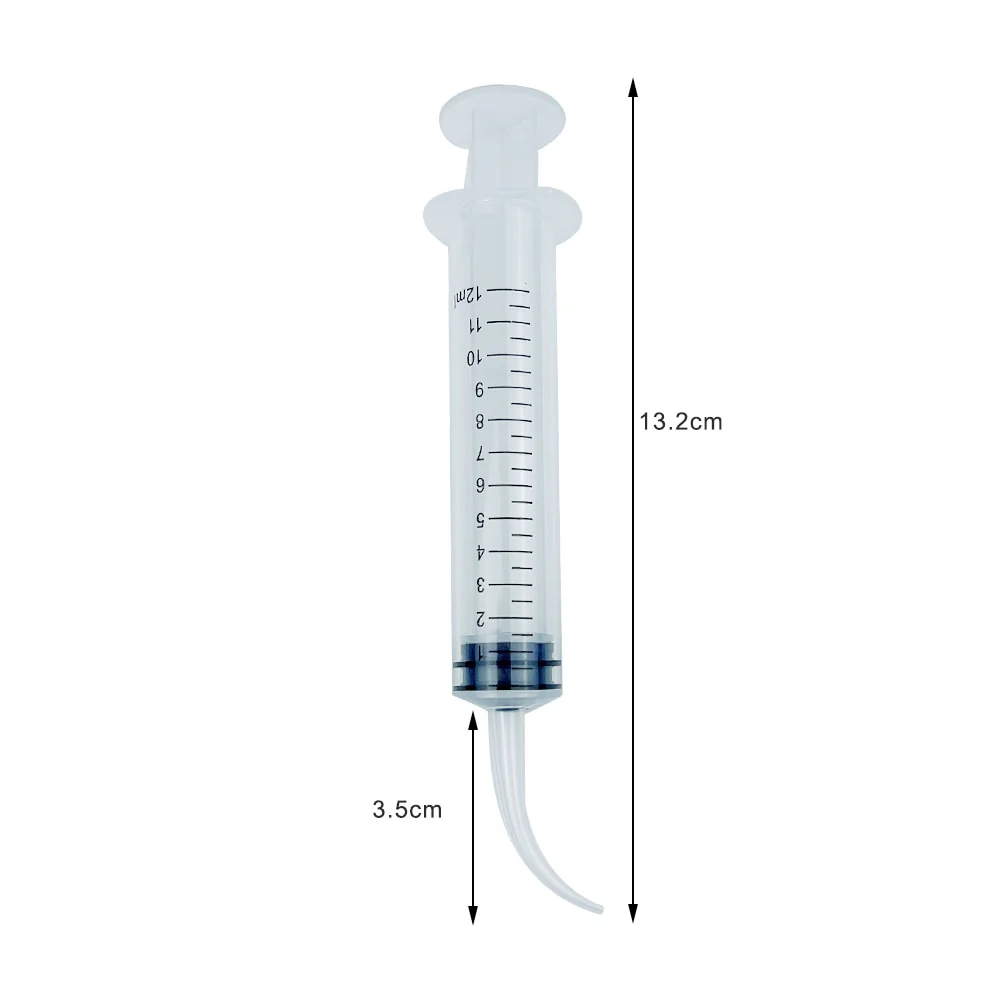
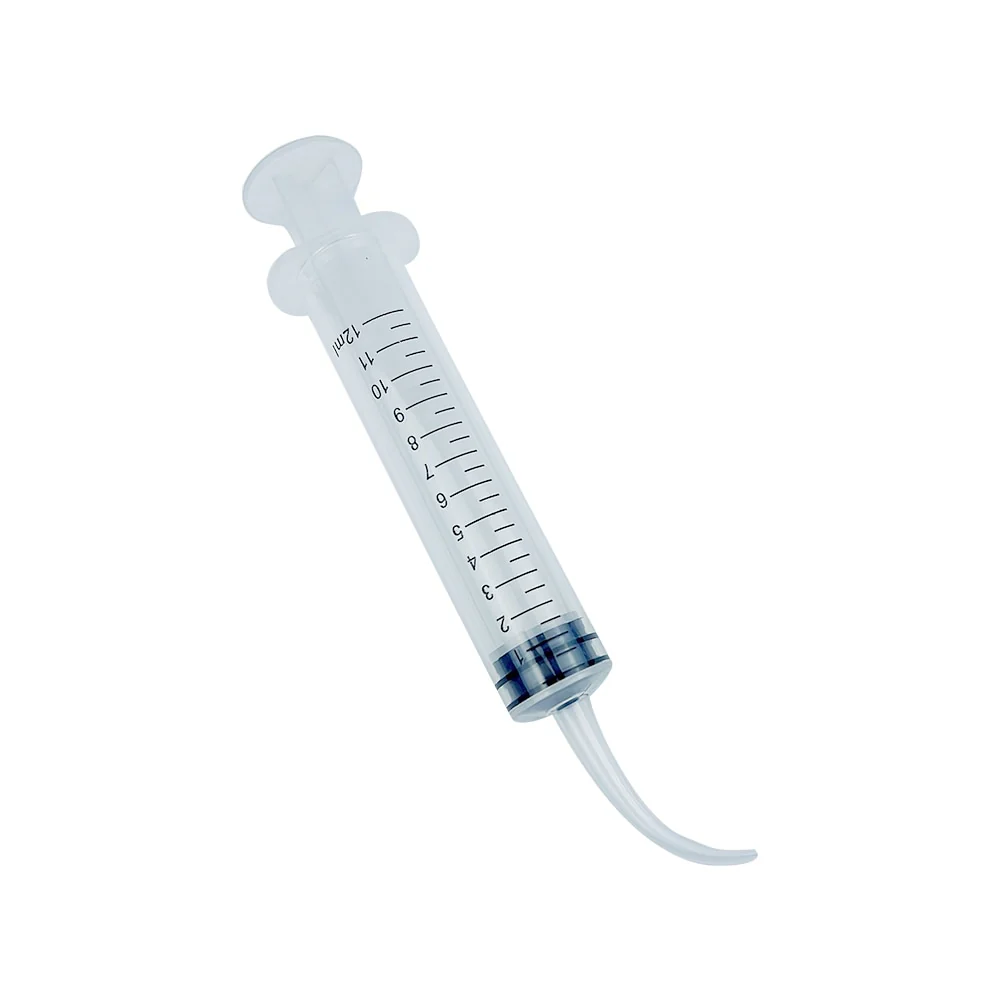
The 12ml/12cc capacity represents an optimal balance:
- Sufficient volume: Adequate for complete irrigation cycles without interruption
- Ergonomic handling: Not oversized; maintains comfortable single-handed control
- Material economy: Ideal volume for impression material applications without excess waste
- Patient comfort: Appropriate capacity for home care without overwhelming patients
Curved Tip Design Benefits
The bent tip configuration distinguishes this dental syringe from standard straight-tip alternatives:
- Posterior access: Reaches distal surfaces of second and third molars effectively
- Visual control: Allows line-of-sight to delivery area even in difficult anatomical locations
- Pressure optimization: Curved trajectory reduces splash-back during irrigation
- Versatile angles: Suitable for both maxillary and mandibular applications
Procurement Strategies for Dental Practices and Distributors
Bulk Purchasing Economics
The standard 50-unit packaging of dental syringes aligns with clinical consumption patterns while optimizing storage and cost.
Volume-Based Advantages:
- Reduced per-unit costs at higher order quantities
- Consistent inventory availability
- Simplified reordering processes
- Improved cash flow management with predictable pricing
Recommended Order Quantities by Practice Size:
- Solo practitioners: 200-500 units quarterly
- Small group practices (2-4 dentists): 500-1,500 units quarterly
- Medium practices (5-10 dentists): 1,500-3,000 units quarterly
- Large DSOs and hospitals: 5,000+ units with customized supply agreements
Quality Assurance in Supplier Selection
When sourcing dental irrigation syringes from manufacturers, prioritize these quality indicators:
Manufacturing Standards:
- ISO 13485 certification for medical device quality management
- FDA registration and compliance documentation
- Consistent lot-to-lot quality with certificates of analysis
- Robust supply chain with backup production capacity
Product Testing:
- Dimensional accuracy verification
- Tip integrity under pressure testing
- Chemical compatibility certification
- Sterility validation for sterile product lines (when applicable)
Custom Syringe Solutions for Differentiation
Dental distributors and large practice groups can leverage custom syringe manufacturing for competitive advantage:
Customization Options:
- Private labeling with practice or distributor branding
- Modified tip angles for specialized applications
- Color-coding systems for solution identification
- Custom packaging configurations
- Volume capacity adjustments (8ml, 10ml, 15ml alternatives)
Working with experienced manufacturers enables tailored dental syringe solutions that meet specific clinical or market requirements.
Infection Control and Safety Protocols
Single-Use Disposability
The disposable dental syringe model eliminates cross-contamination risks associated with reusable instruments.
Infection Control Benefits:
- Zero risk of inadequate sterilization
- Compliance with OSHA bloodborne pathogen standards
- Reduced sterilization equipment and labor costs
- Enhanced patient confidence in practice hygiene standards
Proper Disposal Procedures
Used dental syringes should follow standard sharps and biohazard disposal protocols:
- Segregate contaminated syringes immediately after use
- Place in puncture-resistant biohazard containers
- Follow local medical waste disposal regulations
- Document disposal for compliance auditing
Non-Sterile vs. Sterile Considerations
Standard 12ml curved tip dental syringes are typically supplied non-sterile, suitable for most irrigation and impression applications.
Non-Sterile Applications (Appropriate):
- Extraoral impression material delivery
- Post-operative home irrigation
- Intraoral irrigation with sterile solutions
- General dental hygiene procedures
Sterile Requirements (When Needed):
- Surgical site irrigation during open procedures
- Implant placement protocols requiring sterile instruments
- Procedures in immunocompromised patients
For sterile applications, source pre-sterilized medical syringes or implement validated in-office sterilization protocols.
Cost-Benefit Analysis: Disposable vs. Reusable Systems
Economic Comparison
While reusable metal syringes have lower initial costs, total cost of ownership favors disposable dental syringes:
Disposable System Costs (Annual – Medium Practice):
- Product cost: $1,200-1,800 (based on bulk pricing)
- Disposal costs: $150-250
- Total: $1,350-2,050
Reusable System Costs (Annual – Medium Practice):
- Initial equipment: $400 (amortized)
- Sterilization supplies: $300
- Labor (cleaning/sterilization): $1,800
- Equipment maintenance/replacement: $200
- Total: $2,700
Beyond direct costs, disposable syringes eliminate sterilization failure risks, reduce staff time, and enhance patient safety perception.
Environmental Considerations
Modern dental practices balance disposability with environmental responsibility:
- PP plastic in dental syringes is recyclable (check local medical waste regulations)
- Volume-efficient 50-unit packaging reduces packaging waste
- Lightweight design minimizes transportation carbon footprint
- Extended shelf life (typically 3-5 years) reduces waste from expiration
Integration with Digital Dentistry Workflows
CAD/CAM and Impression Material Delivery
As digital dentistry advances, dental syringes remain essential for hybrid workflows:
- Delivering wash materials for intraoral scanning
- Applying retraction paste for digital impression clarity
- Bite registration material placement
- Temporary cement delivery in CAD/CAM restorations
The precision delivery of the curved tip syringe complements digital technologies by ensuring accurate material placement in critical areas.
Surgical Guide Irrigation
Implant placement using 3D-printed surgical guides requires thorough irrigation between drilling steps. The 12ml curved tip syringe effectively removes debris from guide sleeves while maintaining surgical field visibility.
Training and Clinical Best Practices
Optimal Technique for Surgical Irrigation
Step-by-Step Protocol:
- Fill the dental syringe with appropriate irrigant (sterile saline, chlorhexidine 0.12%, etc.)
- Position curved tip at 45-degree angle to target area
- Apply steady, moderate pressure—avoid forceful injection that may drive debris apically
- Maintain continuous aspiration to prevent solution pooling
- Irrigate until effluent runs clear (typically 6-12ml for extraction sites)
- Dispose in biohazard waste immediately after use
Patient Education for Home Care
When dispensing syringes for home irrigation:
Instruction Checklist:
- Demonstrate proper filling technique with tap water or prescribed solution
- Show correct tip positioning avoiding forceful pressure into sockets
- Establish irrigation frequency (typically 3-4 times daily for first week)
- Provide written instructions with diagrams
- Schedule follow-up to assess compliance and healing
Staff Training Considerations
Ensure clinical and administrative staff understand:
- Proper storage of dental syringes in clean, dry environments
- Inventory management to prevent stockouts during procedures
- Cost implications to inform supply ordering decisions
- Disposal protocols meeting regulatory requirements
Future Trends in Dental Syringe Technology
Material Science Innovations
Next-generation plastic syringes may incorporate:
- Bio-based polymers reducing environmental impact
- Antimicrobial additives in plastic composition
- Color-changing materials indicating solution type or contamination
- Enhanced ergonomic grip designs reducing hand fatigue
Smart Integration
Future dental syringes may feature:
- RFID tags for automated inventory tracking
- Volume indicators for precise material dispensing
- Pressure sensors preventing over-irrigation
- Integration with digital case documentation systems
Market Consolidation and Quality Standardization
The global syringes market continues consolidating around quality-certified manufacturers. This trend benefits dental professionals through:
- More consistent product quality across suppliers
- Enhanced regulatory compliance and documentation
- Improved supply chain reliability
- Competitive pricing through manufacturing efficiencies
Conclusion: Strategic Selection of Dental Irrigation Instruments
The 12ml curved tip disposable dental syringe represents a convergence of clinical functionality, economic efficiency, and infection control excellence. As the global dental syringe market expands, particularly in the robust U.S. market, dental professionals and procurement managers must prioritize quality-certified manufacturers offering both standard products and custom solutions.
Key selection criteria include:
- Medical-grade PP plastic construction for chemical compatibility
- Curved tip design enabling posterior access
- 12ml capacity optimizing volume and ergonomics
- Economical bulk packaging reducing per-unit costs
- Manufacturer credentials including ISO certification and regulatory compliance
Whether sourcing dental syringes for a solo practice, multi-location group, or distribution operation, partnering with experienced manufacturers ensures consistent supply of high-performance instruments that meet clinical demands and budgetary objectives.
By understanding global market dynamics, U.S.-specific trends, and clinical best practices, dental professionals can make informed procurement decisions that enhance patient care quality while optimizing operational costs. The disposable curved tip dental syringe will continue serving as an essential instrument in modern dental practice, evolving with technological advances while maintaining its core value proposition of safe, effective, and economical clinical performance.
About Kohope: As a leading manufacturer of dental and medical syringes, Kohope combines advanced manufacturing capabilities with comprehensive quality assurance to deliver superior dental irrigation instruments to practices and distributors worldwide. Contact our B2B team for wholesale pricing and custom manufacturing solutions.