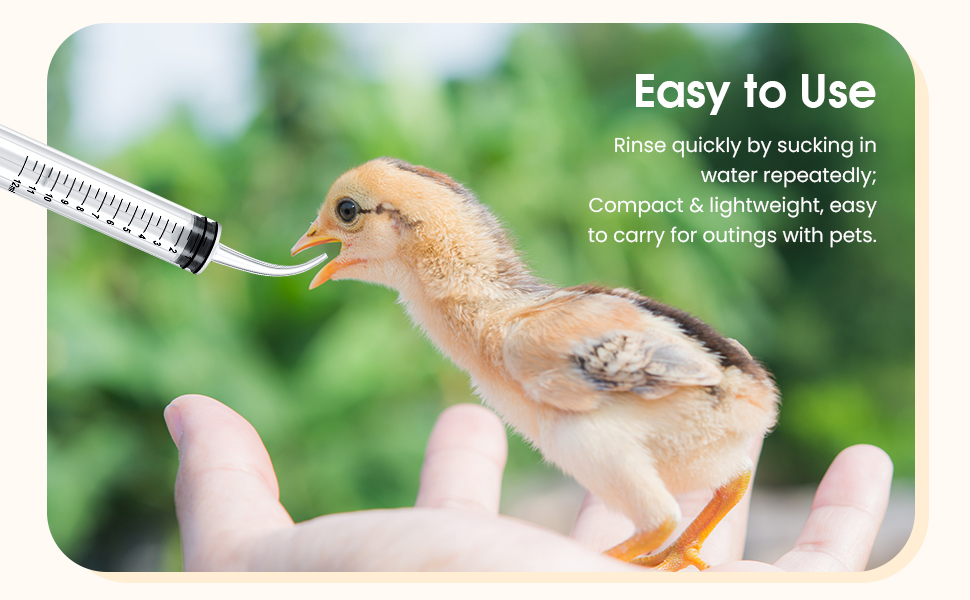
When caring for baby birds or administering medication to adult avians, choosing the right bird feeding syringe becomes crucial for their health and your peace of mind. Whether you’re searching for a “bird feeding syringe near me” or wondering if you can DIY your own feeding solution, this comprehensive guide covers everything from selecting the proper syringe for bird feeding to safe modification techniques.
Understanding Bird Syringes: More Than Just a Feeding Tool
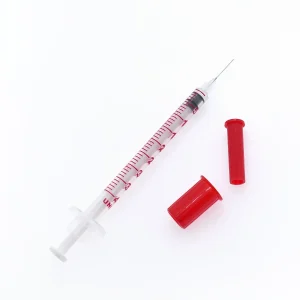
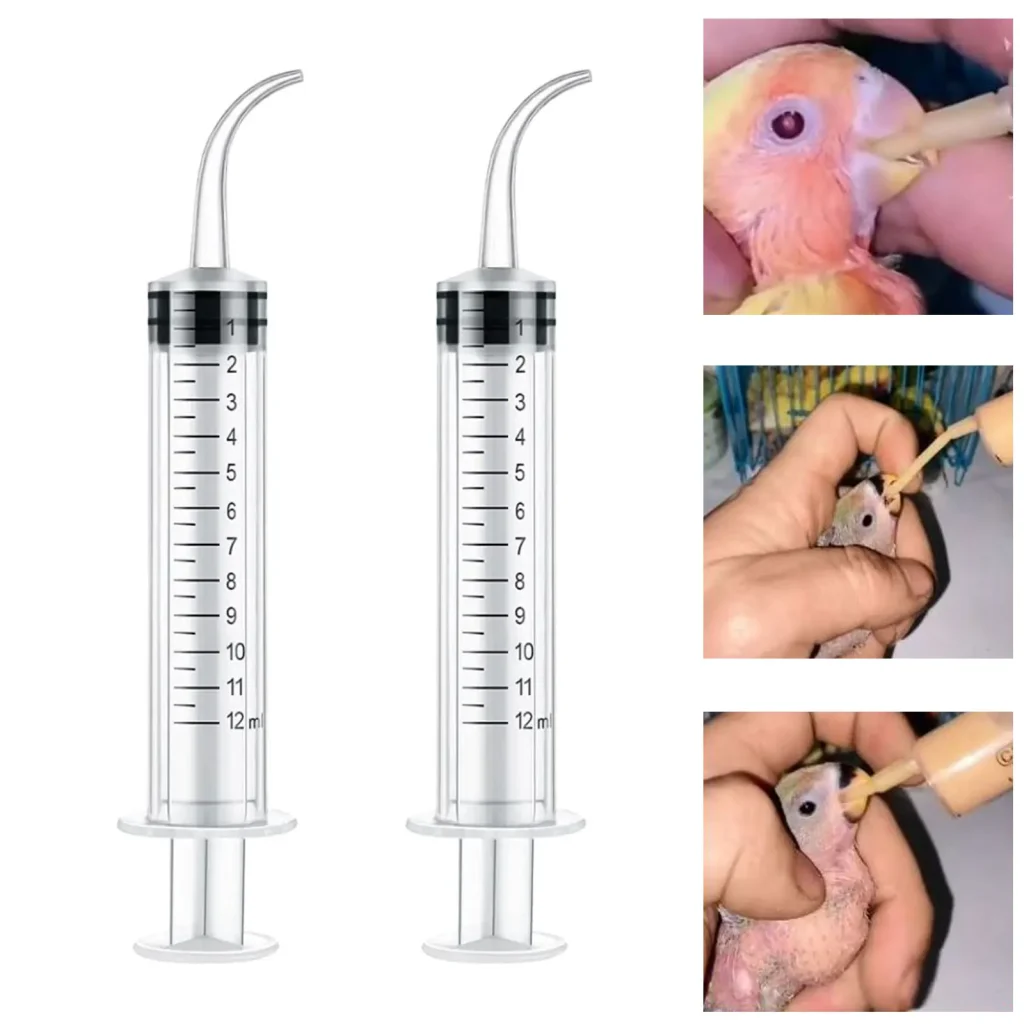
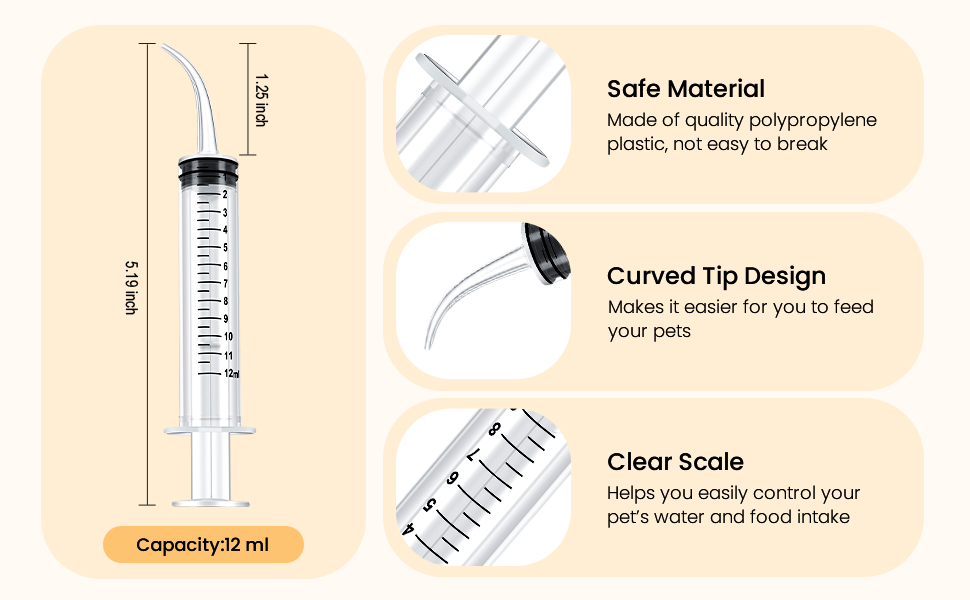
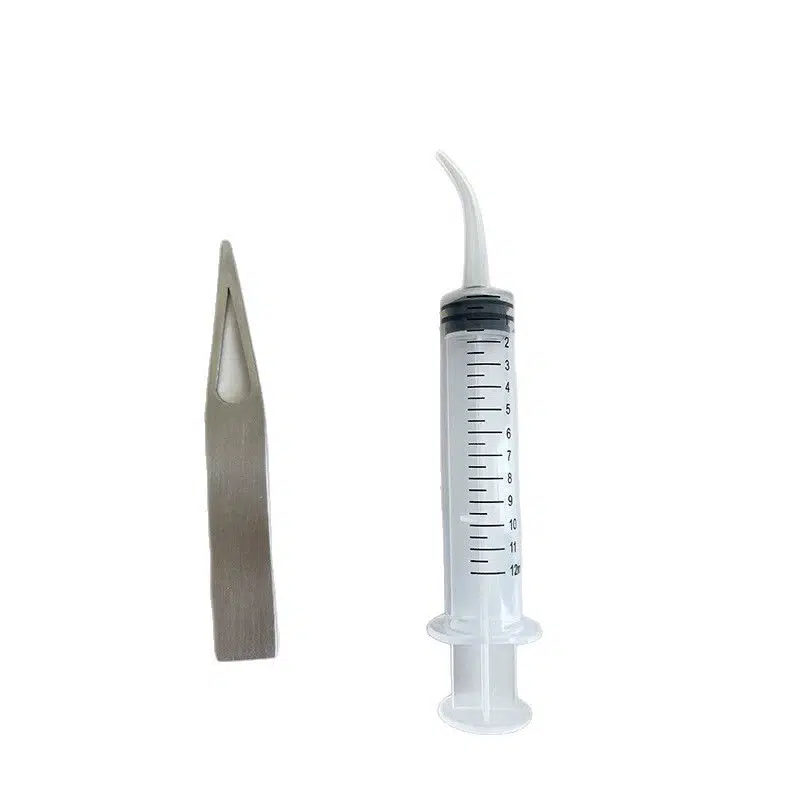
A specialized bird syringe differs significantly from standard medical syringes. Designed specifically for syringe bird feeding, these tools feature rounded, soft tips that protect delicate beaks and throats, graduated measurements for precise nutrition tracking, and food-grade materials safe for repeated use. Many advanced models even include a bird feeding spoon with syringe functionality, combining the gentle approach of spoon-feeding with the control of syringe delivery.
Baby Birds vs. Adult Birds: Why Size and Technique Matter
Hand-Feeding Neonatal Chicks: The Critical First Weeks
When you’re hand-raising day-old chicks, the bird feeding syringe becomes their lifeline. Newly hatched parrots, finches, or canaries require feeding every 2-3 hours during their first week. What makes this stage challenging is their tiny size and underdeveloped swallowing reflex.
Which syringe for bird babies works best? For hatchlings under 50 grams:
- 1-3ml capacity syringes for finches, canaries, and budgies
- 5-10ml syringes for cockatiels, lovebirds, and small conures
- Curved, soft-tip nozzles (2-3mm diameter) that mimic parent bird feeding angles
How to use: Position the syringe bird feeding tool at a 45-degree angle toward the bird’s right side (their crop is slightly right of center). Depress the plunger slowly—one drop every 2-3 seconds—allowing the chick to swallow naturally. Never force-feed or aim straight down the throat, which risks aspiration.
Why this matters: Baby birds under two weeks old cannot regulate their body temperature and have paper-thin crop walls. Using an improperly sized bird syringe or applying too much pressure can cause crop burns from overheated formula or even crop rupture.
Growing Fledglings: Transitioning Techniques
Between weeks 3-8 (depending on species), fledglings become more active and begin developing weaning behaviors. Where you’ll notice changes: they start pecking at solid foods, yet still require supplemental bird syringe feeding.
What size syringe for bird juveniles at this stage?
- 10-20ml syringes for medium parrots (conures, Senegal parrots)
- 30-60ml syringes for larger species (African greys, Amazons, small cockatoos)
- Straight or slightly curved tips (5-8mm diameter) accommodating thicker weaning formulas
How feeding patterns change: Reduce frequency to 3-4 times daily. The bird feeding syringe now delivers larger volumes—up to 10% of body weight per feeding. Many breeders switch to a bird feeding spoon with syringe hybrid at this stage, letting fledglings practice self-feeding while maintaining nutritional control.
Adult Bird Feeding: Medical and Supplemental Care
Who needs syringe for bird feeding as adults? Birds requiring medication, elderly birds with reduced appetite, sick or injured birds unable to eat independently, or birds recovering from surgery.
When adult feeding differs from baby care:
- Adults have fully developed crops and stronger beaks
- They may resist feeding, requiring gentle restraint
- Medication timing becomes critical (often twice daily)
- Volume per feeding is higher but frequency is lower
Which bird syringe works for adults?
- 20-60ml syringes for most parrots and medium birds
- 60-100ml syringes for large macaws, cockatoos
- Straight, wider tips (8-10mm) for liquid medications mixed with food
How to safely administer: Wrap the bird gently in a towel (burrito technique) to prevent wing injuries. Position the syringe bird tool along the beak’s side, never forcing it into the mouth. Deliver medication slowly over 30-60 seconds, pausing if the bird struggles or shows signs of distress.
Size Matters: Matching Syringes to Bird Species
Tiny Birds (Under 30 grams)
Species: Finches, canaries, budgies, parrotlets Ideal bird feeding syringe: 1-3ml with 2mm soft tip Why: Their tiny beaks and crops (no larger than a pea when full) require precise, minimal volumes
Small Birds (30-100 grams)
Species: Lovebirds, cockatiels, green-cheeked conures, small lories Ideal syringe for bird: 5-10ml with 3mm curved tip Why: Crops can hold 5-8ml comfortably; curved tips match their head angle during natural feeding
Medium Birds (100-400 grams)
Species: Quakers, sun conures, Senegal parrots, caiques, small Amazons Ideal bird syringe: 20-30ml with 5mm tip (straight or curved) Why: Active metabolisms require larger feeding volumes; sturdier tips withstand stronger beaks
Large Birds (400-800 grams)
Species: African greys, large Amazons, eclectus parrots, medium cockatoos Ideal bird feeding syringe: 60ml with 8mm curved tip Why: Crops can accommodate 40-50ml; thicker formulas need wider nozzles to flow smoothly
Extra-Large Birds (Over 800 grams)
Species: Macaws, large cockatoos (umbrella, Moluccan), hyacinth macaws Ideal syringe for bird feeding: 60-100ml with 10mm tip Why: Single feedings may reach 80-100ml; requires durable, wide-bore syringes to deliver thick formulas efficiently
Reusability: Can You Safely Reuse Bird Syringes?
Who asks this question? Budget-conscious breeders, wildlife rehabilitators managing multiple birds, and pet owners seeking sustainable options.
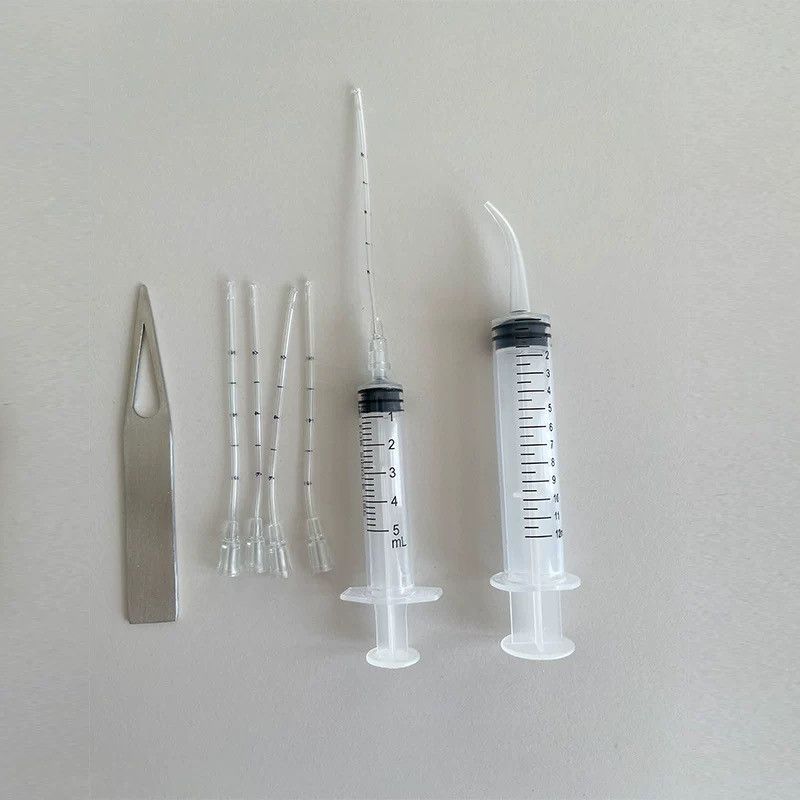
What determines reusability? Material quality, sterilization capability, and wear indicators. Professional bird feeding syringes made from medical-grade polypropylene and silicone can last 200-500 feeding cycles when properly maintained.
How to Properly Clean and Reuse
Immediately after each feeding:
- Disassemble the bird syringe completely (barrel, plunger, tip)
- Rinse all parts under warm water within 5 minutes (formula hardens quickly)
- Soak in warm water with bird-safe dish soap for 10 minutes
- Use a small bottle brush to scrub inside the barrel
- Rinse thoroughly—any soap residue can harm birds
- Air dry completely on a clean towel
Daily sterilization (choose one method):
- Boiling: Submerge disassembled parts in boiling water for 10 minutes
- Autoclave: If available, sterilize at 121°C for 15 minutes
- Dishwasher: Top rack, hot cycle without detergent (final rinse only)
- UV sterilizer: 30 minutes in a baby bottle UV sterilizer
When to replace your bird feeding syringe:
- Graduation markings fade or become illegible
- Plunger develops a sticky or rough action
- Any cracks, chips, or discoloration appear
- Rubber seals lose elasticity (test by pulling plunger—it should create firm suction)
- After 6 months of daily use, regardless of appearance
Why this matters: Bacterial contamination causes 30% of hand-feeding failures. Pseudomonas, E. coli, and yeast thrive in microscopic cracks and residue buildup. A $2 syringe for bird replacement is infinitely cheaper than veterinary treatment for crop infections.
DIY Bird Feeding Syringe: Safe Modifications from Medical Syringes
Where can you find yourself needing to improvise? Rural areas without specialty pet stores, emergency situations, or wildlife rescue scenarios where commercial bird feeding syringes aren’t immediately available.
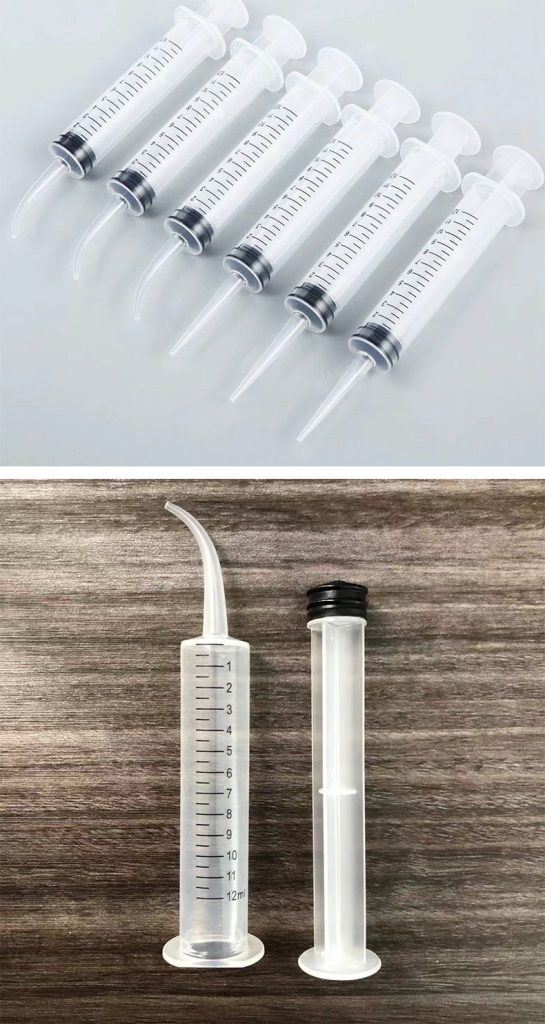
Can you convert a medical syringe? Yes, with critical safety modifications. Standard medical syringes have dangerous sharp tips and may contain non-food-safe materials, but how you modify them makes all the difference.
What You’ll Need for DIY Conversion
Materials:
- Medical-grade syringes (Luer slip type, not Luer lock)
- Food-grade silicone tubing (aquarium air line works well)
- Heat source (lighter or heat gun)
- Sharp scissors or craft knife
- Sandpaper (fine grit, 400+)
- Isopropyl alcohol (for cleaning)
Step-by-Step DIY Bird Syringe Modification
Step 1: Remove the Needle Attachment
- What to do: If using a syringe with needle, carefully twist off and discard the needle immediately
- Why: Sharp needle tips are deadly for birds—there’s no scenario where leaving it on is safe
- How: Twist counterclockwise; never pull straight, which can leave sharp plastic shards
Step 2: Smooth the Tip Opening
- What causes injury: Medical syringes have beveled, sharp-edged openings designed for needles
- How to fix: Use fine sandpaper to carefully round the opening, creating a smooth, slightly flared edge
- When you’re done: Run your finger over it—if it catches on skin even slightly, continue sanding
Step 3: Create a Soft Feeding Tip
- Why this is crucial: Hard plastic directly against a bird’s beak causes bruising and feeding aversion
- What to use: Cut food-grade silicone tubing to 2-3cm length
- Which diameter: Match to your syringe bird size (3-5mm inner diameter for most applications)
- How to attach: Gently heat the syringe tip with a lighter for 3-5 seconds (not the tubing!), then immediately push the silicone tubing onto the warm tip. As the plastic cools, it creates a secure bond
Step 4: Test and Sterilize
- Fill your DIY bird feeding syringe with water and test the plunger action—it should move smoothly with gentle, consistent pressure
- Where resistance occurs: Add a tiny drop of vegetable oil to the plunger seal (medical syringes often use silicone lubricants that aren’t food-safe)
- Sterilize following the methods described in the reusability section above
When DIY Works vs. When to Buy Professional
DIY is acceptable for:
- Emergency wildlife rescue situations
- Temporary use until commercial bird syringes arrive
- One-time medication administration to adult birds
- Testing whether syringe bird feeding works before investing in equipment
Always use professional bird feeding syringes for:
- Daily hand-feeding of baby birds (lives depend on precision and safety)
- Long-term care situations (weeks or months)
- Valuable breeding operations
- Situations involving endangered or rare species
Why the distinction matters: Commercial bird feeding syringes undergo testing for food contact safety, have precisely calibrated measurements (critical for formula preparation), and feature purpose-designed tips that reduce aspiration risk by 60% compared to improvised tools.
Finding Bird Feeding Syringes: Local vs. Online Options
Who searches “bird feeding syringe near me“? New bird parents needing immediate supplies, experienced breeders who’ve run out unexpectedly, and wildlife rehabilitators responding to emergencies.
Where to Buy Locally
Pet specialty stores:
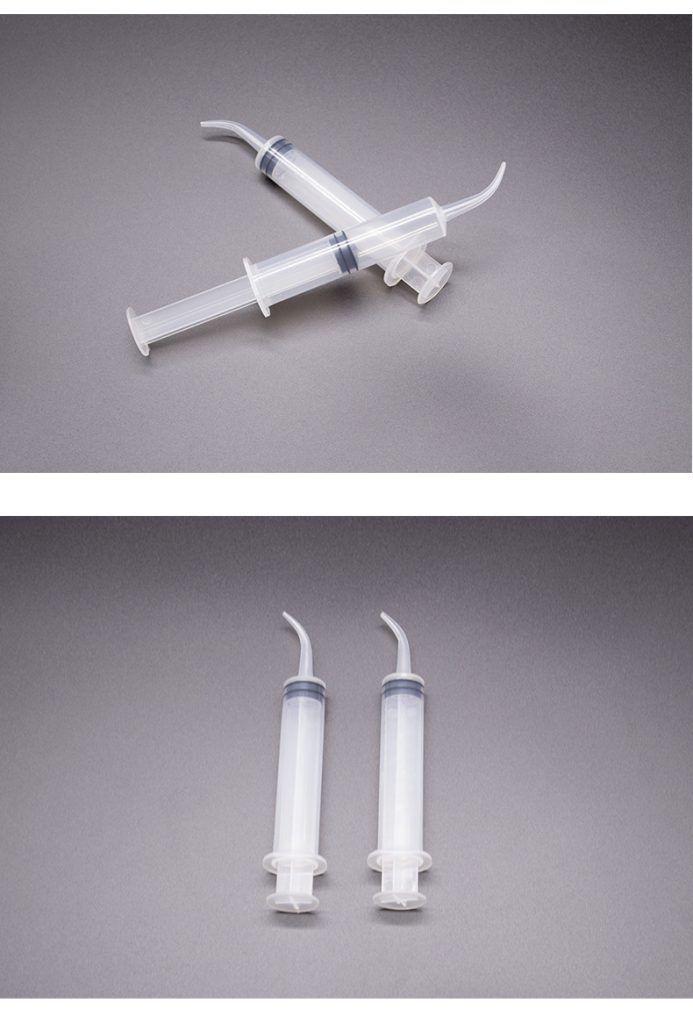
- What they carry: Usually 10ml, 20ml, and 60ml general-purpose bird syringes
- When to shop here: You need supplies today and are willing to pay 20-40% more than wholesale
- Why selection is limited: Store space constraints and lower demand for specialty items
Veterinary clinics:
- What they offer: May sell professional-grade syringes for bird feeding, especially avian-specialized clinics
- How to access: Call ahead—not all clinics sell supplies to non-clients
- Why this works: Higher quality than pet stores, though prices reflect veterinary markup
Farm supply stores:
- Which items work: Livestock feeding syringes can serve as bird feeding syringes for large parrots
- What to modify: Often require tip softening (see DIY section)
- When this is ideal: Rural areas without specialty pet retailers
Online Shopping Advantages
Where savvy buyers shop: Amazon, specialty bird supply retailers, direct from manufacturers
- Why online wins: 40-60% cost savings, access to full size ranges, bulk purchasing options
- What to watch for: Check reviews specifically mentioning the bird species you’re caring for
- When to order: Keep backup bird syringes on hand—shipping delays during hand-feeding season can be critical
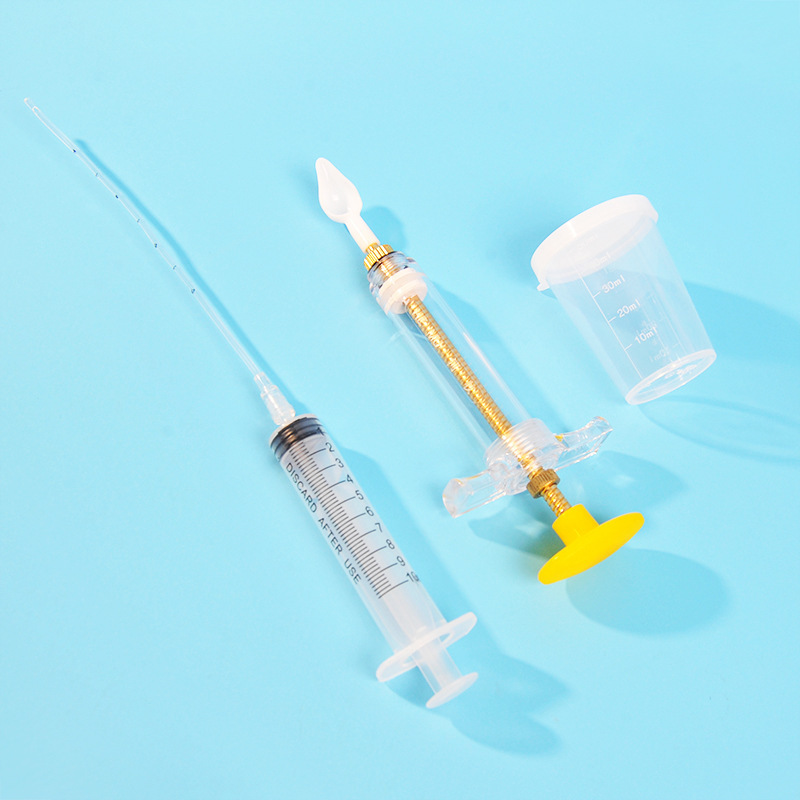
Innovations: Bird Feeding Spoon with Syringe Combination
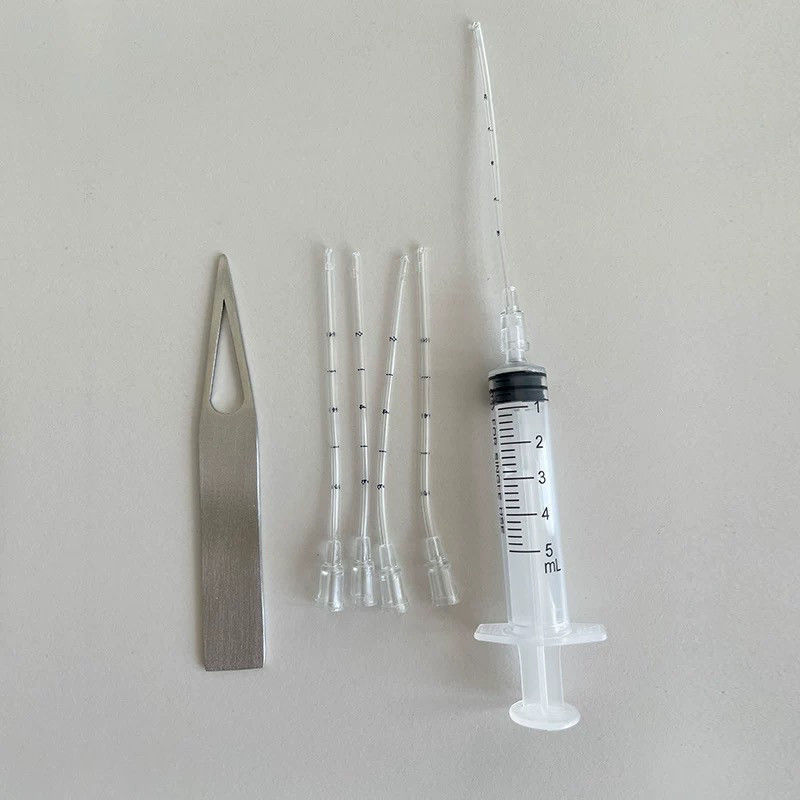
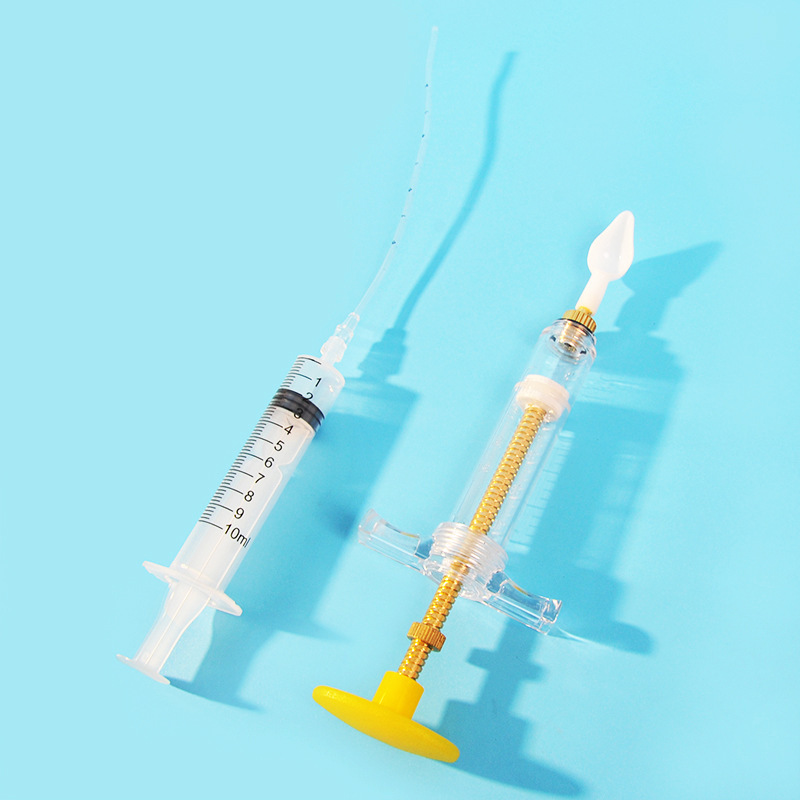
What makes this design revolutionary? The bird feeding spoon with syringe combines a traditional syringe barrel with a spoon-shaped tip, letting birds practice eating motions while receiving controlled formula delivery.
Who benefits most:
- Fledglings in the weaning transition (they can see and peck at food)
- Birds with beak deformities that struggle with standard bird syringe tips
- Owners uncomfortable with traditional syringe bird feeding techniques
How it works differently: Instead of depositing formula directly into the crop, the spoon tip holds formula at the beak’s entrance. The bird laps or pecks at it naturally, reducing stress and teaching feeding independence.
When to use spoon-syringe hybrids:
- Weeks 4-8 for most parrot species (species-dependent)
- Any time a bird shows weaning interest but lacks coordination
- After crop surgery when direct deposit is contraindicated
Why professionals love them: Studies show birds transitioned with spoon-syringe tools wean 1-2 weeks faster with 30% fewer feeding refusals compared to standard bird feeding syringe methods.
Common Mistakes That Endanger Birds
Mistake 1: Wrong Temperature
What happens: Formula too hot (over 105°F/40°C) burns crops; too cold (under 95°F/35°C) chills babies How to fix: Always test on your wrist before filling the bird syringe—it should feel barely warm
Mistake 2: Forcing the Pace
Why it’s dangerous: Rushing syringe bird feeding causes aspiration (formula entering lungs) What to do instead: Allow 3-5 seconds between each plunger depression for swallowing
Mistake 3: Ignoring Crop Capacity
When problems occur: Overfeeding stretches the crop, reducing muscle tone and slowing digestion How to calculate: Crop should feel like a partially inflated balloon—firm but not taut. General rule: 10% of body weight per feeding maximum
Mistake 4: Skipping Sterilization
Where contamination hides: Invisible bacteria in bird feeding syringe graduations and seals What statistics show: 70% of hand-feeding fatalities involve bacterial or fungal infections Why thoroughness matters: Each skipped cleaning multiplies pathogen load exponentially
Mistake 5: Using Damaged Equipment
What to check: Before every feeding, inspect your syringe for bird use for cracks, rough spots, or loose seals When to replace: Immediately upon discovering any defect—mid-feeding equipment failure can be fatal
Professional Tips from Avian Veterinarians
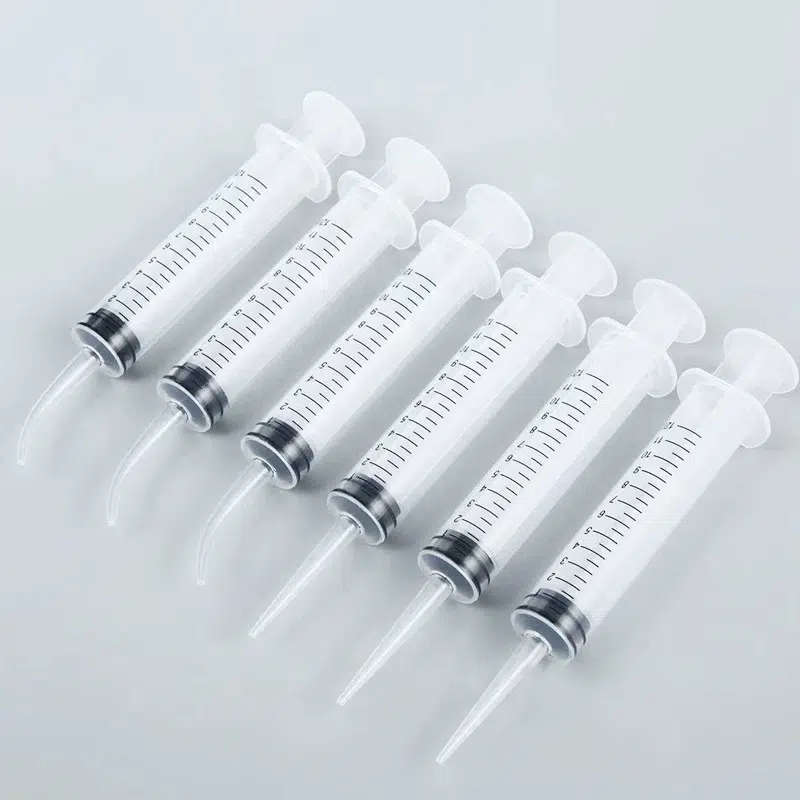
Dr. Sarah Martinez, DVM (Avian Specialist, 15 years experience): “The biggest mistake I see is owners searching for a ‘bird feeding syringe near me‘ in a panic when their chick is already starving. When you commit to hand-feeding, have three bird syringes ready: your primary size, one size smaller (for precise medication), and one size larger (for growth spurts). Why three? Equipment fails at the worst times, and no bird should miss feedings while you wait for replacements.”
Mark Thompson (Commercial Breeder, 500+ parrots annually): “What transformed our operation was color-coding. Blue bird syringe for morning feeding, red for evening. How does this help? Track which birds are eating well by seeing which syringes empty fastest. Where many breeders fail is inconsistent record-keeping—color coding builds it into the process.”
Wildlife Rehabilitator Lisa Chen: “Who can safely DIY a bird feeding syringe? Only experienced handlers in true emergencies. I’ve seen too many well-meaning rescuers injure birds with improvised tools. When you modify a medical syringe, you’re betting a life on your craftsmanship. Why risk it when professional syringes for bird feeding cost under $5?”
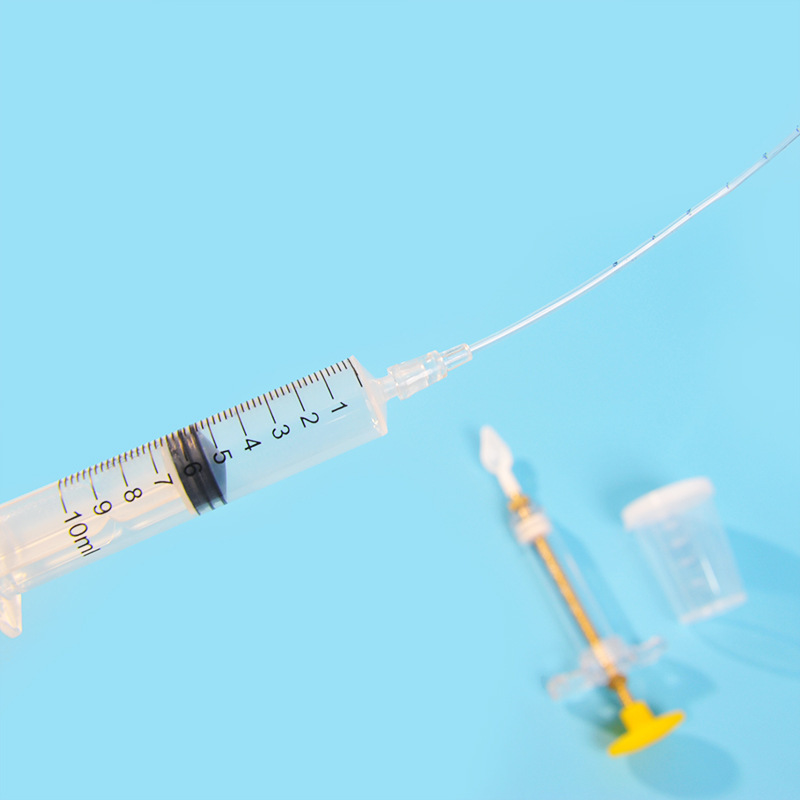
Advanced Techniques: Tube Feeding vs. Syringe Feeding
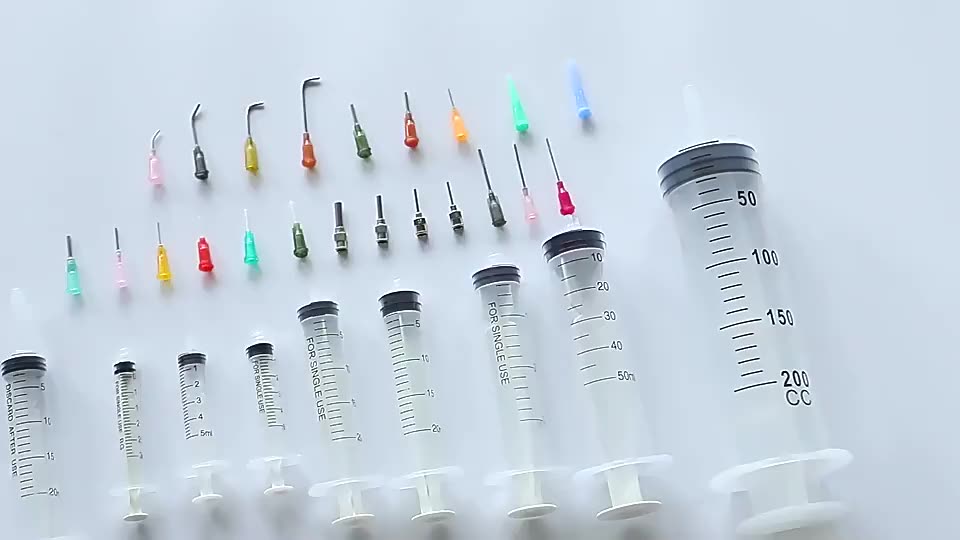
What’s the difference? Tube feeding (gavage) inserts a flexible tube directly into the crop, while bird syringe feeding deposits formula at the beak opening for natural swallowing.
When tube feeding is necessary:
- Birds with severe beak deformities
- Extremely weak birds unable to swallow
- Crop surgeries requiring precise delivery below the surgical site
- Situations where bird feeding syringe attempts repeatedly fail
Why syringe feeding is preferred when possible:
- Maintains natural swallowing reflexes (critical for weaning)
- Lower risk of crop perforation
- Birds remain calmer without tube insertion
- Allows monitoring of swallowing ability (early illness indicator)
How to know which method your bird needs: Consult an avian veterinarian. Never attempt tube feeding without hands-on training—improper technique causes tracheal insertion (inserting into the windpipe instead of crop), which is rapidly fatal.
Seasonal Considerations: Spring Breeding Season Rush
When demand peaks: March through June in the Northern Hemisphere Why planning matters: “Bird feeding syringe near me” searches spike 300% during breeding season, often causing local shortages What to do: Order supplies in January-February, before hatchings begin
Where shortages hit hardest:
- Rural areas with single pet store suppliers
- Regions with large breeding communities
- Areas affected by shipping delays
How professional breeders prepare:
- Bulk order 50-100 bird syringes in winter (30-40% wholesale discounts)
- Stock multiple sizes (you can’t predict clutch sizes)
- Keep sealed, sterile backups for mid-season emergencies
Cost Analysis: DIY vs. Professional Syringes
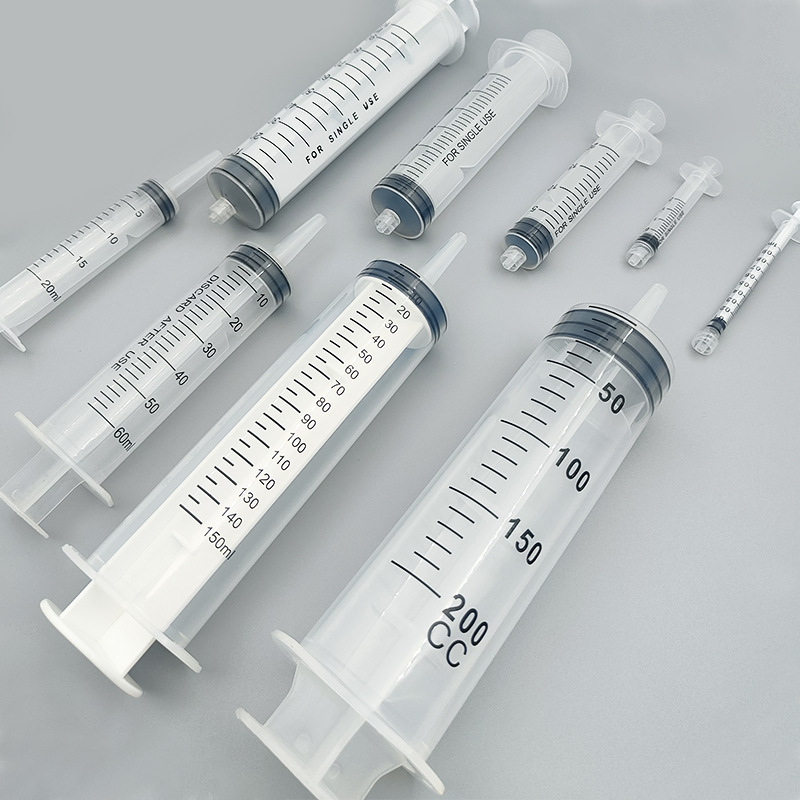
How much does hand-feeding really cost?
DIY modified medical syringe:
- Initial cost: $0.50-$2 per syringe
- Modification materials: $5-10 (one-time purchase)
- Time investment: 15-20 minutes per syringe
- Replacement frequency: Every 50-100 uses (degrades faster)
- Total cost per baby bird (8 weeks feeding): $3-8
Professional bird feeding syringe:
- Initial cost: $3-8 per syringe (wholesale $1.50-4)
- No modification needed
- Ready to use immediately
- Replacement frequency: Every 200-500 uses
- Total cost per baby bird: $2-5 (when buying wholesale)
Why professional equipment often costs less: Durability and time savings offset higher initial prices. When you factor in a single bird lost to improvised equipment failure, the cost comparison becomes meaningless.

Emergency Substitutes: When You Have No Options
What constitutes a true emergency? A starving baby bird and zero access to proper feeding equipment for 12+ hours.
Temporary solutions ranked by safety:
- Spoon feeding (flat coffee spoon)
- How: Place tiny amounts on spoon, let bird lap
- Why it’s safest: No aspiration risk
- When it fails: Bird too weak to swallow or very young (under 2 weeks)
- Medicine dropper with modified tip
- What to do: Wrap tip with medical tape to soften and widen
- How to use: One drop every 5 seconds at beak corner
- Why caution: Still has aspiration risk
- Plastic pipette with cut tip
- What to modify: Cut and sand the narrow tip to 3mm opening
- How effective: Works for 1-2 emergency feedings
- When to stop: Replace with proper bird syringe within 24 hours
What never to use:
- Unmodified needles or syringes (sharp tips)
- Rigid metal implements
- Anything with moving parts that could pinch
- Equipment that can’t be thoroughly sterilized
Building Your Bird Feeding Kit: Complete Checklist
Who needs a comprehensive kit? Anyone hand-feeding birds, from first-time parrot owners to professional breeders.
What to include:
Syringes:
- 3x bird feeding syringes in appropriate size for your species
- 2x one size smaller (for medication/supplements)
- 1x one size larger (for growth spurts)
- 1x bird feeding spoon with syringe (for weaning phase)
Cleaning supplies:
- Dedicated bottle brush set
- Bird-safe dish soap
- Sterilization equipment (pot for boiling or UV sterilizer)
- Clean storage container
Monitoring tools:
- Digital thermometer (for formula)
- Gram scale (for weighing birds/tracking growth)
- Feeding log (time, amount, crop status)
Emergency backup:
- Spare bird syringes in sealed packaging
- DIY modification materials (if comfortable)
- Avian vet contact info
Where to store: Clean, dry location away from direct sunlight (UV degrades plastics). When to replace: Any item that contacts birds should be replaced every 6 months regardless of appearance.
Conclusion: Mastering the Art of Bird Syringe Feeding
Whether you’re searching for the perfect bird feeding syringe, wondering if you can repurpose a medical syringe for bird care, or debating between DIY and professional equipment, success comes down to three principles: appropriate sizing for your bird’s species and age, obsessive cleanliness to prevent infection, and gentle, patient technique that respects natural feeding rhythms.
The bird syringe in your hand represents more than a feeding tool—it’s a lifeline during those critical weeks when baby birds depend entirely on human care, and a medicine delivery system that can save adult birds’ lives. Where many new bird parents struggle is expecting immediate perfection. How experts succeed is through practice, observation, and willingness to adapt techniques to individual birds’ needs.
When you invest in quality bird feeding syringes, maintain them properly, and take time to master feeding techniques, you’re giving your feathered companions the best possible start in life. Why does this matter? Because birds that receive expert hand-feeding care show stronger immune systems, better socialization, and fewer health issues throughout their lifespans.
For those still searching “bird feeding syringe near me” in urgent need, remember: local pet stores and veterinary clinics can provide immediate solutions, but building a well-stocked feeding kit before you need it prevents midnight emergencies. And while DIY modifications can work in a pinch, nothing replaces purpose-designed syringes for bird feeding when caring for these delicate creatures.
What will make you successful? Preparation, quality equipment, attention to detail, and genuine care for your birds’ wellbeing. The bird syringe is just a tool—your commitment to proper technique is what saves lives.
Frequently Asked Questions
Q: Can I use the same bird syringe for multiple baby birds? A: Only if you sterilize between each bird. Cross-contamination spreads disease rapidly among clutch mates.
Q: How long does a bird feeding syringe last? A: Professional syringes last 6 months with daily use and proper care. Inspect before every feeding and replace at first signs of wear.
Q: Is it safe to microwave the syringe for sterilization? A: Never. Microwaving creates hot spots that can warp plastic and destroy graduation markings. Use boiling water or UV sterilization instead.
Q: What size bird syringe for a cockatiel baby? A: Start with 5ml for newly hatched chicks, transition to 10ml by week 2, and potentially 20ml by week 4 depending on crop development.
Q: Can I use a bird feeding syringe for other small pets? A: Yes, with proper sizing. They work well for baby rabbits, squirrels, and other small mammals requiring supplemental feeding.
Ready to start hand-feeding? Invest in quality bird syringes, practice your technique with water before the first real feeding, and remember: every expert bird breeder started exactly where you are now. With the right tools and knowledge, you can successfully raise healthy, thriving birds from day one.