Nerve block needles have become indispensable tools in modern anesthesia and pain management. As healthcare facilities worldwide prioritize patient comfort and procedural precision, the demand for high-quality nerve block needles continues to grow. This comprehensive guide explores the primary user groups, clinical applications, and evolving market dynamics shaping this essential medical device sector.
Primary User Groups for Nerve Block Needles
1. Anesthesiologists and Pain Management Specialists
Anesthesiologists represent the largest user group for medical needles designed for nerve blocks. These professionals perform thousands of regional anesthesia procedures annually, ranging from simple peripheral nerve blocks to complex ultrasound-guided interventions.
Key Requirements:
- Precision and consistency across procedures
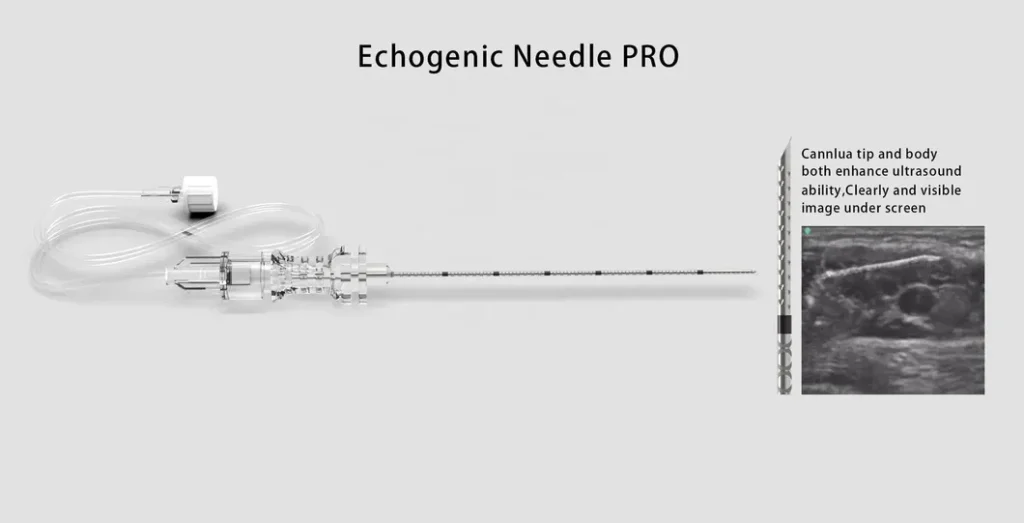
- Enhanced ultrasound visibility with echogenic technology
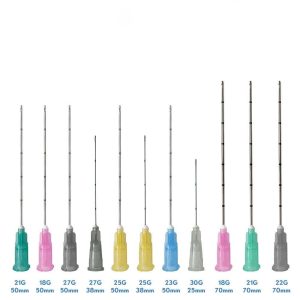
- Multiple gauge and length options for different anatomical targets
- Reliable flashback confirmation for vascular detection
Pain management specialists similarly rely on custom nerve block needle solutions for chronic pain interventions, including stellate ganglion blocks, celiac plexus blocks, and trigger point injections.
2. Hospital Surgical Departments
Operating rooms across orthopedic, general surgery, and obstetric departments have embraced regional anesthesia as an alternative or complement to general anesthesia. Hospitals require bulk quantities of standardized nerve block needles that meet strict quality certifications.
Procurement Priorities:
- ISO 13485 and CE certification compliance
- Consistent inventory availability
- Competitive pricing for high-volume usage
- Customization options for specialized surgical protocols
3. Ambulatory Surgery Centers (ASCs)
The rapid growth of outpatient surgical facilities has created a significant market segment for nerve block equipment. ASCs favor regional anesthesia because it enables faster patient recovery and reduced post-operative monitoring requirements.
Usage Patterns:
- High turnover of orthopedic and ophthalmologic procedures
- Preference for single-use sterile medical needles
- Demand for cost-effective solutions without compromising quality
- Interest in echogenic nerve block needles for ultrasound-guided blocks
4. Emergency Medicine Departments
Emergency physicians increasingly utilize nerve blocks for acute pain management in trauma cases, fracture reductions, and laceration repairs. The emergency setting demands nerve block needles that are intuitive to use and provide rapid pain relief.
Critical Features:
- Quick deployment with minimal preparation
- Clear depth markings for accuracy
- Secure luer lock connections
- Comprehensive size range for pediatric to adult patients
5. Medical Distributors and Group Purchasing Organizations
B2B partners play a crucial role in connecting manufacturers with end users. Distributors seek reliable suppliers of custom nerve block needle products that can meet diverse customer specifications across multiple healthcare settings.
Partnership Requirements:
- Flexible minimum order quantities
- Private label and OEM capabilities
- Technical support and product training resources
- Competitive manufacturer pricing
Clinical Application Scenarios
Orthopedic Surgery
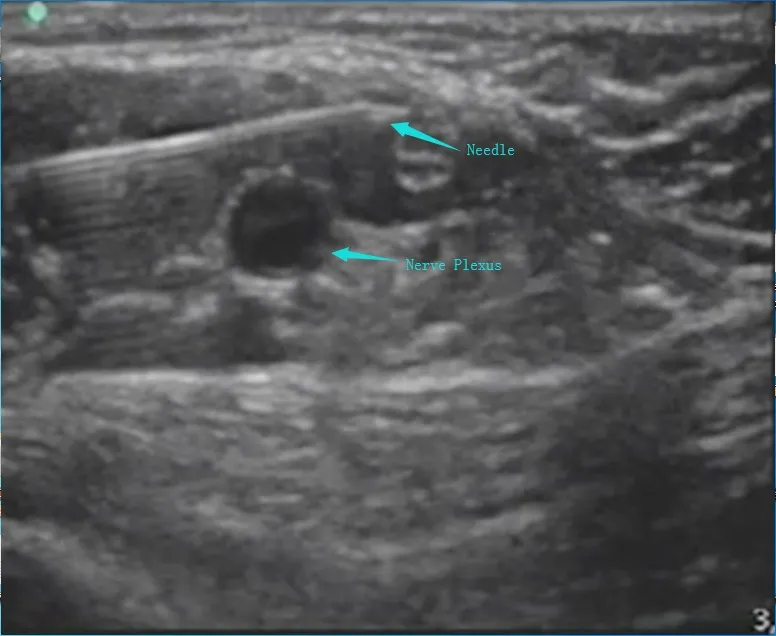
Nerve block needles have revolutionized orthopedic anesthesia, particularly for joint replacement surgeries, arthroscopic procedures, and extremity operations. Femoral nerve blocks, sciatic nerve blocks, and brachial plexus blocks enable patients to undergo surgery with reduced general anesthesia requirements.
Benefits:
- Significant reduction in opioid consumption
- Lower incidence of post-operative nausea
- Improved patient satisfaction scores
- Earlier mobilization and shorter hospital stays
Obstetric Anesthesia
Labor epidurals and cesarean section spinal anesthesia represent high-volume applications for specialized medical needles. The obstetric setting demands exceptional precision to ensure maternal and fetal safety.
Considerations:
- Pencil-point or Tuohy tip designs to minimize dural puncture risk
- Transparent hubs for clear cerebrospinal fluid identification
- Graduated depth markers for controlled insertion
- Strict sterility standards
Chronic Pain Management
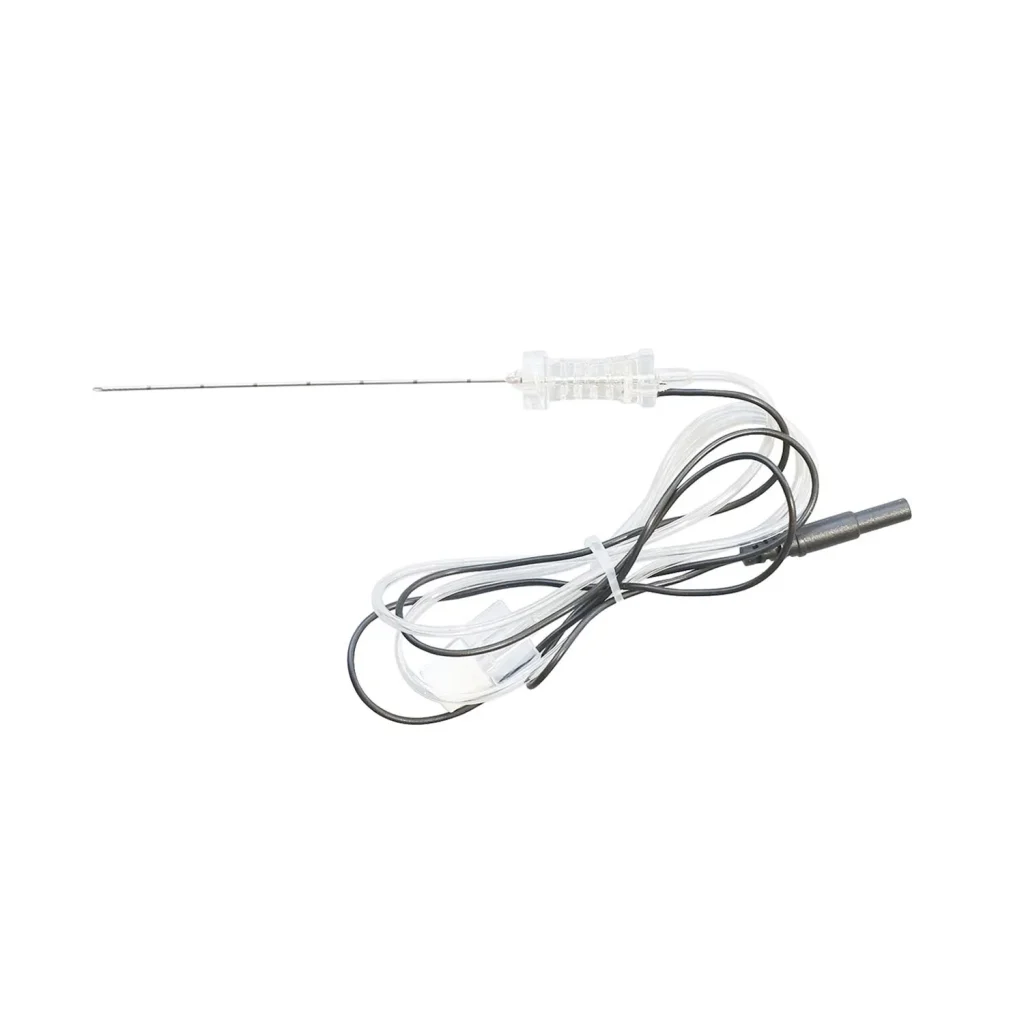
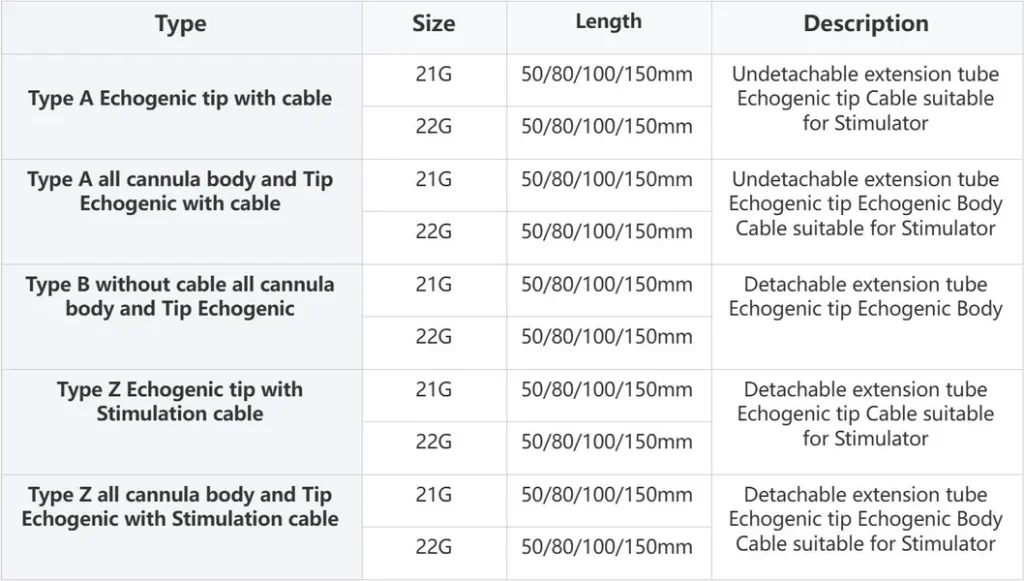
Interventional pain clinics utilize custom nerve block needle solutions for therapeutic and diagnostic procedures. These include facet joint injections, sympathetic nerve blocks, and continuous peripheral nerve block catheter placements.
Procedure Types:
- Diagnostic blocks to identify pain generators
- Therapeutic blocks for long-term pain relief
- Neurolytic procedures for cancer pain management
- Regenerative medicine injections
Pediatric Anesthesia
Children undergoing surgery benefit tremendously from regional anesthesia techniques. Pediatric anesthesiologists require smaller gauge nerve block needles with enhanced safety features.
Special Requirements:
- Ultra-fine needles (24G-25G) to minimize trauma
- Shorter lengths appropriate for pediatric anatomy
- Clear visualization under ultrasound guidance
- Color-coded systems for rapid size identification
Sports Medicine and Rehabilitation
Athletic trainers and sports medicine physicians employ nerve blocks for rapid pain relief, enabling athletes to participate in competitions or accelerate rehabilitation programs.
Applications:
- Pre-competition pain management
- Post-injury acute pain control
- Diagnostic blocks for unclear pain sources
- Facilitation of aggressive physical therapy
Global Market Analysis
Market Growth Drivers
The nerve block needle market has experienced steady growth, driven by several key factors:
1. Rising Surgical Volumes: Global aging populations require more orthopedic, cardiac, and general surgical procedures, increasing demand for regional anesthesia equipment.
2. Opioid Crisis Response: Healthcare systems worldwide are reducing opioid prescriptions, making nerve blocks an attractive alternative for pain management.
3. Ultrasound Technology Adoption: The widespread availability of portable ultrasound devices has made ultrasound-guided nerve blocks standard practice, increasing the need for echogenic medical needles.
4. Cost Containment Pressures: Regional anesthesia often reduces overall procedural costs by decreasing general anesthesia requirements, PACU time, and post-operative complications.
5. Enhanced Recovery Protocols: ERAS (Enhanced Recovery After Surgery) guidelines prominently feature regional anesthesia as a core component, driving institutional adoption.
Regional Market Insights
North America: The largest market for nerve block needles, driven by high surgical volumes, advanced healthcare infrastructure, and strong emphasis on multimodal analgesia. Hospital networks and group purchasing organizations dominate procurement.
Europe: Mature market with established regional anesthesia practices. Emphasis on quality certifications and sustainability. Growing preference for custom nerve block needle solutions tailored to specific clinical protocols.
Asia-Pacific: Fastest-growing regional market, fueled by healthcare infrastructure expansion, medical tourism, and increasing adoption of Western anesthesia practices. Price sensitivity creates opportunities for cost-effective manufacturers.
Latin America: Emerging market with growing private hospital sector. Increasing awareness of regional anesthesia benefits drives gradual market expansion.
Middle East & Africa: Developing market with significant potential. Government healthcare investments and medical tourism in Gulf states create demand for premium medical needles.
Market Segmentation
By Product Type:
- Standard nerve block needles (largest segment)
- Echogenic nerve block needles (fastest-growing segment)
- Insulated stimulating needles
- Catheter-over-needle systems
By Gauge Size:
- 18G-20G (large bore for epidural/spinal)
- 21G-22G (versatile mid-range for peripheral blocks)
- 23G-25G (fine needles for pediatric and superficial blocks)
By End User:
- Hospitals (60% market share)
- Ambulatory surgery centers (25%)
- Pain management clinics (10%)
- Other healthcare facilities (5%)
Competitive Landscape
The nerve block needle market features both large multinational medical device companies and specialized manufacturers like Kohope. Key competitive factors include:
- Product Innovation: Echogenic technology, safety features, and ergonomic designs
- Manufacturing Quality: Consistency, sterility assurance, and regulatory compliance
- Customization Capabilities: Ability to develop custom nerve block needle specifications
- Pricing Strategy: Balancing quality with competitive B2B pricing
- Distribution Networks: Global reach and reliable supply chains
Future Trends and Opportunities
Technological Advancements
1. Enhanced Echogenicity: Next-generation surface treatments providing 360-degree ultrasound visibility regardless of needle angle.
2. Smart Needle Technology: Integration of pressure sensors and depth indicators to provide real-time feedback during insertion.
3. Sustainable Materials: Development of environmentally friendly medical needles using recyclable or biodegradable components.
4. Antimicrobial Coatings: Surface treatments reducing infection risk in immunocompromised patients.
Emerging Applications
Battlefield Medicine: Military medical services adopting nerve blocks for combat casualty care, creating demand for field-deployable nerve block kits.
Telemedicine Integration: Remote guidance systems enabling less experienced practitioners to perform nerve blocks under expert supervision.
Veterinary Medicine: Growing application of regional anesthesia in veterinary surgery expanding market beyond human healthcare.
Regulatory Evolution
Stricter safety standards and traceability requirements are reshaping manufacturing practices. Suppliers of nerve block needles must maintain comprehensive quality management systems and demonstrate clinical efficacy through rigorous testing.
Selecting the Right Nerve Block Needle Supplier
Critical Evaluation Criteria for Healthcare Buyers
Quality Certifications: Verify ISO 13485, CE marking, FDA registration, and compliance with local regulatory requirements.
Customization Capabilities: Assess manufacturer’s ability to develop custom nerve block needle solutions matching specific clinical protocols.
Supply Chain Reliability: Evaluate production capacity, inventory management, and track record for on-time delivery.
Technical Support: Consider availability of product training, clinical education resources, and responsive customer service.
Pricing Structure: Compare total cost of ownership, including product quality, reliability, and support services, not just unit price.
Innovation Pipeline: Partner with manufacturers investing in research and development for next-generation medical needles.
Conclusion
The nerve block needle market continues evolving in response to clinical demands, technological innovations, and healthcare economic pressures. Understanding the diverse user groups—from anesthesiologists to distributors—and their specific requirements is essential for manufacturers and healthcare decision-makers alike.
As regional anesthesia becomes increasingly central to surgical care and pain management, the demand for high-quality, customizable nerve block needles will continue growing. Manufacturers like Kohope that combine precision engineering, customization expertise, and responsive customer service are well-positioned to serve this expanding global market.
For healthcare facilities and B2B partners seeking reliable custom nerve block needle solutions, partnering with experienced manufacturers ensures access to products that meet the highest standards of quality, safety, and clinical performance.
About Kohope Medical
Kohope specializes in manufacturing precision nerve block needles and other medical needles for the global healthcare market. With ISO 13485 certification and comprehensive customization capabilities, Kohope serves hospitals, distributors, and healthcare organizations worldwide. Contact our team to discuss your specific requirements for regional anesthesia equipment.