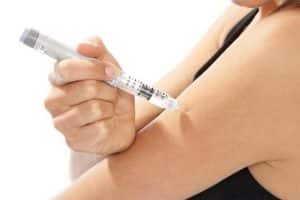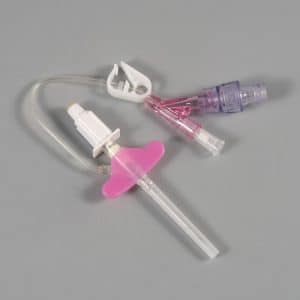
If you or someone you care for uses an insulin pen, the needle is small but matters a lot. The wrong needle can make injections more painful, cause insulin to land in the wrong tissue layer, or put caregivers at risk of accidental needlesticks. This beginner-friendly guide covers insulin pen needle selection, explains how a safety pen needle works, and walks through injection step by step.
Why Pen Needle Choice Matters
More than 500 million adults worldwide live with diabetes. The International Diabetes Federation’s 2021 Atlas put the figure at about 537 million, and it keeps growing. Many of them rely on insulin pens because pens are portable, discreet, and easier to dose accurately than vials and syringes.
But the pen is only half of the system. The needle determines:
- How comfortable the injection feels
- Where the insulin is delivered (in the fat layer, as intended, or in muscle)
- How reliably the full dose is delivered, with no leakage or blockage
- How safe the injection is for the user and for anyone who handles the used needle
Good insulin pen needle selection helps with all four.

Pen Needle Basics: Length and Gauge
Every pen needle is described by two numbers.
1. Length (in millimeters)
Common lengths are 4 mm, 5 mm, 6 mm, 8 mm, 10 mm, and 12.7 mm. Insulin should go into the subcutaneous layer, the fat just under the skin. If the needle is too long, it can reach muscle, where insulin absorbs faster and less predictably. That can cause unexpected low blood sugar.
2. Gauge (needle thickness)
Gauge works backwards: a higher number means a thinner needle.
| Gauge | Approx. outer diameter | Typical feel |
|---|---|---|
| 29G | 0.33 mm | Thicker, flows easily |
| 30G | 0.30 mm | Moderate |
| 31G | 0.26 mm | Thin |
| 32G | 0.23 mm | Very thin |
| 33G | 0.20 mm | Ultra-thin |
Thinner needles generally hurt less, but needles that are very thin can need slightly more injection force or time. Most people do well with 31G to 32G.
How to Choose the Right Needle Length
What the guidelines say
The Forum for Injection Technique (FIT), an international group of diabetes experts, publishes widely used recommendations:
- 4 mm pen needles are considered safe and effective for adults and children, regardless of body weight, including people with obesity.
- 5 mm and 6 mm are alternatives if a person prefers them.
- Needles longer than 6 mm are generally not recommended for most patients, because they raise the risk of accidental muscle injection, especially in thin limbs and in children.
Studies comparing 4 mm needles with longer ones have found similar blood sugar control (HbA1c) with less pain and a lower chance of intramuscular injection. This is why many clinicians now begin with short needles.
Quick selection guide
| Person | Typical suggestion |
|---|---|
| Children and teens | 4 mm (inject without pinching in many cases, per clinician advice) |
| Slim adults | 4 mm |
| Average-weight adults | 4–5 mm |
| Adults with obesity | 4–6 mm (4 mm is still effective) |
| Older adults with thin skin | 4 mm |
Your care team has the final say. Skin thickness varies by body area, age, and body type, so always confirm your needle choice with your doctor, nurse, or diabetes educator.
Do I need to pinch the skin?
It depends on needle length and body site:
- 4 mm needle: Most adults can inject at 90° without pinching a skin fold.
- 5–6 mm needle: Pinching may be needed in lean adults or at thin sites such as the thigh or arm.
- Children or very lean people: A lifted skin fold may be advised to avoid reaching muscle.
What Is a Safety Pen Needle?
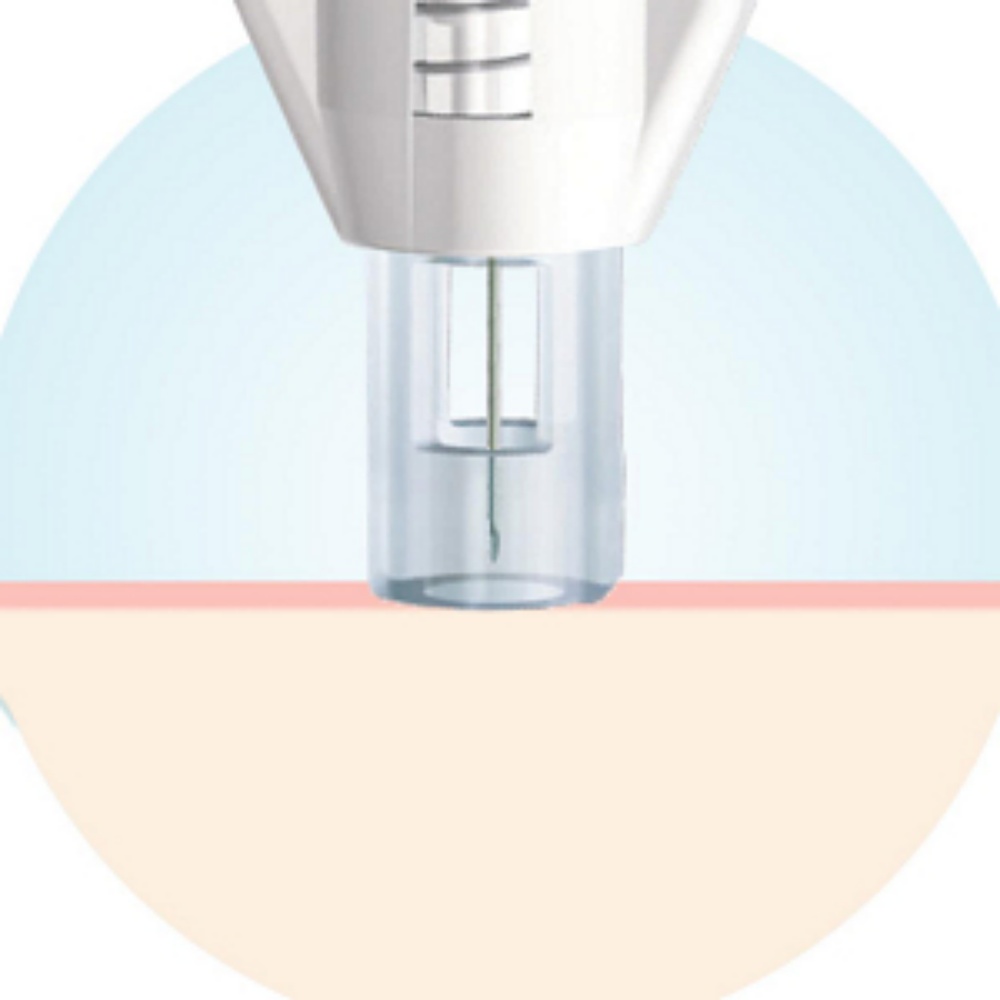
A safety pen needle is designed to shield the needle after use, so the sharp tip can’t accidentally stick the user, a family member, a nurse, or a waste handler. Depending on the design, the shield may:
- Extend automatically over the needle when you withdraw it from the skin
- Lock in place once activated, so it can’t be pushed back
- Hide the needle before and after injection, which can also ease needle anxiety
Why safety matters
Needlestick injuries are a real occupational hazard. The US CDC has estimated roughly 385,000 sharps injuries a year among hospital-based healthcare workers. Exposure to blood-borne pathogens such as hepatitis B, hepatitis C, and HIV is the main concern. In the US, the Needlestick Safety and Prevention Act (2000) pushed healthcare employers to adopt safer devices, and many other countries have introduced similar rules.
Who benefits most from a safety pen needle?
- Nurses and caregivers who inject for patients in hospitals, clinics, and nursing homes
- Family members who help children or elderly relatives
- People with needle fear, since the needle is hidden
- Users with reduced dexterity or vision, who may have trouble handling and capping needles safely
- Homecare and community health workers
You can browse a range of options such as a safety pen needle designed for clinical and home use, with different lengths and gauges to compare against the selection tips above.

Standard vs. Safety Pen Needles
| Feature | Standard pen needle | Safety pen needle |
|---|---|---|
| Needle protection after use | Manual capping only | Built-in shield |
| Needlestick risk | Higher | Much lower |
| Best for | Confident self-injectors | Caregivers, clinics, anxious users |
| Cost | Usually lower | Usually higher per needle |
| Ease of disposal | Needs care | Safer to handle |
If you inject only yourself and handle needles carefully, standard needles can be fine. If anyone else touches your used needles, a safety design is the smarter choice.
Step-by-Step: How to Use an Insulin Pen with a Safety Needle
These are general steps. Always follow your pen’s instructions and your healthcare provider’s advice.
Before you begin
- Wash your hands with soap and water.
- Check the insulin: correct type, not expired, and the right appearance (cloudy insulins such as NPH must be mixed by gently rolling the pen, not shaking hard).
- Gather supplies: pen, new needle, alcohol swab if advised, and a sharps container.
Attach the needle
- Wipe the pen’s rubber seal with an alcohol swab if recommended.
- Peel the seal off a new safety pen needle.
- Screw or push the needle straight onto the pen, depending on the type.
- Remove the outer cap and keep it if you need it for disposal. Remove the inner cap if there is one, according to the product’s instructions.
Do the safety test (prime)
- Dial 2 units (or the amount your pen’s instructions state).
- Hold the pen with the needle pointing up, tap the cartridge gently, and press the button. A drop of insulin should appear at the tip. This clears air and confirms the needle isn’t blocked.
- If no drop appears, repeat up to a few times. If it still fails, replace the needle.
Dial and inject
- Dial your prescribed dose.
- Choose and inspect the injection site (see below).
- Insert the needle straight in at 90° (or as directed).
- Press the button all the way down until the dose counter returns to zero.
- Count slowly to 10 before removing the needle. This helps ensure the full dose is delivered and reduces insulin leaking from the skin.
- Withdraw the needle. On most safety models, the shield now covers the needle automatically or locks after you pull away. Follow the specific instructions for your product.
After the injection
- Do not recap a used needle unless the design requires it.
- Remove the needle (with the shield in place) and drop it directly into a sharps container.
- Store the pen according to the label, without the needle attached.

Choosing and Rotating Injection Sites
The best sites for insulin are:
- Abdomen: fastest, most consistent absorption (stay about 2 inches or 5 cm away from the belly button)
- Thighs: slower absorption, good for outer upper thighs
- Buttocks (upper outer area): slow absorption, often used for children
- Back of the upper arms: a useful site if someone else is helping, and skin fold needs care
Why rotation matters
Injecting repeatedly in the same spot can cause lipohypertrophy, lumps of thickened fatty tissue under the skin. Studies have found lipohypertrophy in a large share of insulin users, with estimates in many studies ranging from about a third to over half of patients. Insulin absorbed from these lumps is often erratic, which can lead to unexplained high or low blood sugar.
Simple rotation tips:
- Divide each area (e.g., the abdomen) into quadrants and use one quadrant per week.
- Within a quadrant, move at least 1 cm (about a finger’s width) from the previous injection.
- Check your skin regularly for lumps, dents, or hard areas, and avoid them.
- Keep a simple log or use a chart to remember where you injected last.
Should You Reuse Pen Needles?
It is tempting to reuse needles to save money, but it’s not recommended:
- Needle tips can bend or develop microscopic burrs after a single use, which can cause more pain and skin damage.
- Reuse is associated with a higher risk of lipohypertrophy.
- Air or insulin can crystallize in the needle, causing blockages and inaccurate doses.
- Leaving a needle on the pen can allow air to enter the cartridge and insulin to leak out.
- Safety pen needles are designed for single use only. Their shield mechanism won’t work properly a second time.
Use a new needle for every injection.
Common Mistakes and How to Avoid Them
| Mistake | Why it’s a problem | Fix |
|---|---|---|
| Skipping the priming test | May deliver less insulin than intended | Always prime 2 units |
| Removing the needle too fast | Insulin leaks out; dose is short | Hold for a 10-second count |
| Using the same site again and again | Lumps; unpredictable absorption | Rotate systematically |
| Choosing needles that are too long | Muscle injection; low blood sugar risk | Use 4–6 mm |
| Reusing needles | Pain, bent tips, blockages | Single-use only |
| Recapping used needles | Needlestick risk | Use a safety design and a sharps container |
| Shaking cloudy insulin hard | Bubbles, dose errors | Roll gently or follow the label |
| Injecting through clothing | Infection and dosing risk | Inject on bare skin |
Safe Disposal of Used Pen Needles
Safe disposal protects your family, waste workers, and the community.
- Use an FDA-cleared sharps container (or the equivalent in your country) if you can.
- If you don’t have one, a heavy-duty plastic household container with a tight screw-on lid, such as a laundry detergent bottle, can serve as a temporary option. Label it clearly: “Sharps – Do Not Recycle.”
- Never fill the container beyond about three-quarters.
- Keep it out of reach of children and pets.
- Follow local rules for final disposal. Some areas offer drop-off sites, mail-back programs, or pharmacy collection.
- Never throw loose needles into household trash or recycling, or flush them.
Troubleshooting Tips
- Insulin leaks from the injection site: Hold the needle in place for the full 10 seconds, and check that the needle is straight and fully inserted.
- Injection hurts: Try a shorter or thinner needle, let refrigerated insulin warm to room temperature first, wait for alcohol to dry, and avoid injecting into scar tissue.
- Bleeding or bruising: Minor bleeding is common. Apply light pressure without rubbing. Frequent bruising is worth mentioning to your care team.
- Dose button is hard to press: The needle may be blocked, or the needle may be too thin for your technique. Replace it and ask your educator for advice.
- Unexplained high blood sugar: Check injection sites for lumps, confirm you’re priming, and verify that your insulin hasn’t expired or been stored incorrectly.
Checklist: How to Choose Your Pen Needle
Use this quick guide for insulin pen needle selection:
- ✅ Length: Start with 4 mm unless your care team advises otherwise.
- ✅ Gauge: 31G–32G offers a good balance of comfort and flow.
- ✅ Compatibility: Confirm the needle fits your specific pen brand. Many pens use a standard thread, but always check.
- ✅ Safety design: Choose a safety pen needle if caregivers, nurses, or family members handle your needles, or if you have needle fear or limited dexterity.
- ✅ Ease of use: Look for clear markings, simple shield activation, and a comfortable grip.
- ✅ Quality and sterility: Buy from reputable suppliers with proper packaging and sterile seals.
- ✅ Supply and cost: Make sure you can maintain a steady supply so you don’t need to reuse needles.

Frequently Asked Questions
1. What is the best pen needle length for beginners?
For most adults and children, 4 mm is the usual starting point, based on international injection technique recommendations. It is effective, comfortable, and lowers the risk of muscle injection.
2. Are thinner needles always better?
Thinner needles usually hurt less, but there’s no need to go to the extreme. A 31G–32G needle is a practical choice for most people.
3. Do all pen needles fit all insulin pens?
Most pen needles use a universal connection, but not all do. Check the product’s compatibility list before buying.
4. Is a safety pen needle worth the extra cost?
If you inject only yourself and handle needles carefully, it may not be necessary. If anyone else handles your needles, or you work in healthcare, it is a worthwhile investment because a single needlestick can lead to testing, treatment, and anxiety.
5. Can I use a safety pen needle on myself?
Yes. Many people with diabetes use them. They can be especially helpful for users who are afraid of seeing the needle.
6. How often should I change my pen needle?
Every single injection. Never reuse.
7. How long should I hold the needle in the skin?
Typically about 10 seconds after pressing the dose button fully, unless your pen’s instructions say otherwise.
8. What should I do if I accidentally stick myself with a used needle that wasn’t mine?
Wash the area with soap and water, do not squeeze or scrub, report the incident, and seek medical advice promptly for blood-borne pathogen evaluation.
Final Thoughts
Choosing the right needle is one of the simplest ways to improve your insulin routine. Start with the basics: a short needle (often 4 mm), a thin gauge (31G–32G), and a new needle every time. Add a safety pen needle into the mix if protection from needlesticks matters for you, your family, or your patients. Pair that with good technique (prime, hold for 10 seconds, rotate sites) and safe disposal, and injections become more comfortable and more reliable.
Always talk to your doctor, diabetes educator, or pharmacist before changing your needle type or injection routine. This article is for general education and isn’t a substitute for professional medical advice.