Why Leading Pharma Companies Are Switching to Customized Syringe Solutions
In today’s rapidly evolving pharmaceutical landscape, the traditional one-size-fits-all approach to drug delivery systems is becoming obsolete. Whether you’re bringing a groundbreaking biologic to market, reformulating an existing medication for enhanced patient compliance, or expanding into the high-growth auto-injector segment, custom medical syringes have evolved from a nice-to-have into a mission-critical component of your product strategy.
This comprehensive guide empowers pharmaceutical procurement managers, R&D directors, quality assurance leaders, and supply chain executives to make informed decisions about when, why, and how to invest in customized syringe solutions that drive competitive advantage.
Critical Scenarios That Demand Custom Medical Syringes
1. Biologic and Specialty Drug Delivery Systems
The Challenge: High-viscosity biologics, monoclonal antibodies (mAbs), biosimilars, and next-generation gene therapies require sophisticated injection systems that conventional, off-the-shelf syringes simply cannot accommodate safely or effectively.
Custom Solutions That Solve Real Problems:
- Optimized barrel diameters engineered specifically for viscous formulations (>20 cP)
- Precision-siliconized barrels that dramatically reduce friction and glide force
- Advanced plunger designs featuring break-loose and extrusion force optimization for consistent, reproducible dosing
- Material selection expertise: glass (Type I borosilicate) vs. cyclic olefin polymer (COP) vs. cyclic olefin copolymer (COC) based on drug-container compatibility studies
- Specialized needle configurations including thin-wall technology for reduced injection force
Real-World Case Study: A Fortune 500 biotech company developing a breakthrough rheumatoid arthritis treatment required tungsten-free plunger stoppers to eliminate particle contamination risks in their sensitive protein-based formulation. Standard syringes would have compromised product stability and potentially triggered regulatory red flags.
2. Prefilled Syringe (PFS) Systems: Meeting the $12.8B Market Opportunity
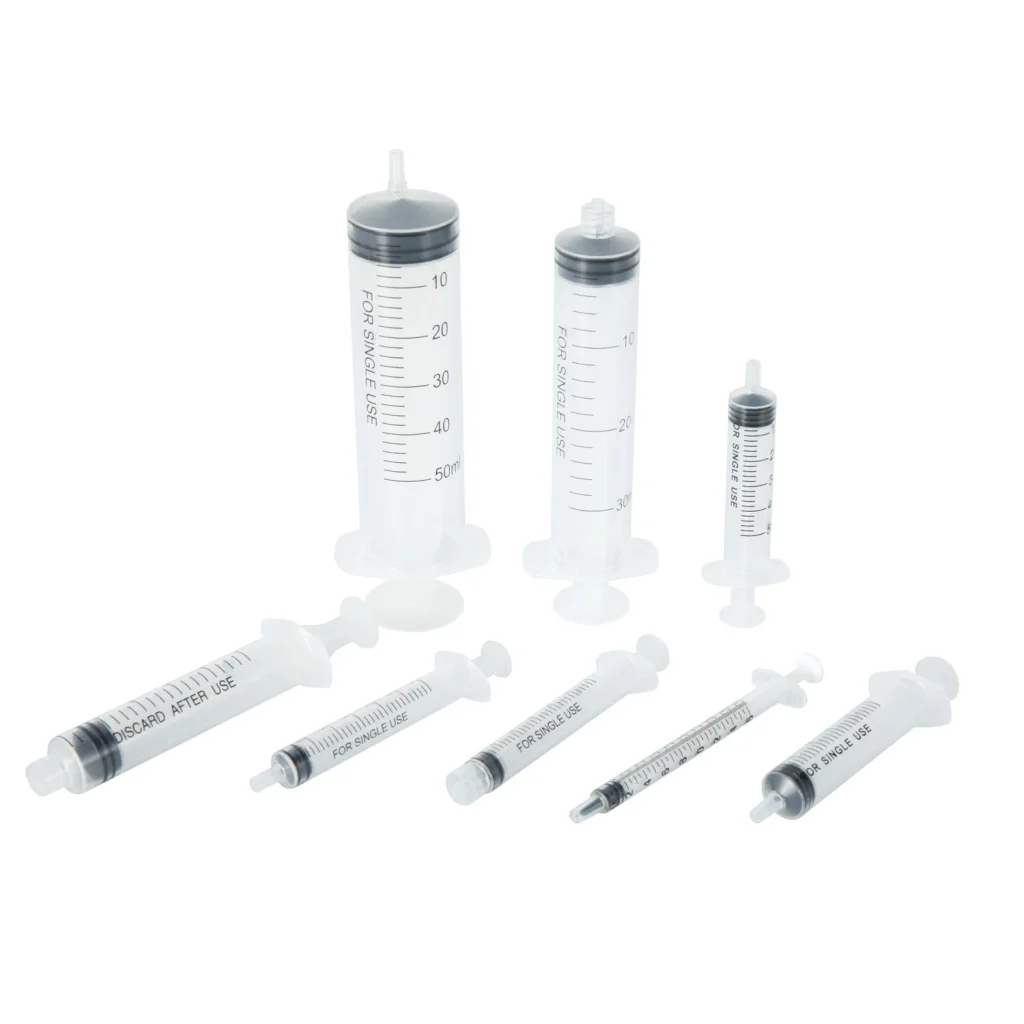
The global prefilled syringe market is on an explosive growth trajectory, projected to reach $12.8 billion by 2028, fueled by increasing demand for patient convenience, dosing accuracy, medication adherence, and reduced healthcare provider workload.
Essential Customization Requirements for PFS Success:
- Tamper-evident packaging systems with visible integrity indicators
- Integrated passive safety features: automatic needle retraction, needle guards, safety shields
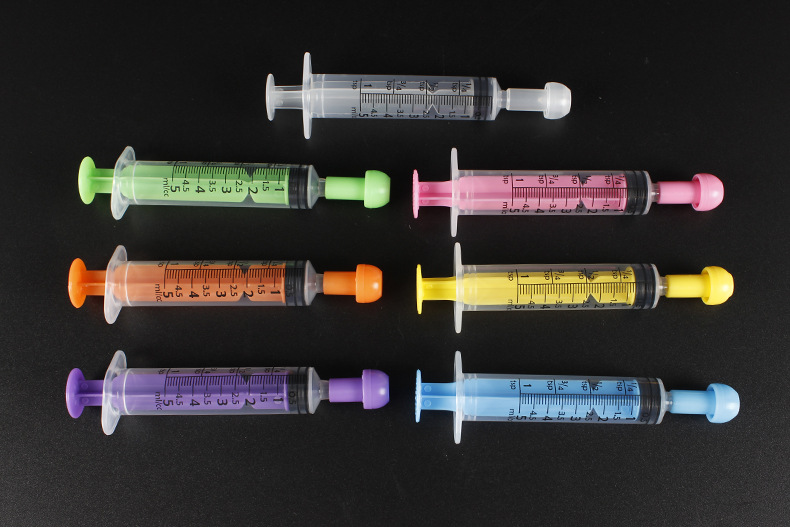
- Intuitive color-coding systems for different dosage strengths (reducing medication errors by up to 43%)
- Co-branded labeling programs that reinforce your pharmaceutical company’s identity at the point of care
- ISO 11040-compliant sterile barrier systems with validated sterility assurance levels (SAL 10⁻⁶)
- Dose verification windows and air bubble detection features
- Finger flange optimization for injection force reduction
Market Advantage: Pharmaceutical companies utilizing premium prefilled syringe systems report 27% higher patient satisfaction scores and 34% better medication adherence rates compared to traditional vial-and-syringe approaches.
3. Pediatric and Geriatric Formulations: Specialized Population Needs
Pediatric-Specific Customizations:
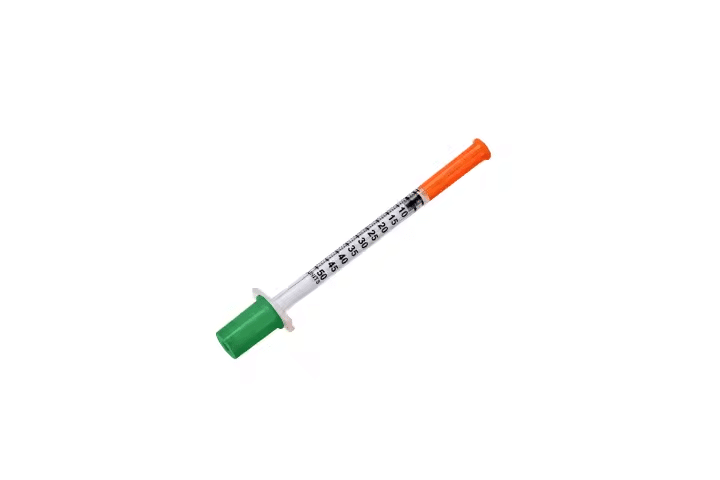
- Ultra-fine gauge needles (30G-32G) with advanced tip geometry to minimize pain perception and tissue trauma
- Micro-dose graduation markings providing 0.01ml precision for weight-based dosing accuracy
- Low dead-space design to minimize drug waste (critical for expensive biologics)
- Child-friendly visual elements that reduce anxiety without compromising medical device integrity
- Safety mechanisms preventing accidental needle exposure and reuse
Geriatric-Optimized Features:
- High-contrast, large-print dosage markings (minimum 12-point font) for patients with visual impairment
- Ergonomic grips with textured surfaces designed specifically for arthritis patients and reduced hand strength
- Pre-measured, fixed-dose systems that eliminate dosing calculation errors
- Clear barrel materials for improved visibility of air bubbles and formulation clarity
- Reduced injection force requirements (typically <15N break-loose force)
Clinical Impact: Studies show that age-appropriate syringe design can reduce administration errors by up to 58% in vulnerable populations.
4. Patient Self-Administration Programs: The Home Healthcare Revolution
With the accelerating shift toward patient-centric care models and home healthcare delivery, pharmaceutical companies are increasingly developing intuitive, fail-safe self-injection systems that empower patients while maintaining clinical efficacy.
Mission-Critical Customizations for Self-Administration:
- Foolproof dosing mechanisms with tactile and audible feedback confirming complete dose delivery
- Integrated needle safety shields meeting OSHA bloodborne pathogen standards
- Multi-sensory visual indicators: dose completion windows, air bubble detection, temperature indicators
- Training-friendly design that reduces the learning curve from weeks to minutes
- Confidence-building features: proper angle indicators, depth limiters, comfort grips
- Child-resistant but senior-accessible packaging solutions
ROI Data: Pharmaceutical companies that invest in superior self-administration syringe designs see:
- 41% reduction in nursing support calls
- 29% improvement in treatment continuation rates
- 52% decrease in injection technique-related adverse events
How to Choose the Right Custom Syringe Manufacturing Partner
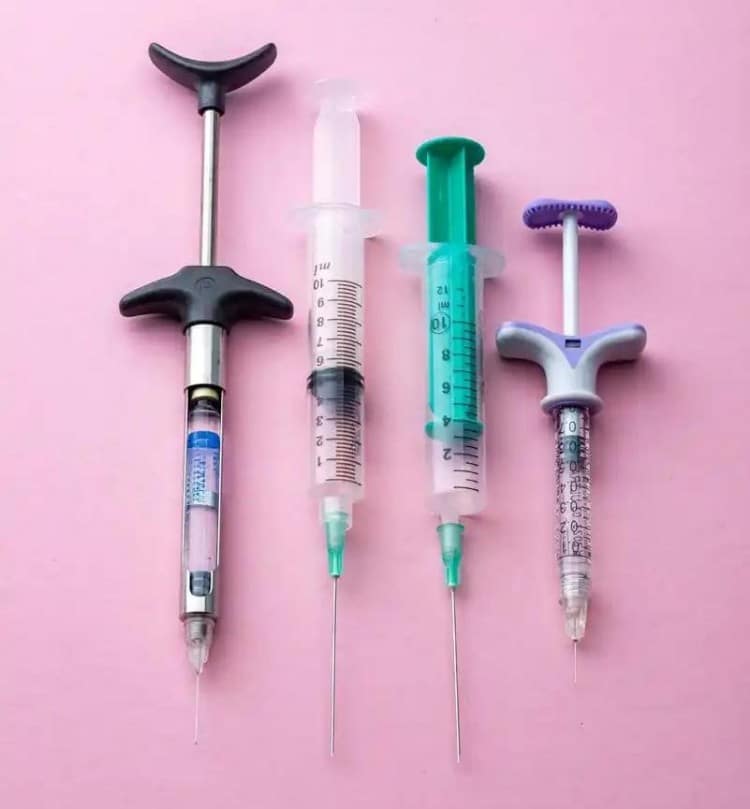
Selecting the optimal custom medical syringe manufacturer is one of the most consequential supply chain decisions pharmaceutical companies make. Here’s your evaluation framework:
Critical Assessment Criteria
1. Regulatory Compliance & Quality Certifications
Non-Negotiable Requirements:
- ISO 13485 certification (Medical Device Quality Management Systems) with audit trail transparency
- FDA 21 CFR Part 820 registration and proven inspection track record
- EU MDR compliance (Medical Device Regulation 2017/745) for European market access
- Drug Master File (DMF) availability (Type II or Type III) to streamline your regulatory submissions
- Current Good Manufacturing Practice (cGMP) adherence for pharmaceutical-grade production
- ISO 11040 standards compliance for prefilled syringe systems
Advanced Certifications That Signal Excellence:
- ISO 15378 (Primary Packaging Materials for Medicinal Products)
- ISO 14644 (Cleanroom Classifications)
- Country-specific certifications (Health Canada, TGA Australia, PMDA Japan)
Red Flags to Watch For:
- Recent FDA warning letters or consent decrees
- Quality system inspection observation trends
- Incomplete regulatory documentation packages
2. Material Compatibility Testing & Validation Expertise
Essential Technical Capabilities:
- Comprehensive Extractables & Leachables (E&L) studies following USP <1663>, <1664>, <1665> protocols
- Drug-specific compatibility testing with your exact formulation (pH range, ionic strength, excipients)
- Accelerated stability testing programs (ICH Q1A/B guidelines)
- Particle contamination analysis using USP <788> and <787> methodologies
- Container closure integrity testing (CCIT) with validated leak detection methods
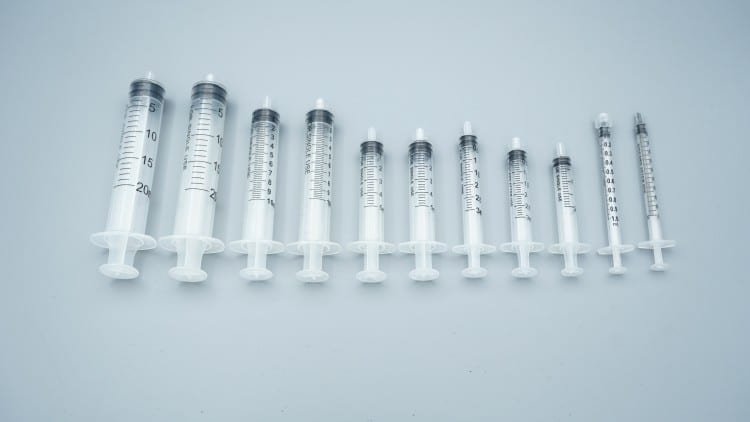
- Functional performance testing: break-loose force, glide force, needle penetration force
Questions to Ask:
- “What is your typical E&L study timeline and cost structure?”
- “Do you have existing compatibility data for drugs similar to ours?”
- “How do you handle unexpected compatibility issues discovered during validation?”
3. Manufacturing Capabilities & Production Excellence
Infrastructure Requirements:
- Cleanroom classification: ISO Class 7 (Class 10,000) or better, with documented environmental monitoring
- Production capacity scalability: Can they grow from pilot batches (10K units) to commercial volumes (10M+ units)?
- Automation level: Balance between flexibility and efficiency
- Quality control systems: In-line inspection, 100% vision systems, statistical process control (SPC)
- Supply chain resilience: Dual-sourcing strategies, inventory buffer programs, business continuity plans
- Vertical integration: In-house tooling, molding, assembly, sterilization capabilities
Capacity Planning Questions:
- “What are your current capacity utilization rates?”
- “What is your lead time for capacity expansion if demand exceeds forecasts?”
- “Do you have contingency manufacturing sites for business continuity?”
Geographic Considerations:
- Domestic manufacturing for supply chain control vs. offshore for cost optimization
- Proximity to your fill-finish operations
- Import/export regulatory complexities
4. Technical Support & Partnership Approach
Value-Added Services That Matter:
- Co-development partnerships: Joint problem-solving from concept through commercialization
- Design for Manufacturing (DFM) expertise: Optimizing your design for cost, quality, and scalability
- Regulatory documentation support: Generating technical files, master files, device descriptions
- Post-launch technical service: Rapid response to field issues, continuous improvement programs
- Training programs: For your manufacturing staff, quality teams, and clinical personnel
Partnership Red Flags:
- Reluctance to sign confidentiality agreements or IP protection clauses
- Limited access to technical experts during evaluation phase
- Cookie-cutter responses that don’t address your specific drug characteristics
The Custom Syringe Development Process: A Realistic Timeline
Understanding the custom medical syringe development lifecycle is critical for synchronizing with your drug development milestones.
Phase 1: Requirement Analysis & Feasibility (2-4 weeks)
Key Activities:
- Comprehensive drug formulation characteristics review (viscosity, pH, excipients, fill volume)
- Target patient population assessment (age, dexterity, vision, self-administration capability)
- Regulatory pathway determination (510(k), PMA, CE marking strategy)
- Volume projections and market forecasts (launch year through Year 5)
- Preliminary cost modeling and ROI analysis
- Risk assessment and mitigation planning
Deliverables:
- Technical feasibility report
- Preliminary design concepts
- Budget estimate and development timeline
- Material recommendations
Phase 2: Design, Engineering & Prototyping (6-12 weeks)
Key Activities:
- CAD modeling with Design Failure Mode Effects Analysis (DFMEA)
- Material selection and supplier qualification
- Prototype tooling design and fabrication
- Prototype production (typically 100-500 units for initial testing)
- Initial compatibility testing and functional assessment
- Human factors engineering evaluation (for self-administration devices)
- Iterative design refinement based on test results
Deliverables:
- Engineering drawings and specifications
- Prototype samples for internal evaluation
- Preliminary test data
- Design history file (DHF) initiation
Phase 3: Validation & Regulatory Documentation (12-24 weeks)
Key Activities:
- Full-scale Extractables & Leachables (E&L) studies (often the critical path)
- Comprehensive functional testing: break-loose force, glide force, dose accuracy, needle penetration
- Real-time and accelerated stability studies with your drug product
- Biocompatibility testing per ISO 10993
- Package integrity and sterility testing
- Process validation protocols (IQ/OQ/PQ)
- Regulatory documentation preparation: Device Master Record (DMR), technical files, risk analysis
Deliverables:
- Complete validation package
- Regulatory submission-ready documentation
- Certificate of analysis (CoA) template
- Supply agreement framework
Pro Tip: E&L studies alone can take 16-20 weeks, so factor this into your critical path planning.
Phase 4: Scale-Up, Transfer & Commercial Production (Timeline Varies: 8-16 weeks)
Key Activities:
- Manufacturing process validation with commercial tooling
- First article inspection (FAI) and qualification runs
- Production line setup and operator training
- Quality system integration and SPC implementation
- Ongoing quality monitoring: trending, corrective/preventive actions (CAPA)
- Post-market surveillance programs
Deliverables:
- Validated manufacturing process
- Production batch records
- Quality agreements and specifications
- Commercial supply
Critical Success Factor: Start your custom syringe development process 18-24 months before your anticipated drug launch date. For complex biologics or novel combination products, extend this to 24-30 months to accommodate potential setbacks.
Cost Considerations: When Does Customization Deliver ROI?
Financial Break-Even Analysis
Standard Off-the-Shelf Syringes:
- Unit cost: $0.05 – $0.15 (commodity pricing, limited differentiation)
- Lead time: 2-4 weeks
- Minimum order: 10,000 units
Custom-Engineered Syringes:
- Unit cost: $0.20 – $0.80 (depending on complexity, volume, and feature set)
- Lead time: 12-16 weeks (after tooling completion)
- Minimum order: typically 50,000-100,000 units
Custom Tooling Investment:
- Simple modifications: $15,000 – $35,000
- Moderate complexity: $35,000 – $75,000
- High complexity (multi-cavity, automated assembly): $75,000 – $150,000+
When Customization Makes Financial Sense:
✅ Annual volume exceeds 500,000 units (tooling cost amortization becomes favorable)
✅ Product differentiation adds significant market value (premium pricing, competitive moat)
✅ Reducing administration errors saves downstream costs (fewer adverse events, improved outcomes)
✅ Patent protection creates sustainable competitive advantage (device-drug combination IP)
✅ Regulatory or market access requirements mandate specific features (EU safety regulations, hospital formulary preferences)
✅ Patient adherence improvements drive lifetime value (chronic disease management)
Hidden Costs of NOT Customizing Your Syringe Solution
Many pharmaceutical companies underestimate the total cost of ownership when using incompatible or suboptimal standard syringes:
❌ Drug wastage due to high dead space volumes (can represent 5-15% product loss for expensive biologics)
❌ Increased adverse events from dosing errors, injection site reactions, or contamination (potential liability exposure)
❌ Market access challenges in safety-conscious markets requiring passive safety features
❌ Lost revenue from product recalls, field corrective actions, or delayed launches
❌ Competitive disadvantage as competitors deploy superior delivery systems
❌ Healthcare provider resistance to cumbersome, error-prone administration procedures
❌ Patient non-compliance due to pain, difficulty of use, or injection anxiety
Case Example: One mid-size pharmaceutical company calculated that switching from standard to custom prefilled syringes cost an additional $0.45 per unit but generated:
- $2.3M in annual drug waste reduction
- 18% improvement in patient adherence (valued at $12M in retained revenue)
- Elimination of $4.8M in projected recall costs avoided
Net benefit: $14.6M annually, delivering ROI in just 4 months.
Emerging Trends Shaping the Future of Custom Medical Syringes
1. Smart Syringes with Digital Health Integration
The convergence of medical devices and digital health technologies is creating unprecedented opportunities:
Current Innovations:
- RFID/NFC tags for serialization, track-and-trace, and anti-counterfeiting
- Bluetooth-enabled injection data logging capturing date, time, dose, and technique metrics
- Connected adherence monitoring systems with cloud-based dashboards for healthcare providers
- AI-powered injection technique analysis providing real-time patient feedback
- Blockchain integration for supply chain transparency and drug authentication
Market Impact: The global smart syringe market is expected to grow at 8.9% CAGR through 2030, driven by regulatory mandates and value-based care models.
2. Sustainable Materials & Environmental Responsibility
Pharmaceutical companies face increasing pressure from investors, regulators, and consumers to reduce environmental impact:
Sustainability Innovations:
- Bio-based polymers replacing petroleum-derived plastics (PLA, PHA alternatives)
- Recyclable packaging systems with material recovery programs
- Reduced plastic waste initiatives: lightweighting, material efficiency
- Circular economy models: take-back programs, reprocessing partnerships
- Carbon footprint transparency: lifecycle assessments, sustainability reporting
Regulatory Drivers: EU Single-Use Plastics Directive and similar global initiatives are accelerating the transition to sustainable medical devices.
3. Combination Products & Advanced Delivery Platforms
Next-Generation Systems:
- Integrated reconstitution systems for lyophilized drugs (dual-chamber designs)
- On-body delivery systems for large-volume biologics (wearable injectors)
- Microarray patch technologies for needle-free delivery
- Auto-injector platforms with customizable injection profiles
- Connected injection pens with dose memory and Bluetooth connectivity
Development Consideration: Combination products face more complex regulatory pathways (FDA’s combination product office, EU’s borderline products) requiring early strategic planning.
Essential Questions to Ask Your Custom Syringe Supplier
Before committing to a long-term manufacturing partnership, ensure you have clear answers to these critical questions:
Technical Capabilities
- “What is your documented experience with drugs similar to ours in terms of viscosity, pH, and excipient composition?”
- “Can you provide extractables & leachables data for materials compatible with our formulation?”
- “What is your approach to design risk management and failure mode analysis?”
Quality & Compliance
- “Can you provide references from pharmaceutical clients with products currently on the market?”
- “What has been your FDA inspection history over the past 5 years, and can we review observation responses?”
- “How do you manage change control and communicate changes that might impact our product?”
Supply Chain Reliability
- “What is your typical lead time from purchase order to delivery for commercial orders?”
- “How do you handle supply chain disruptions, and what is your business continuity plan?”
- “What inventory buffer programs or consignment options do you offer?”
Partnership & Support
- “What post-market surveillance and complaint handling support do you provide?”
- “Do you offer design IP protection agreements, and how do you handle joint inventions?”
- “What is your approach to continuous improvement and cost reduction after commercial launch?”
Financial & Commercial
- “What is your pricing structure, and how does it scale with volume?”
- “What are the payment terms, and are there penalties for forecast variability?”
- “How do you handle technology transfer if we need to dual-source in the future?”
Red Flag Warning Signs:
- Evasive answers about regulatory compliance history
- Inability to provide pharmaceutical client references
- Pressure to commit before completing technical evaluation
- Lack of transparency about capacity constraints
- Unwillingness to discuss IP protection mechanisms
Conclusion: Transform Custom Syringes from Cost Center to Strategic Competitive Advantage
Custom medical syringes have fundamentally evolved from a commodity purchasing decision into a strategic differentiator for pharmaceutical companies serious about:
✅ Patient safety, satisfaction, and improved clinical outcomes ✅ Regulatory compliance and proactive risk mitigation ✅ Market differentiation in increasingly competitive therapeutic areas ✅ Long-term cost optimization and total cost of ownership reduction ✅ Building sustainable competitive moats through device-drug combination IP
The pharmaceutical companies that will thrive in the next decade are those that recognize medical device delivery systems as an integral component of their drug development strategy—not an afterthought addressed during late-stage commercialization planning.
The key to success is partnering with a custom syringe manufacturing partner who genuinely understands both the complex technical demands of advanced drug delivery AND the intense commercial pressures of pharmaceutical development timelines, regulatory pathways, and market dynamics.
Your Next Steps: Building a Custom Syringe Strategy
Immediate Actions (This Week):
- Audit your current syringe suppliers against the comprehensive criteria outlined above
- Identify pipeline products (Phase II through pre-launch) that could benefit from customization
- Calculate total cost of ownership for your current standard syringe approach vs. custom solutions
Short-Term Planning (This Month):
- Request samples and complete technical documentation from 3-5 potential manufacturing partners
- Build customization timelines into your product development roadmap and integrate with regulatory milestones
- Initiate internal stakeholder alignment across R&D, Quality, Regulatory, Supply Chain, and Commercial teams
Strategic Initiatives (This Quarter):
- Develop a supplier evaluation scorecard customized to your specific therapeutic area and patient population
- Create a custom syringe innovation roadmap aligned with your 3-5 year product portfolio
- Establish cross-functional governance for device development parallel to drug development
About [Your Company Name]: Your Partner in Custom Medical Syringe Innovation
[Your Company Name] is an ISO 13485-certified manufacturer of premium custom medical syringes, prefilled syringe systems, and advanced injection devices, serving leading pharmaceutical and biotech companies worldwide.
What Sets Us Apart:
- Over [X] years of specialized experience in pharmaceutical-grade injection systems
- In-house regulatory expertise with successful FDA, EMA, and global submissions
- Full-service partnership model: concept to commercialization to lifecycle management
- State-of-the-art ISO Class 7 cleanroom facilities with advanced automation
- Proven track record: [XX] products successfully launched, [XXX] million syringes produced annually
- Commitment to innovation: Active investment in smart syringe technology and sustainable materials
Our Pharmaceutical Solutions Team is Ready to Partner With You:
📞 Schedule a Technical Consultation → [CTA Button]
📧 Request Sample Kit & Documentation → [CTA Button]
💼 Download Our Capabilities Brochure → [CTA Button]
Industry Certifications: ISO 13485 | FDA Registered | EU MDR Compliant | ISO 15378 | cGMP
Strategic Keywords for SEO Optimization
Primary Keywords: custom medical syringes, pharmaceutical syringe manufacturer, prefilled syringe solutions, custom syringe design, medical device OEM
Secondary Keywords: biologic drug delivery systems, injection device customization, syringe manufacturing partner, pharmaceutical packaging solutions, auto-injector development, patient-centric delivery systems, extractables and leachables testing, ISO 13485 syringe manufacturer
Long-Tail Keywords: custom syringes for biologics, prefilled syringe system development, pharmaceutical grade injection devices, FDA compliant syringe manufacturer, self-administration injection systems, specialty drug delivery solutions, custom medical device manufacturing partnership
Last Updated: [Current Date] | © [Current Year] [Your Company Name]. All rights reserved.