When it comes to clinical diagnostics, selecting the right blood collection tubes can make all the difference in test accuracy and patient care. Among the various types available, the ESR tube stands out as a specialized tool designed for one critical purpose: measuring the Erythrocyte Sedimentation Rate. But what exactly makes these tubes different, and how do you choose the right one for your laboratory needs?
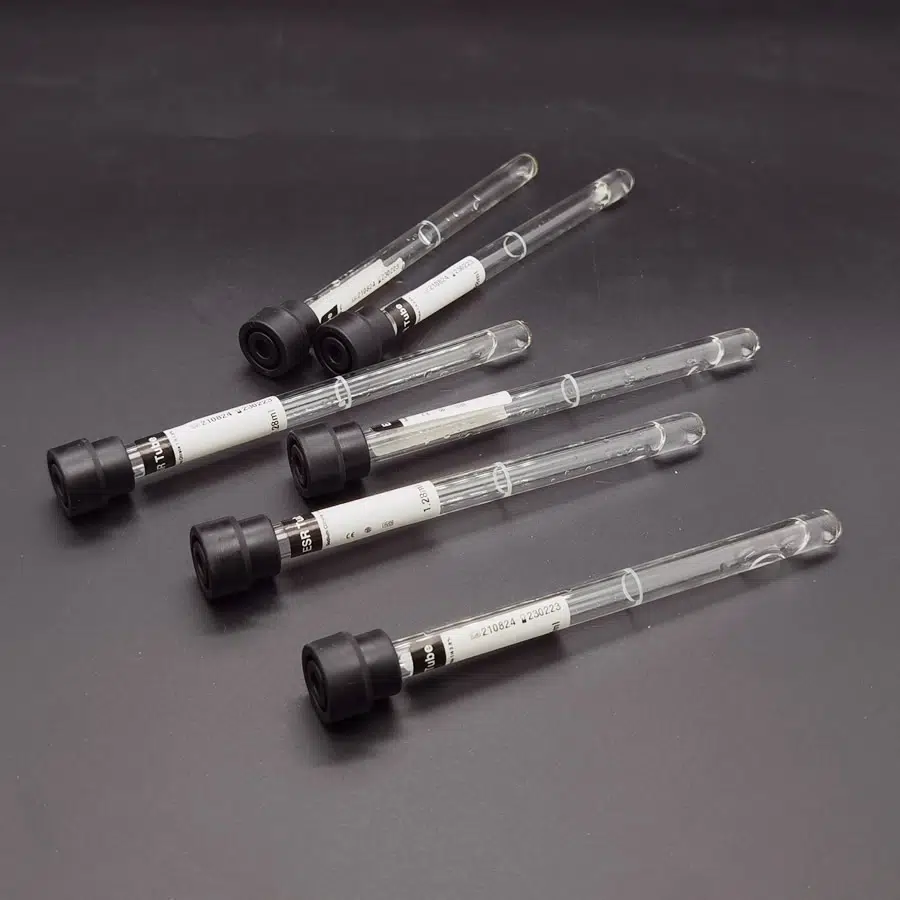
What Are ESR Tubes and How Do They Work?
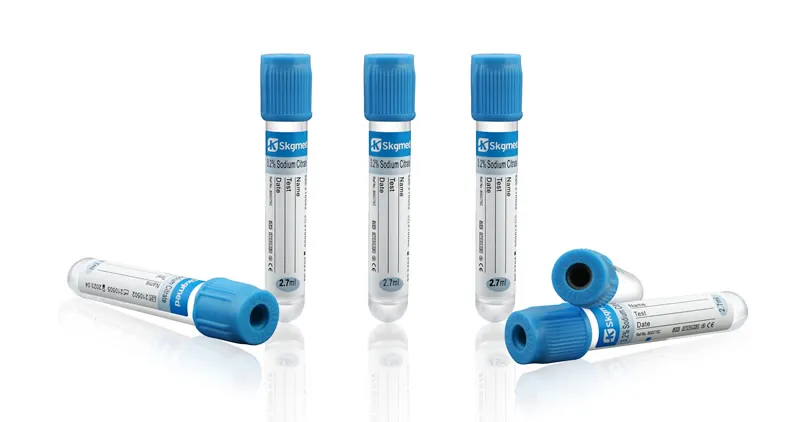
An ESR tube is a specific type of vacuum blood collection tube pre-filled with 3.8% sodium citrate solution at a concentration of 0.129mol/L. Unlike standard blood collection tubes, these are engineered specifically for ESR testing—a diagnostic procedure that measures how quickly red blood cells settle at the bottom of a test tube.
The sodium citrate tube works by preventing blood coagulation while preserving the integrity of red blood cells. The anticoagulant binds with calcium ions in the blood, stopping the clotting cascade without damaging cellular structures. This preservation is crucial because ESR tests require whole blood in its most natural state to produce accurate sedimentation readings.
The standard mixing ratio in these blood collection tubes is 4:1—four parts blood to one part sodium citrate solution. This precise ratio is not arbitrary; it’s calibrated to maintain the correct blood viscosity and pH level necessary for reliable ESR measurements that correlate with the gold-standard Westergren method.

When Do Healthcare Professionals Use ESR Tubes?
ESR testing serves as a valuable screening tool across numerous medical scenarios. Physicians order ESR tests when they suspect inflammatory conditions, infections, or autoimmune diseases. The test is particularly useful because it’s a non-specific marker—an elevated ESR indicates that something inflammatory is happening in the body, even if it doesn’t pinpoint the exact cause.
Blood collection tubes designed for ESR are commonly used in diagnosing and monitoring conditions such as rheumatoid arthritis, lupus, temporal arteritis, and polymyalgia rheumatica. They’re also valuable in tracking inflammatory bowel disease progression and assessing infection severity.
In pregnancy monitoring, healthcare providers use ESR tubes to establish baseline inflammation levels, as ESR naturally increases during pregnancy. The test also helps evaluate unexplained fever, persistent headaches, and shoulder or pelvic pain in older adults—symptoms that might indicate serious inflammatory conditions.
Emergency departments keep sodium citrate tubes on hand because ESR can help differentiate between various causes of chest pain, abdominal discomfort, and joint swelling. While not diagnostic on its own, ESR provides critical context when combined with other laboratory findings and clinical observations.
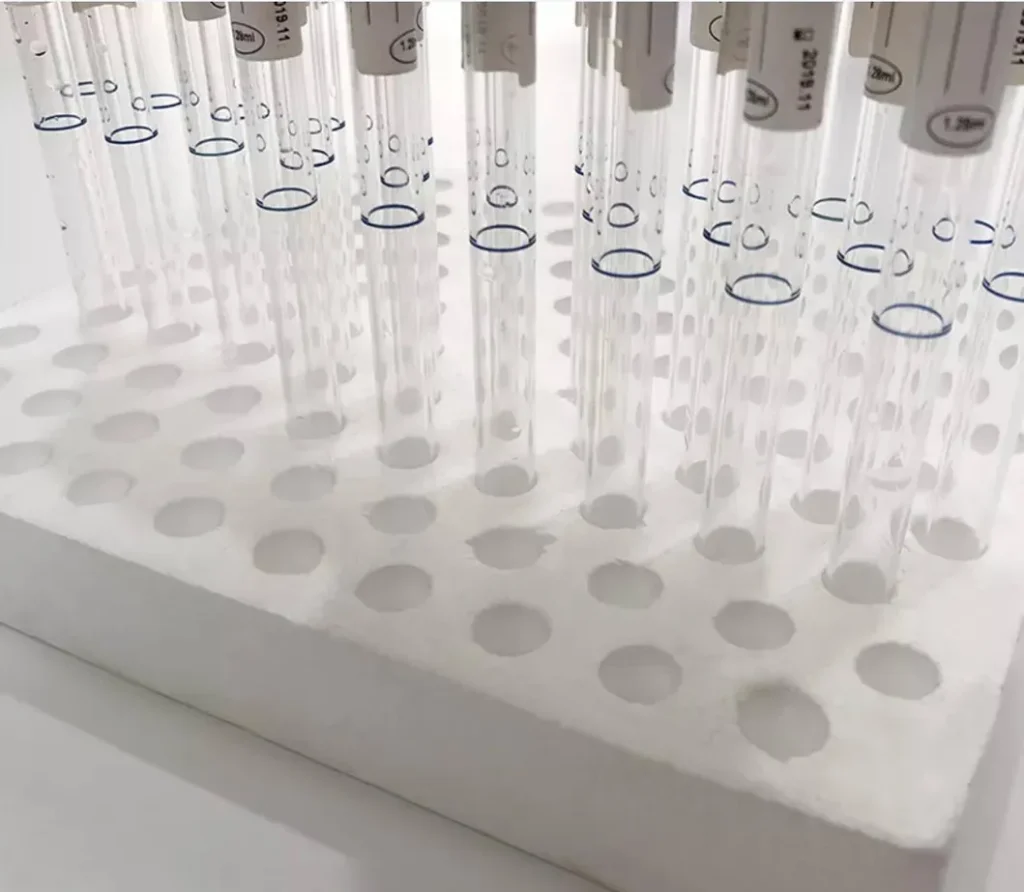
Why Blood Collection Tubes Come in Different Cap Colors
If you’ve ever worked in a laboratory or visited a blood draw station, you’ve noticed that blood collection tubes come with caps in various colors—black, red, yellow, blue, lavender, and more. This color-coding system isn’t just for aesthetics; it’s a universal safety and efficiency standard that prevents potentially dangerous mix-ups.
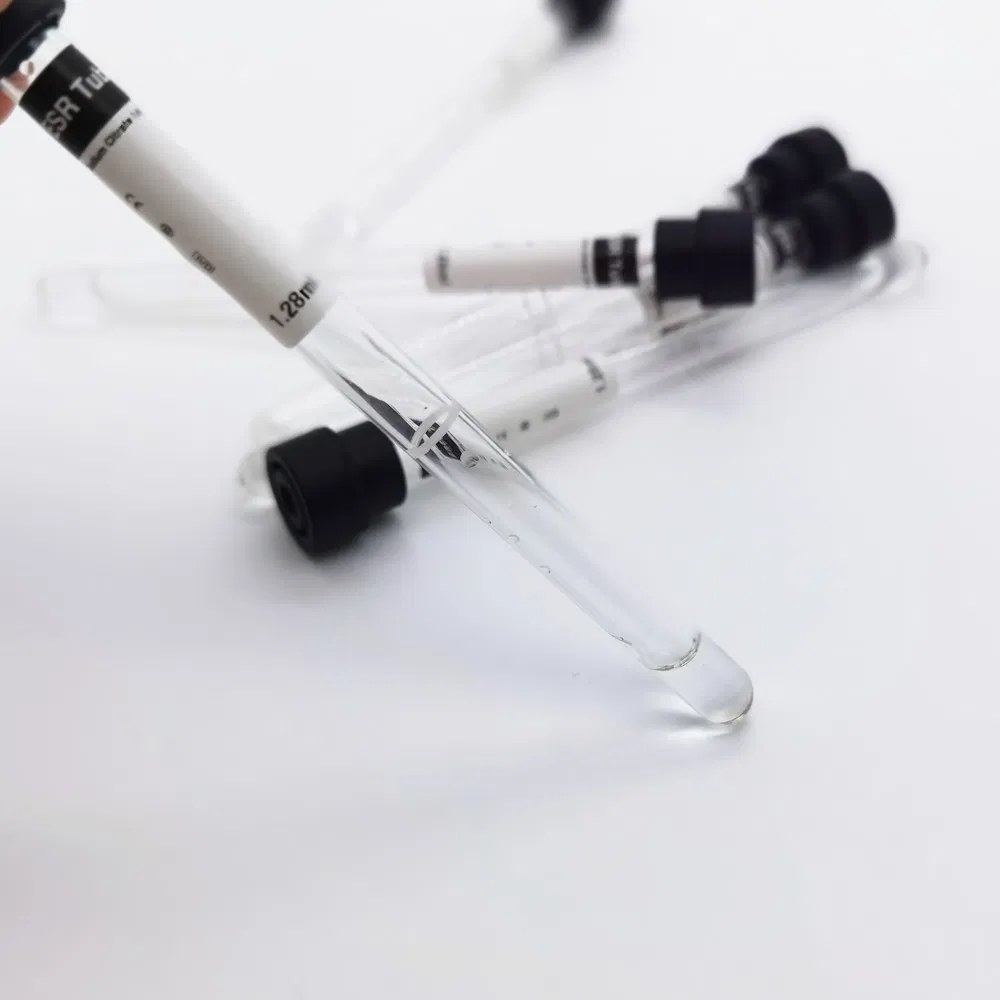
The black cap specifically identifies ESR tubes containing 3.8% sodium citrate. This distinctive color immediately tells phlebotomists and laboratory technicians that the tube is intended for sedimentation rate testing. In contrast, light blue caps typically indicate tubes with 3.2% sodium citrate used for coagulation studies like PT/INR and APTT tests.
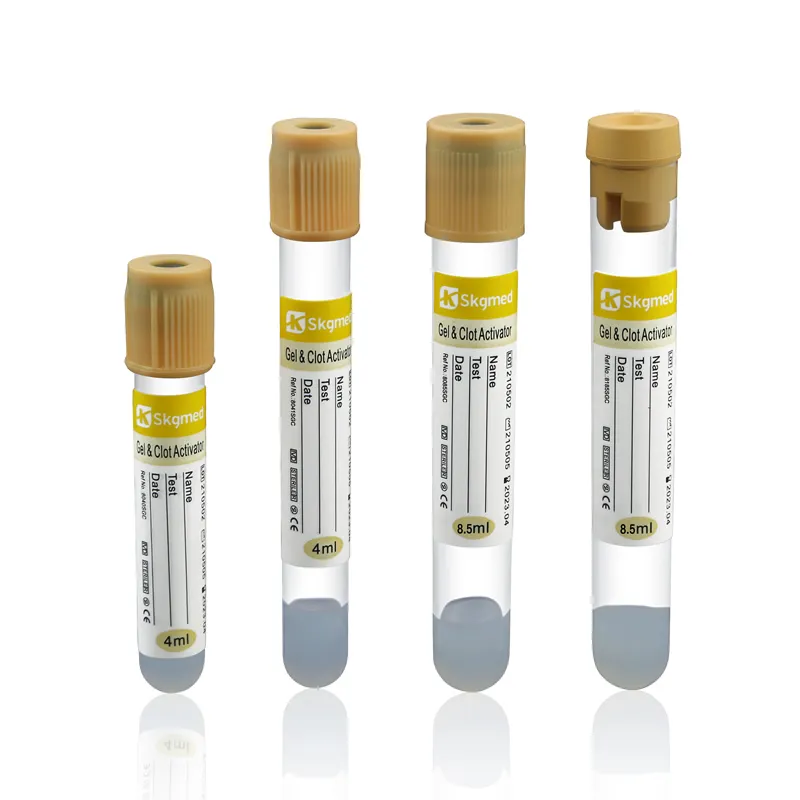
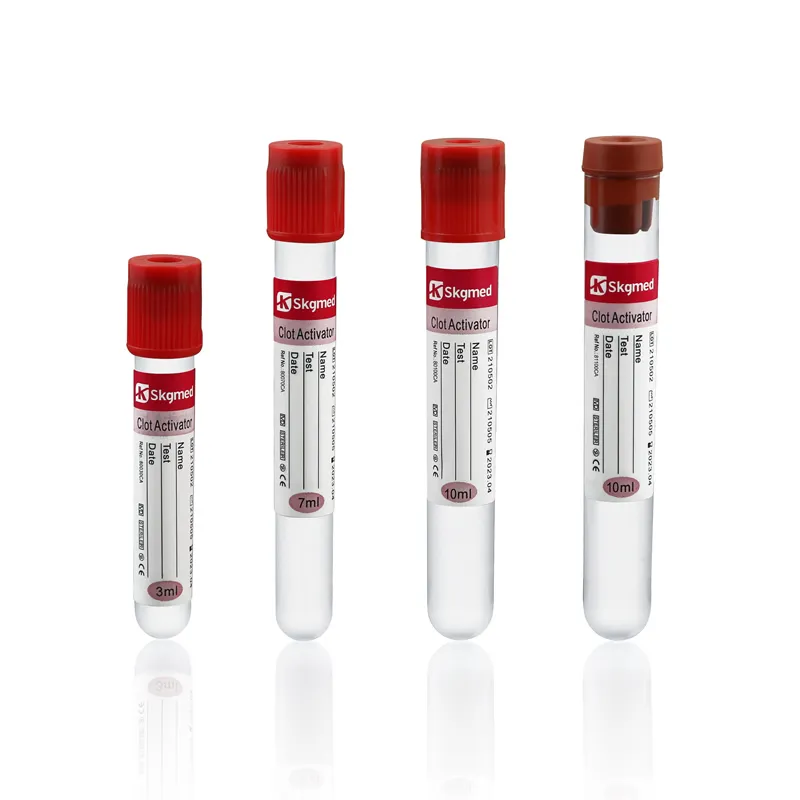
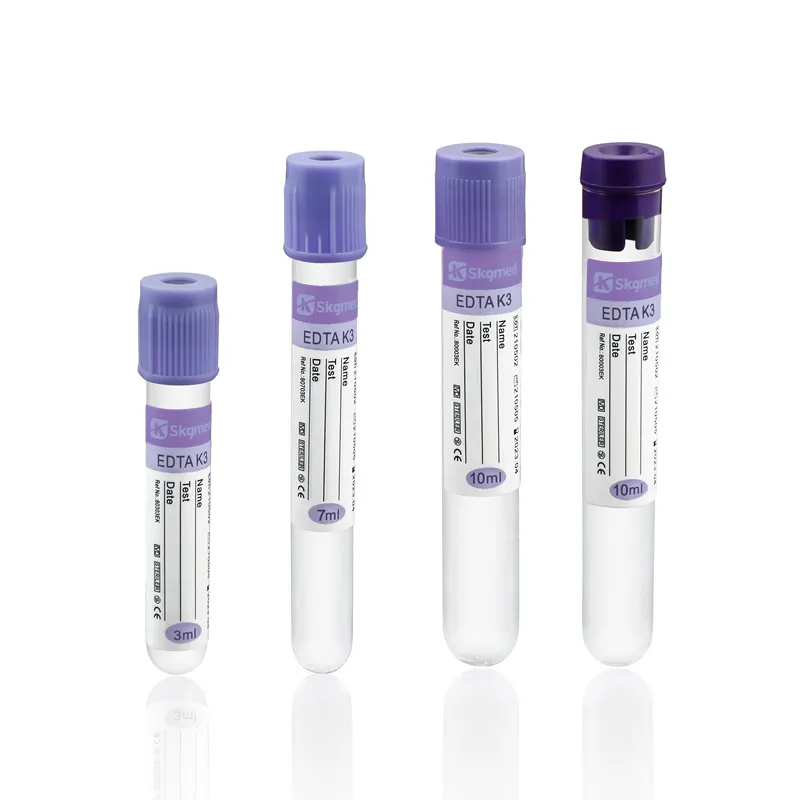
Red-cap tubes usually contain no additives or clot activators for serum chemistry tests. Yellow caps often indicate tubes with serum separator gel. Lavender or purple caps contain EDTA for complete blood counts. Green caps hold heparin for plasma chemistry tests.
This standardized color system, established by the Clinical and Laboratory Standards Institute (CLSI), creates a universal language across healthcare facilities worldwide. When laboratories stock blood collection tubes from different manufacturers, the cap colors remain consistent, reducing training time and minimizing errors.
However, manufacturers can offer customized cap colors for private-label products or specific regional preferences. Some laboratories prefer alternative color schemes for internal workflow optimization, which is where OEM customization becomes valuable.
Key Considerations When Ordering Custom ESR Tubes
For distributors, hospital procurement managers, and laboratory directors looking to source blood collection tubes, understanding customization options ensures you get products that match your operational requirements perfectly.
Volume and Size Specifications
Standard ESR tubes typically come in 1.28ml, 2ml, or 5ml volumes with corresponding tube dimensions. The 8×120mm size with 1.28ml capacity is most common for pediatric and routine adult testing. Larger volumes serve patients requiring multiple repeat tests or facilities using automated ESR analyzers with specific volume requirements.
When customizing, consider your patient demographics and testing equipment. Pediatric facilities need smaller volumes to minimize blood draw amounts, while high-volume laboratories might prefer larger tubes compatible with their automation systems.
Anticoagulant Concentration
While 3.8% sodium citrate is standard for ESR blood collection tubes, some specialized applications require different concentrations. The 0.129mol/L buffered solution maintains optimal pH for standard ESR testing, but research applications might specify alternative formulations.
Verify that your manufacturer can provide certificates of analysis confirming exact anticoagulant concentrations. Even small deviations can affect test results and correlation with reference methods.
Sterilization Methods
Medical-grade blood collection tubes require sterilization to ensure patient safety. Gamma radiation sterilization is the gold standard, as it penetrates packaging without leaving residues or affecting the anticoagulant solution. Ethylene oxide (EO) sterilization is an alternative, though it requires adequate aeration time to eliminate toxic residues.
When ordering custom products, confirm the sterilization method and request validation documentation. Gamma sterilization typically adds to manufacturing costs but provides superior safety assurance and longer shelf life.

Quality Certifications and Compliance
Professional laboratories require suppliers who maintain ISO 13485 certification for medical device manufacturing. Sodium citrate tubes entering European markets need CE marking, while FDA registration is necessary for U.S. distribution.
Request copies of certificates before placing bulk orders. Verify that the manufacturer conducts regular internal audits and can provide batch-specific quality control data, including vacuum level testing, anticoagulant accuracy verification, and sterility confirmation.
Packaging Configurations
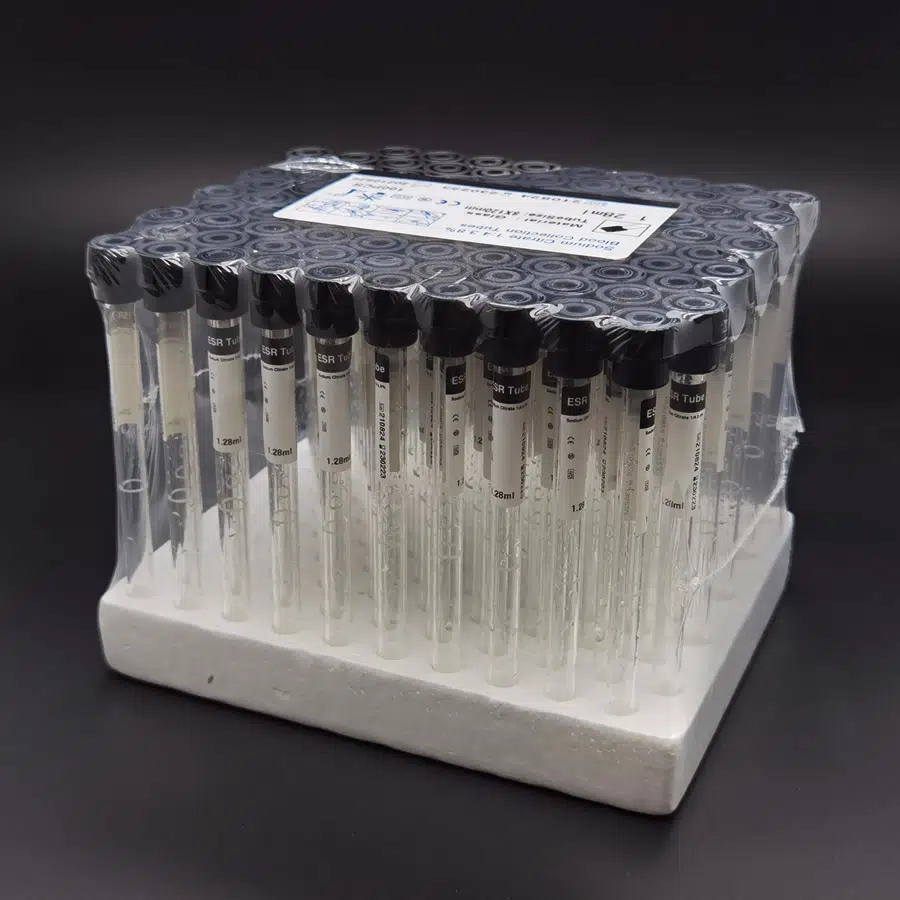
Standard export packaging typically includes 100 tubes per rack with 12 racks per carton (1,200 tubes total). However, custom packaging can optimize your supply chain efficiency. Some distributors prefer individual tube packaging for retail sale, while others want bulk configurations for hospital central supply departments.
Consider requesting custom labeling with your brand name, lot numbers formatted to your specifications, and multilingual instructions if you serve diverse markets. Packaging should protect tube integrity during international shipping while remaining easy to open and store in clinical settings.
Minimum Order Quantities and Lead Times
Factory-direct sourcing of blood collection tubes usually requires minimum order quantities (MOQs) ranging from 50,000 to 100,000 units for custom products. Standard products might have lower MOQs of 10,000-20,000 units, making them accessible for smaller distributors testing new markets.
Lead times vary significantly based on customization complexity. Standard ESR tubes with stock cap colors might ship within 2-3 weeks, while fully customized products with unique labeling and packaging could require 6-8 weeks from order confirmation to delivery.
Sample Evaluation Process
Before committing to large orders, request samples of the proposed sodium citrate tubes. Conduct internal validation testing comparing the manufacturer’s products against your current supplier or reference standards. Run correlation studies with known ESR samples to verify that results align with expected values.
Test the physical characteristics: cap removal force, tube clarity, vacuum integrity after storage, and resistance to breakage during centrifugation. These practical considerations matter as much as analytical performance in daily laboratory operations.
Making the Right Choice for Your Laboratory
Selecting the appropriate blood collection tubes involves balancing quality, cost, regulatory compliance, and operational compatibility. While price matters in competitive healthcare markets, the total cost of ownership includes factors beyond the per-unit price: test accuracy, specimen rejection rates, staff training requirements, and patient safety.
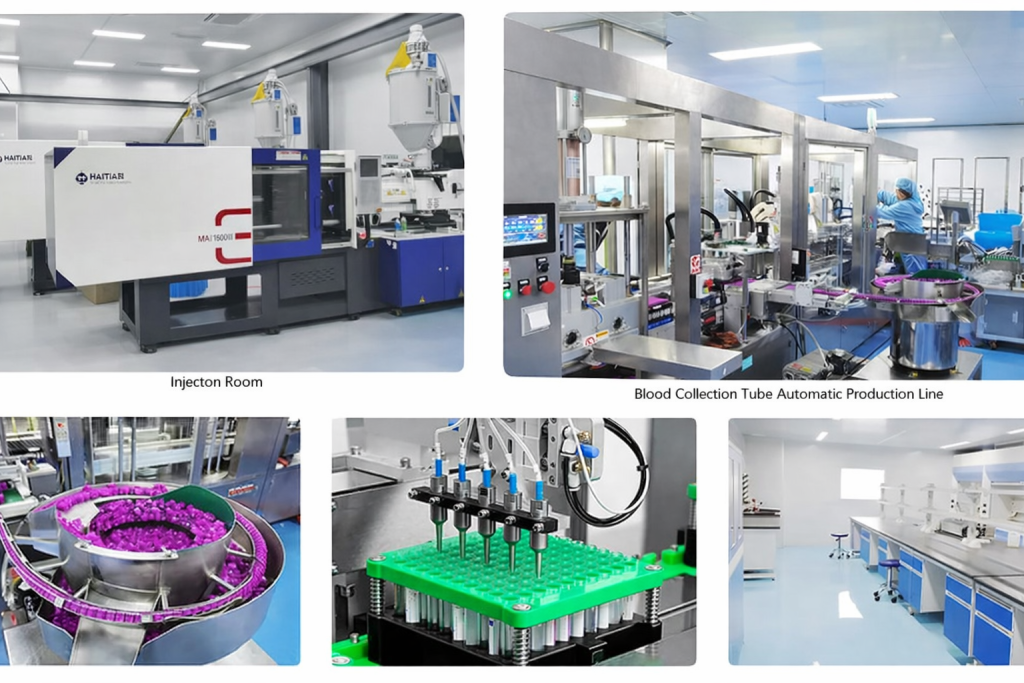
Working with established manufacturers who understand international quality standards and can provide comprehensive technical support ensures smooth implementation and long-term supply reliability. Whether you’re a hospital group standardizing across multiple facilities or a distributor entering new geographic markets, investing time in supplier evaluation pays dividends through consistent product performance and customer satisfaction.
The humble ESR tube might seem like a simple product, but its role in diagnostic medicine demands careful attention to specifications, quality, and proper usage. By understanding what makes these tubes unique and what to look for when sourcing them, healthcare professionals and procurement specialists can ensure their laboratories have the tools needed for accurate, reliable patient testing.