The content of this article includes:
- Market Landscape & Growth Drivers
- Technical Specifications
- Sourcing Strategy & Supplier Evaluation
- Private Label Strategy
- Quality Control & Testing
- Regulatory Compliance
- Market Entry Strategies
- Cost Analysis & Margin Planning
- Common Pitfalls
- Innovation Trends 2025–2026
- Implementation Checklist
The global ear care market surpassed $2.2 billion in 2025, with ear syringe products representing one of the fastest-growing segments. For distributors, pharmacy chains, and e-commerce brands, sourcing a reliable custom ear syringe supplier has become critical to capturing meaningful market share.
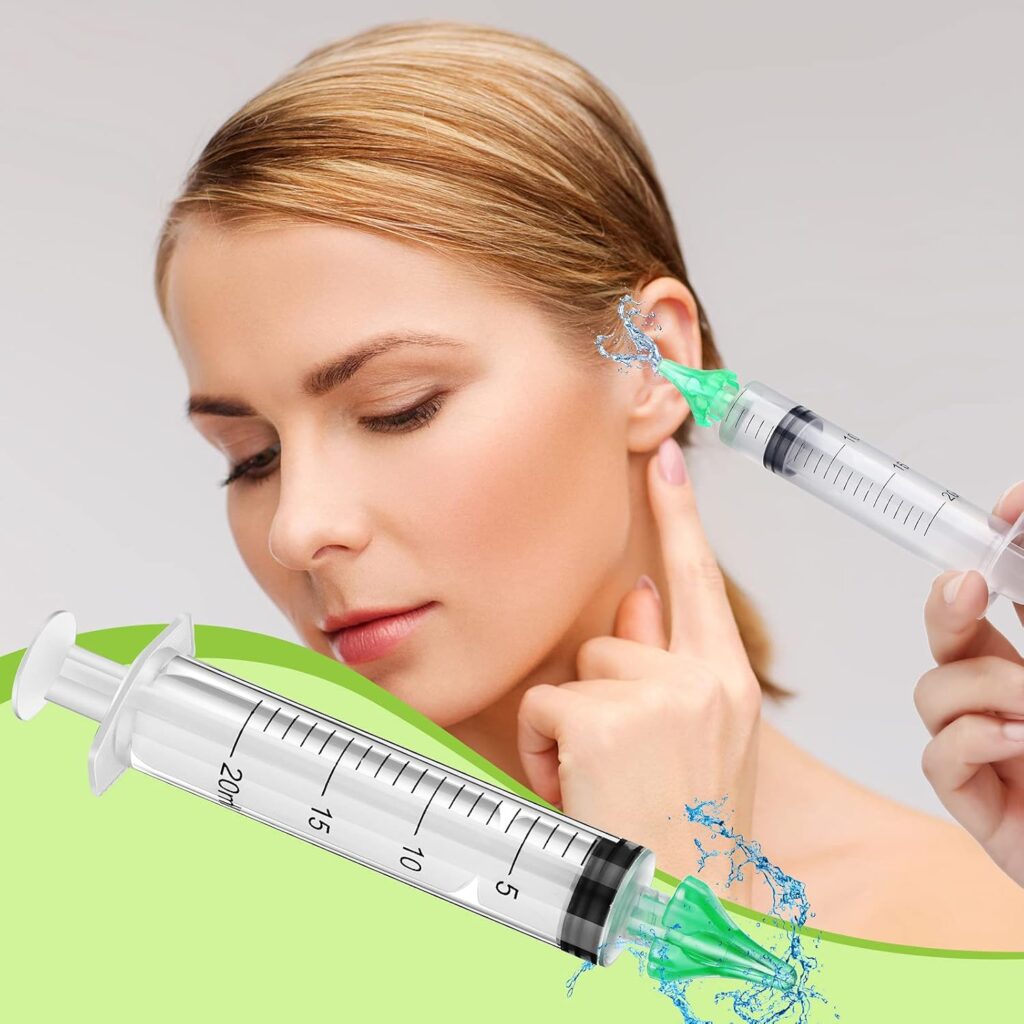
This guide covers the full procurement landscape — from technical specifications and quality benchmarks to regulatory compliance and launch strategy — for brands building a profitable private label ear syringe product line.
1. Market Landscape & Growth Drivers
$2.2B+ Global market size (2025)
6.2% CAGR projected through 2031
71% Consumers prefer home care
45% Adults 60+ with earwax issues
According to Grand View Research, the ear cleaning device market is projected to grow at 6.2% CAGR through 2031. Key demand drivers include:
- Aging demographics: Adults 60+ experience a 45% earwax buildup prevalence vs. 20% in younger groups
- Home healthcare shift: 71% of consumers now prefer self-care over clinical visits for minor conditions (up from 67% in 2024)
- E-commerce acceleration: Online ear care sales grew cumulatively over 60% in 2024–2025
- Emerging markets: Rising middle classes in Southeast Asia and Latin America are driving rapid adoption of home medical devices
Product Category Tiers
Medical-Grade 50–100ML · ENT clinics & hospitals
Consumer Home Care 20–30ML · Retail pharmacy sweet spot
Travel / Portable 15ML · Hygiene kits & travel retail
Pediatric 15ML junior · Growing niche segment
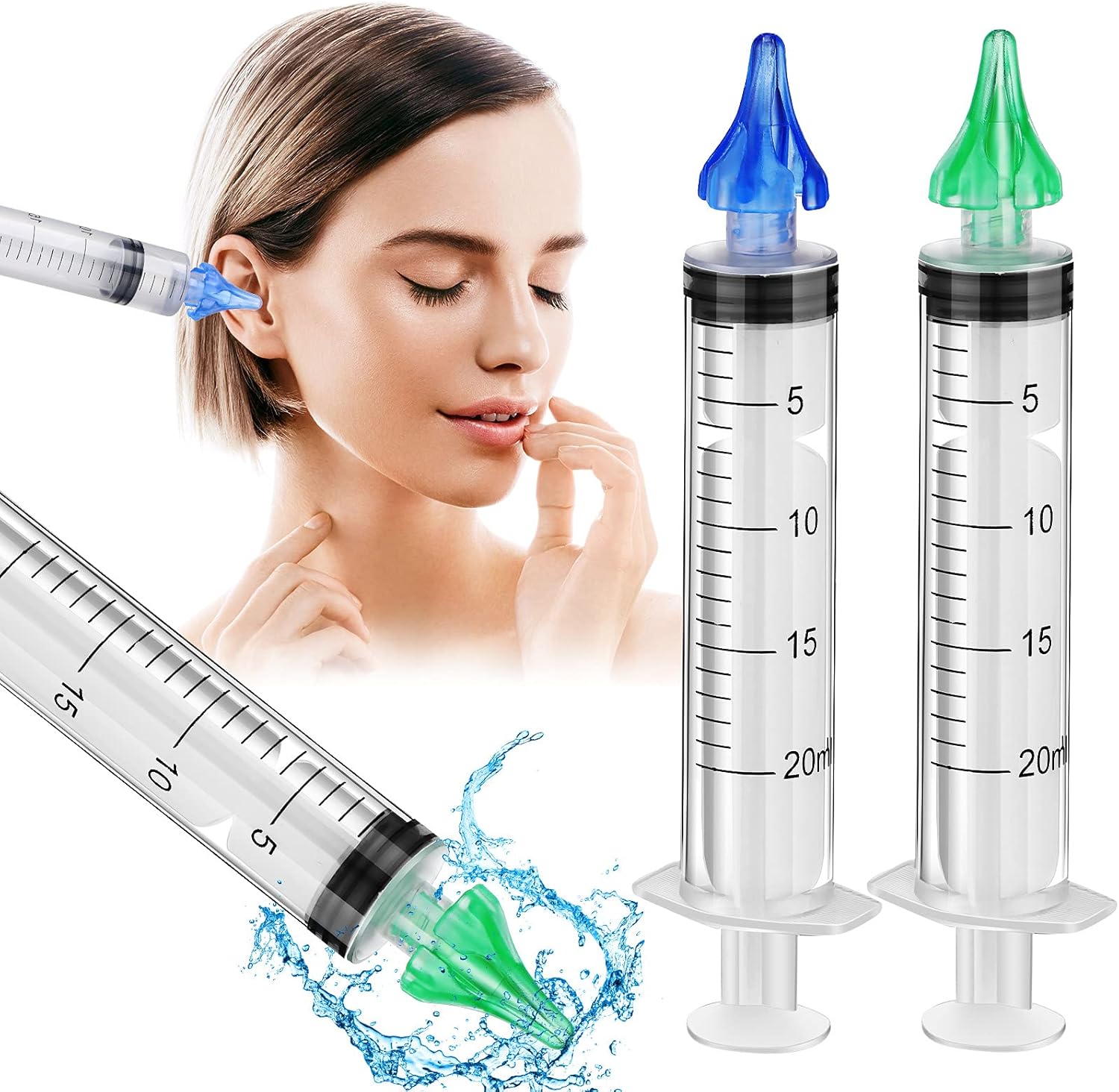
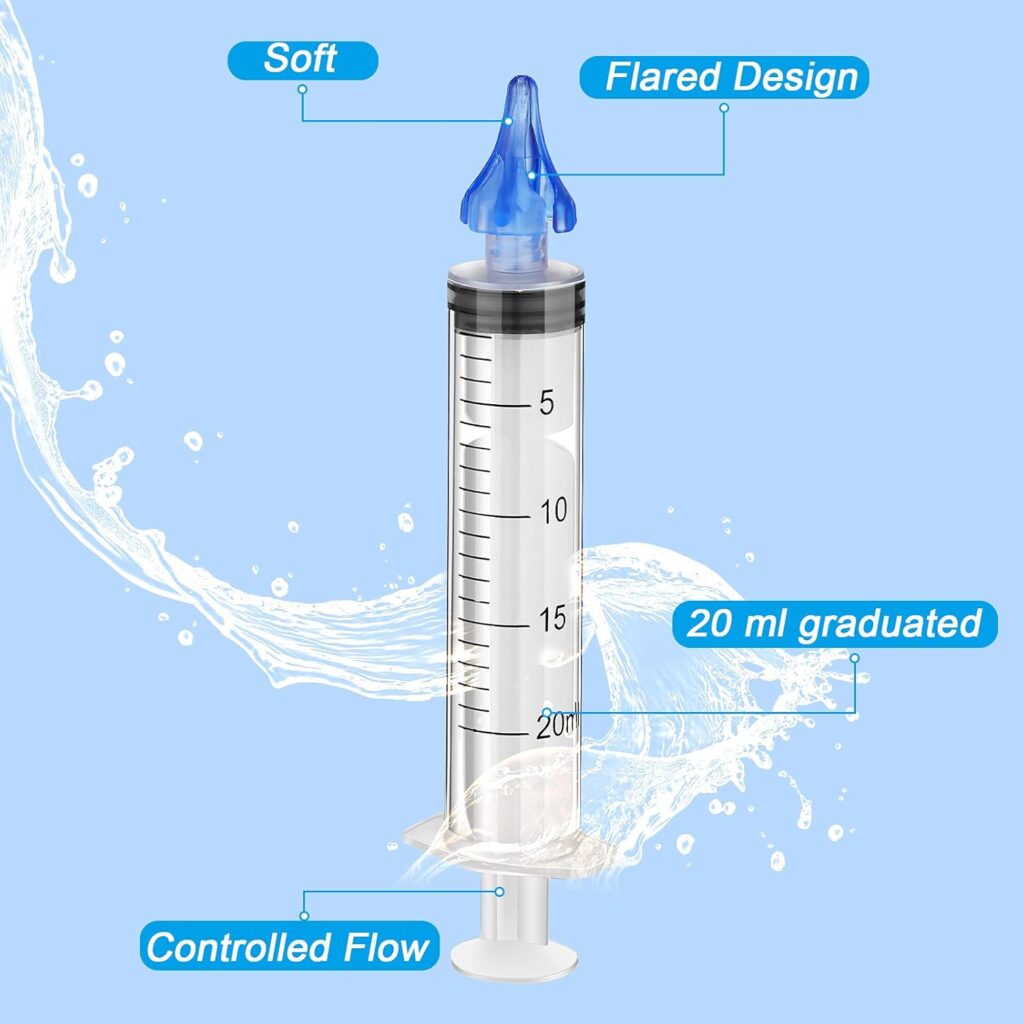
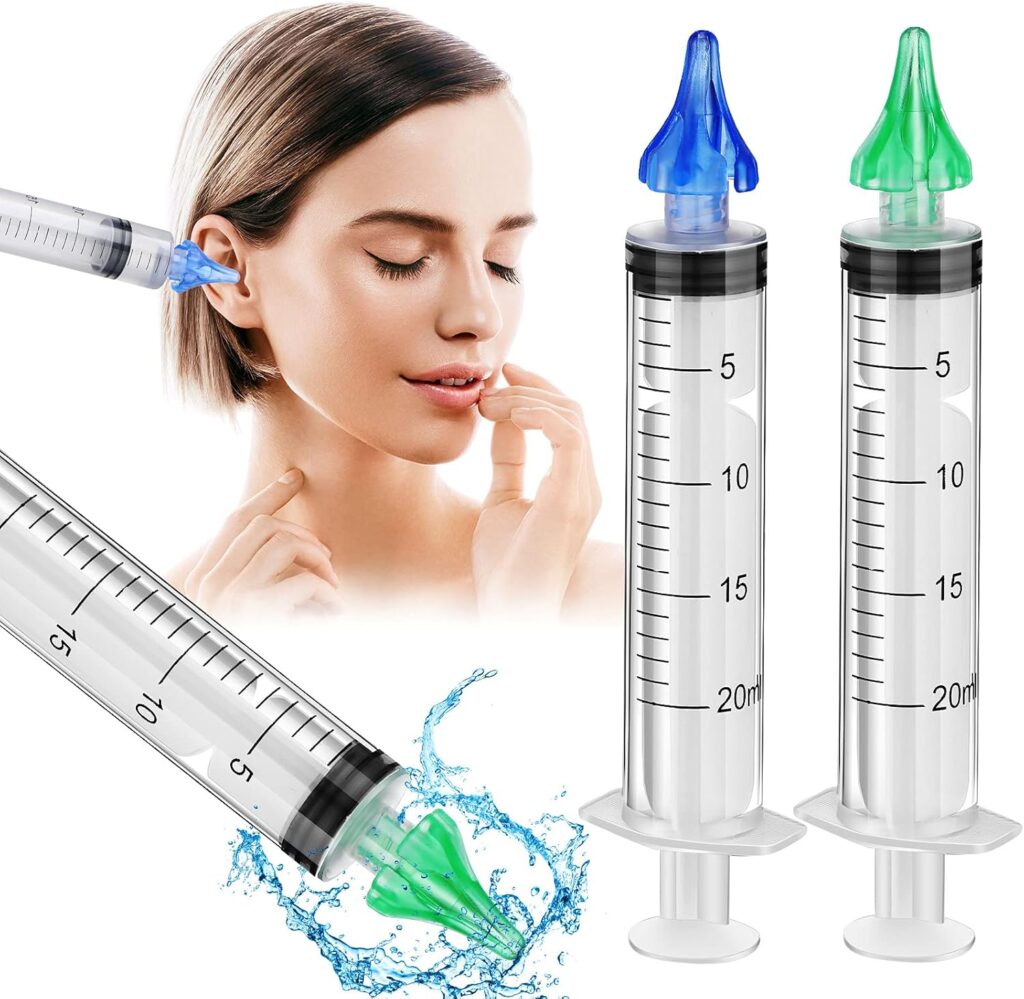
The 20ML capacity custom ear syringe remains the highest-volume consumer SKU — enough fluid for effective irrigation while staying compact enough for retail blister packaging.
2. Technical Specifications Buyers Must Evaluate
Tip Design & Safety
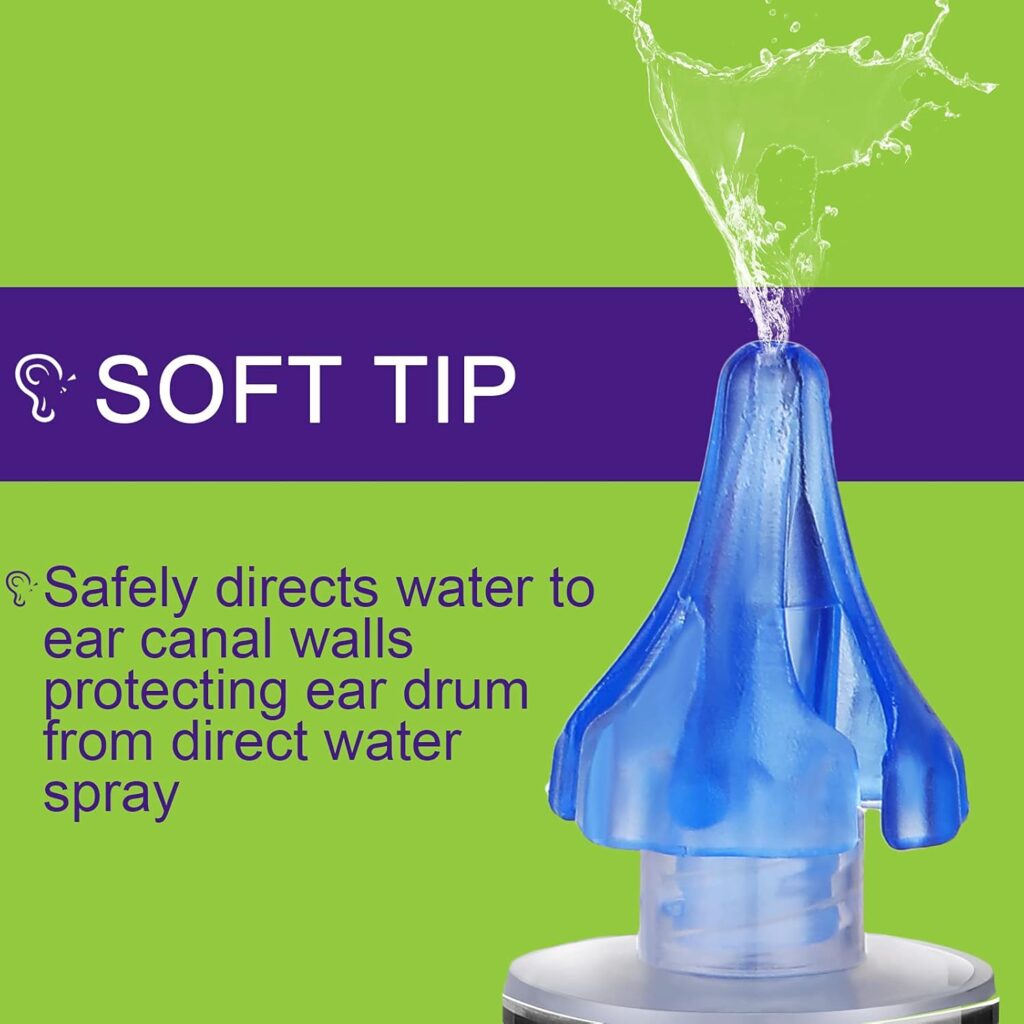
The flared tip is the most critical safety feature in any ear irrigation tool. Clinical data shows flared tips reduce ear canal injury risk by 78% vs. straight-tip designs. Optimal flare diameter: 8–10mm, accommodating the average adult ear canal (7mm).
Material: Medical-Grade PVC
Medical-grade PVC remains the industry standard for ear wax remover construction:
- Shore A hardness 60–70 — soft enough to prevent tissue damage, firm enough to hold shape
- Chemical resistance to cleaning solutions and disinfectants
- Cost-effective for consumer retail pricing ($2–7 range)
Always request: Material Safety Data Sheets (MSDS) and biocompatibility test reports to ISO 10993 standards before placing bulk orders.
Manufacturing Quality Benchmarks
Injection molding precision Tolerances ±0.1mm
Surface finish Ra < 1.6μm (anti-bacterial)
Seal integrity Pressure tested @ 50kPa
Capacity accuracy 20ML ±1ML verified
3. Sourcing Strategy: Finding the Right Manufacturing Partner
MOQ & Unit Pricing (2026 Estimates)
| Order Quantity | Unit Price (FOB) | Customization Level |
|---|---|---|
| 3,000–5,000 units | $0.48–$0.68 | Standard color, no branding |
| 5,000–8,000 units | $0.38–$0.55 | Custom Pantone + logo |
| 10,000–20,000 units | $0.34–$0.50 | Full custom packaging |
| 50,000+ units | $0.26–$0.40 | Enterprise / OEM |
Note: Prices reflect 2026 estimates and are approximately 5–8% higher than 2024 levels due to raw material and logistics cost increases. Always obtain live quotes from suppliers.
Required Certifications
- ISO 13485 — Medical device quality management system
- CE marking — European market access (MDR 2017/745)
- FDA registration — US distribution (21 CFR 880.5375, Class I)
- RoHS compliance — Material safety
- UKCA marking — Great Britain (mandatory from 2026)
Customization Checklist
A true private label ear syringe partner should offer:
- Color matching: Pantone accuracy (ΔE <2.0)
- Logo application: Pad printing, heat transfer, or laser etching
- Packaging flexibility: Bulk poly bags → retail blister packs
- Multi-language labeling: Regulatory-compliant instruction inserts
- Daily output capacity: 20,000+ units for scalability
4. Private Label Strategy & Brand Differentiation
Packaging as a Competitive Weapon
In a category where most ear syringe products look identical, packaging is your primary shelf differentiator. Key formats:
- Blister cards with hanging holes — standard for peg display in pharmacy
- 2-pack boxed sets — show 37% higher sales velocity vs. singles
- Shrink-wrapped bundles — value positioning and family appeal
Color Strategy by Market Position
| Color | Market Share | Brand Signal |
|---|---|---|
| Blue tones | 46% | Clinical / trusted |
| Green | 23% | Natural / gentle |
| Purple / violet | 8% | Premium / specialty |
| Dual-color sets | Growing | Gifting / family sets |
Conduct trademark searches on distinctive color combinations before investing in large tooling and packaging runs. Explore the full range of customizable options in the product catalog.
5. Quality Control & Testing Protocols
3-Stage Sample Approval
- Initial sample (no branding) — validates material, dimensions, and function
- Pre-production sample (with branding) — confirms logo placement and color accuracy
- Production sample (from actual run) — final sign-off before mass production
Incoming Quality Inspection (AQL 2.5)
- Tip integrity: zero cracks, deformation, or sharp edges
- Color consistency: compare against approved sample under standard lighting
- Capacity: measure 10 units with a graduated cylinder (20ML ±1ML)
- Leak test: fill to capacity, hold 5 minutes — zero tolerance for leakage
- Plunger operation: smooth action, no binding
Pro tip: Communicate defect findings to your supplier in writing within 7 days of receipt to preserve claim rights under most manufacturing agreements.
6. Regulatory Compliance Across Key Markets
United States
Ear syringes are classified as Class I medical devices under 21 CFR 880.5375. Requirements include FDA establishment registration, device listing, QSR compliance, and proper labeling per 21 CFR Part 801. Always verify the supplier’s facility number against the live FDA database.
European Union
Under MDR 2017/745, bulk ear irrigation tools require a Declaration of Conformity, full technical documentation (Annex II), and post-market surveillance. Insist on CE certificates from an accredited Notified Body — not self-declarations.
United Kingdom
UKCA marking is mandatory from 2026 for products sold in England, Wales, and Scotland. CE remains valid in Northern Ireland only. Budget $3,500–7,000 for UKCA technical file preparation.
Emerging Markets (2026 Update)
- Southeast Asia (Indonesia, Thailand): Increasingly strict import controls — initiate registration 6+ months in advance
- Gulf states (Saudi SFDA, UAE MOHAP): Separate registration required; typical timeline 3–6 months
7. Market Entry Strategies by Channel
E-Commerce (Amazon, Shopify)
- High-res product images showing tip detail, capacity markings, and size comparisons
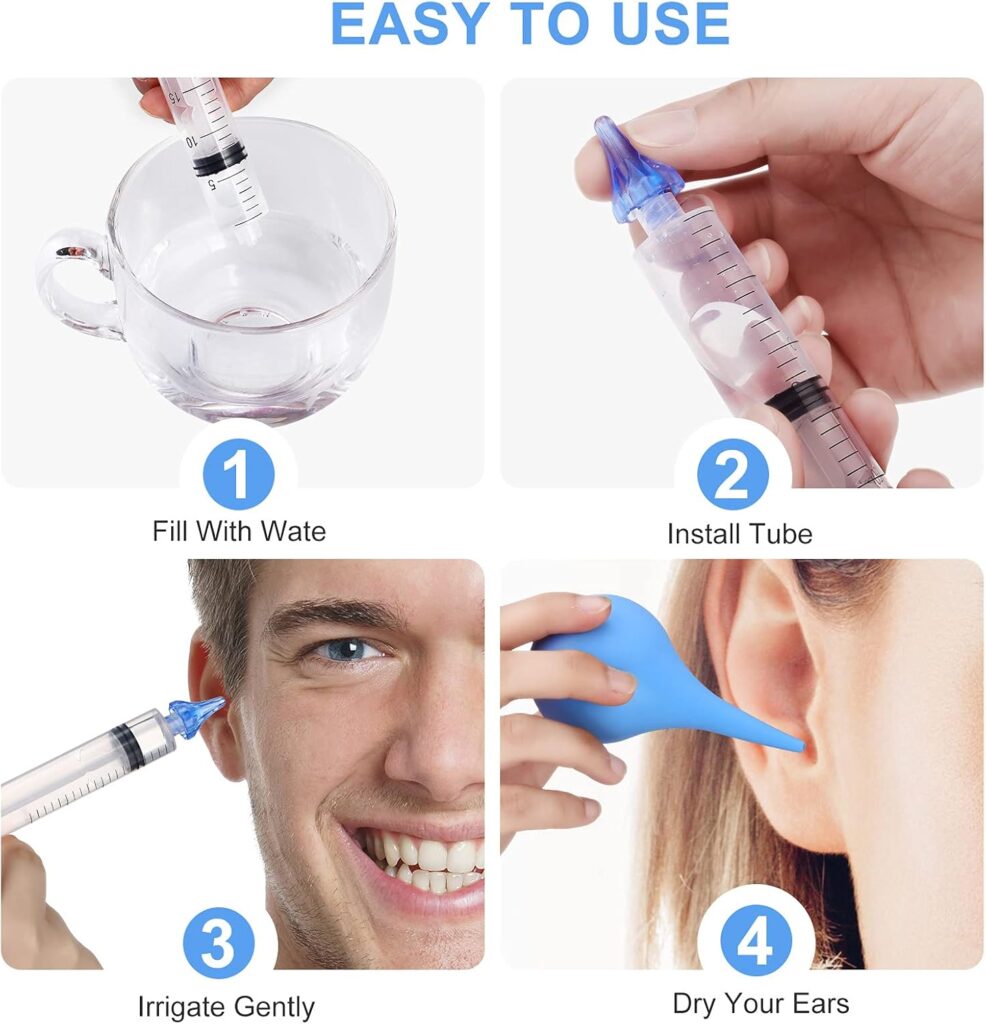
- A+ content explaining the ear irrigation procedure step by step
- Video demonstrations — shown to lift conversion rates by ~28%
- Start at 5,000-unit MOQ; scale to 15,000–20,000 based on 90-day velocity data
Retail Pharmacy Chains
- Shelf-stable packaging: 18–24-month expiry dating
- POS-ready displays for impulse purchase placement
- Typical pharmacy velocity: 8–12 units/location/month
- Retailer margin requirement: 35–40% of SRP
Medical Supply Distributors
- Instructions for use (IFU) validated by healthcare professionals
- Bulk case formats: 12-pack or 24-pack
- Distributor price: 40–45% off professional price point
8. Cost Analysis & Margin Planning
Total Landed Cost Breakdown (10,000 units, 2026)
| Cost Component | Per Unit | % of Total |
|---|---|---|
| Product FOB | $0.40 | 45% |
| Ocean freight | $0.09 | 10% |
| Customs / duties | $0.02 | 2% |
| Packaging & labels | $0.13 | 15% |
| Quality control | $0.03 | 3% |
| 3-month warehousing | $0.06 | 7% |
| Insurance & misc | $0.02 | 2% |
| Total landed cost | $0.75 | 84% |
Pricing by Channel
| Channel | Retail / End Price | Gross Margin |
|---|---|---|
| D2C Online (single unit) | $6.99–$8.99 | 70–75% |
| D2C Online (2-pack) | $10.99–$12.99 | ~68% |
| Retail distribution | $6.99–$7.99 SRP | 50–60% retailer margin |
| Medical / professional | $4.80–$5.80 | Focus on safety messaging |
9. Common Pitfalls & How to Avoid Them
Mistake 1: Approving Only the Initial Sample
Production molds often differ from prototype molds. Always require pre-production samples from the final production tooling and functionally test 10+ pieces — not just a visual inspection.
Mistake 2: No IP Ownership Clause
If your supplier retains mold ownership, you’re locked in. For any custom ear syringe project, pay the mold fee upfront ($1,500–$3,500) and contractually secure ownership and portability rights.
Mistake 3: Skipping Market Validation
Start with minimum MOQ orders. Use your first 90-day sell-through rate to calibrate second-order volume. Never commit to 50,000+ units without proven market velocity.
Mistake 4: Discovering Compliance Issues After Import
Engage a regulatory consultant before production. Budget: $2,000–$4,500 for US FDA registration support; $3,500–$7,000 for EU CE technical file prep. These investments prevent six-figure compliance disasters.
10. Innovation Trends 2025–2026
Sustainable materials
Bio-based PVC reducing carbon footprint by ~40%; recyclable packaging preferred by 75%+ of consumers
Enhanced features
Multi-angle tips, integrated LED visibility, ergonomic grips for aging users
Digital integration
QR codes linking to video tutorials reduce return rates by ~15%; batch traceability for quality assurance
Product line extensions
Professional 50ML, pediatric 15ML, family 4–6-unit sets — explore options in the product catalog

11. Implementation Checklist
Months 1–2 · Research & Planning
- Conduct competitive market analysis (pricing, features, reviews)
- Define target customer segments and brand positioning
- Establish budget and retail pricing strategy
- Create a detailed technical specification document
Months 2–3 · Supplier Selection
- Request quotes from 3–5 manufacturers includingcustom ear syringespecialists
- Evaluate samples from top 2 candidates
- Verify all certifications and compliance documentation
- Execute manufacturing agreement with mold ownership clause
Months 3–4 · Product Development
- Finalize design specs: color, capacity, tip geometry
- Approve packaging design and all branding elements
- Review and sign off on pre-production samples
- Run full functional testing on production samples
Months 4–5 · Production & Logistics
- Issue purchase order for initial production run
- Arrange pre-shipment quality control inspection
- Book ocean freight and arrange customs clearance
- Prepare warehouse receiving procedures
Months 5–6 · Market Launch
- Create optimized product listings with A+ content
- Publish educational blog posts, videos, and FAQs
- Implement post-purchase review collection strategy
- Track 90-day velocity and adjust reorder plan
Ready to build your private label ear care brand? Start with the right product. View 20ML Custom Ear Syringe Browse Full Product Catalog