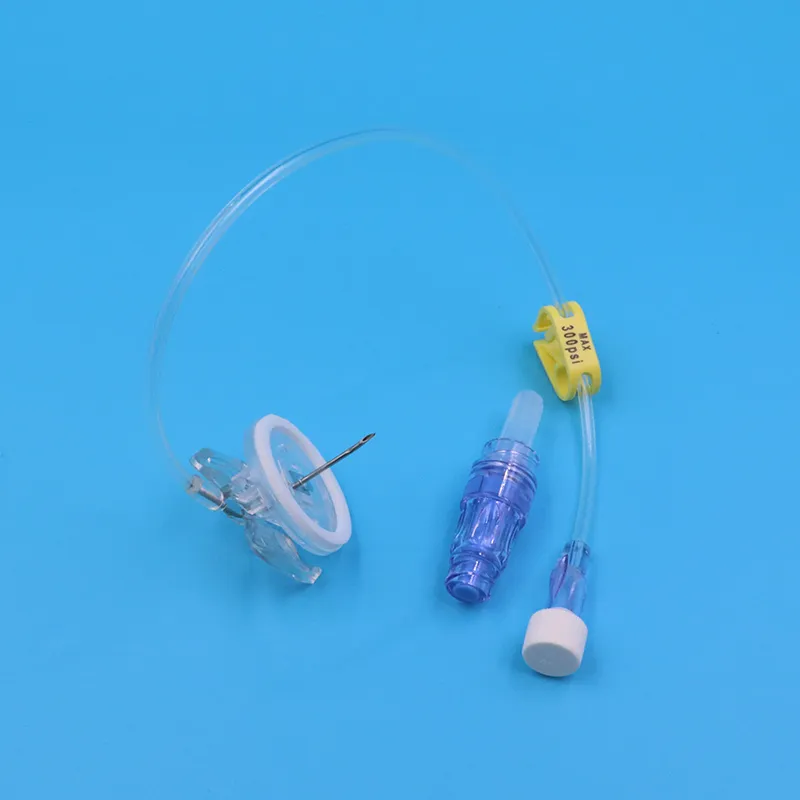
If you or a loved one needs long-term medication, chemotherapy, or regular IV treatments, you’ve probably heard of something called an “infusion port” and a special needle called a “Huber needle.” But what exactly are these medical devices, and why are they so important? Let’s explore this fascinating piece of medical technology in simple terms.
What is an Infusion Port?
Think of an infusion port (also called an implantable port or port-a-cath) as a small “doorway” installed under your skin that gives doctors easy access to your bloodstream.
Imagine you have a favorite coffee shop. Instead of standing in line every single day, wouldn’t it be nice to have a VIP entrance? That’s essentially what an infusion port does for medical treatments. It’s a small disc about the size of a quarter, placed under the skin (usually on your chest), connected to a large vein near your heart.
Why do people need infusion ports?
- Patients receiving chemotherapy for cancer treatment
- People needing frequent blood transfusions
- Long-term antibiotic therapy
- Regular IV nutrition (for those who can’t eat normally)
- Repeated blood draws for testing
The Problem with Regular Needles
Here’s where it gets interesting. You can’t just use any regular needle with an infusion port. Why?
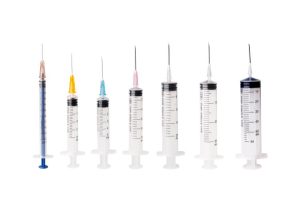
Regular IV needles have a sharp, cutting edge with a bevel (like a tiny knife edge). Every time you push this type of needle through the port’s rubber septum (the access point), it creates tiny cuts. It’s like stabbing a balloon with a knife repeatedly—eventually, the balloon will start leaking.
If the port’s septum gets damaged from repeated needle sticks, it can cause:
- Medication leaking into surrounding tissue instead of your bloodstream
- Infection risks
- The need for surgery to replace the damaged port
Enter the Huber Needle: A Clever Solution
The History
In the 1950s, a medical equipment company called Ralph Huber Company developed a revolutionary needle design specifically for accessing these implantable ports. The Huber needle (also called a non-coring needle) solved the cutting problem with an ingenious design.
While the exact inventor’s story has some historical debate, the needle was named after the Huber company and became the gold standard for port access.
What Makes it Special?
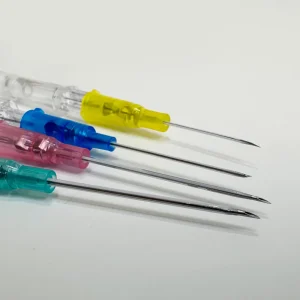
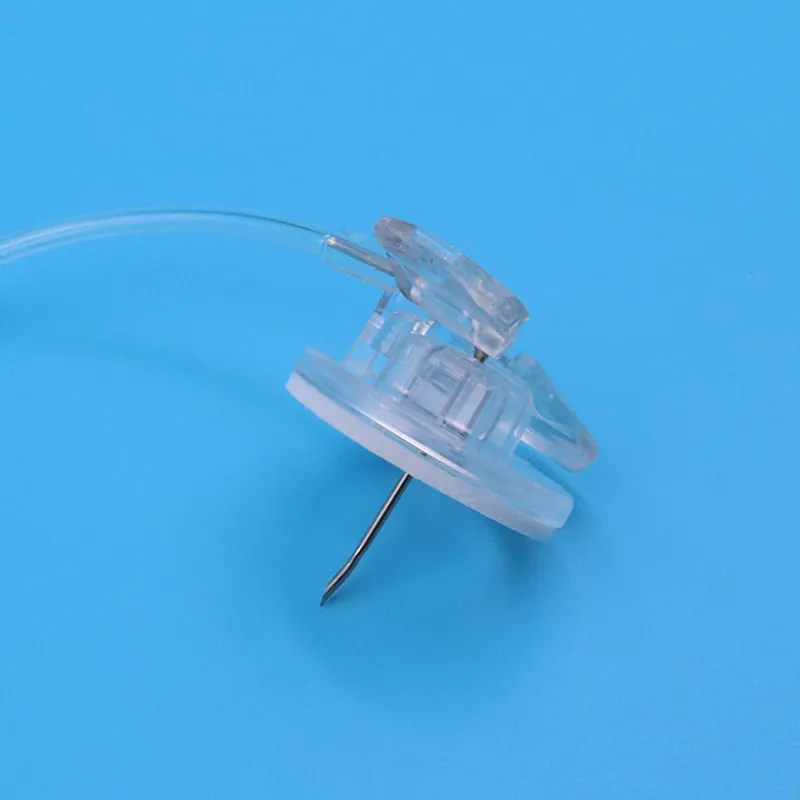
The Huber needle has a unique deflected point—imagine instead of a knife edge pointing straight ahead, the sharp tip is bent to the side at a special angle.
Here’s an easy way to understand it:
- A regular needle: Like using a knife to cut a door open (damages the door)
- A Huber needle: Like using a key that pushes the door open without damaging it (separates the rubber fibers instead of cutting them)
When the Huber needle enters the port septum, it gently pushes the rubber material aside rather than slicing through it. When you remove the needle, the rubber fibers spring back together, maintaining the seal.
Modern Huber Needles: Today’s Innovations
Today’s Huber needles have evolved significantly with several modern features:
Safety Features
Modern safety Huber needles include protective shields that automatically cover the needle tip after removal, protecting healthcare workers from accidental needle sticks. Think of it like a retractable pen—once you’re done, the sharp part automatically gets covered.
Different Lengths and Gauges
Huber needles come in various sizes:
- Length: From 3/4 inch to 1 inch, depending on how deep the port sits under your skin
- Gauge: Different diameters (19G, 20G, 22G) for different infusion speeds—larger numbers mean thinner needles
Wing Design
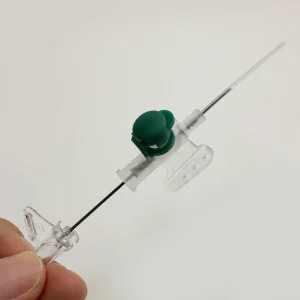
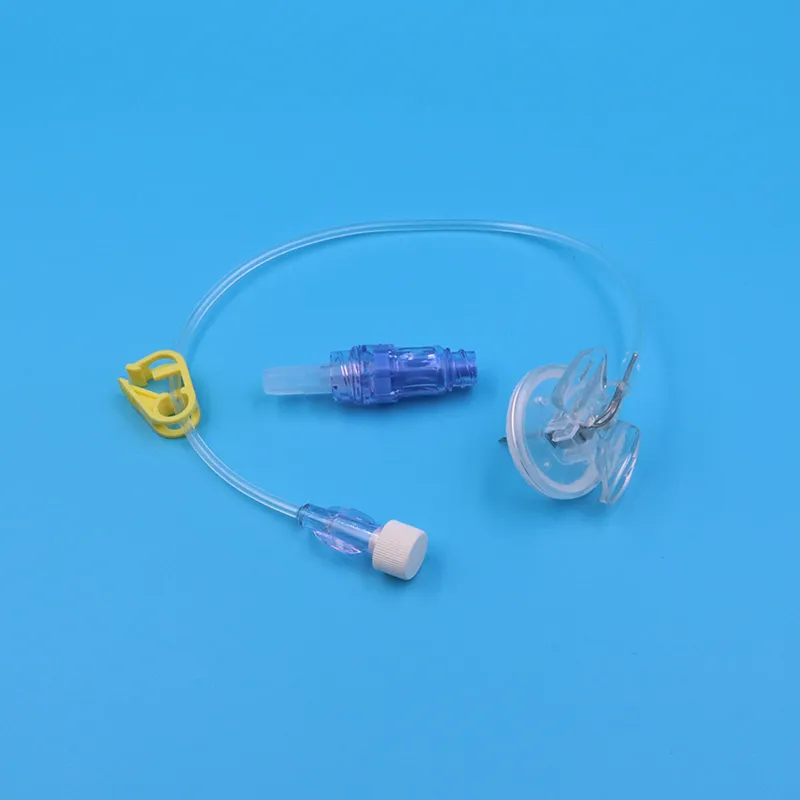
Most Huber needles have small “wings” on the sides (like a butterfly), making them easier for nurses to hold during insertion and allowing them to be securely taped to your skin.
Extension Tubing
Modern Huber needles come with attached extension tubing, so the connection point for IV bags or syringes sits away from your skin, making it more comfortable and secure.
How Huber Needles Are Used Today
The Process:
- The nurse cleans the skin over your port with antiseptic
- They feel for the port under your skin (it’s firm and disc-shaped)
- The Huber needle is inserted straight down through the skin into the port’s septum
- You’ll feel a small pinch, similar to a regular blood draw
- The nurse confirms proper placement, then tapes the wings securely to your skin
- The needle can stay in place for up to 7 days for continuous treatment
Common Uses Today:
- Chemotherapy administration (the most common use)
- Antibiotic therapy for serious infections
- Blood transfusions
- IV nutrition (TPN – Total Parenteral Nutrition)
- Frequent blood sampling
Important Safety Considerations
Healthcare providers must follow strict protocols when using Huber needles:
- Always use sterile technique to prevent infections
- Only trained medical professionals should access ports
- Regular flushing of the port (typically monthly) even when not in use
- Never use regular needles on an implantable port
The Future of Huber Needles
Medical technology continues to advance, and Huber needles are no exception. Current innovations include:
- Needle-free port access systems (still in development)
- Ultra-thin wall needles that allow faster infusion with smaller gauge sizes
- Improved safety mechanisms to further reduce needlestick injuries
- Better materials that are more comfortable and cause less tissue irritation
Conclusion
The Huber needle represents a perfect example of how smart design solves real medical problems. From its development in the 1950s to today’s sophisticated safety models, this specialized needle has made long-term IV therapy safer and more comfortable for millions of patients worldwide.
For patients with infusion ports, the Huber needle isn’t just a medical device—it’s a small but crucial tool that makes ongoing treatment possible while preserving the longevity of their port and maintaining their quality of life.
Whether you’re a patient, caregiver, or simply curious about medical technology, understanding the Huber needle helps you appreciate the thoughtful engineering that goes into making medical treatments safer and more effective every day.