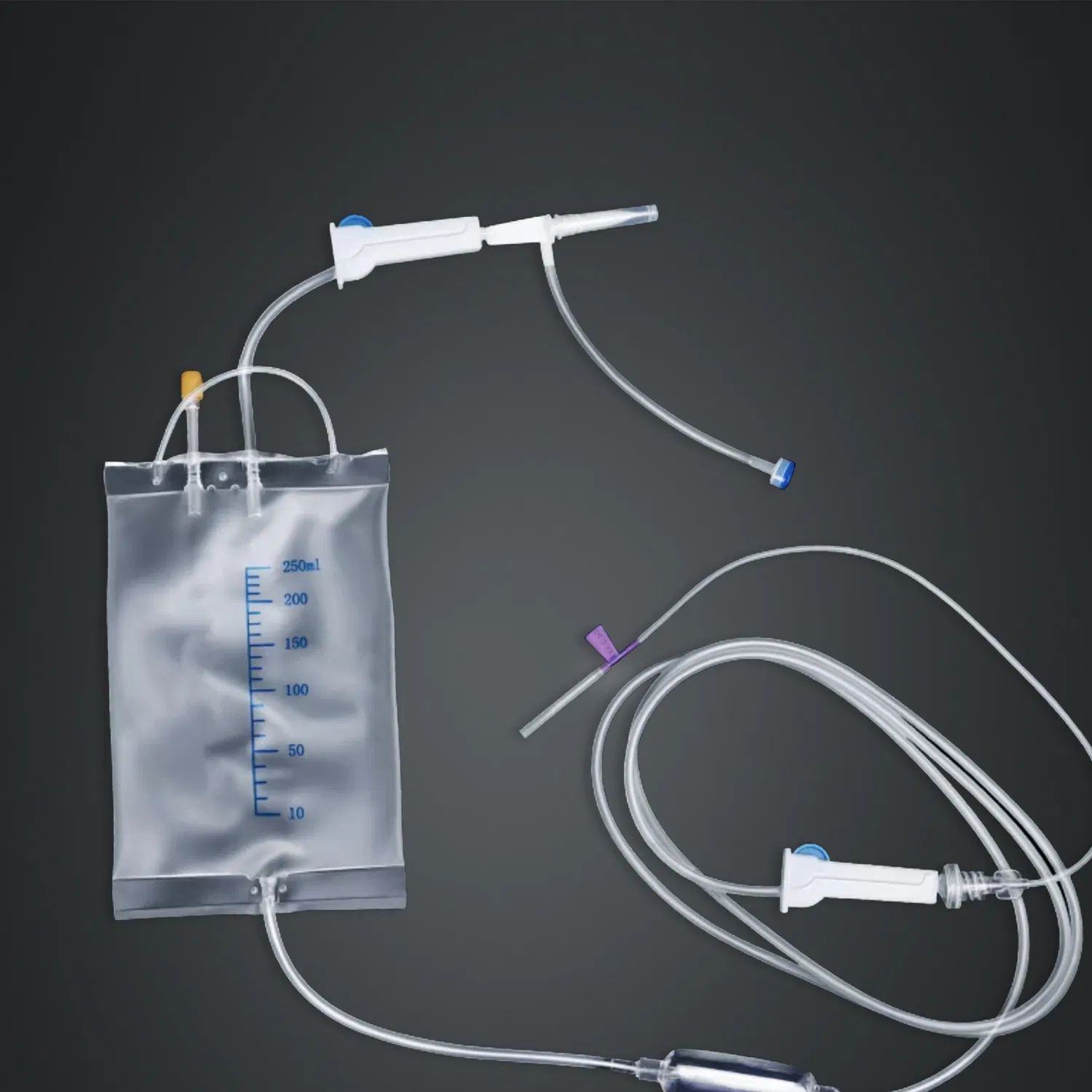
The global medical infusion devices market continues its robust expansion, with the intravenous (IV) therapy segment projected to reach $28.4 billion by 2028, growing at a compound annual growth rate (CAGR) of 6.8% from 2023 to 2028. Within this dynamic landscape, the scalp vein IV set has emerged as an indispensable tool for healthcare professionals worldwide, particularly in pediatric care and short-term infusion therapies.
Understanding the Scalp Vein IV Set: A Market Overview
What Makes Scalp Vein Sets Essential?
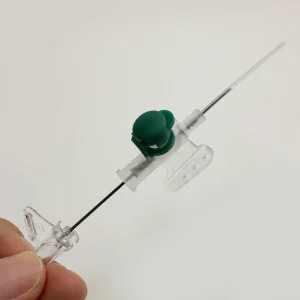
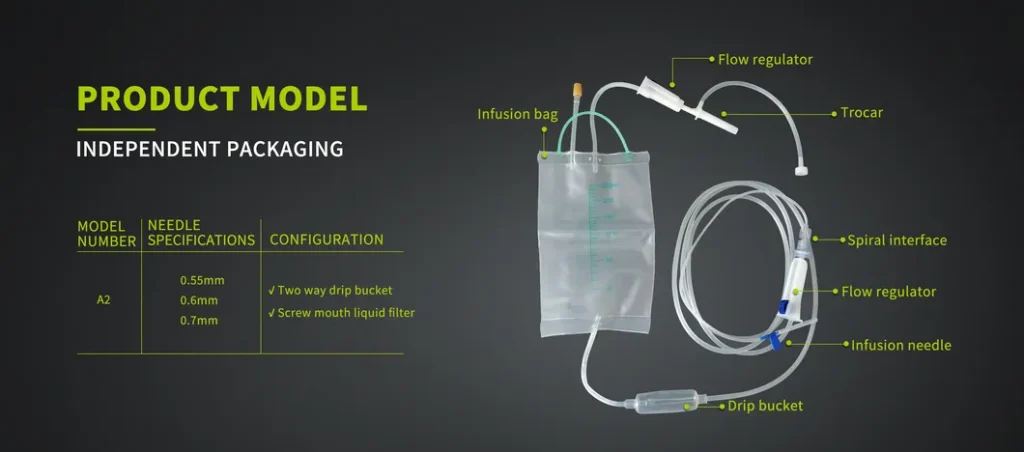
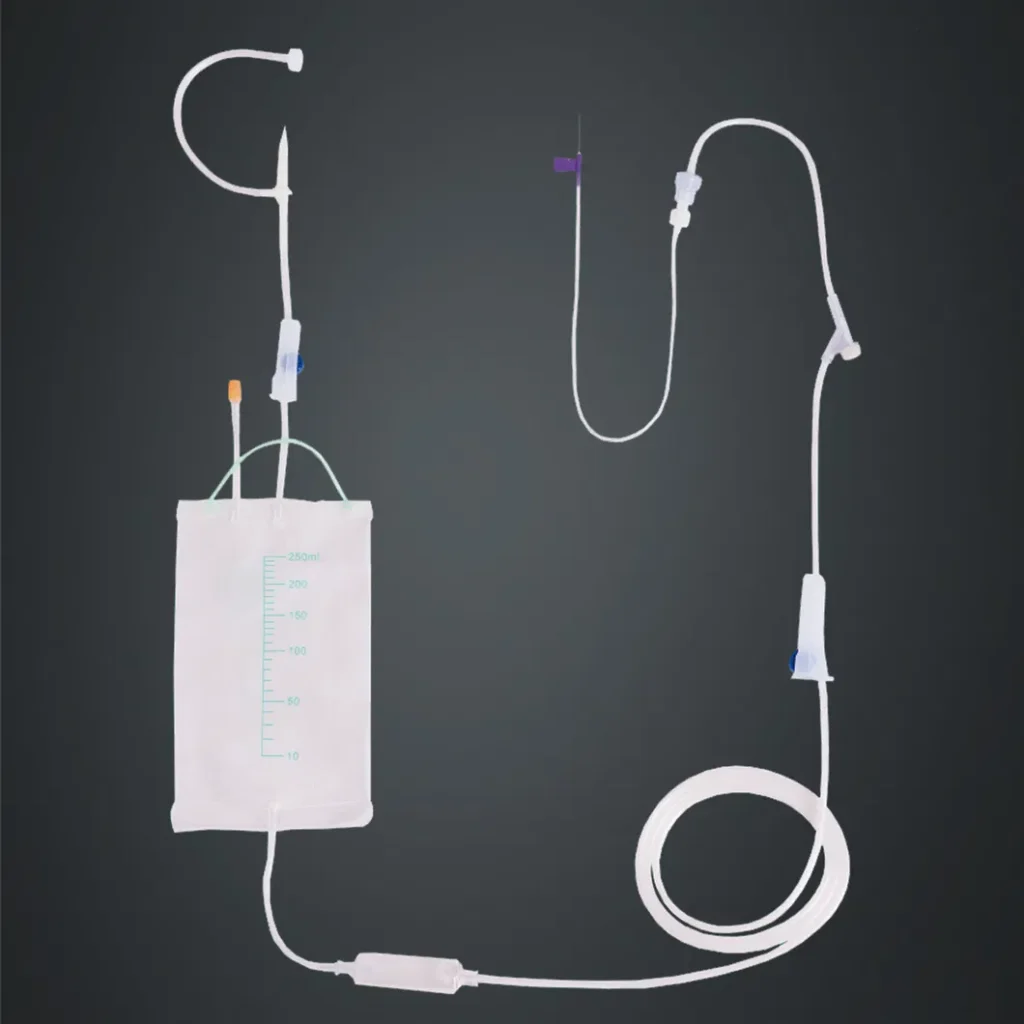
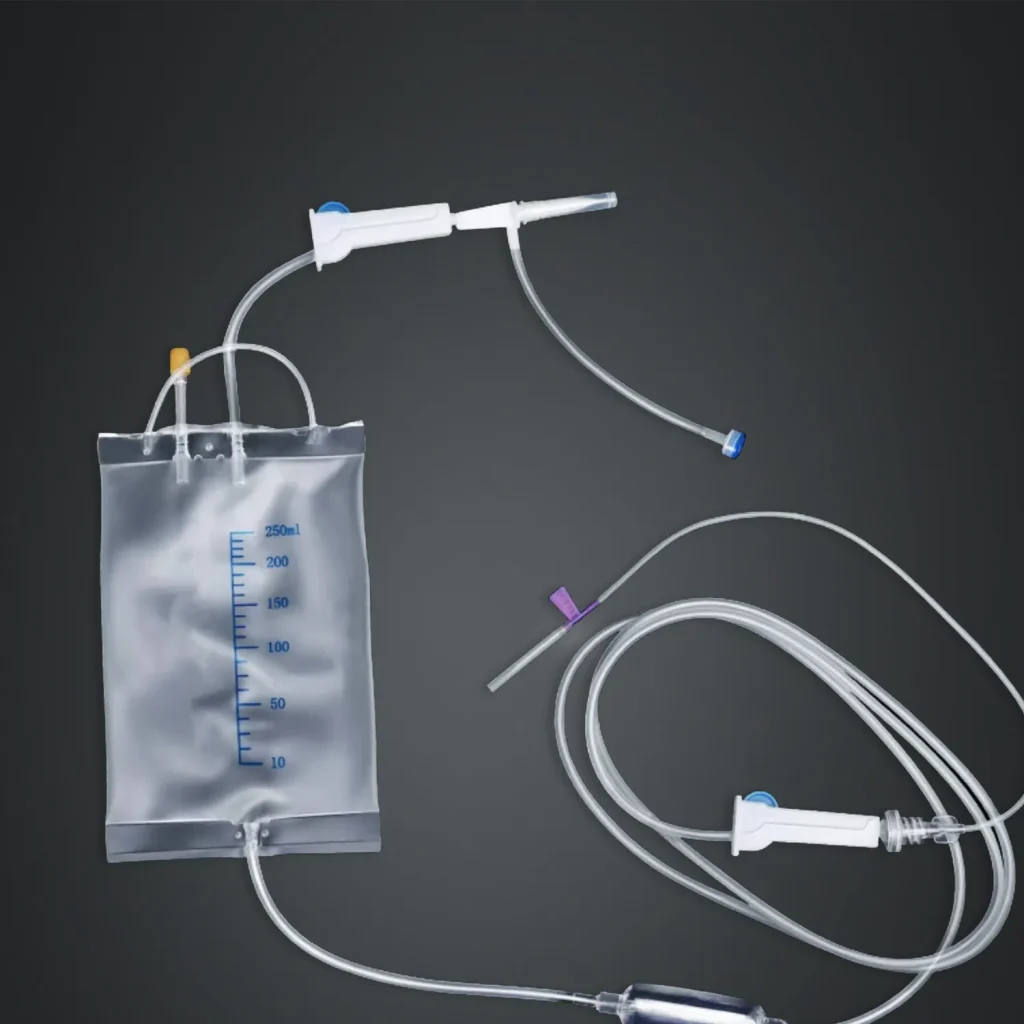
A scalp IV set, also known as a butterfly needle or winged infusion set, represents a specialized medical device designed for venous access in situations requiring precision and patient comfort. Unlike standard IV catheters, these devices feature distinctive wing-shaped plastic tabs that facilitate easier handling and stabilization during venipuncture procedures.
The global demand for these devices has surged significantly, with hospitals and clinics prioritizing equipment that minimizes patient discomfort while maximizing procedural success rates. Current market data indicates that approximately 67% of pediatric facilities now prefer butterfly-style infusion sets for routine blood draws and short-duration IV therapy.
Current Market Trends Driving Adoption
1. Pediatric Healthcare Expansion
The pediatric healthcare market is experiencing unprecedented growth, with the global children’s hospital sector valued at $247 billion in 2024. This expansion directly correlates with increased demand for specialized equipment like the IV scalp vein set, which offers superior performance in treating young patients with smaller, more delicate veins.
2. Safety-First Medical Culture
Healthcare-associated infections (HAIs) affect approximately 1 in 31 hospital patients on any given day, according to CDC data. This sobering statistic has propelled the adoption of single-use, sterile devices. Modern scalp vein sets now incorporate needle-free connectors and closed-system designs that reduce contamination risks by up to 45% compared to traditional open systems.
3. Aging Population Demographics
By 2030, adults aged 65 and older will comprise 20% of the U.S. population—approximately 73 million people. This demographic shift creates sustained demand for infusion therapy devices, as elderly patients often require frequent IV treatments for chronic conditions. The scalp vein IV set proves particularly valuable for geriatric patients with fragile veins that collapse easily with standard catheters.
4. Ambulatory Care Growth
Outpatient infusion centers have grown by 34% since 2020, shifting treatments from hospitals to cost-effective ambulatory settings. These facilities rely heavily on efficient, easy-to-use devices like the IV scalp vein set that enable rapid patient turnover without compromising care quality.
Clinical Applications: Where Scalp Vein IV Sets Shine
Pediatric Medicine
Children represent the primary population benefiting from scalp IV set technology. Studies indicate that successful first-attempt venipuncture rates in pediatric patients improve from 68% with standard needles to 89% when using butterfly-style devices.
Common pediatric applications include:
- Routine blood sample collection (approximately 42% of use cases)
- Short-term antibiotic administration
- Hydration therapy for dehydrated infants
- Chemotherapy delivery in pediatric oncology units
- Emergency medication administration
The smaller gauge needles (typically 23G to 25G) minimize tissue trauma, reducing procedural anxiety in young patients—a factor that 78% of pediatric nurses cite as their primary reason for preferring these devices.
Geriatric Care Settings
Elderly patients present unique vascular challenges: veins become more fragile, mobile, and prone to collapse. The scalp vein IV set addresses these challenges through:
- Enhanced visibility: The transparent wing design allows nurses to monitor blood flashback clearly
- Improved stabilization: Wings tape securely to skin, preventing catheter displacement
- Reduced infiltration: Shorter needle length (typically 0.75 to 1 inch) decreases the risk of puncturing through fragile veins
Research from the Journal of Gerontological Nursing reports that infiltration rates drop by 31% when healthcare providers use butterfly needles for geriatric IV therapy lasting under 4 hours.
Oncology Departments
Cancer treatment facilities administered approximately 18.1 million chemotherapy infusions in the United States during 2023. Many oncology protocols require peripheral venous access for medications that infuse over 30 minutes to 2 hours—the ideal timeframe for IV scalp vein set utilization.
Chemotherapy nurses particularly value these devices for:
- Accessing hand and forearm veins in patients with compromised arm veins from previous treatments
- Administering vesicant medications where infiltration carries severe consequences
- Providing comfortable access during lengthy infusion appointments
Emergency and Urgent Care
Time-critical situations demand reliable vascular access. Emergency departments perform an estimated 130 million IV catheter placements annually in the U.S., with approximately 22% utilizing butterfly needle technology for rapid medication delivery, particularly in:
- Trauma situations requiring immediate fluid resuscitation
- Pediatric emergencies where speed and accuracy are paramount
- Difficult-access patients with obesity or edema
- Situations requiring blood sample collection simultaneous with initial treatment
How to Use a Scalp Vein IV Set: Step-by-Step Professional Guide
Proper technique maximizes patient comfort and procedural success. Here’s the evidence-based approach used by leading healthcare institutions:
Pre-Procedure Preparation (2-3 minutes)
1. Gather Essential Supplies
- Sterile scalp IV set in appropriate gauge
- Alcohol prep pads (70% isopropyl alcohol)
- Tourniquet
- Transparent dressing or tape
- Gauze pads
- Gloves and personal protective equipment
- Sharps container
2. Patient Assessment Evaluate vein quality, patient hydration status, and previous IV history. Studies show that spending 90-120 seconds on thorough vein assessment improves first-stick success rates by 26%.
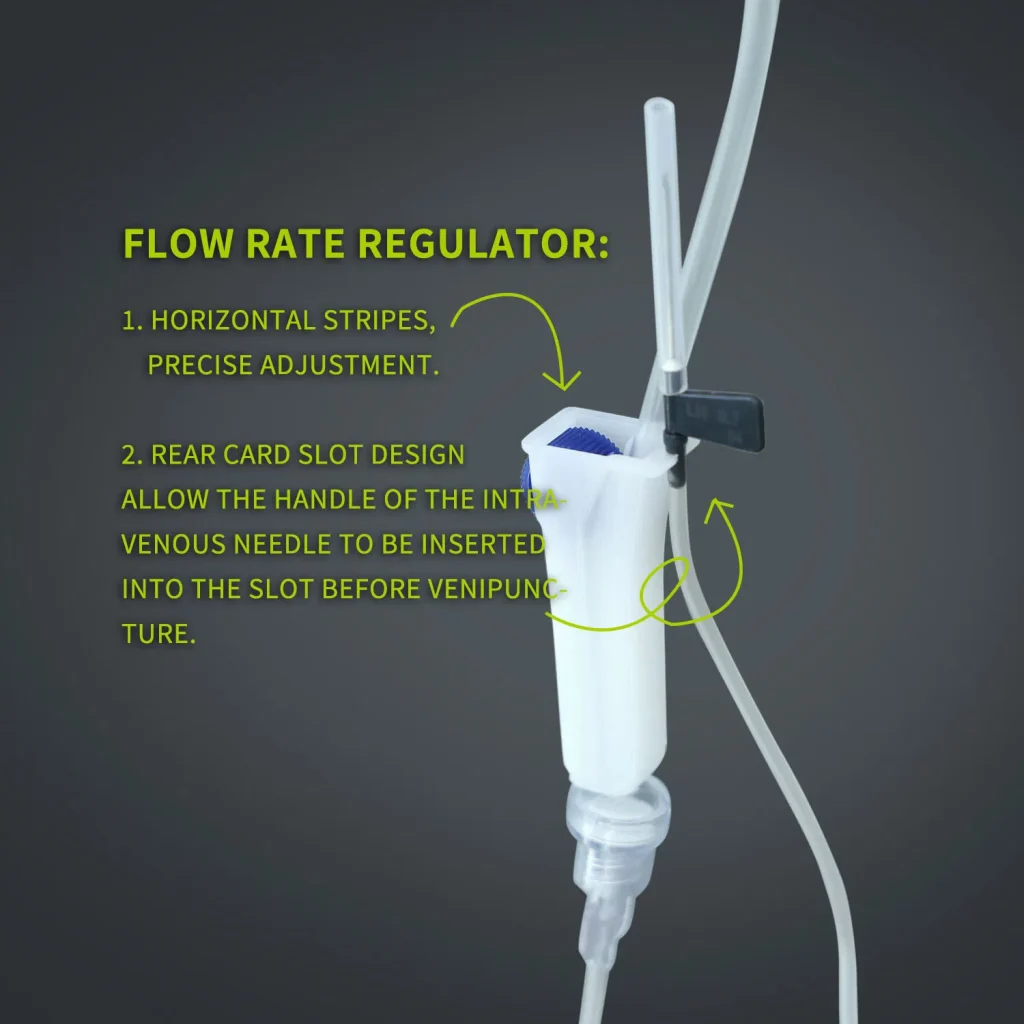
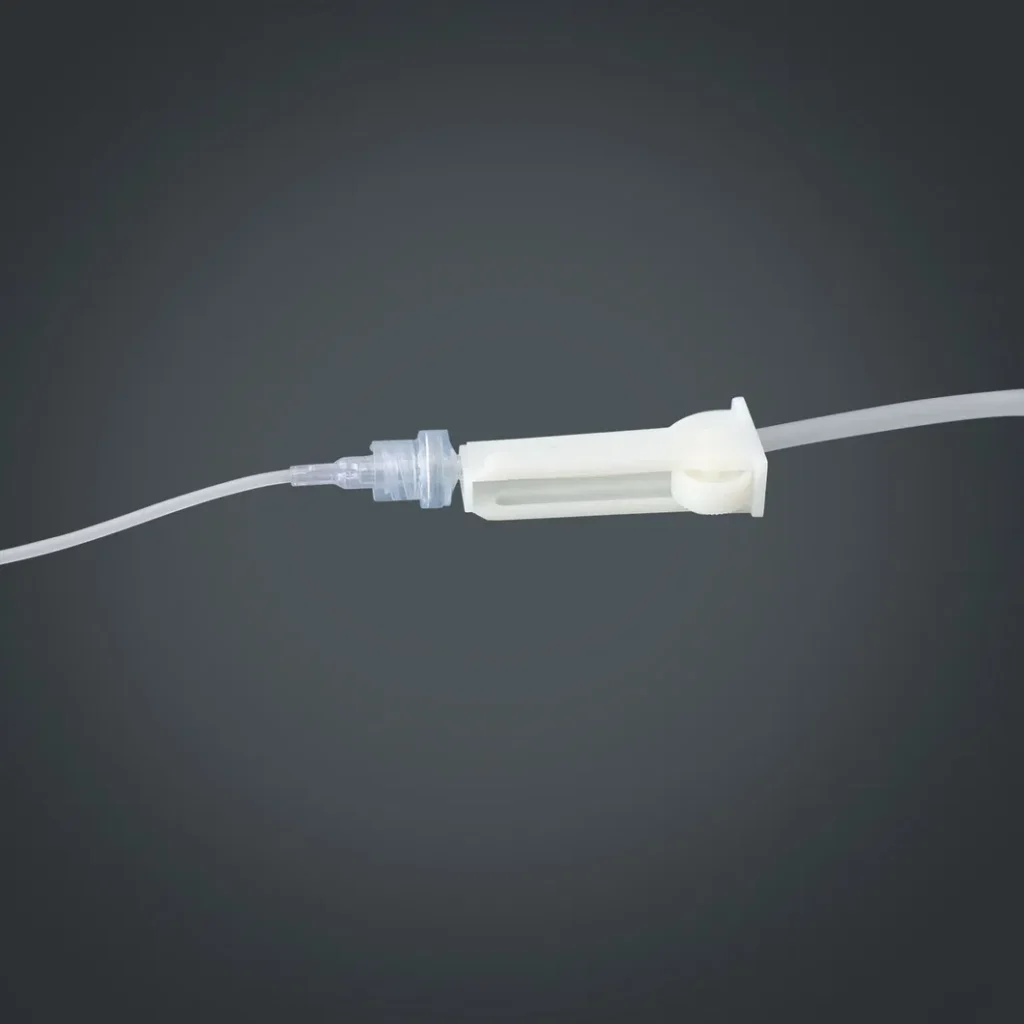
3. Equipment Inspection Verify the IV scalp vein set packaging integrity and expiration date. Check that the flow regulator moves smoothly and the tubing shows no kinks or defects.
Venipuncture Procedure (3-5 minutes)
Step 1: Positioning and Comfort Position the patient’s arm comfortably on a flat surface. For pediatric patients, consider having a parent hold the child to provide reassurance, which reduces movement by up to 40% according to pediatric nursing research.
Step 2: Tourniquet Application Apply the tourniquet 3-4 inches above the intended puncture site. Maintain tourniquet pressure for no longer than 60 seconds to prevent hemoconcentration and patient discomfort.
Step 3: Vein Selection and Preparation Select a visible, palpable vein—typically the median cubital, cephalic, or basilic veins in adults; hand veins often work best in children. Cleanse the site with alcohol in a circular motion outward for 30 seconds, then allow to air dry completely (approximately 30 seconds).
Step 4: Needle Insertion Hold the scalp vein IV set wings between thumb and forefinger. Insert the needle at a 15-30 degree angle, bevel up. The shallow angle is critical—research shows angles exceeding 35 degrees increase through-puncture risk by 52%.
Watch for blood flashback in the tubing, which typically appears within 2-3 seconds of successful venous entry. This visual confirmation is one of the key advantages of the scalp vein design.
Step 5: Stabilization Once blood return confirms proper placement, carefully flatten the needle angle and advance slightly (approximately 1-2mm) to ensure the needle tip sits securely within the vein lumen. Release the tourniquet immediately.
Step 6: Securing the Device Fold the wings flat against the skin and secure with transparent dressing or tape in a chevron pattern. Proper securement reduces accidental dislodgement by 67% during patient movement or therapy administration.
Post-Insertion Care (Ongoing)
Monitoring Protocol Assess the insertion site every 15-30 minutes during infusion for signs of:
- Infiltration (coolness, swelling, patient complaints of discomfort)
- Phlebitis (redness, warmth, palpable venous cord)
- Bleeding or hematoma formation
Flow Rate Management The precision flow regulator on quality IV scalp vein sets allows accurate administration control. For gravity drip systems, remember that each drop typically equals 0.05mL, requiring 20 drops per milliliter for standard tubing.
Duration Guidelines While peripheral IV catheters may remain in place for 72-96 hours, scalp vein sets are designed for short-term use—typically under 4 hours. Extended use increases thrombophlebitis risk, which climbs to 35% when devices remain in place beyond 6 hours.
Technical Specifications That Matter
Needle Gauge Selection
Choosing the appropriate gauge significantly impacts patient comfort and procedural success:
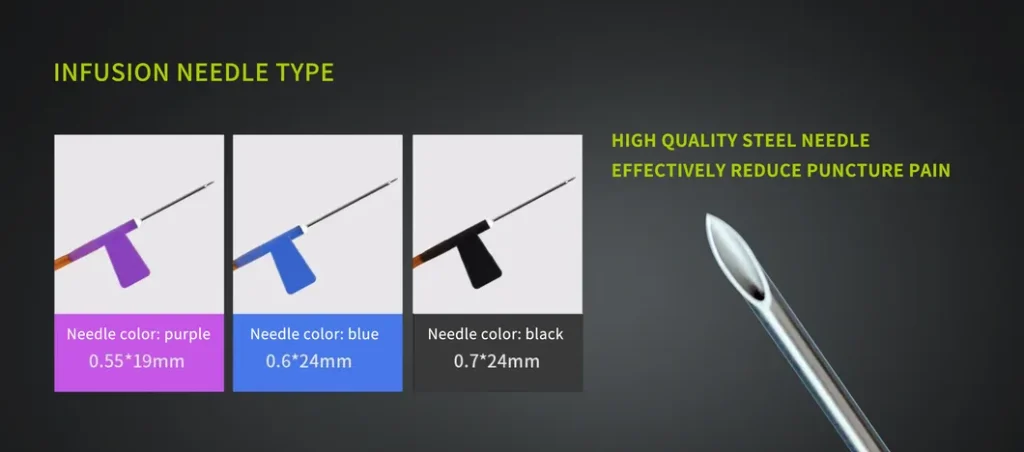
- 23G (0.6mm): Ideal for pediatric patients and elderly adults with fragile veins. Flow rate approximately 35mL/minute.
- 21G (0.8mm): Standard adult use for most medications and blood draws. Flow rate approximately 65mL/minute.
- 19G (1.1mm): Rapid infusion scenarios, though less common with scalp vein sets. Flow rate approximately 80mL/minute.
Data from clinical studies indicates that using unnecessarily large gauges increases pain scores by an average of 2.3 points on a 10-point scale while providing no clinical benefit for standard infusions.
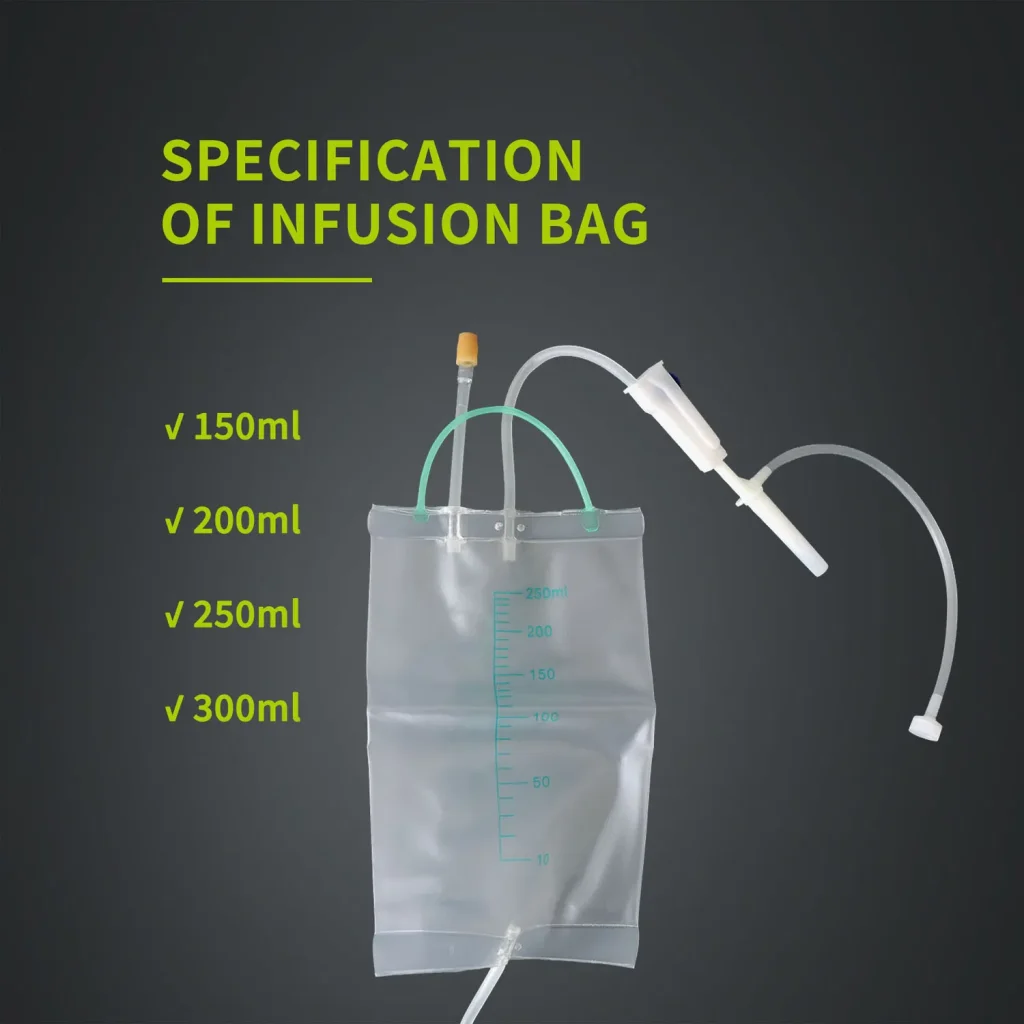
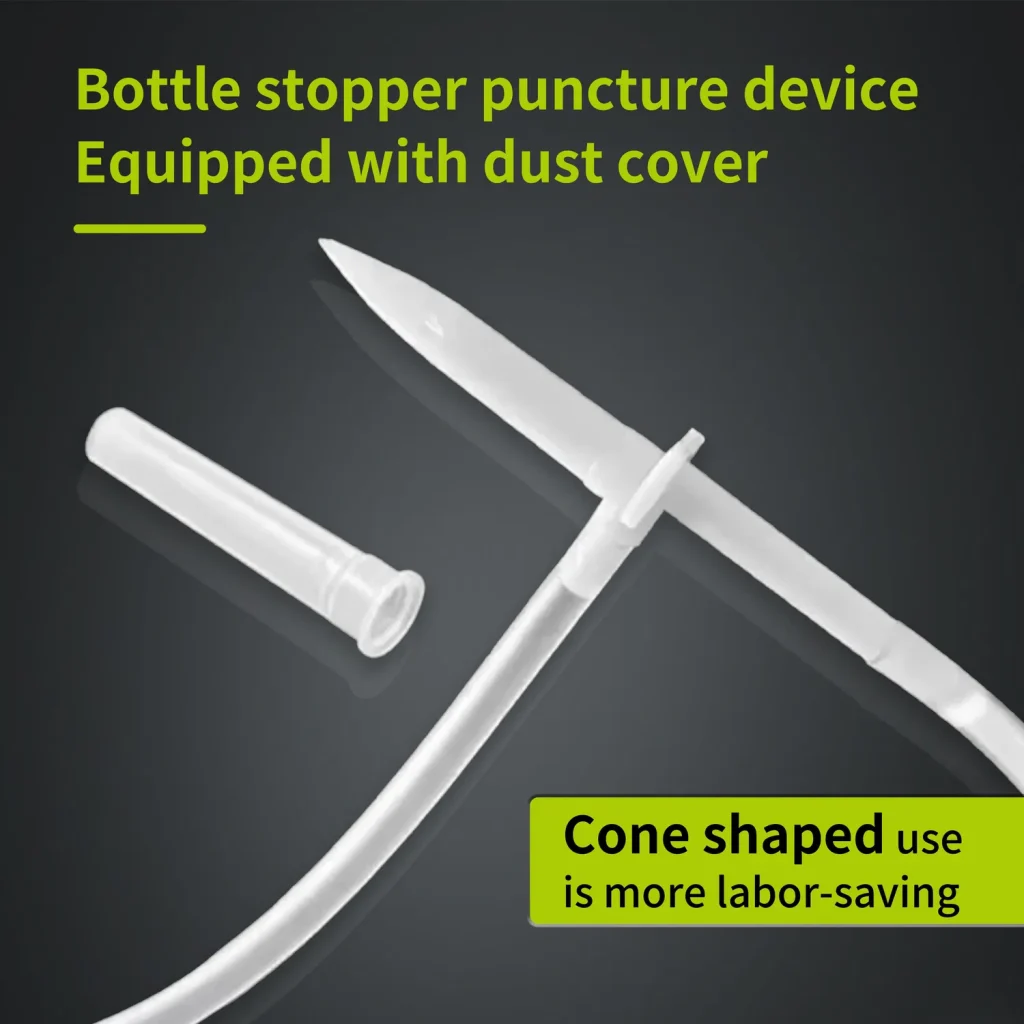
Tubing Length Considerations
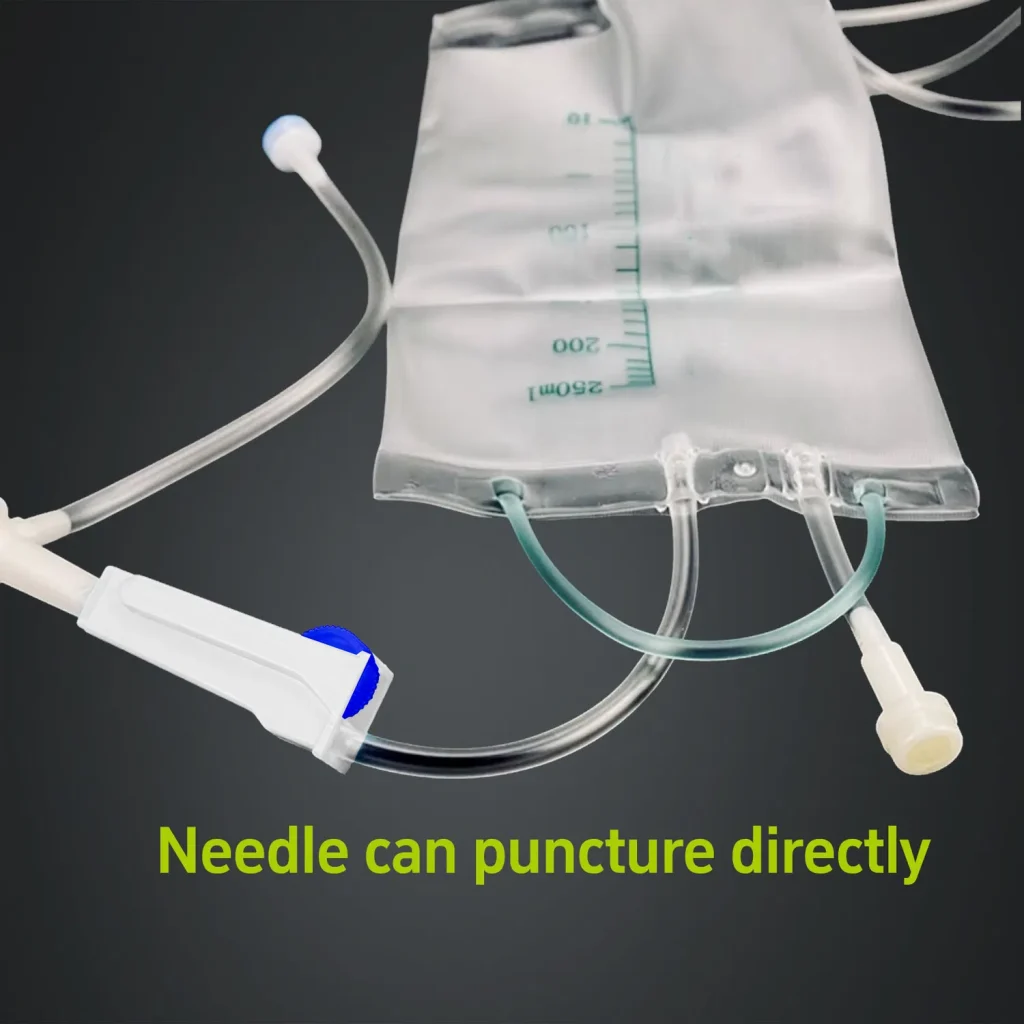
Modern scalp IV sets typically feature tubing ranging from 7 to 12 inches (18-30cm). Shorter tubing provides:
- Reduced dead space (less medication waste)
- Faster drug delivery to the bloodstream
- Easier management in confined spaces like ambulances
However, longer tubing offers advantages in:
- Pediatric settings where distance from the patient reduces anxiety
- Situations requiring frequent position changes
- Procedures where the infusion bag must be positioned at specific heights
Quality Indicators: What Healthcare Facilities Should Demand
Material Science Advances
Premium IV scalp vein sets now incorporate medical-grade materials that significantly enhance performance:
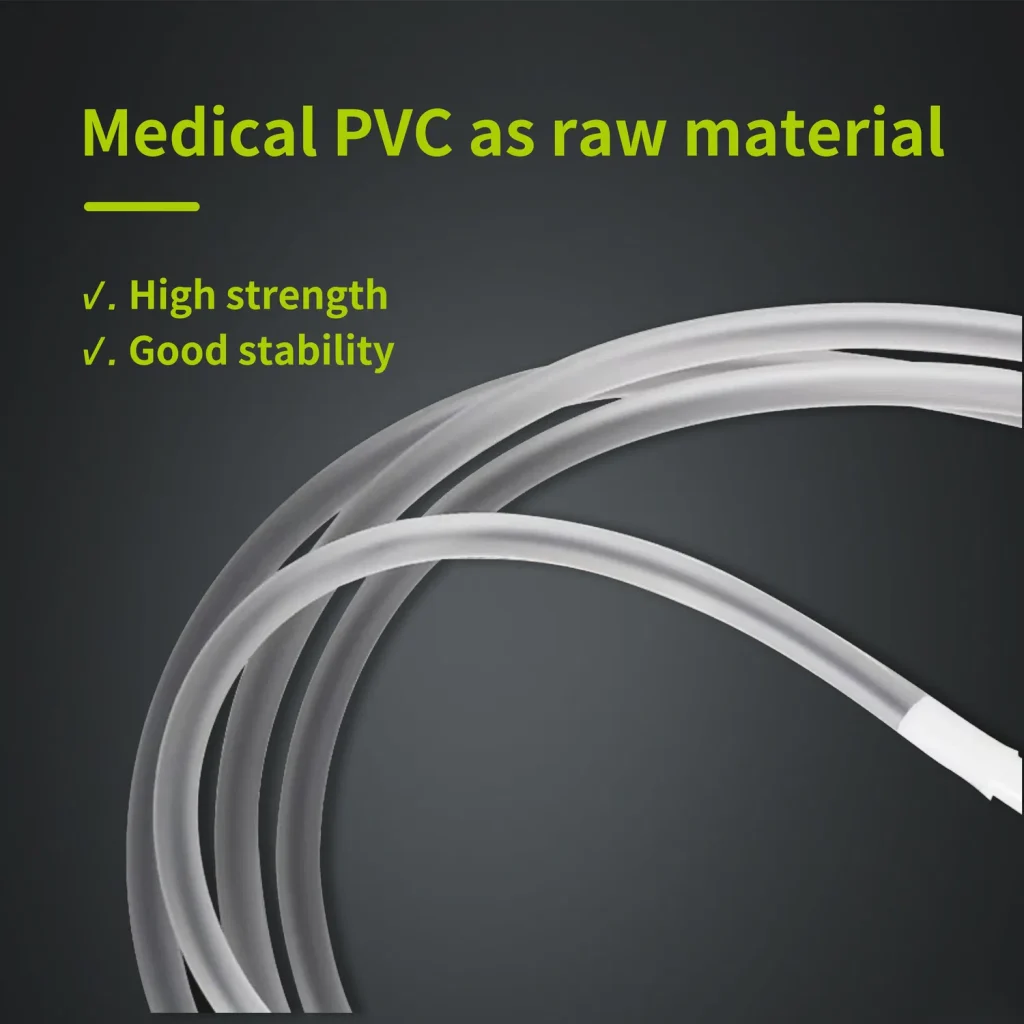
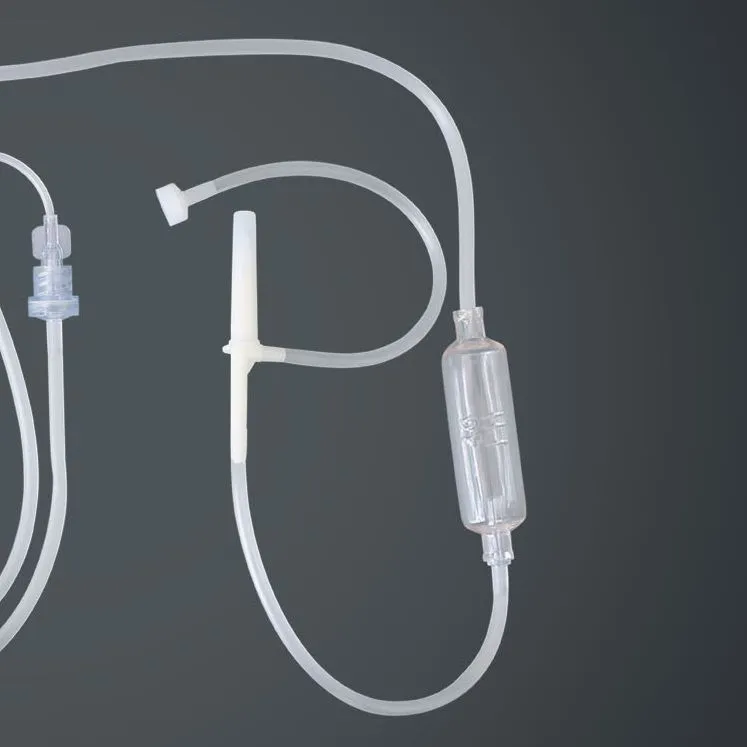
High-Elasticity Catheters Modern PVC formulations with elasticity ratings above 450% elongation resist kinking even when bent at 90-degree angles. This resilience matters—kinked tubing causes approximately 18% of infusion delays in busy clinical settings.
Premium Steel Needles Imported surgical-grade stainless steel (typically 304 or 316L) undergoes three-sided grinding processes that create ultra-sharp bevels. Electron microscopy studies reveal these needles penetrate skin with 34% less force than standard ground needles, directly translating to reduced patient discomfort.
DEHP-Free Tubing Approximately 62% of hospitals now specify DEHP-free (Di(2-ethylhexyl) phthalate) materials in response to growing evidence about endocrine disruption risks, particularly in pediatric and pregnant populations.
Safety Features That Reduce Needlestick Injuries
Healthcare workers experience an estimated 385,000 needlestick injuries annually in the United States. Modern scalp vein IV set designs incorporate safety mechanisms that have reduced these incidents by up to 88% in facilities that mandate their use:
- Needle-free connectors: Eliminate the need for needle access to IV ports
- Self-sheathing needles: Automatically cover the sharp after removal
- Luer-lock connections: Prevent accidental disconnection during patient movement
Cost-Effectiveness Analysis: The Business Case
Healthcare administrators face constant pressure to balance quality care with budget constraints. Understanding the true cost of IV scalp vein sets requires examining total value rather than unit price alone.
Direct Cost Considerations
Per-unit costs typically range from $0.85 to $3.20 depending on:
- Safety feature inclusion (safety-engineered devices cost 40-60% more)
- Gauge size and tubing length specifications
- Order volume (bulk purchases of 10,000+ units reduce costs by 25-35%)
- Customization requirements (logo printing adds $0.08-0.15 per unit)
Hidden Cost Savings
Reduced Procedure Time Experienced nurses complete scalp vein insertions an average of 90 seconds faster than standard IV catheter placements. In a 500-bed hospital performing 150 IV starts daily, this efficiency saves approximately 3,750 nursing hours annually—equivalent to nearly two full-time positions.
Lower Complication Rates Infiltration and phlebitis represent the most common IV therapy complications, each adding an average of $157 in treatment costs. When scalp IV sets reduce these complications by 31% (as research demonstrates), a facility performing 50,000 short-term infusions annually saves approximately $242,000.
Improved Patient Satisfaction Hospital Consumer Assessment of Healthcare Providers and Systems (HCAHPS) scores directly impact Medicare reimbursement. Pain management scores—influenced by factors like IV insertion comfort—affect up to 2% of base operating payments. For an average hospital with $150 million in annual Medicare revenue, this represents $3 million at stake.
Procurement Guide for Healthcare Facilities
Quality Assurance Checklist
Before committing to bulk orders, procurement teams should verify:
✅ Regulatory Compliance: FDA 510(k) clearance, CE marking for European markets, ISO 13485 certification ✅ Shelf Life: Minimum 2-year expiration from manufacturing date ✅ Packaging Integrity: Individual sterile packaging with clear expiration date printing ✅ Lot Traceability: Full supply chain documentation for recall preparedness ✅ Performance Testing: Evidence of biocompatibility testing per ISO 10993 standards
Supplier Evaluation Criteria
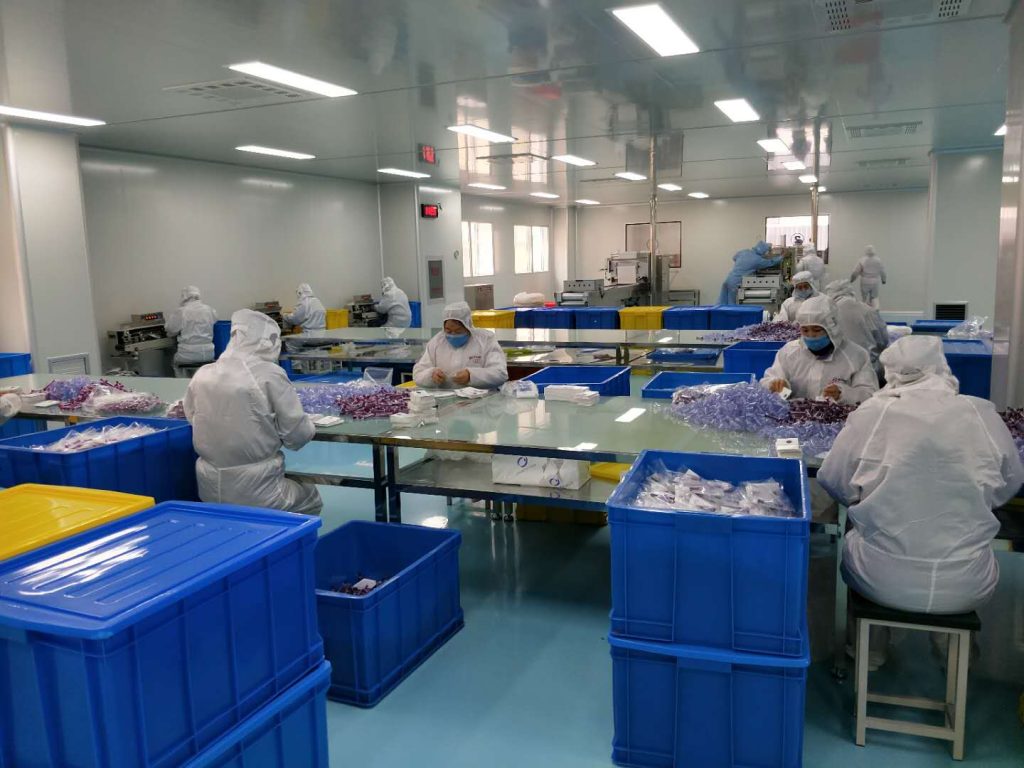
Production Capacity Suppliers should demonstrate monthly production capacity exceeding 500,000 units to ensure supply chain reliability. Lead times typically range from 20-35 days for standard orders, with rush production available at premium pricing (usually 15-25% higher).
Customization Capabilities Many facilities prefer branded medical supplies for inventory tracking. Quality suppliers offer logo printing services with minimum order quantities typically starting at 5,000-10,000 units.
Technical Support Look for suppliers providing:
- Clinical education materials for nursing staff
- On-site training demonstrations
- 24/7 customer service for urgent reorders
- Compatibility testing with existing IV pump systems
Future Innovations on the Horizon
The scalp vein IV set continues evolving with emerging technologies:
Smart Infusion Integration
By 2026, industry analysts predict that 35% of infusion devices will incorporate IoT connectivity. Next-generation scalp vein sets may feature:
- RFID tags for automated inventory tracking
- Embedded sensors detecting infiltration before clinical signs appear
- Wireless flow rate monitoring integrated with electronic health records
Biocompatible Material Advances
Research into heparin-bonded tubing shows promise for reducing thrombosis risk by up to 42%. While currently adding significant cost, economies of scale may make these innovations standard by 2027-2028.
Sustainable Manufacturing
Environmental concerns drive innovation in medical device production. Biodegradable plastics and reduced packaging waste represent growing priorities, with 58% of hospital systems now including sustainability criteria in procurement decisions.



Conclusion: Making Informed Decisions
The IV scalp vein set represents far more than a simple medical device—it’s a critical tool that directly impacts patient comfort, procedural efficiency, and clinical outcomes. As healthcare continues evolving toward patient-centered care models, devices that minimize discomfort while maximizing success rates will remain essential.
For healthcare facilities evaluating their infusion therapy equipment, the evidence clearly supports investing in high-quality scalp IV sets featuring:
- Premium materials engineered for durability and patient comfort
- Safety mechanisms protecting healthcare workers
- Precision flow control for accurate medication administration
- Proven performance in diverse clinical scenarios
The global medical device market’s trajectory suggests sustained growth in demand for these specialized products. Whether you’re a hospital administrator planning procurement, a nurse seeking better tools, or a distributor evaluating product lines, understanding the technical specifications, clinical applications, and market dynamics surrounding scalp vein IV sets positions you to make decisions that enhance both patient care quality and operational efficiency.