In modern healthcare delivery systems, oral feeding syringes have become indispensable tools for accurate medication administration and nutritional support. As the global medical disposables market continues to expand—projected to reach $512 billion by 2027—understanding the specifications, applications, and sourcing strategies for feeding syringes is crucial for procurement managers, healthcare facility administrators, and medical distributors.
This comprehensive guide explores the critical aspects of medical feeding syringes, from clinical applications to wholesale purchasing considerations, helping you make informed decisions for your organization.
WHAT: Understanding Medical Feeding Syringes and Their Specifications
Product Definition and Components
A food syringe, also known as an oral medication syringe or enteral feeding syringe, is a medical device designed for precise measurement and administration of liquid medications, nutritional supplements, or tube feeding solutions. Unlike injection syringes, these devices feature a catheter tip or oral adapter rather than a needle, ensuring safe oral or enteral delivery.
Key Components Include:
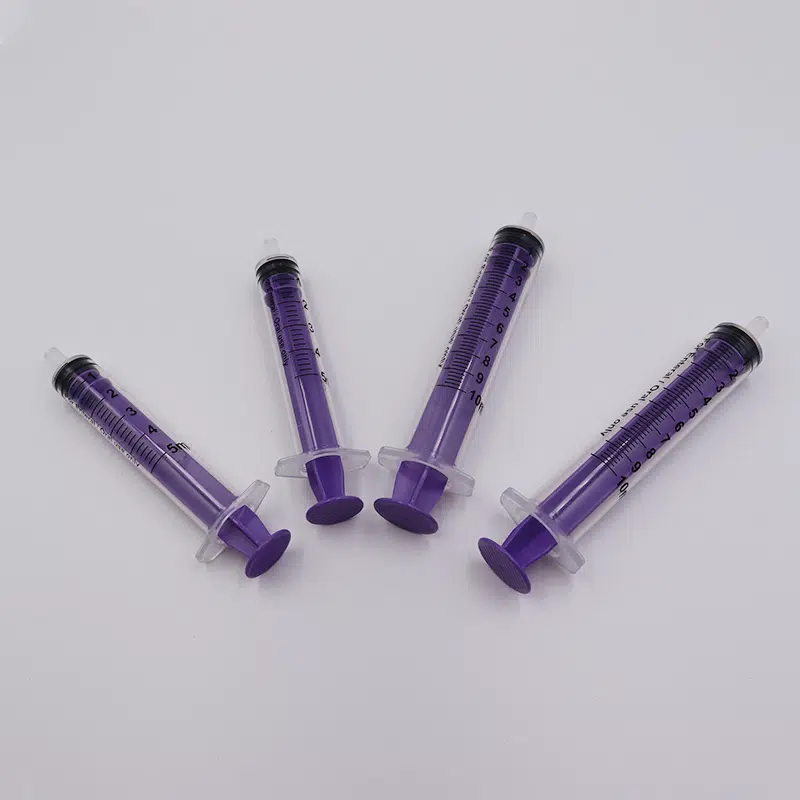
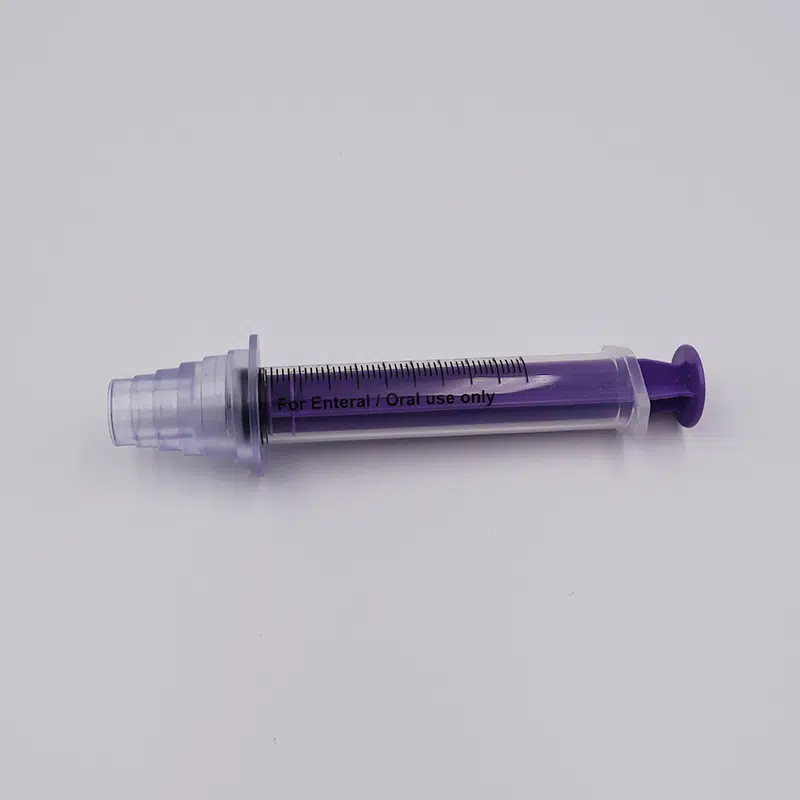
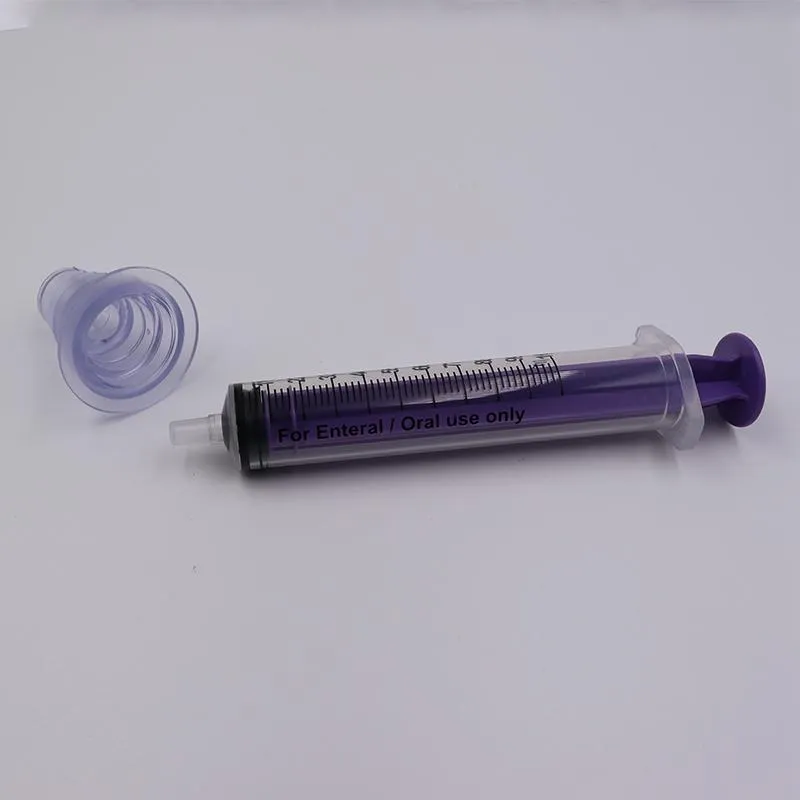
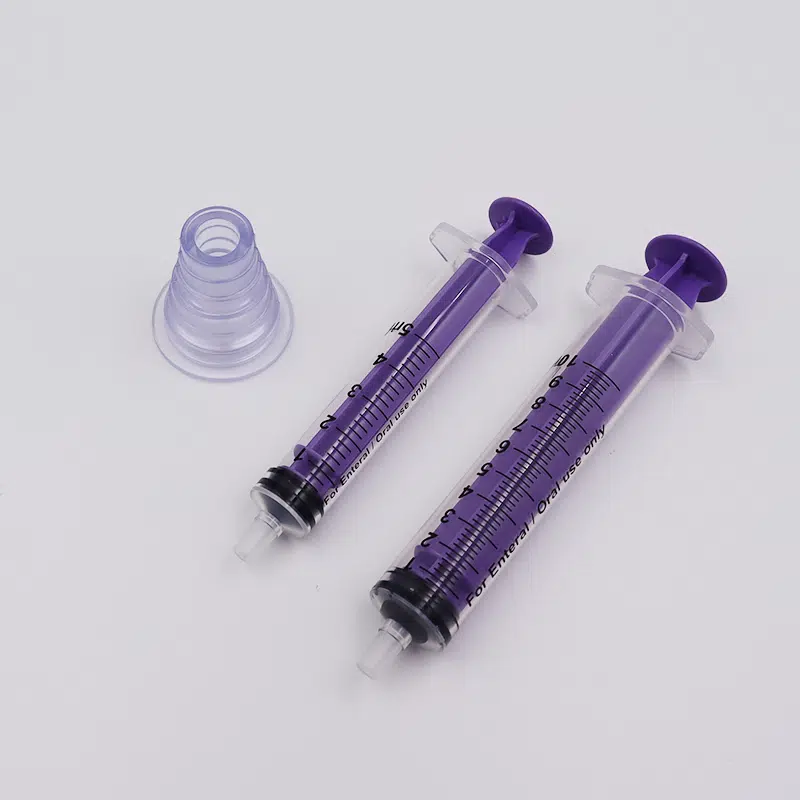
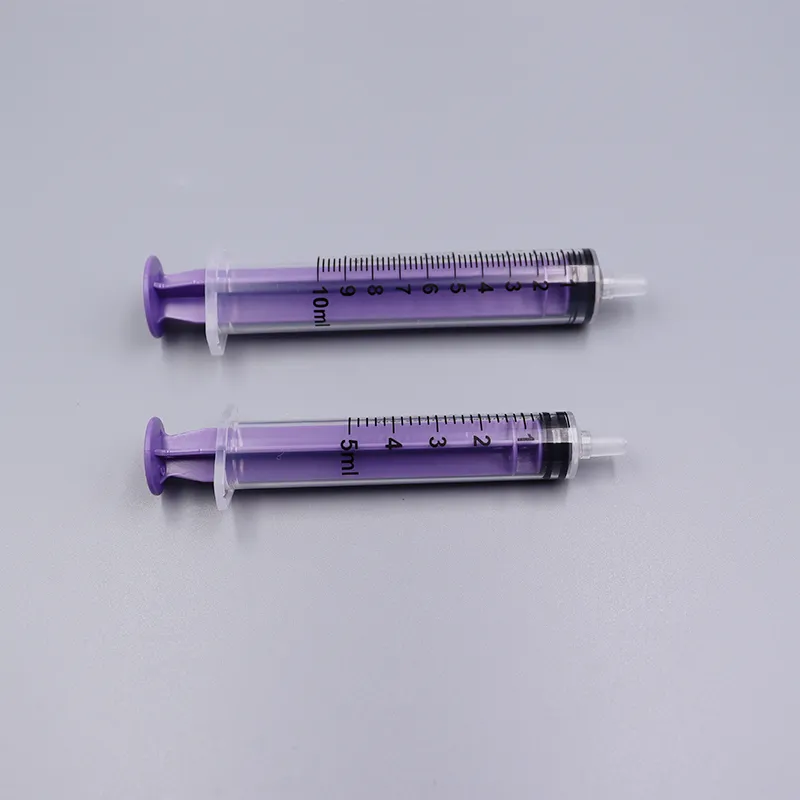
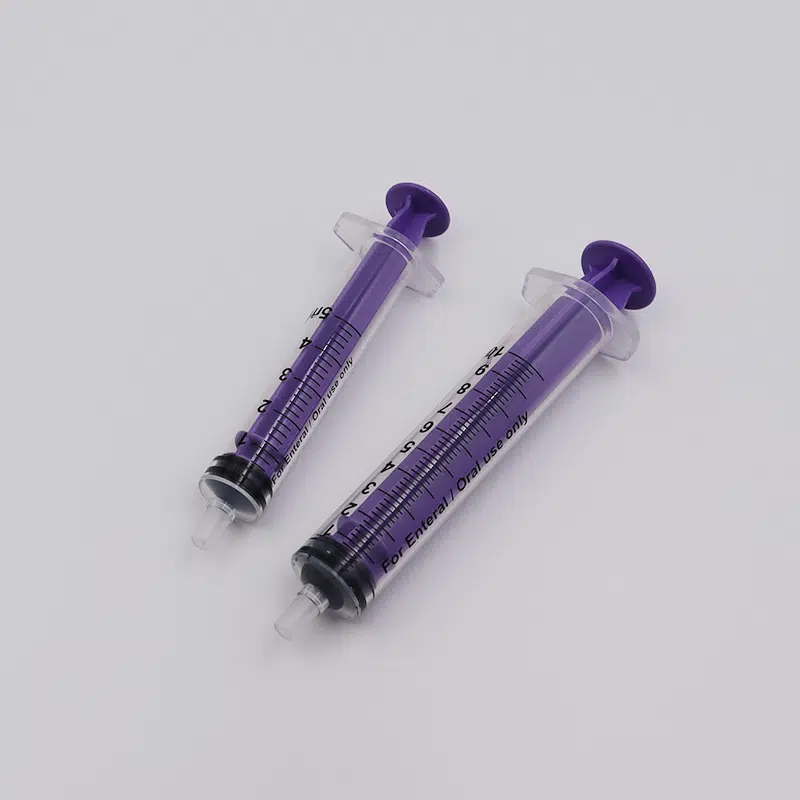
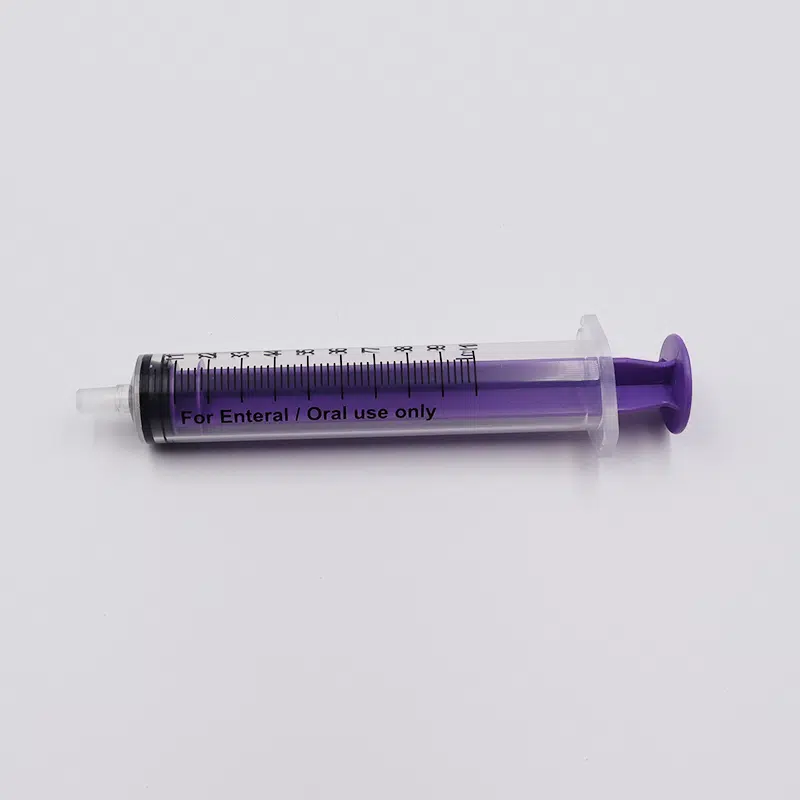
- Graduated Barrel: Transparent or color-coded cylinder with clear volume markings (typically 0.5ml-1ml increments)
- Plunger Assembly: Smooth-action piston for controlled liquid dispensing
- Bottle Adapter: Universal connector for direct medication withdrawal from pharmaceutical bottles
- Safety Cap: Protective covering to maintain sterility and prevent contamination
Standard Specifications in the Market
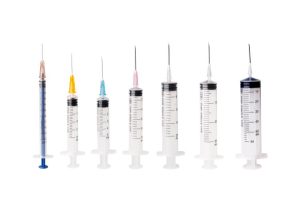
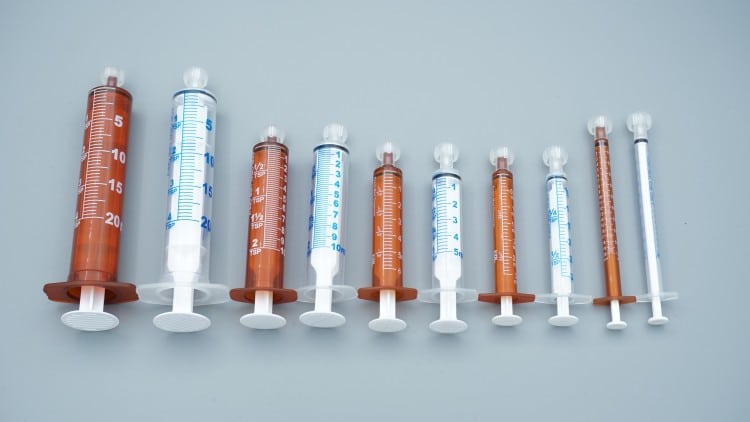
Current industry-standard oral feeding syringes are available in multiple capacities:
- 3ml: Pediatric dosing, precise small-volume medications
- 5ml & 10ml: Most common sizes for general medication administration
- 20ml: Higher-volume nutritional supplements and liquid medications
- 50ml & 60ml: Enteral feeding through nasogastric or gastrostomy tubes
Material Standards: Medical-grade polypropylene (PP) remains the industry standard due to its chemical resistance, durability, and latex-free properties, minimizing allergic reactions in sensitive patients.
WHY: The Growing Demand for Feeding Syringes in Healthcare
Market Growth Drivers
The global feeding syringe market has experienced substantial growth, driven by several key factors:
1. Aging Population Demographics
- By 2030, one in six people globally will be aged 60 or over
- Elderly patients often require liquid medications due to swallowing difficulties (dysphagia)
- Home healthcare adoption increases demand for user-friendly administration devices
2. Pediatric Healthcare Expansion
- Infants and young children require precise dosing based on body weight
- Liquid medication formulations dominate pediatric prescriptions
- Food syringes provide accuracy that measuring spoons cannot achieve
3. Chronic Disease Management
- 60% of adults live with at least one chronic condition requiring ongoing medication
- Enteral nutrition support for patients with gastrointestinal disorders
- Post-surgical feeding protocols in recovery care
4. Veterinary Medicine Growth
- The global veterinary healthcare market reached $51.8 billion in 2024
- Pet owners increasingly seek professional-grade feeding tools
- Exotic animal care requires specialized administration methods
Safety and Accuracy Advantages
Medical errors related to dosing account for approximately 7,000-9,000 deaths annually in the United States alone. Oral feeding syringes significantly reduce medication errors through:
- Precise Measurement: Graduated markings eliminate guesswork
- Controlled Delivery: Prevents aspiration risks associated with cup or spoon administration
- Reduced Waste: Direct bottle withdrawal minimizes medication spillage
- Documentation Support: Clear volume readings facilitate accurate medical records
WHO: Primary Users and Target Markets for Feeding Syringes
Healthcare Facility Applications
Hospitals and Medical Centers:
- Pediatric wards administering age-appropriate medication dosages
- Geriatric departments managing patients with swallowing difficulties
- Intensive care units providing enteral nutrition through feeding tubes
- Post-operative recovery rooms delivering liquid pain medications
Long-Term Care Facilities:
- Nursing homes serving elderly residents with multiple prescriptions
- Rehabilitation centers supporting stroke recovery patients
- Hospice care providing comfort medications
- Assisted living facilities managing chronic condition treatments
Home Healthcare Market
The home healthcare segment represents the fastest-growing application area for disposable oral feeding syringes:
- Family Caregivers: 53 million Americans provide unpaid care to adults with health conditions
- Professional Home Health Aides: Require reliable tools for medication administration
- Patient Self-Administration: Empowers individuals managing their own treatment regimens
- Pediatric Home Care: Parents administering antibiotics, vitamins, and nutritional supplements
Veterinary and Animal Care
Professional veterinary practices and animal hospitals utilize feeding syringes for:
- Small animal medication (dogs, cats, rabbits)
- Exotic pet care (birds, reptiles, small mammals)
- Livestock treatment in agricultural settings
- Wildlife rehabilitation and zoo animal care
Distribution and Wholesale Channels
B2B Procurement Partners:
- Medical equipment distributors serving regional healthcare networks
- Pharmacy chains stocking over-the-counter feeding devices
- Veterinary supply companies
- E-commerce platforms specializing in medical disposables
- Government healthcare procurement agencies
WHERE: Global Market Distribution and Regional Demand
Geographic Market Analysis
North America (35% Market Share)
- United States leads consumption due to advanced healthcare infrastructure
- Strict FDA regulations ensure quality standards
- High home healthcare adoption rates
- Strong veterinary medicine sector
Europe (28% Market Share)
- Aging population drives consistent demand
- CE certification requirements maintain safety standards
- National healthcare systems ensure widespread distribution
- Growing focus on patient-centered home care
Asia-Pacific (25% Market Share – Fastest Growing)
- Expanding middle-class populations seeking quality healthcare
- Increasing healthcare expenditure in China and India
- Rising awareness of accurate medication administration
- Growing veterinary services in urban areas
Latin America & Middle East (12% Combined)
- Improving healthcare infrastructure
- International aid programs increasing medical supply access
- Growing private healthcare sector
Supply Chain Considerations
Manufacturing Hubs:
- China: 60% of global medical disposables production
- Southeast Asia: Emerging manufacturing centers (Vietnam, Thailand)
- Eastern Europe: Quality-focused production for EU markets
- Mexico: Strategic location for North American distribution
Regulatory Landscape:
- FDA 510(k) clearance for U.S. market entry
- CE marking mandatory for European Economic Area
- ISO 13485 certification demonstrates quality management systems
- Country-specific medical device registrations required
WHEN: Usage Scenarios and Maintenance Guidelines
Clinical Application Protocols
Pre-Administration Preparation:
- Medication Verification: Confirm correct medication, dosage, and patient identity
- Equipment Inspection: Check oral feeding syringe for cracks, discoloration, or damage
- Adapter Connection: Securely attach bottle adapter to medication container on stable surface
- Dose Withdrawal: Draw prescribed volume, checking graduation marks at eye level
- Air Bubble Removal: Gently tap barrel and expel excess air
Administration Technique:
- Position patient upright (45-90 degrees) to prevent aspiration
- Place syringe tip inside cheek, aimed toward back of mouth
- Administer slowly, allowing time for swallowing between increments
- Never force or squirt medication rapidly into throat
- Observe patient for adverse reactions during and after administration
Maintenance and Reusability Standards
Immediate Post-Use Cleaning:
- Disassemble all components (plunger, barrel, adapter, cap)
- Rinse thoroughly under warm running water within 5 minutes of use
- Use mild dish soap or hospital-grade cleaning solution
- Clean internal barrel using bottle brush if residue remains
- Rinse all soap residue completely
Drying and Storage:
- Air dry all components on clean towel or drying rack
- Avoid direct sunlight exposure which may degrade plastic
- Store in clean, dry location away from contaminants
- Keep cap secured when not in use
- Label with patient name for single-patient use protocols
Replacement Schedule:
- Industry validation: up to 20 uses per feeding syringe with proper maintenance
- Replace immediately if plunger sticks, barrel cracks, or graduations fade
- Single-patient use only—never share between individuals
- Dispose according to medical waste guidelines after maximum use cycles
Timing Considerations for Procurement
Inventory Planning Factors:
- Seasonal Demand Fluctuations: Flu season increases pediatric medication administration
- Budget Cycles: Align bulk purchases with fiscal year procurement windows
- Lead Times: Factor 15-45 days for international manufacturing and shipping
- Regulatory Changes: Monitor updates to medical device classifications affecting supply
- Emergency Stockpiling: Maintain 30-60 day safety stock for critical care applications
HOW: Sourcing Strategy and Supplier Selection Criteria
Evaluating Feeding Syringe Manufacturers
Quality Assurance Indicators:
✅ Certifications: ISO 13485, CE marking, FDA registration, GMP compliance
✅ Production Capacity: Minimum 500,000 units/month for reliable supply
✅ Testing Protocols: Biocompatibility testing, mechanical performance validation
✅ Traceability Systems: Lot number tracking for recall management
✅ Material Documentation: Certificates of Analysis (COA) for raw materials
Financial and Operational Considerations:
- Minimum Order Quantities (MOQ): Industry standard 10,000-50,000 units
- Pricing Structure: Typical range $0.08-$0.25 per unit based on volume and specifications
- Payment Terms: 30% deposit, 70% before shipment; LC options for large orders
- Lead Time Reliability: Consistent delivery schedules with penalty clauses
- After-Sales Support: Technical assistance, complaint resolution processes
Customization and Private Label Options
OEM/ODM Capabilities:
Professional medical feeding syringe suppliers offer comprehensive customization:
- Color Customization: Brand-specific color coding beyond standard transparent/blue/orange/purple/yellow
- Volume Modifications: Custom capacity options for specialized applications
- Printing Services: Logo placement, dosage instructions, multilingual markings
- Packaging Design: Retail blister packs, bulk sterilized bags, individual wrapping
- Material Variations: Enhanced PP formulations for extreme temperature storage
Private Label Development Timeline:
- Sample approval: 7-10 days
- Mold development (if custom barrel): 20-30 days
- First production run: 15-25 days
- Total project timeline: 6-10 weeks from concept to delivery
Risk Mitigation in Global Sourcing
Supplier Audit Checklist:
- Factory Inspection: On-site or third-party audit of manufacturing facilities
- Quality Control Systems: Random inspection procedures during production
- Regulatory Compliance: Verification of all claimed certifications
- Financial Stability: Company registration, business license, credit references
- Communication Capabilities: English-speaking technical and sales support
- Dispute Resolution: Clear contract terms regarding defects and returns
Logistics and Import Considerations:
- Incoterms Selection: FOB (buyer controls shipping) vs. CIF (seller arranges insurance and freight)
- Customs Classification: HS Code 9018.31 for syringes without needles
- Import Duties: Varies by country; U.S. typically 0% for medical devices
- Documentation Requirements: Commercial invoice, packing list, COA, regulatory certificates
- Quality Inspection Services: SGS, Bureau Veritas, Intertek pre-shipment verification
HOW MUCH: Market Pricing and Total Cost of Ownership
Pricing Structure Analysis
Unit Cost Variables:
| Volume (Units) | Price Range per Unit | Typical Application |
|---|---|---|
| 10,000-50,000 | $0.18-$0.25 | Small clinics, initial orders |
| 50,000-200,000 | $0.12-$0.18 | Regional distributors |
| 200,000-500,000 | $0.10-$0.12 | National pharmacy chains |
| 500,000+ | $0.08-$0.10 | Hospital networks, government |
Cost Factors Affecting Pricing:
- Material Quality: Medical-grade PP vs. standard grade (10-15% price difference)
- Color Options: Transparent typically cheapest; custom colors add $0.01-0.02 per unit
- Packaging Type: Bulk bags vs. individual sterile wrapping (15-25% cost variance)
- Certification Requirements: CE, FDA registration costs distributed across production
- Volume Discounts: Economies of scale reduce per-unit manufacturing costs
Total Cost of Ownership (TCO) Calculation
Smart procurement extends beyond unit price:
Direct Costs:
- Purchase price per unit
- Shipping and freight (10-15% of product value for international)
- Import duties and taxes (0-5% for medical devices)
- Inspection and quality control services (0.5-1% of order value)
Indirect Costs:
- Storage and inventory carrying costs
- Potential product waste from expiration or damage
- Staff training on proper usage and maintenance
- Regulatory compliance documentation and record-keeping
Hidden Costs of Poor-Quality Products:
- Medication dosing errors requiring corrective treatment
- Patient safety incidents and potential liability
- Product recalls and replacement logistics
- Reputation damage affecting healthcare provider trust
ROI Optimization Strategy: Balance initial cost savings against long-term reliability. A $0.15 feeding syringe from a certified manufacturer may deliver better TCO than a $0.10 unit prone to plunger sticking or unclear graduations.
Market Trends and Future Outlook
Innovation Directions
Smart Technology Integration:
- RFID-enabled oral feeding syringes for automated inventory management
- Dose-tracking systems connected to electronic health records
- Color-changing indicators for medication expiration alerts
- Anti-counterfeiting features protecting supply chain integrity
Sustainability Initiatives:
- Biodegradable polymer research for eco-friendly alternatives
- Recycling programs for medical-grade plastics
- Reduced packaging waste through concentrated distribution
- Carbon-neutral manufacturing commitments from leading suppliers
Patient-Centric Design:
- Ergonomic grips for elderly patients with arthritis
- Enlarged graduation markings for visually impaired users
- Child-friendly designs reducing medication anxiety
- Universal symbols for international use and literacy barriers
Regulatory Evolution
Upcoming Standards:
- ISO 80369 ENFit connectors becoming mandatory for enteral feeding
- Enhanced biocompatibility testing requirements
- Stricter single-use enforcement to prevent cross-contamination
- Digital traceability mandates for supply chain transparency
Conclusion: Partnering with Reliable Feeding Syringe Manufacturers
Selecting the right medical feeding syringe supplier requires balancing quality assurance, competitive pricing, regulatory compliance, and operational reliability. As healthcare delivery continues evolving toward home-based care and precision medicine, the demand for accurate, safe, and user-friendly administration devices will only intensify.
Why Choose Kohope as Your Trusted Partner
Kohope Medical Devices stands at the forefront of disposable medical supply manufacturing, offering comprehensive solutions for healthcare professionals and distributors worldwide:
✅ Manufacturing Excellence: ISO 13485 certified facility with 500,000+ monthly production capacity
✅ Quality Assurance: CE and FDA registered products meeting international safety standards
✅ Product Range: Complete oral feeding syringe portfolio from 3ml to 50ml with multiple color options
✅ Customization Services: OEM/ODM capabilities with flexible MOQ for private label development
✅ Competitive Pricing: Direct factory pricing with transparent quotation within 24 hours
✅ Global Logistics: Experienced export team handling FOB/CIF terms to 50+ countries
✅ Technical Support: English-speaking customer service providing application guidance and documentation
Take the Next Step
Whether you’re a hospital procurement manager seeking reliable bulk supply, a medical distributor expanding your product portfolio, or a pharmacy chain requiring private label development, Kohope delivers the quality, service, and value your business demands.
Contact Kohope Today:
- Request detailed specifications and pricing for our complete feeding syringe collection
- Schedule a virtual factory tour to see our quality control processes
- Order samples to evaluate product performance in your specific applications
- Discuss customization options for your brand requirements
Let Kohope be your long-term partner in delivering safe, accurate, and reliable medical feeding solutions to healthcare providers worldwide.
About Kohope Medical Devices: With over a decade of experience in medical disposable manufacturing, Kohope combines advanced production technology with rigorous quality management to serve healthcare facilities, distributors, and veterinary practices across six continents. Our commitment to innovation, safety, and customer satisfaction makes us the preferred choice for medical feeding syringe solutions.