Introduction: The Evolution of Blood Draw Safety Standards
The healthcare industry has witnessed significant advancements in phlebotomy safety over the past year, with regulatory bodies worldwide tightening protocols around needlestick injury prevention. According to recent CDC reports from early 2025, needlestick injuries continue to affect over 385,000 healthcare workers annually in the United States alone, emphasizing the critical importance of selecting appropriate blood needles with integrated safety mechanisms.
As hospitals and diagnostic laboratories navigate post-pandemic supply chain improvements and heightened infection control standards, understanding the various blood draw needle types has become essential for procurement managers and clinical directors. This comprehensive guide explores the latest innovations in blood collection technology, helping you make informed decisions for your facility’s phlebotomy operations.
Understanding Blood Draw Needle Types: A 2025 Perspective
The Rise of Safety-Engineered Blood Needles
The market shift toward safety-engineered devices has accelerated dramatically since the 2024 WHO guidelines mandated enhanced sharps injury protection globally. Modern blood needles now incorporate automatic retraction mechanisms, visual indicators, and ergonomic designs that reduce occupational exposure risks by up to 88% compared to conventional devices.
Key Categories of Blood Draw Needle Types:
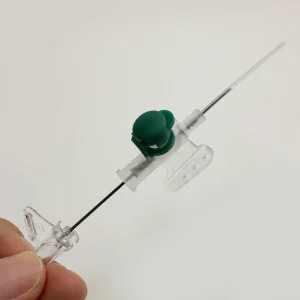
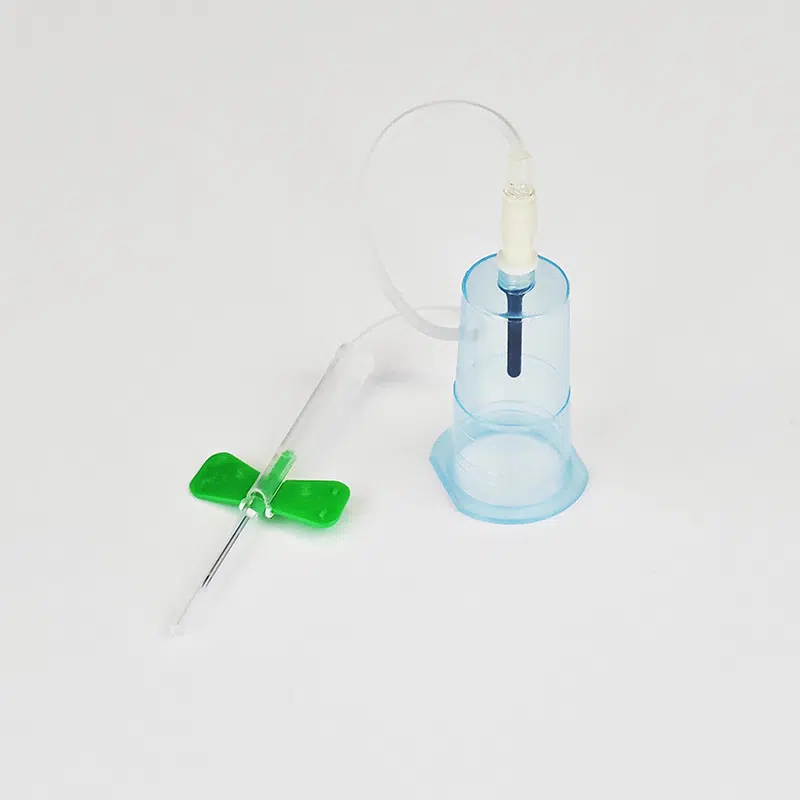
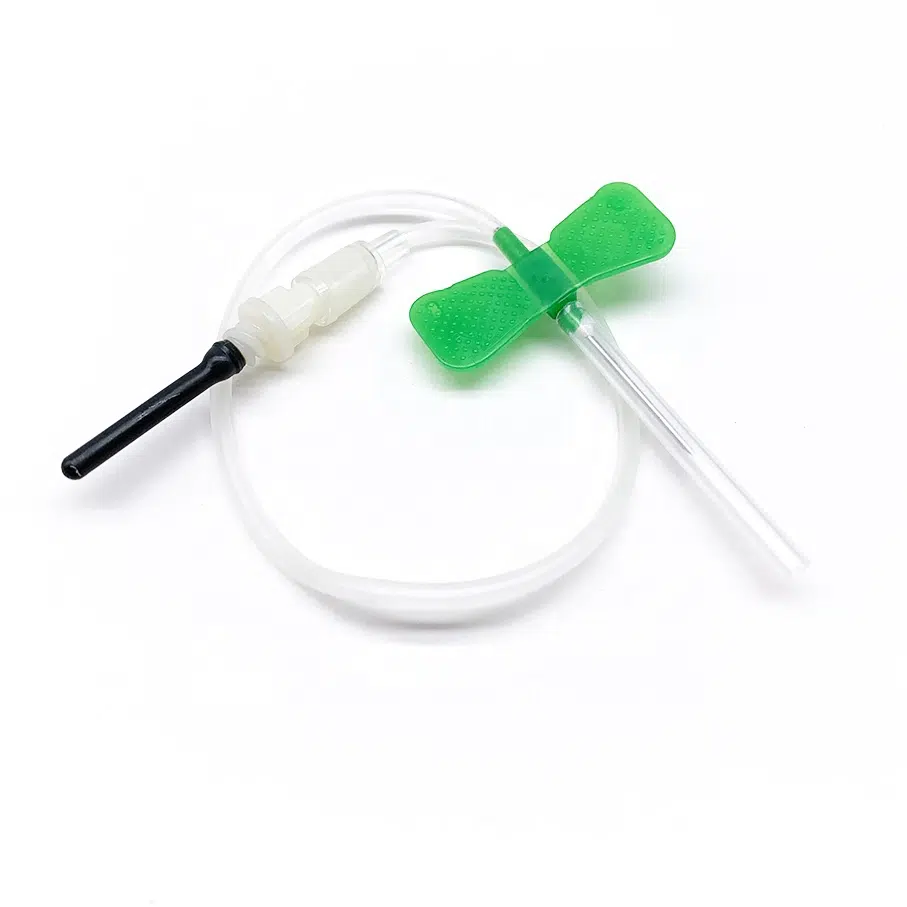
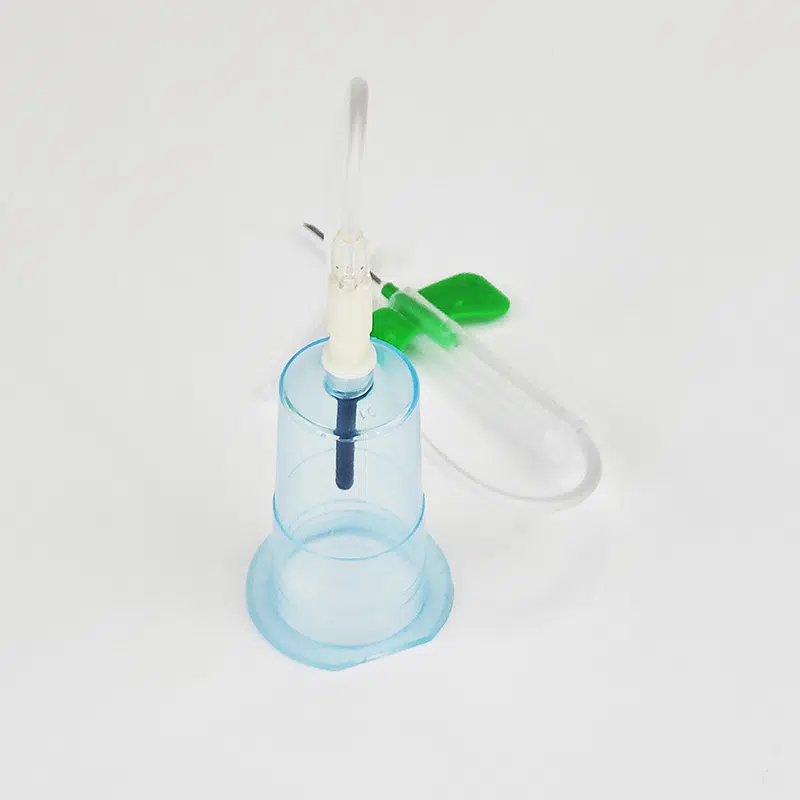
1. Butterfly Needles for Blood Draw The butterfly needle design remains the gold standard for challenging venipuncture scenarios. Named for their distinctive winged grip, these specialized blood needles offer superior control and flexibility, making them indispensable for pediatric, geriatric, and oncology patients. Recent innovations have integrated pre-attached holders and transparent tubing with enhanced flashback visibility, addressing clinician feedback from over 2,000 phlebotomists surveyed in late 2024.
Our medical disposable safety blood collection butterfly vacutainer needle with holder exemplifies these advancements, combining ergonomic butterfly wings with automatic safety retraction—a feature that’s become non-negotiable for modern healthcare facilities.
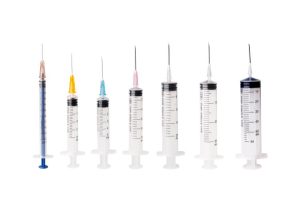
2. Straight Vacutainer Needles Traditional vacutainer needle systems continue to dominate high-volume collection environments. These direct-draw devices connect seamlessly with vacuum collection tubes, though their rigid design limits application in difficult-access veins. Industry data from Q1 2025 shows that while straight needles account for 60% of blood collections, facilities are increasingly supplementing their inventory with specialized alternatives.
3. Multi-Sample Needles Designed for efficiency when multiple tubes are required, multi-sample blood needles feature rubber-sleeved cannulas that maintain vacuum integrity between tube changes. Healthcare economics research published in March 2025 demonstrated that these devices reduce procedure time by an average of 34 seconds per additional tube—a significant efficiency gain in busy phlebotomy departments.
4. Safety-Engineered Retractable Systems The fastest-growing category in 2025, retractable blood draw needle types automatically shield the contaminated needle post-use. European Union regulations now require these mechanisms in all member states, driving global adoption. The one-handed activation design protects healthcare workers during the critical moment of needle withdrawal, when most accidental needlesticks occur.
Why Butterfly Needles for Blood Draw Are Gaining Market Share
Clinical Advantages Driving Adoption
Recent clinical trials conducted across 47 hospitals in North America reveal compelling data supporting butterfly needles for blood draw in diverse patient populations:
Pediatric Success Rates: Studies from Children’s Hospital of Philadelphia (January 2025) documented first-stick success rates of 89% with butterfly systems versus 71% with straight needles in patients under 12 years old.
Geriatric Patient Comfort: Research published in the Journal of Phlebotomy Excellence (February 2025) demonstrated 43% reduction in hematoma formation when using butterfly needles on elderly patients with fragile veins.
Difficult Venous Access: For chemotherapy patients and individuals with compromised venous integrity, butterfly needles for blood draw provide the maneuverability essential for successful collection while minimizing tissue trauma.
Economic Considerations for Procurement Managers
While butterfly needles typically cost 15-30% more per unit than straight needles, total cost analysis reveals surprising economic benefits:
- Reduced Re-stick Rates: Higher first-attempt success translates to lower supply consumption and improved patient throughput
- Decreased Occupational Injuries: Safety-engineered blood needles reduce workers’ compensation claims and associated costs
- Enhanced Patient Satisfaction: Reduced pain and anxiety improve HCAHPS scores and facility reputation
Healthcare procurement analytics from 2025 indicate that facilities using butterfly needles for blood draw in 40% or more of collections achieve 12-18% better overall phlebotomy cost-performance ratios.
Vacutainer Needle Selection: Matching Gauge to Clinical Need
The Critical Importance of Gauge Selection
Choosing the appropriate gauge for your vacutainer needle inventory directly impacts hemolysis rates, patient comfort, and collection efficiency. Industry standards updated in late 2024 provide refined guidance:
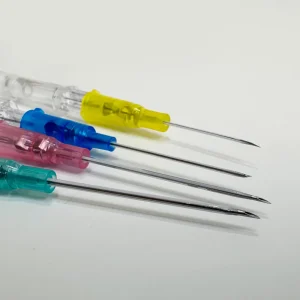
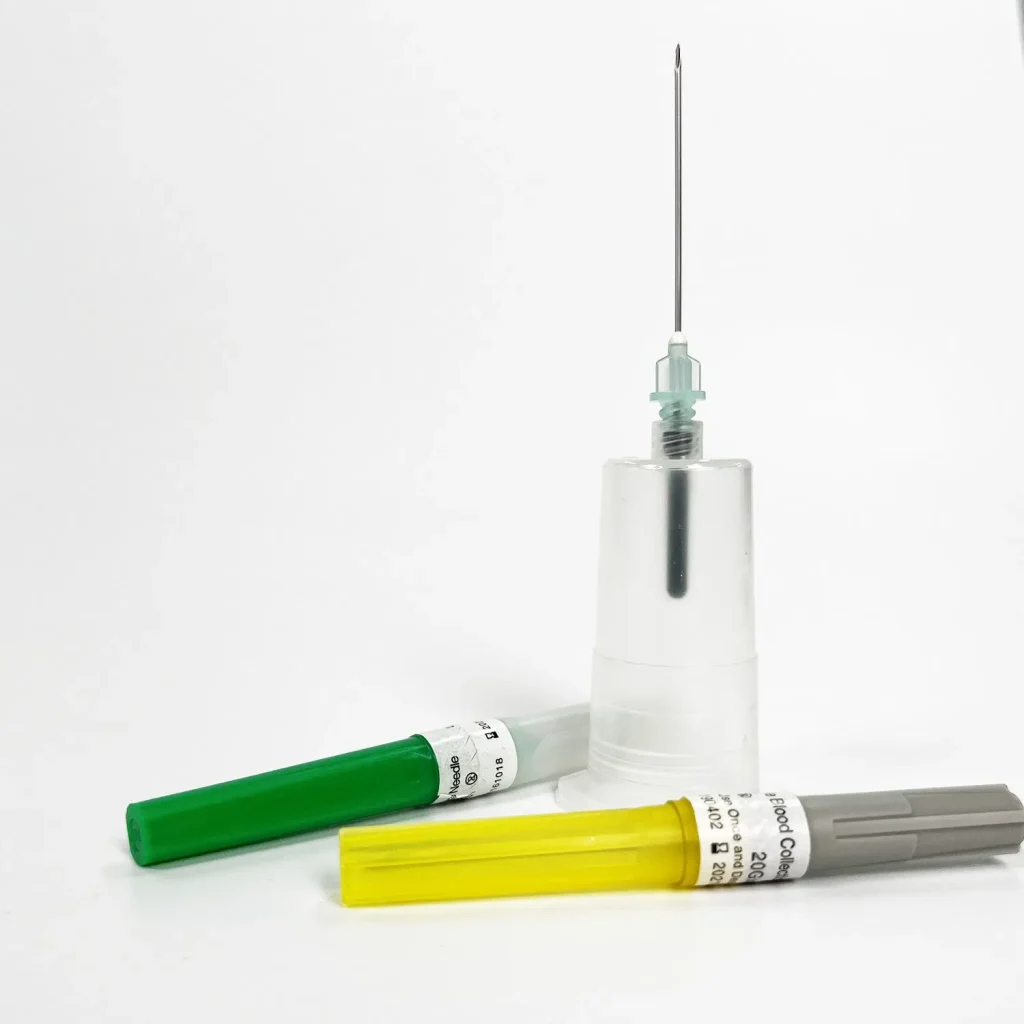
19-20 Gauge (Yellow/Purple Coding): Reserved for rapid transfusion scenarios and blood donation. These larger-bore blood needles facilitate fast flow rates but increase patient discomfort. Usage declined 8% in 2024 as gentler alternatives became available.
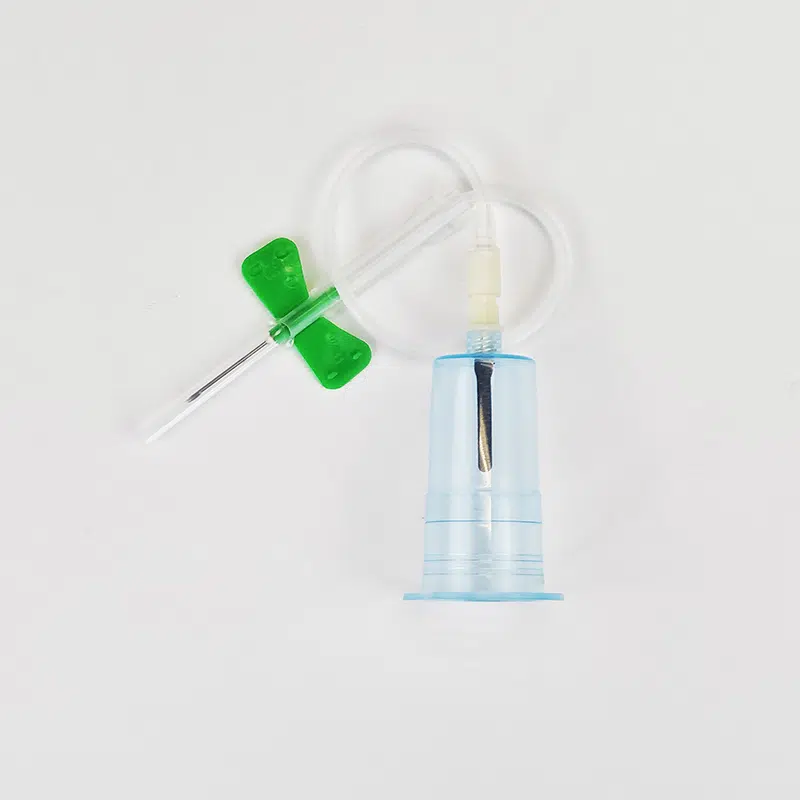
21-22 Gauge (Green/Blue Coding): The workhorse of routine phlebotomy. Our safety blood collection butterfly vacutainer needle in 21G represents the optimal balance between flow rate and patient comfort for adult venipuncture. Laboratory quality control data shows these gauges produce hemolysis rates below 0.3% when proper technique is employed.
23-25 Gauge (Orange/Black Coding): Ideal for pediatric patients, elderly individuals, and those with small or fragile veins. The butterfly needle design particularly shines in these gauges, where the flexible tubing compensates for the narrower bore. Adoption of these smaller blood draw needle types increased 22% year-over-year as patient-centered care initiatives gained prominence.
27 Gauge (Grey Coding): Specialized applications including neonatal intensive care and extremely fragile veins. While flow rates are slower, these ultra-fine blood needles minimize vascular trauma. Supply shortages reported in mid-2024 have now resolved, with most manufacturers maintaining adequate inventory.
2025 Industry Trends Shaping Blood Collection Practices
Sustainability Initiatives in Medical Disposables
Environmental consciousness has entered the phlebotomy suite. Major healthcare systems announced sustainability commitments in 2024, targeting 30% reduction in medical waste by 2027. This impacts blood needles and vacutainer needle procurement in several ways:
Recyclable Packaging: Manufacturers are transitioning from mixed-material packaging to mono-material solutions that can enter recycling streams. Forward-thinking suppliers now offer blood needles with packaging that separates easily into recyclable components.
Optimized Manufacturing: Energy-efficient production processes and reduced plastic content in non-critical components have decreased the carbon footprint of modern blood draw needle types by approximately 18% compared to 2022 baselines.
Right-Sizing Inventory: Smart inventory management systems help facilities minimize expired product waste—a particular concern with vacutainer needles that have 3-year shelf lives.
Digital Integration and Traceability
The convergence of medical devices with digital health systems accelerated throughout 2024-2025:
RFID-Enabled Tracking: Some premium blood needles now incorporate RFID tags for automated inventory management and lot traceability. Early adopters report 35% reduction in stockouts and improved regulatory compliance.
AI-Assisted Gauge Selection: Experimental systems using patient data and vein imaging to recommend optimal blood draw needle types showed promising results in pilot programs. While not yet mainstream, this technology may influence procurement strategies within 2-3 years.
Blockchain Supply Chain Verification: In response to counterfeit medical device concerns, several manufacturers implemented blockchain authentication for high-volume products including vacutainer needles. This provides procurement departments with unprecedented supply chain visibility.
Best Practices for Blood Needle Procurement in Healthcare Facilities
Building a Strategic Phlebotomy Supply Portfolio
Modern healthcare procurement demands a nuanced approach to blood needles selection:
1. Conduct Usage Pattern Analysis Review 12-18 months of consumption data across all departments. Most facilities discover that 3-4 core configurations account for 80% of usage, while 15-20 specialized blood draw needle types serve specific clinical needs. This analysis informs optimal inventory distribution.
2. Prioritize Safety-Engineered Devices OSHA compliance and staff safety should drive selection criteria. Our butterfly vacutainer needle with integrated safety holder demonstrates how modern blood needles can simultaneously improve worker protection and clinical outcomes.
3. Evaluate Total Cost of Ownership Consider factors beyond unit price:
- Training requirements and staff adoption rates
- Waste reduction from higher success rates
- Regulatory compliance and liability mitigation
- Patient satisfaction impacts on facility reputation
4. Establish Manufacturer Partnerships Direct relationships with certified manufacturers provide advantages:
- Customization options for high-volume vacutainer needle orders
- Guaranteed supply during shortages
- Technical support and training resources
- Competitive pricing on butterfly needles for blood draw
Quality Assurance Considerations
When evaluating blood needles suppliers, verify:
- ISO 13485 Certification: Essential for medical device quality management
- CE Marking and FDA Registration: Confirms regulatory compliance
- Lot Testing Documentation: Ensures sharpness, sterility, and safety mechanism functionality
- Supply Chain Transparency: Critical for addressing recalls or quality issues
Working with established manufacturers like Kohope, who maintain rigorous quality standards and transparent certification processes, minimizes procurement risks while ensuring consistent product performance.
Frequently Asked Questions About Blood Collection Needles
Q: What’s the difference between butterfly needles and standard vacutainer needles? Butterfly needles for blood draw feature flexible tubing and wing-shaped grips that provide superior control, especially for difficult venipuncture. Standard vacutainer needles are rigid and connect directly to collection tubes, making them efficient for routine adult phlebotomy. The butterfly design with integrated holder combines both approaches for maximum versatility.
Q: How do I choose the right gauge for different blood draw needle types? Gauge selection depends on patient population and vein condition. Adult routine draws typically use 21-22G, pediatric and geriatric patients benefit from 23-25G blood needles, while difficult access situations may require the precision of butterfly needles in smaller gauges.
Q: Are safety-engineered blood needles worth the additional cost? Absolutely. Clinical evidence from 2024-2025 demonstrates that safety-engineered blood draw needle types reduce needlestick injuries by 70-88%, potentially saving facilities $500-$3,000 per prevented injury when accounting for testing, treatment, and lost productivity.
Q: What’s the shelf life of sterile blood needles? Most quality vacutainer needles and butterfly needles for blood draw have 3-year shelf lives when stored properly. Regular inventory rotation using FIFO (first-in, first-out) principles minimizes waste.
Q: Can I use butterfly needles with any vacuum collection tube system? Modern butterfly needles with standard luer connections are compatible with most vacuum tube systems. Our safety blood collection needle features universal compatibility, ensuring seamless integration with existing laboratory workflows.
The Future of Blood Collection Technology
Emerging Innovations on the Horizon
The phlebotomy industry continues to evolve rapidly:
Smart Blood Needles: Prototypes incorporating pressure sensors and flow monitoring provide real-time feedback to clinicians, potentially reducing failed attempts by 25-30% according to early 2025 research.
Bio-Based Materials: Several manufacturers announced plans to introduce blood needles with bio-based plastic components by late 2025, addressing sustainability concerns without compromising sterility or performance.
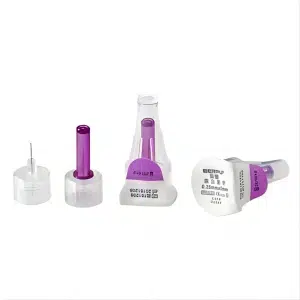
Micro-Sampling Technology: While not replacing conventional blood draw needle types for comprehensive testing, micro-sampling devices requiring only 10-20 microliters show promise for specific applications.
Enhanced Safety Mechanisms: Next-generation retraction systems activated by blood pressure rather than manual triggers are entering clinical trials, offering protection even in emergency situations where proper safety protocol compliance may be compromised.
Making the Right Choice for Your Facility
Selecting optimal blood needles, vacutainer needles, and butterfly needles for blood draw requires balancing clinical efficacy, safety, cost, and supplier reliability. As we navigate 2025’s evolving healthcare landscape, several principles should guide procurement decisions:
Prioritize Patient and Staff Safety: Safety-engineered blood draw needle types are no longer optional—they’re essential for regulatory compliance and ethical care delivery.
Embrace Specialization: A diverse portfolio of blood needles enables clinicians to match device to clinical scenario, improving outcomes across patient populations.
Partner with Quality Manufacturers: Direct relationships with certified suppliers ensure product consistency, competitive pricing, and responsive support. Explore comprehensive solutions like our medical disposable safety blood collection butterfly vacutainer needle with holder that integrate multiple innovations into single, cost-effective products.
Stay Informed: The phlebotomy supply market continues evolving rapidly. Regular review of industry publications, clinical studies, and manufacturer innovations ensures your facility remains at the forefront of safe, efficient blood collection practices.
Conclusion: Elevating Blood Collection Standards
The advances in blood needles and vacutainer needle technology throughout 2024-2025 represent more than incremental improvements—they constitute a fundamental shift toward safer, more patient-centered phlebotomy. Whether you’re equipping a small clinic or managing procurement for a multi-hospital system, understanding the nuances of blood draw needle types and butterfly needles for blood draw empowers better decisions.
As healthcare continues its digital transformation and sustainability journey, the humble blood collection needle remains a critical touchpoint in patient care—one that deserves careful consideration and investment.
Ready to upgrade your facility’s phlebotomy supplies? Explore our complete range of certified, safety-engineered blood collection solutions, or contact our procurement specialists to discuss customized options for your specific clinical needs.

About Kohope Medical Kohope is an ISO 13485-certified manufacturer specializing in high-quality, safety-engineered phlebotomy supplies. With over a decade of experience serving hospitals, laboratories, and healthcare distributors worldwide, we combine innovative design with competitive wholesale pricing and responsive customer support.