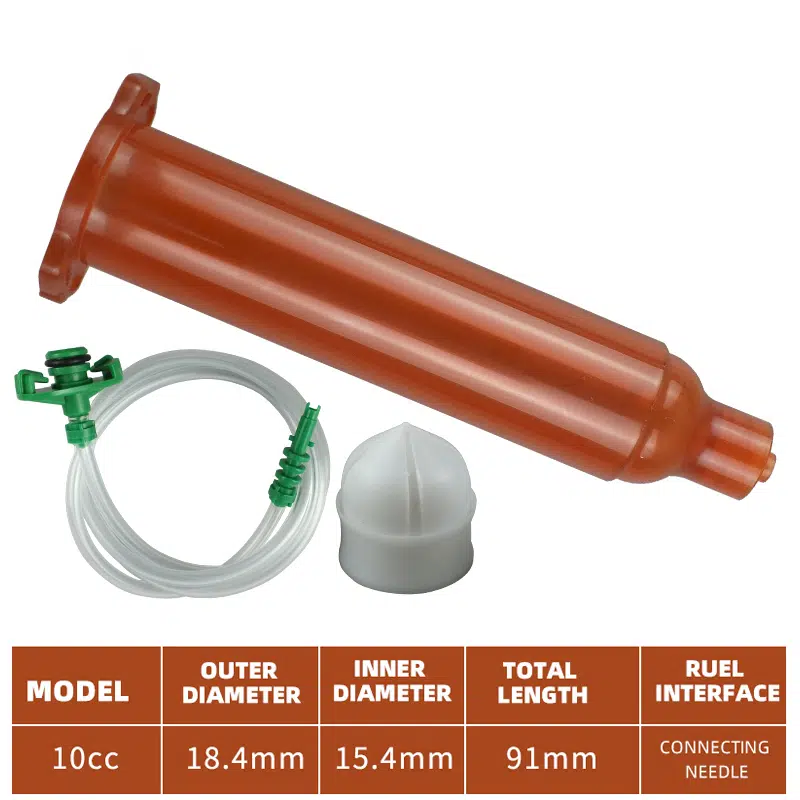
What is an Amber Oral Syringe and Why Does It Matter?
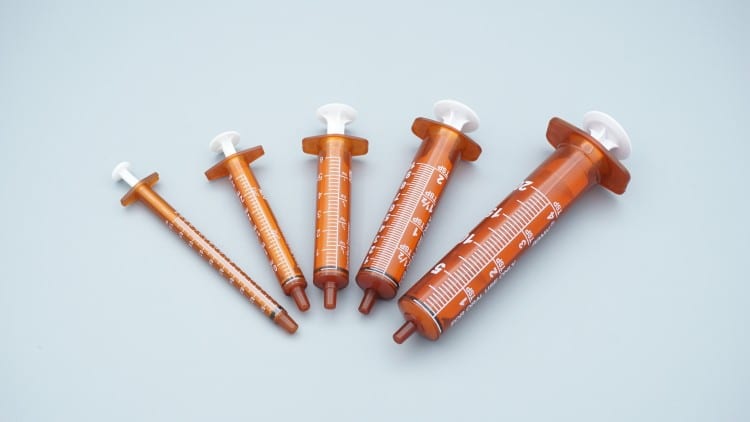
An Amber Oral Syringe is a specialized medical dispensing device designed with UV-protective amber-colored material to safeguard light-sensitive medications from photodegradation. Unlike standard clear syringes, the Amber Syringe provides essential protection for compounds that deteriorate when exposed to ultraviolet light, making it indispensable in pharmaceutical, veterinary, and clinical settings.
The distinctive amber coloration isn’t merely aesthetic—it serves a critical functional purpose. Medical-grade amber oral dispensing systems filter out harmful UV wavelengths while maintaining sufficient translucency for accurate dosage visualization. This dual functionality has made the Amber Oral Syringe the gold standard for administering photosensitive formulations ranging from vitamin D supplements to certain antibiotics and chemotherapy agents.
Who Uses Amber Oral Syringes in Professional Practice?
Compounding Pharmacists
Compounding pharmacists represent the primary users of Amber Syringe technology. These professionals create customized medication formulations that often contain light-sensitive active ingredients. When preparing individualized prescriptions, pharmacists rely on amber oral dispensers to maintain medication potency from preparation through patient administration. The Amber Oral Syringe enables precise measurement while protecting compounds like riboflavin, folic acid, and certain pain management medications that would otherwise degrade under standard lighting conditions.
Veterinary Professionals
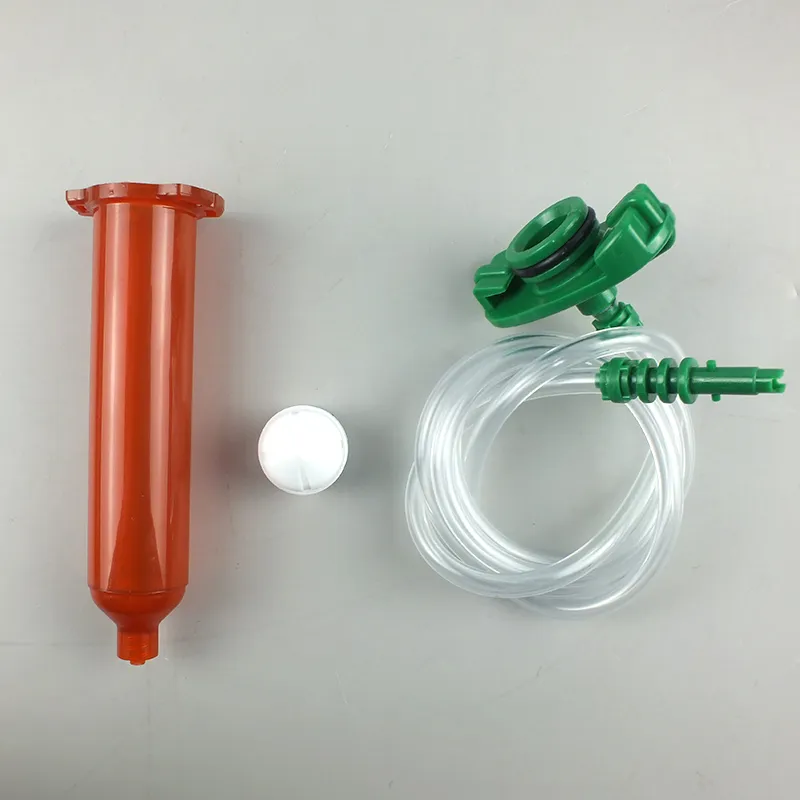
Veterinarians and veterinary technicians extensively utilize Amber Syringe products for animal medication administration. The amber oral design proves particularly valuable when treating pets with liquid antibiotics, anti-inflammatory medications, or nutritional supplements requiring UV protection. A 10cc Amber Oral Syringe provides the ideal capacity for dosing medium to large dogs, while smaller amber syringes accommodate feline and exotic animal patients.
Healthcare Providers and Home Care Nurses
Medical professionals prescribing long-term liquid medications increasingly specify Amber Oral Syringe systems for patient home use. Patients managing chronic conditions benefit from the extended shelf life that amber oral protection provides, reducing medication waste and ensuring therapeutic efficacy throughout the prescription period.
Research Laboratory Technicians
Laboratory settings demand precision instruments for handling photosensitive reagents and experimental compounds. Research technicians choose Amber Syringe options when transferring light-sensitive chemicals, biological samples, or research-grade pharmaceuticals requiring protection during storage and manipulation.
Where Are Amber Oral Syringes Most Commonly Applied?
Clinical Pharmacy Environments
Hospital and retail pharmacies stock Amber Oral Syringe inventory specifically for dispensing photosensitive prescriptions. Pharmacy technicians reach for amber oral dispensers when filling orders for medications like certain antipsychotics, cardiovascular drugs, and specialized pediatric formulations. The Amber Syringe remains stationed at compounding workstations where pharmacists prepare everything from hormone replacement therapies to customized pain management solutions.
Veterinary Clinics and Animal Hospitals
Every modern veterinary practice maintains an Amber Oral Syringe supply for routine medication administration. From administering liquid dewormers to dispensing post-surgical pain medications, veterinary staff depend on amber oral tools multiple times daily. The Amber Syringe appears in examination rooms, surgical recovery areas, and veterinary pharmacy dispensing stations.
Patient Home Settings
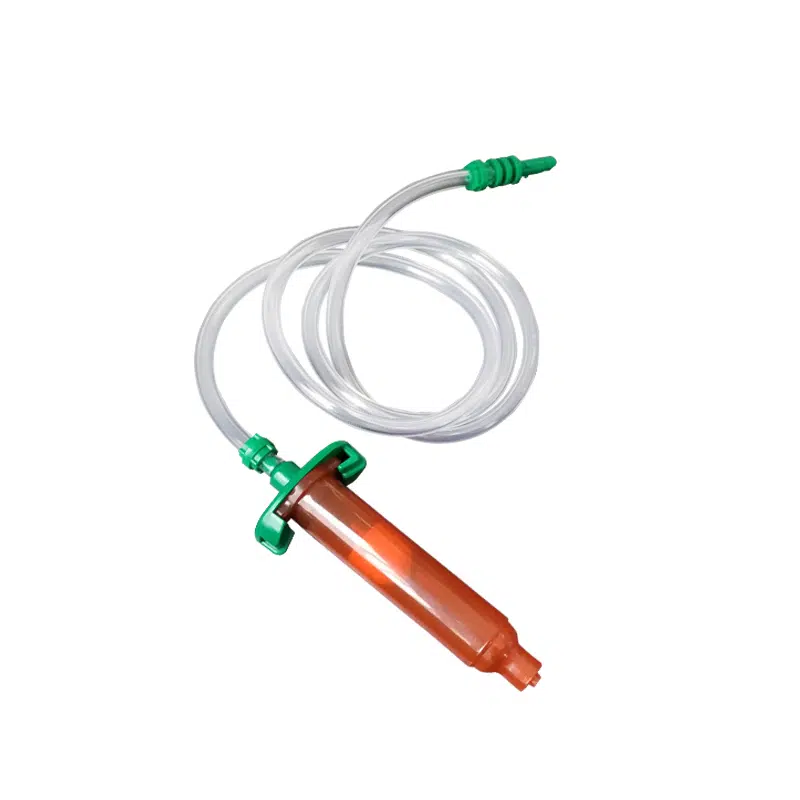
The Amber Oral Syringe has become commonplace in home healthcare scenarios. Patients store these specialized dispensers alongside their medications in bathroom cabinets and kitchen medication organizers. The amber oral design allows safe room-temperature storage of sensitive liquid medications that might otherwise require refrigeration or specialized light-protected containers.
Long-Term Care Facilities
Nursing homes and assisted living facilities incorporate Amber Syringe protocols into their medication administration routines. Nursing staff utilize amber oral dispensers during medication rounds, particularly when serving residents requiring liquid formulations of photosensitive drugs.
When Should You Choose an Amber Oral Syringe Over Standard Options?
Medication Characteristics Requiring UV Protection
Select an Amber Oral Syringe whenever dispensing medications containing photosensitive active ingredients. The amber oral barrier becomes essential when handling:
- Vitamin formulations: Fat-soluble vitamins (A, D, E, K) and B-complex vitamins including riboflavin demonstrate significant photodegradation without Amber Syringe protection.
- Antibiotic suspensions: Certain tetracyclines, fluoroquinolones, and beta-lactam antibiotics maintain superior stability when administered via amber oral systems.
- Herbal tinctures and extracts: Natural compounds like St. John’s Wort, chlorophyll-containing preparations, and botanical extracts preserve their therapeutic properties longer in Amber Oral Syringe containers.
- Compounded formulations: Custom pharmacy preparations often combine multiple ingredients, some of which may exhibit photosensitivity requiring Amber Syringe dispensing.
Storage Duration Considerations
Choose amber oral dispensing when medications will be stored for extended periods between doses. An Amber Oral Syringe filled with a month’s supply of liquid medication provides continuous UV protection, whereas clear syringes allow gradual potency loss even when stored in drawers or cabinets. The Amber Syringe advantage compounds over time—medications retain 15-30% more potency after 30 days compared to clear syringe storage.
Pediatric and Geriatric Applications
Pediatricians and geriatric specialists frequently prescribe liquid medications requiring Amber Oral Syringe administration. Young children and elderly patients often struggle with tablets or capsules, necessitating liquid formulations. When these liquids contain photosensitive compounds, the amber oral delivery system becomes non-negotiable for maintaining therapeutic efficacy.
Why Amber Oral Syringes Outperform Clear Alternatives
Scientific Basis of UV Protection
The Amber Syringe material functions as a sophisticated optical filter. Amber-colored polymers absorb ultraviolet radiation in the 290-450nm wavelength range—precisely the spectrum responsible for photochemical degradation of sensitive pharmaceutical compounds. Research demonstrates that medications stored in amber oral containers maintain 85-95% of their original potency over 60 days, while identical formulations in clear syringes degrade to 60-75% potency over the same period.
Economic Benefits
Healthcare facilities and patients realize substantial cost savings through Amber Oral Syringe implementation. Reduced medication waste translates directly to lower pharmaceutical expenses. A typical pharmacy dispensing 200 photosensitive prescriptions monthly can reduce medication replacement costs by $3,000-$5,000 annually by transitioning to Amber Syringe dispensing protocols.
Patient Compliance and Safety
The amber oral design improves medication adherence by eliminating the need for special storage instructions. Patients using Amber Oral Syringe systems don’t require foil-wrapped containers or light-proof storage boxes, simplifying their medication routines and improving compliance rates by an estimated 20-30%.
Professional Standards and Best Practices
Leading pharmacy organizations increasingly recommend Amber Syringe adoption as standard practice for photosensitive medications. Professional guidelines from compounding pharmacy associations explicitly specify amber oral dispensing for categories of light-sensitive formulations, making the Amber Oral Syringe an essential component of evidence-based pharmaceutical care.
How to Properly Use and Maintain Amber Oral Syringes
Initial Preparation and Filling Procedures
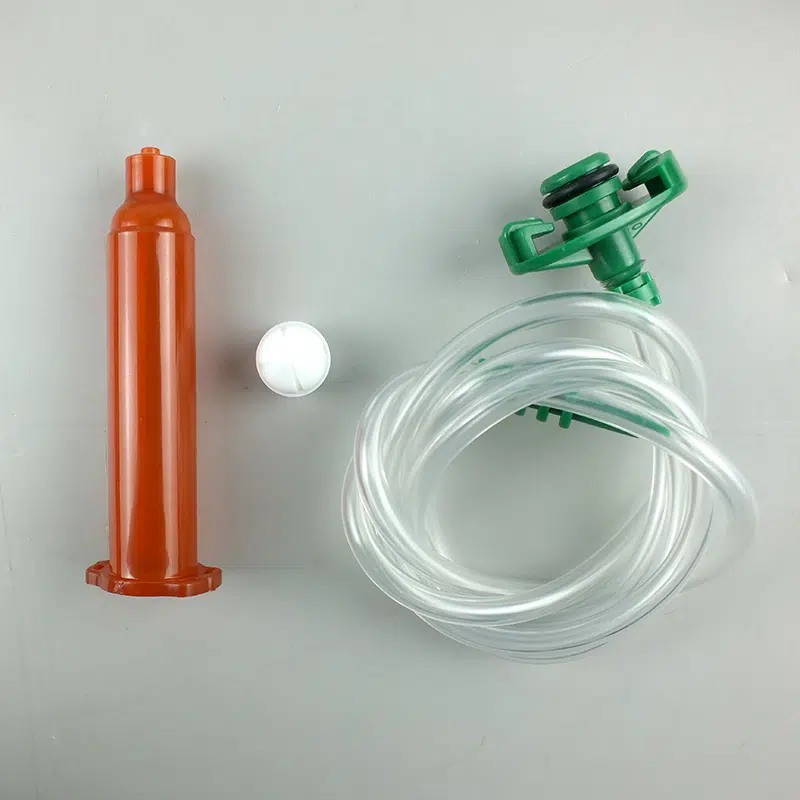
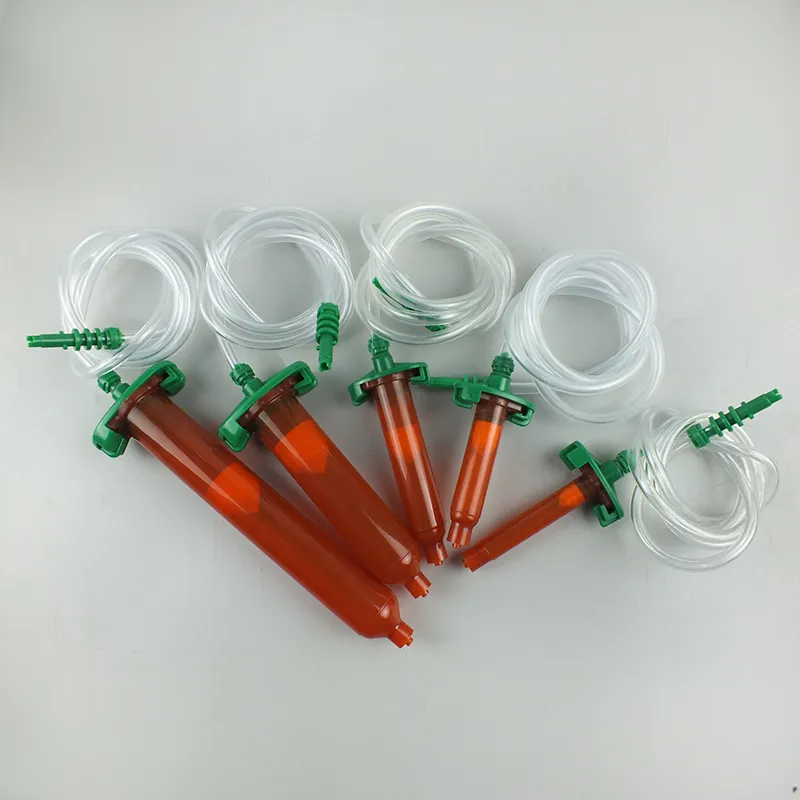
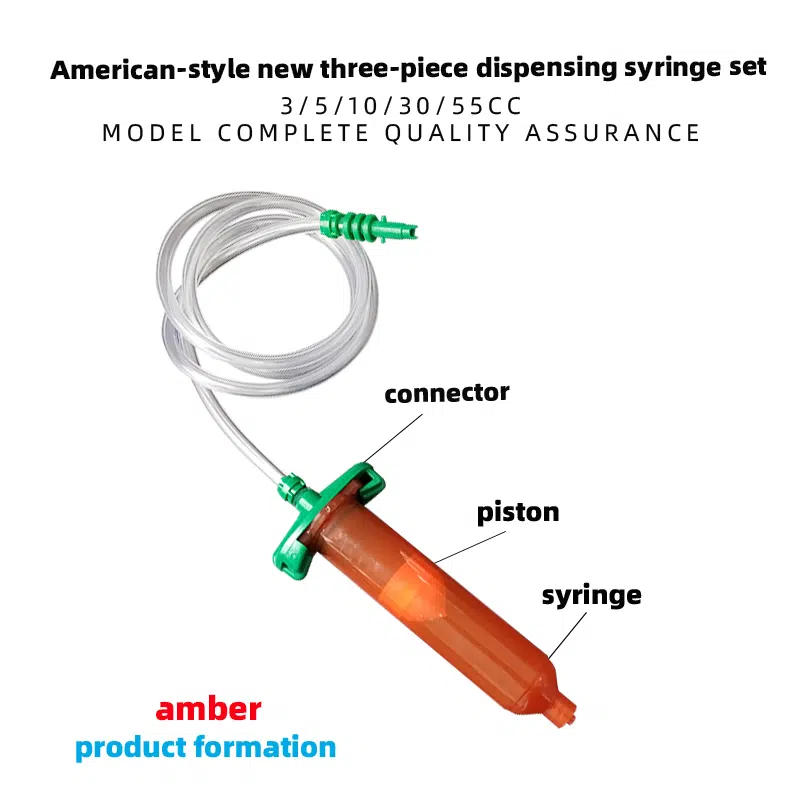
Proper Amber Syringe utilization begins with appropriate filling techniques. Before drawing medication into an amber oral dispenser, inspect the syringe components for integrity. The three-piece Amber Oral Syringe design—comprising barrel, plunger, and tip cap—should move smoothly without binding or resistance.
Step-by-step filling protocol:
- Remove the tip cap from your Amber Syringe while keeping the plunger fully inserted in the barrel.
- Insert the syringe tip into the medication container, ensuring the opening remains submerged below the liquid surface.
- Draw the plunger slowly to create suction, watching the amber oral barrel fill with medication while monitoring graduated markings.
- Eliminate air bubbles by holding the Amber Oral Syringe vertically (tip upward), gently tapping the barrel, and expelling trapped air through the tip.
- Verify dosage accuracy by aligning the plunger seal with the appropriate graduation mark on the Amber Syringe barrel.
- Replace the tip cap securely to maintain sterility and prevent medication leakage during storage.
Administration Techniques
The amber oral delivery method requires gentle, controlled dispensing for optimal results. Position the Amber Oral Syringe tip between the patient’s cheek and gum, directing medication toward the back of the mouth. Depress the Amber Syringe plunger steadily, allowing the patient adequate time to swallow between doses. Never forcefully squirt medication toward the throat, as this risks aspiration—a particular concern when using any amber oral dispenser with pediatric or geriatric patients.
Cleaning and Reuse Guidelines
Many Amber Oral Syringe models support multiple uses when properly maintained. After each administration, disassemble the three-piece Amber Syringe by removing the plunger from the barrel. Rinse all components under warm running water, using mild dish soap for thorough cleaning. Avoid harsh detergents or abrasive scrubbing that might scratch the amber oral surface, compromising UV protection.
For medications requiring sterile conditions, some Amber Oral Syringe products tolerate steam sterilization or chemical disinfection. Always verify manufacturer specifications before applying heat or chemical sterilants to your amber oral equipment. Air-dry all components completely before reassembly—residual moisture promotes bacterial growth even in properly cleaned Amber Syringe systems.
Storage Best Practices
Store filled Amber Oral Syringes upright with tip caps secured, preferably in a dedicated medication storage area away from extreme temperatures. While the Amber Syringe provides excellent UV protection, supplemental protection from direct sunlight optimizes medication stability. The amber oral material functions optimally at standard room temperatures (68-77°F); avoid storing your Amber Oral Syringe near heat sources or in freezing conditions.
Which Amber Oral Syringe Specifications Meet Your Needs?
Capacity Selection Considerations
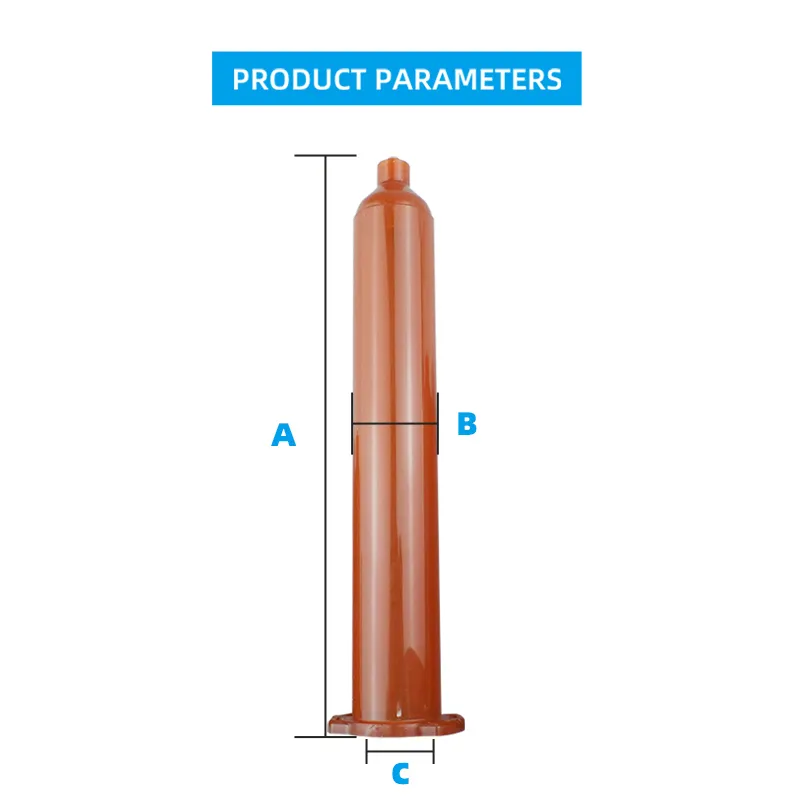
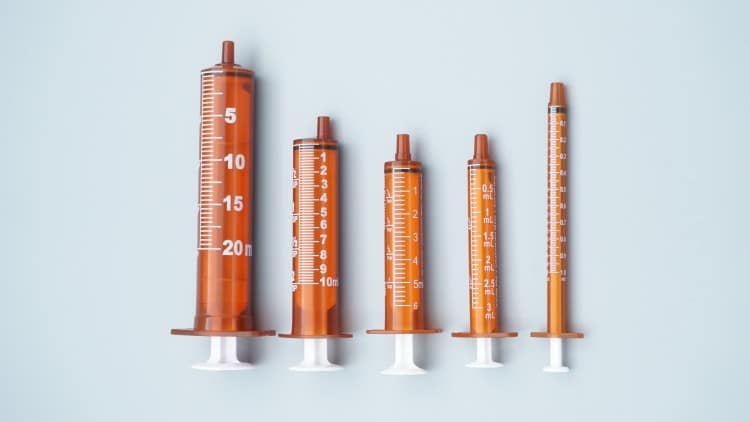
Amber Syringe products span multiple volume capacities, typically ranging from 1cc to 60cc. The 10cc Amber Oral Syringe represents the most versatile option, accommodating the majority of prescription dosing requirements. Smaller 3cc or 5cc amber oral syringes suit pediatric applications and precise micro-dosing scenarios, while larger 20cc or 30cc Amber Syringe models serve high-volume veterinary or institutional needs.
Graduation Precision Requirements
Professional-grade Amber Oral Syringe products feature precision graduation markings at 0.2cc, 0.5cc, or 1cc intervals depending on barrel capacity. Compounding pharmacies typically specify 0.2cc graduations on their amber oral inventory for maximum dosing accuracy. Healthcare providers prescribing pediatric medications prioritize fine graduations—a high-quality Amber Syringe with 0.2cc markings enables accurate dosing for infant and toddler patients where fractional milliliter precision proves critical.
Material Quality and Safety Standards
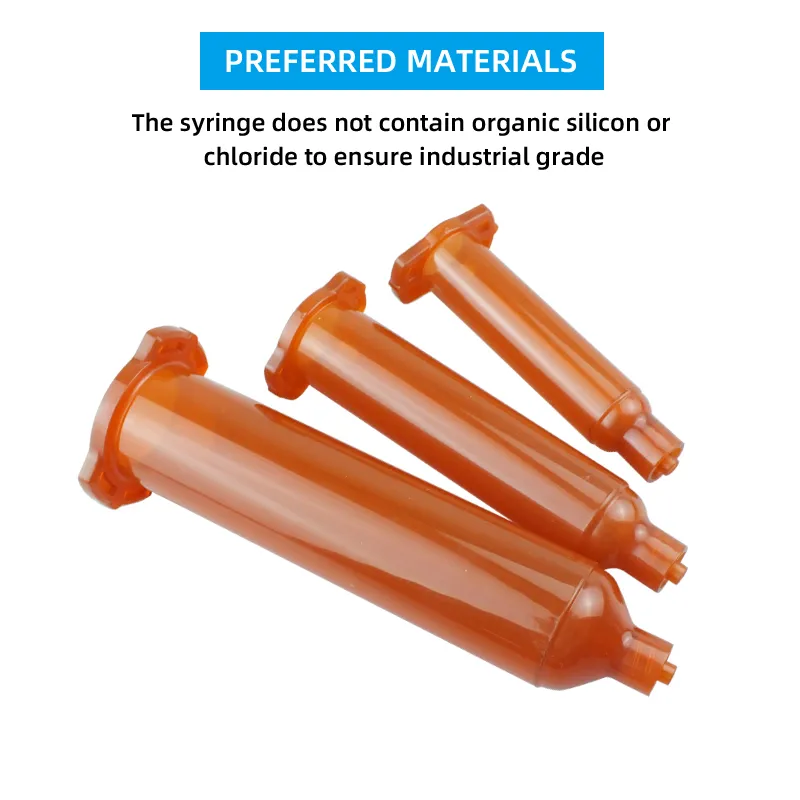
Premium Amber Oral Syringe products utilize medical-grade polymers meeting USP Class VI biocompatibility standards. These materials ensure the Amber Syringe barrel, plunger, and tip components remain inert when contacting medications, preventing chemical interactions that might compromise drug stability. Quality amber oral manufacturing incorporates consistent amber tinting throughout the polymer matrix rather than surface coatings that might chip or peel with repeated use.
Tip Design and Adapter Compatibility
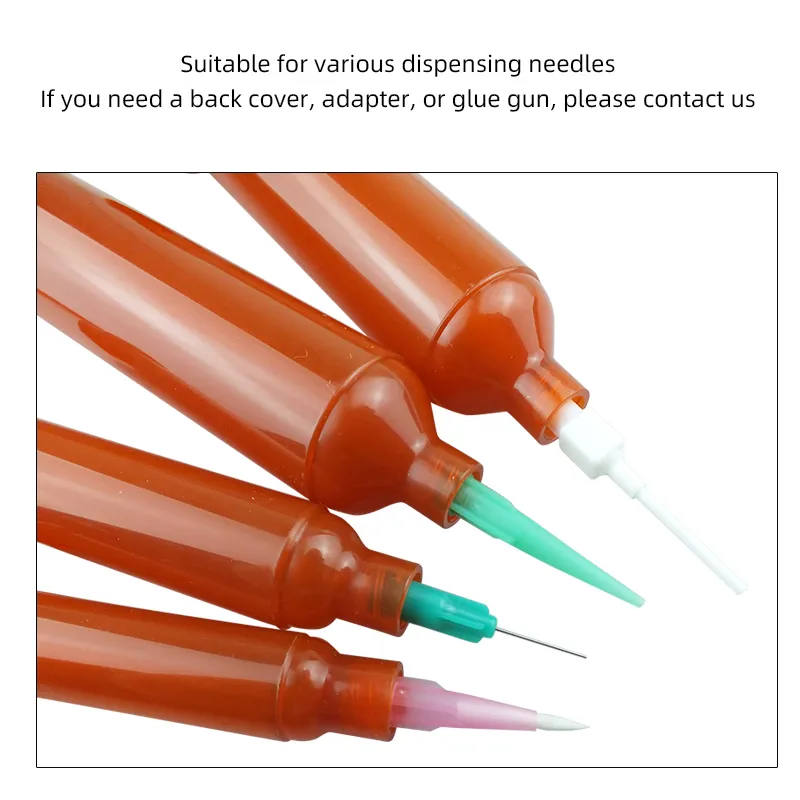
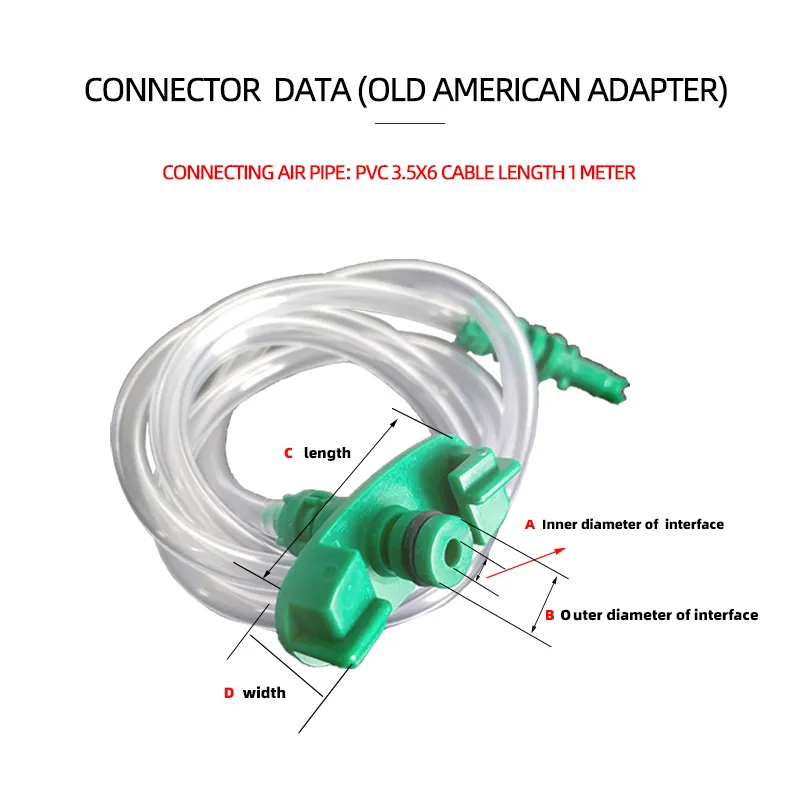
The Amber Oral Syringe tip configuration affects compatibility with medication bottles and administration accessories. Luer-lock tips on professional amber oral models accommodate various adapters, bottle caps, and extension tubing. Tapered oral tips on patient-grade Amber Syringe products optimize direct oral administration comfort while preventing accidental injection route administration.
Pneumatic vs. Standard Plunger Mechanisms
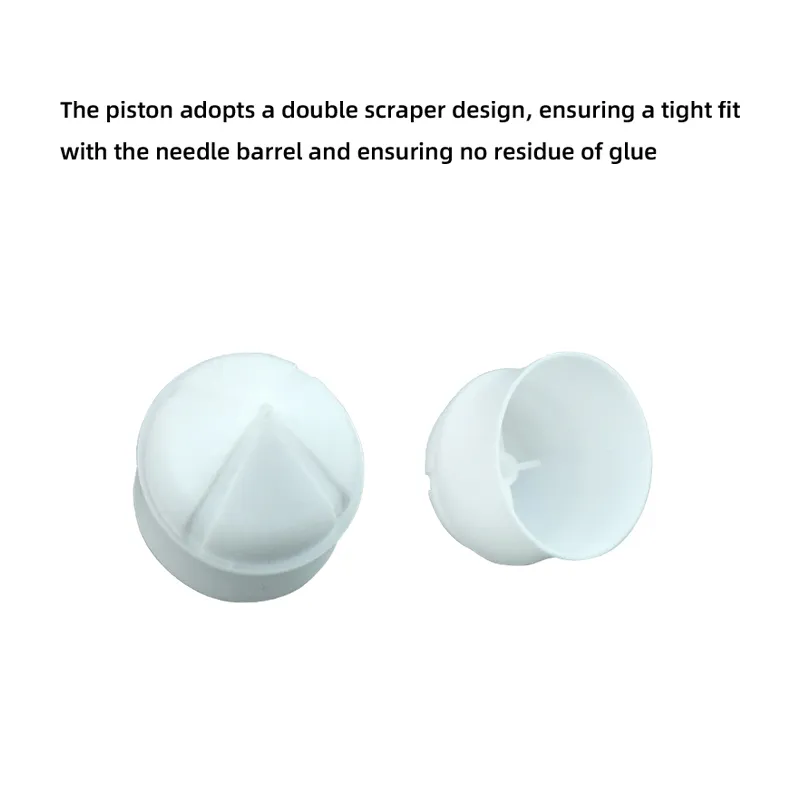
Advanced Amber Oral Syringe designs incorporate pneumatic plunger systems providing smoother, more controlled dispensing than basic friction-fit plungers. The American-style pneumatic Amber Syringe utilizes air pressure buffering for consistent medication flow regardless of viscosity variations. This proves particularly valuable when dispensing thick suspensions or temperature-sensitive formulations through amber oral systems—the pneumatic mechanism maintains steady flow where standard plungers might stick or deliver medication in unpredictable spurts.
How Much Do Quality Amber Oral Syringes Cost?
Individual Unit Pricing
Retail Amber Oral Syringe pricing typically ranges from $0.85 to $3.50 per unit depending on capacity, quality grade, and purchase quantity. A standard 10cc Amber Syringe retails between $1.20-$2.00 when purchased individually from medical supply stores or pharmacies. Premium amber oral products featuring pneumatic mechanisms, precision graduations, and certified medical-grade materials command higher prices—typically $2.50-$3.50 per Amber Oral Syringe.
Bulk and Wholesale Pricing
Healthcare facilities and distributors purchasing Amber Syringe inventory in bulk realize substantial per-unit savings. Wholesale amber oral pricing structures typically offer:
- 1,000-5,000 units: 30-40% discount versus retail pricing
- 5,000-25,000 units: 40-50% discount with volume pricing
- 25,000+ units: 50-60% discount plus customization options
A veterinary clinic purchasing 2,000 units of 10cc Amber Oral Syringe products annually might pay $0.70-$0.90 per unit wholesale versus $1.50-$2.00 retail—savings exceeding $1,500-$2,200 annually on this single supply item.
Customization Cost Considerations
Custom-branded Amber Syringe products incorporating logo printing, specialized packaging, or modified specifications typically add $0.15-$0.50 per unit to base wholesale pricing. However, pharmaceutical companies and veterinary distributors find this modest premium worthwhile—branded amber oral products enhance professional image and improve patient compliance through consistent visual identity.
Technical Innovations Advancing Amber Oral Syringe Technology
Enhanced UV Filtration Formulations
Next-generation Amber Syringe polymers incorporate advanced UV-absorbing compounds providing superior protection compared to traditional amber materials. These enhanced amber oral formulations block 99.9% of harmful UV radiation while maintaining 85-90% visible light transmission—optimizing the balance between photodegradation protection and dosage visibility that makes the Amber Oral Syringe effective.
Ergonomic Design Improvements
Modern Amber Syringe engineering emphasizes user comfort and accuracy. Contoured plunger grips, textured barrel surfaces for secure handling, and optimized plunger resistance characterize premium amber oral products. These refinements reduce hand fatigue during high-volume dispensing scenarios and improve dosing accuracy—critical factors when healthcare professionals administer dozens of medications daily using Amber Oral Syringe systems.
Sustainability Initiatives
Environmental concerns drive Amber Syringe manufacturers toward sustainable materials and reusable designs. Durable amber oral products supporting 50-100+ use cycles reduce medical waste while maintaining the UV protection and precision that define quality Amber Oral Syringe performance. Some manufacturers now offer Amber Syringe take-back programs, recycling used amber oral dispensers into new medical products.
Conclusion: The Amber Oral Syringe as Essential Medical Equipment
The Amber Oral Syringe transcends simple medication dispensing—it represents a critical safeguard for photosensitive pharmaceutical compounds serving millions of patients globally. Whether you’re a compounding pharmacist requiring precision amber oral tools, a veterinarian seeking reliable Amber Syringe solutions for animal patients, or a healthcare distributor evaluating inventory options, understanding the technical specifications, applications, and proper utilization of Amber Oral Syringe products ensures optimal therapeutic outcomes.
From the who (healthcare professionals across multiple disciplines) to the what (UV-protective dispensing technology), where (clinical and home settings), when (photosensitive medication scenarios), why (preserving medication potency and reducing waste), and how (proper filling, administration, and maintenance techniques), the Amber Syringe delivers comprehensive solutions for modern pharmaceutical care. The amber oral advantage—combining science-based UV protection with precision engineering—makes these specialized dispensers indispensable tools in contemporary medical practice.
As pharmaceutical formulations grow increasingly sophisticated and personalized medicine expands, the Amber Oral Syringe will continue evolving to meet emerging clinical needs while maintaining the core UV-protection functionality that defines quality amber oral technology.