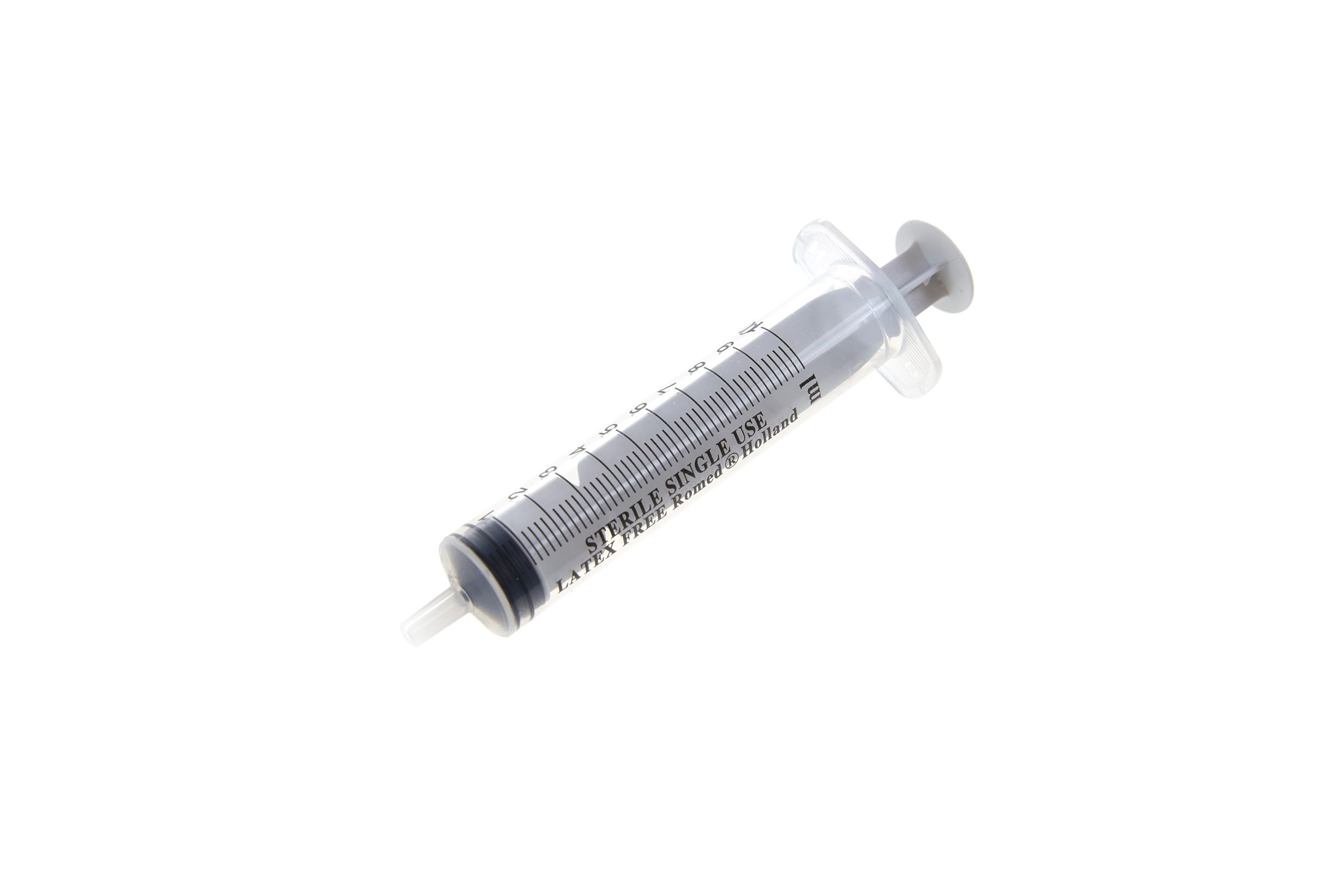
In modern healthcare delivery, precision and safety are non-negotiable. Among the essential medical devices that ensure both, the 3-part syringes 10ml stands out as a versatile workhorse across multiple clinical settings. From routine medication administration to critical emergency interventions, understanding the applications and advantages of 3-part syringes can significantly impact patient outcomes and operational efficiency. This comprehensive guide explores real-world applications, technical considerations, and best practices for healthcare professionals and medical procurement specialists.
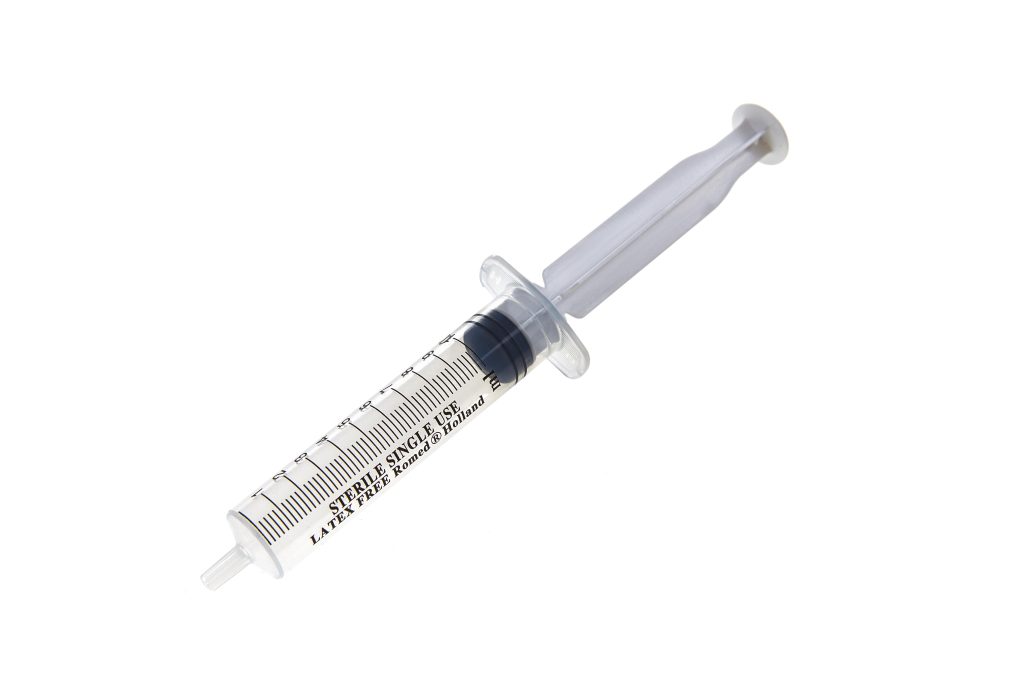
Understanding the 3-Part Syringe Design: Why It Matters
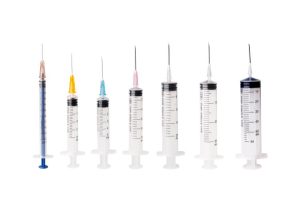
Before diving into applications, it’s crucial to understand what distinguishes 3-part syringes from their two-part counterparts. The three-component design consists of:
- Precision-molded barrel – The graduated cylinder holding the medication
- Smooth-action plunger – The rod that controls fluid movement
- Rubber piston – The critical sealing component that creates leak-proof performance
This rubber piston is the game-changer. Unlike two-part syringes where the plunger directly contacts the barrel, the rubber piston in 3-part syringes 10ml creates a hermetic seal that prevents medication leakage, reduces friction, and ensures consistent dosing accuracy—essential qualities for the diverse applications we’ll explore.
Primary Healthcare Applications of 10ml Syringes
1. Hospital Emergency Departments: Critical Medication Administration
Emergency departments require rapid, accurate medication delivery where seconds matter. The 10ml capacity provides the ideal volume range for emergency drugs:
- Antibiotic administration – IV antibiotics like ceftriaxone often require 5-10ml reconstitution volumes
- Analgesic delivery – Pain management medications administered in controlled doses
- Antiemetic injections – Nausea control medications for acute care patients
- Cardiac emergency drugs – Rapid administration of life-saving medications
The leak-proof design of 3-part syringes ensures that when an emergency nurse draws up medication under pressure, no valuable drug is lost through leakage—a critical factor when every milliliter counts in emergency scenarios.
Real-world impact: A busy emergency department administering 200+ injections daily can prevent significant medication waste and improve patient safety by standardizing on quality 3-part syringes 10ml.
2. Surgical and Anesthesia Applications
Operating rooms demand absolute precision and sterility. The 10ml syringe serves multiple critical functions:
- Local anesthetic administration – Precise infiltration of lidocaine or bupivacaine for nerve blocks
- Intravenous sedation – Controlled delivery of propofol and other sedatives
- Irrigation during procedures – Wound cleaning and surgical site preparation
- Specimen collection – Fluid sampling during diagnostic procedures
Anesthesiologists particularly value the smooth plunger action of 3-part syringes 10ml, which allows for controlled, gradual medication delivery—essential when titrating sedatives or administering nerve blocks where precision prevents complications.
Case study consideration: Orthopedic surgeries requiring local anesthetic infiltration benefit from the consistent resistance and feedback provided by the rubber piston, allowing surgeons to feel tissue resistance and prevent intravascular injection.
3. Outpatient Clinics: Vaccination and Immunization Programs
While smaller syringes often dominate vaccination discussions, 10ml syringes play a supporting yet vital role:
- Multi-dose vaccine preparation – Drawing vaccine from vials for redistribution
- Diluent mixing – Reconstituting lyophilized vaccines requiring larger volumes
- Intramuscular injections – Certain vaccines and medications requiring 10ml capacity
- Flu shot campaigns – High-volume vaccination programs needing efficient preparation
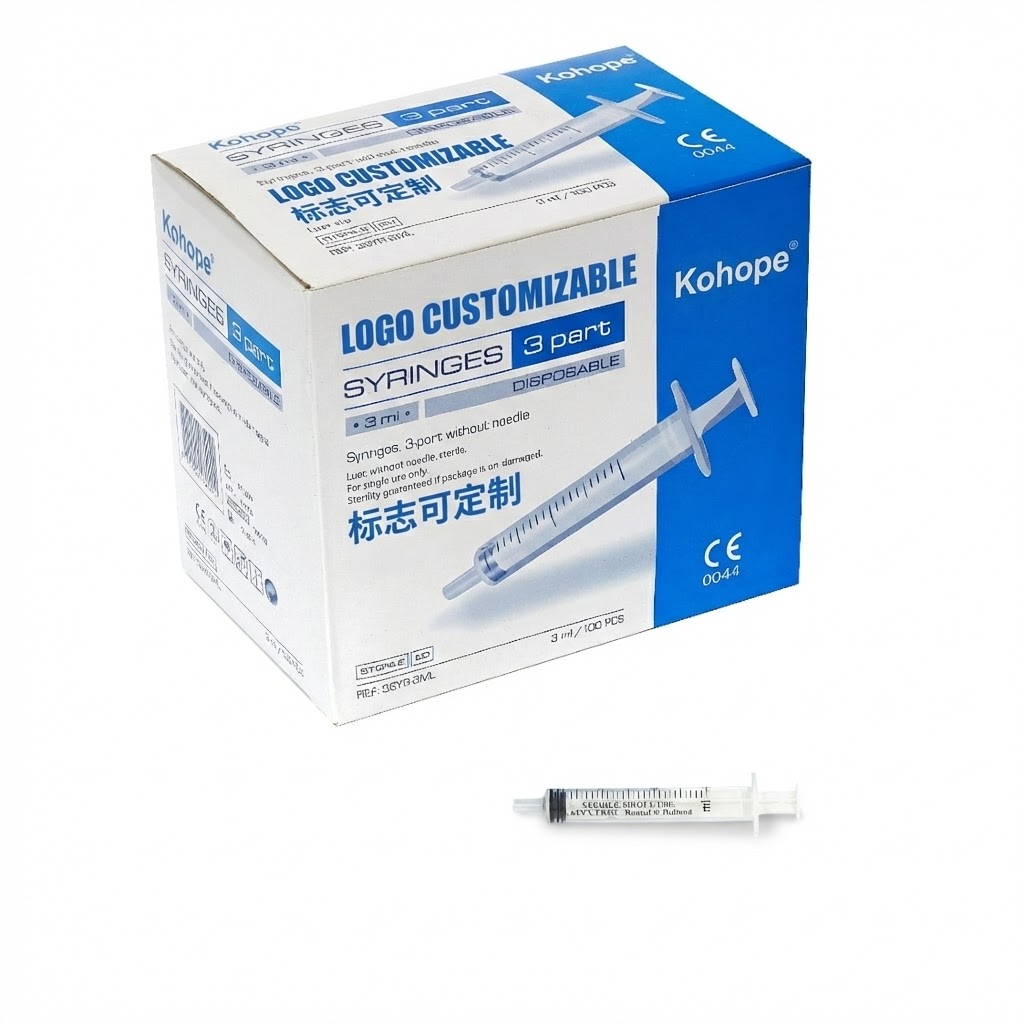
Medical clinics conducting seasonal vaccination drives benefit from the standardized packaging of 3-part syringes—with 100 pieces per inner box and 1,600 per carton, inventory management becomes streamlined, and supply chain predictability improves.
4. Oncology and Chemotherapy Administration
Cancer treatment centers require syringes that maintain medication integrity while protecting healthcare workers:
- Chemotherapy drug preparation – Precise measurement of cytotoxic medications
- Supportive medication delivery – Anti-nausea drugs, hydration fluids, and antiemetics
- Blood sample collection – Monitoring treatment response through regular testing
- Flush procedures – IV line maintenance between chemotherapy cycles
The chemical resistance of medical-grade polypropylene in 3-part syringes 10ml ensures compatibility with a broad range of chemotherapeutic agents without degradation or contamination—a critical safety consideration in oncology settings.
Safety note: Latex-free options in 3-part syringes protect immunocompromised cancer patients from potential allergic reactions, adding an extra layer of patient safety.
5. Diabetes Management and Endocrinology
Beyond insulin administration (typically using smaller syringes), endocrinology practices utilize 10ml syringes for:
- GLP-1 agonist administration – Newer diabetes medications requiring larger volumes
- Hormone replacement therapy – Testosterone and other hormone injections
- Diagnostic testing – Glucose tolerance tests requiring precise fluid administration
- Medication compounding – Mixing custom formulations for individual patient needs
Endocrinologists appreciate the graduated markings on 3-part syringes 10ml, which allow for dose adjustments based on patient response—essential when titrating hormone therapies or managing complex metabolic conditions.
6. Veterinary Medicine: Animal Healthcare Applications
Veterinary clinics and animal hospitals represent a significant but often overlooked market for medical syringes:
- Large animal medication – Treating livestock, horses, and exotic animals requiring higher volumes
- Sedation and anesthesia – Controlled drug delivery for surgical procedures
- Vaccine administration – Immunization programs for companion and farm animals
- Fluid therapy – Subcutaneous fluid administration for dehydrated animals
The durability and leak-proof design of 3-part syringes prove particularly valuable in veterinary settings where animal movement during injection is common, and medication loss must be minimized.
7. Pharmaceutical Research and Laboratory Use
Research facilities and pharmaceutical laboratories require precision instruments:
- Experimental drug preparation – Accurate measurement for clinical trials
- Cell culture work – Precise fluid transfer in laboratory settings
- Quality control testing – Sample preparation for pharmaceutical analysis
- Formulation development – Testing drug delivery systems and concentrations
Laboratories conducting pharmaceutical research value the consistency and traceability offered by certified 3-part syringes 10ml, where batch-to-batch reliability directly impacts research validity and regulatory compliance.
Technical Advantages in Real-World Applications
Zero Dead Space Technology
The rubber piston design in 3-part syringes minimizes dead space—the volume of medication trapped in the syringe after injection. For expensive biologics and controlled substances, this feature delivers:
- Cost savings – Reduced medication waste translates to significant budget impact
- Dosing accuracy – Patients receive the full prescribed dose
- Regulatory compliance – Accurate controlled substance administration and documentation
Financial impact example: A hospital administering 500 doses monthly of a $200-per-vial medication could save thousands annually by eliminating the typical 0.1-0.2ml dead space found in inferior syringes.
Chemical Compatibility Across Medications
Medical-grade polypropylene exhibits excellent chemical resistance, making 3-part syringes 10ml compatible with:
- Acidic and alkaline solutions
- Alcohol-based medications
- Oil-based injections
- Light-sensitive compounds (when amber barrels are specified)
This broad compatibility reduces the need for multiple syringe types in inventory, simplifying procurement and reducing storage costs for healthcare facilities.
Ergonomic Design for Healthcare Worker Safety
Nurse fatigue and repetitive strain injuries are real concerns in high-volume clinical settings. The smooth plunger action of 3-part syringes requires less force for aspiration and injection, reducing:
- Hand and wrist strain during extended shifts
- Medication administration time
- Risk of accidental needlestick injuries from excessive force
Occupational health perspective: Facilities prioritizing healthcare worker wellness recognize that investing in ergonomically superior syringes reduces workplace injury claims and improves staff retention.
Procurement Considerations for Healthcare Facilities
Standardization Benefits
Implementing 3-part syringes 10ml as a standard across departments offers multiple advantages:
- Simplified training – Staff familiar with one system across all units
- Inventory efficiency – Bulk purchasing power and reduced SKU complexity
- Quality consistency – Predictable performance across all clinical areas
- Cost predictability – Volume discounts and contract stability
Packaging Efficiency for Supply Chain Management
The standard packaging configuration (100 pcs per inner box, 1,600 pcs per carton) aligns with:
- Par level management – Easy calculation of reorder points
- Storage optimization – Standardized carton dimensions for warehouse efficiency
- Distribution logistics – Simplified counting and allocation to departments
- Disaster preparedness – Rapid deployment of known quantities during emergencies
Regulatory Compliance and Quality Assurance
Healthcare facilities must verify that purchased 3-part syringes meet regulatory standards:
- ISO 13485 certification – International medical device quality management
- CE marking – European Union conformity for global procurement
- FDA registration – US market compliance for American healthcare systems
- Individual sterility – EO gas sterilization with validated processes
Audit preparedness: Proper documentation from certified manufacturers protects facilities during Joint Commission or other regulatory inspections.
Customization Options for Healthcare Systems
Private Label and Branding Opportunities
Large healthcare networks and distributors can leverage custom 3-part syringes 10ml for:
- Brand differentiation – Custom printing with logos and colors
- Supply chain control – Anti-counterfeiting measures through unique markings
- Patient communication – Educational messaging printed on packaging
- Market positioning – Premium positioning through distinctive design
Technical Customizations for Specialized Applications
Beyond branding, technical modifications address specific clinical needs:
- Luer Lock vs. Luer Slip – Secure needle attachment for high-pressure applications
- Colored plungers – Visual coding for department-specific workflows
- Extended tips – Specialized applications requiring different geometries
- Latex-free pistons – Protecting sensitive patient populations
Best Practices for Clinical Use
Storage and Handling Guidelines
Maximizing the shelf life and performance of 3-part syringes requires:
- Temperature control – Storage at 15-30°C away from direct sunlight
- Humidity management – Dry storage preventing package deterioration
- FIFO rotation – First-in-first-out inventory management
- Package inspection – Visual verification of sterility seal integrity before use
Quality Control Checkpoints
Healthcare facilities should implement routine quality checks:
- Random sampling – Periodic testing of syringe batches for functionality
- Incident reporting – Tracking any defects or performance issues
- Supplier audits – Verifying manufacturer quality systems
- Staff feedback – Collecting end-user experience data for continuous improvement
Environmental and Sustainability Considerations
Modern healthcare increasingly prioritizes environmental responsibility. When evaluating 3-part syringes 10ml, consider:
- Recyclable packaging – Cartons and inner boxes using sustainable materials
- Manufacturing efficiency – Suppliers with ISO 14001 environmental management
- Waste reduction – Accurate dosing minimizing medication disposal
- Transportation optimization – Efficient packaging reducing carbon footprint
Corporate responsibility alignment: Healthcare systems with sustainability goals can partner with manufacturers demonstrating environmental stewardship while maintaining medical device quality standards.
Cost-Benefit Analysis for Healthcare Decision Makers
Direct Cost Considerations
- Unit price – Typically competitive through volume purchasing
- Shipping costs – Efficient carton packaging optimizing freight
- Storage costs – Standardized dimensions maximizing warehouse space
- Waste disposal – Proper volume selection reducing sharps container needs
Indirect Value Factors
- Medication waste prevention – Zero dead space saving expensive drugs
- Staff efficiency – Smooth operation reducing administration time
- Patient safety – Leak-proof design preventing dosing errors
- Compliance costs – Quality certifications simplifying regulatory burden
ROI calculation example: A 300-bed hospital using 50,000 syringes monthly might realize 15-20% total cost of ownership reduction through strategic selection of quality 3-part syringes versus the cheapest available alternatives.
Global Market Trends and Future Applications
Emerging Applications
Innovation in healthcare delivery continues expanding 3-part syringes 10ml applications:
- Home healthcare – Patient self-administration of specialty medications
- Telemedicine support – Remote patient monitoring with injectable therapies
- Biotech innovations – New drug formulations requiring precise delivery
- Developing market healthcare – Affordable, reliable devices for resource-limited settings
Technology Integration
Future developments may include:
- RFID tracking – Supply chain visibility and counterfeit prevention
- Smart packaging – Temperature indicators ensuring cold chain integrity
- Educational QR codes – Linking to proper use instructions and safety information
- Dose verification systems – Integration with electronic health records
Conclusion: Making the Right Choice for Your Healthcare Setting
The versatility of 3-part syringes 10ml across multiple clinical applications makes them an essential component of any healthcare facility’s medical supply inventory. From emergency departments to research laboratories, from vaccination clinics to veterinary practices, the 10ml capacity combined with the superior performance of 3-part syringes delivers consistent value.
Healthcare decision-makers evaluating syringe procurement should consider not only unit price but the total value proposition: medication waste reduction, healthcare worker safety, patient outcomes, regulatory compliance, and supply chain efficiency. The leak-proof design, smooth operation, and broad chemical compatibility of quality three-part syringes justify their position as the professional standard across modern healthcare.
Whether you’re a hospital procurement manager standardizing supplies across departments, a clinic director managing vaccination programs, a pharmaceutical researcher requiring precision instruments, or a medical distributor serving diverse customer needs, understanding the applications and benefits of 3-part syringes 10ml empowers informed decisions that impact both patient care and operational excellence.
Frequently Asked Questions
Q: What’s the difference between 2-part and 3-part syringes? A: 3-part syringes include a rubber piston that creates a leak-proof seal, while 2-part syringes have the plunger directly contacting the barrel. The rubber piston provides smoother operation and prevents medication leakage.
Q: Why is 10ml a popular size for healthcare applications? A: The 10ml capacity balances versatility with handling ease, accommodating most routine injections, medication preparations, and fluid transfers without being cumbersome.
Q: Are 3-part syringes compatible with all medications? A: Medical-grade polypropylene 3-part syringes 10ml exhibit excellent chemical compatibility with most injectable medications. For specialized compounds, consult with your supplier about material compatibility.
Q: How should healthcare facilities store bulk syringe inventory? A: Store in a cool, dry location (15-30°C) away from direct sunlight, maintaining original packaging until use. Implement FIFO rotation to ensure optimal product freshness.
Q: Can 3-part syringes be customized for specific healthcare systems? A: Yes, manufacturers offer OEM/ODM services including custom printing, packaging design, tip configurations, and technical modifications to meet specific institutional needs.
About the Author: This article was prepared by healthcare supply chain specialists with extensive experience in medical device procurement and clinical applications. Information reflects current industry standards and best practices for 3-part syringes in professional healthcare settings.