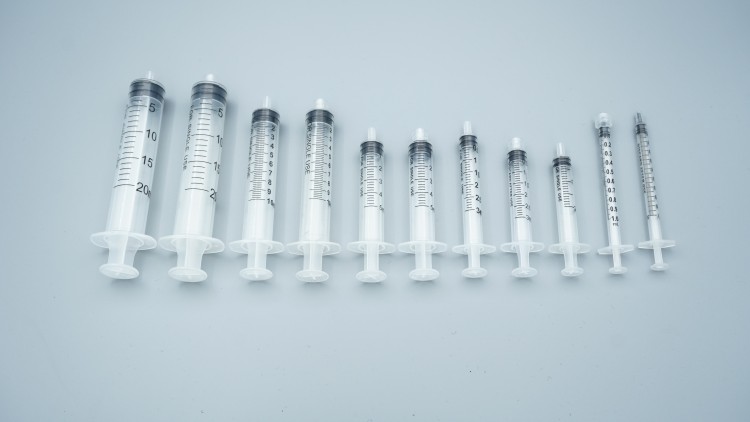
Foreword
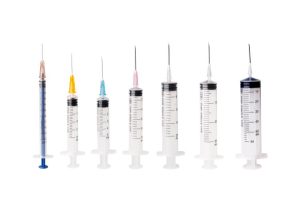
As one of the most fundamental and widely used medical devices in clinical practice, medical syringes play a critical role in drug stability, patient medication safety, and healthcare cost management. With the rapid development of biopharmaceutical technology and the widespread adoption of precision medicine concepts, the prefilled syringe (PFS) market is experiencing significant growth. This article systematically examines the current state and future trends of medical syringe technology from four dimensions: material comparison, market analysis, shelf-life management, and manufacturing processes.
I. Comparative Analysis of Mainstream Medical Syringe Materials
1.1 Glass Material Syringes
1.1.1 Glass Types and Characteristics
Medical glass syringes primarily use borosilicate glass. According to the United States Pharmacopeia (USP) and International Organization for Standardization (ISO) classifications, pharmaceutical glass is categorized as follows:
Type I Glass (Medium Borosilicate Glass)
- Composition: Contains approximately 10-15% boron oxide and 70-80% silicon dioxide
- Hydrolytic Resistance: Excellent (meets the highest standards)
- Chemical Stability: Extremely strong, resistant to strong acids and bases
- Primary Applications: Injectable drugs, lyophilized products, biological product packaging
- Market Position: Accounts for 95% of the prefilled syringe market
Type II Glass (Treated Soda-Lime Glass)
- Hydrolytic Resistance: Good (improved through surface treatment)
- Application Scenarios: Non-aqueous preparations, acidic solutions with pH below 7
Type III Glass (Regular Soda-Lime Glass)
- Composition: 75% silicon dioxide, 15% sodium oxide, 10% calcium oxide
- Hydrolytic Resistance: Moderate
- Application Restrictions: Only for non-injectable drugs and oral preparations
1.1.2 Core Advantages of Glass Materials
Superior Barrier Properties The dense molecular structure of glass provides nearly perfect barrier properties against gases and moisture, with permeability rates approaching zero for oxygen, carbon dioxide, and water vapor. This characteristic is crucial for oxygen-sensitive drugs (such as certain biologics and protein drugs), maintaining the stability of active pharmaceutical ingredients throughout the shelf life.
Chemical Inertness and Drug Compatibility Glass surfaces contain no plasticizers, antioxidants, or other additives, resulting in minimal chemical interactions with drugs. Research indicates that glass containers pose significantly lower risks of extractables and leachables compared to plastic containers for most pharmaceutical formulations.
Established Regulatory Pathway Glass materials have been used in the pharmaceutical industry for over 100 years. Regulatory agencies worldwide have comprehensive quality standards and extensive evaluation experience, significantly simplifying the registration and approval process for new drugs.
Supply Chain Reliability A global network of mature glass syringe manufacturers ensures a well-developed supply chain system, reducing supply risks for pharmaceutical companies.
1.1.3 Technical Challenges of Glass Materials
Fragility Issues Glass has relatively low mechanical strength and faces breakage risks during transportation, storage, and use. Breakage not only causes drug loss but may also generate glass particle contamination, threatening patient safety. Statistics show that breakage rates during transportation can reach 0.1-0.5%.
Side Effects of Siliconization To ensure smooth plunger movement within the barrel, glass syringe inner walls require siliconization (silicon oil coating). However, silicon oil may interact with protein drugs, leading to:
- Protein aggregation and denaturation
- Reduced drug activity
- Immunogenicity risks
A 2017 study by Taisei Kako compared protein IgG adsorption effects between glass syringes and COP (cyclic olefin polymer) syringes, showing that siliconized glass syringes exhibited significantly higher protein adsorption than non-siliconized plastic syringes.
Tungsten Ion Residue Risk During glass melting, tungsten electrodes in the furnace may release trace amounts of tungsten ions, which can enter the drug solution and affect certain sensitive biological preparations.
Weight and Transportation Costs Glass material has high density (approximately 2.5 g/cm³), leading to increased transportation weight and logistics costs. Particularly for biologics requiring cold chain transportation, the additional weight significantly increases carbon footprint and operational costs.
1.2 Plastic Material Syringes
1.2.1 Mainstream Medical Plastic Types
Cyclic Olefin Polymer (COP) and Cyclic Olefin Copolymer (COC)
These two materials are currently the preferred choices for high-end plastic prefilled syringes:
Technical Characteristics
- Transparency: Close to glass, with light transmittance exceeding 92%
- Chemical Stability: Excellent, with good compatibility with most drugs
- Water Vapor Barrier: While not matching glass, significantly superior to other plastics (such as PE, PP)
- Break Resistance: 4-5 times higher than glass
- Manufacturing Tolerance: Stricter, enabling higher dimensional accuracy
- Protein Adsorption: Lower than siliconized glass
Unique Advantages
- Silicon-free design possible (through special plunger materials and surface treatments)
- No tungsten ion residue risk
- No needle adhesive required (glass syringes require glue to fix needles)
- High design flexibility, enabling customization of special shapes and sizes
Application Scenarios
- High-viscosity drugs: Hyaluronic acid, botulinum toxin, and other medical aesthetic products
- Sensitive biologics: Monoclonal antibodies, vaccines (especially mRNA vaccines)
- Auto-injection devices: Equipment requiring precise dose control
Polypropylene (PP)
Characteristics
- Cost: Relatively low
- Chemical Stability: Good
- Heat Resistance: Can withstand high-temperature steam sterilization (121°C)
- Applications: Disposable syringe barrels, plungers, packaging
Polyethylene (PE)
Classification and Applications
- Regular PE: Used for needle caps, plungers, packaging bags
- Ultra-high Molecular Weight Polyethylene (UHMWPE): Used in high-end medical devices such as artificial joints
Polyvinyl Chloride (PVC)
Application Areas
- Primarily used for IV bags and tubing
- Less commonly used in syringes
Considerations
- Plasticizer DEHP (di-2-ethylhexyl phthalate) may migrate into drug solutions
- Potential endocrine disruption risks
- Gradually being replaced by DEHP-free or low-DEHP formulations
1.2.2 Core Advantages of Plastic Materials
Superior Break Resistance COP/COC materials have impact strength 4-5 times that of glass and rarely break during transportation and use. This not only reduces drug loss but also improves safety, particularly suitable for patient self-administration scenarios (such as insulin and anticoagulant drugs).
Silicon-Free, Tungsten-Free Clean System Plastic prefilled syringes can achieve silicon-free design through special engineering, avoiding silicon oil’s impact on protein drugs. Additionally, injection molding processes don’t involve high-temperature melting and tungsten electrodes, completely eliminating tungsten ion contamination risks.
High-Precision Manufacturing Capability Injection molding technology can achieve micrometer-level manufacturing tolerances, ensuring dimensional consistency for each syringe. This is crucial for precise dose control, especially for high-activity drugs with narrow therapeutic windows like botulinum toxin.
Design Freedom Plastic molding technology allows creation of complex geometric shapes, such as ergonomic handles, integrated safety devices, and special drug mixing chambers. This enables product differentiation and patient experience optimization.
Lightweight Advantages Plastic density is only half that of glass (approximately 1.0-1.2 g/cm³), significantly reducing transportation weight and logistics costs, particularly important for biologics requiring global cold chain distribution.
1.2.3 Technical Limitations of Plastic Materials
Insufficient Gas Barrier Properties Although COP/COC barrier properties are quite excellent, they still cannot match glass levels. For extremely oxygen-sensitive drugs (such as certain vitamins and lipids), long-term storage may present oxidative degradation risks.
Extractables and Leachables Risks Additives, residual polymer monomers, and catalysts in plastics may migrate into drug solutions. While COP/COC leachable levels are very low, comprehensive E&L (extractables and leachables) studies are still required to meet regulatory requirements.
Regulatory Approval Complexity Compared to glass, plastic prefilled syringes have a shorter regulatory history. Pharmaceutical companies need to provide more detailed container-drug compatibility data during new drug applications, potentially extending approval timelines.
Cost Considerations High-performance COP/COC materials and associated injection molding equipment require significant investment, with unit costs typically higher than ordinary glass syringes. However, for high-value biologics, this cost increase is acceptable.
1.3 Material Selection Decision Framework
Case Study 1: Anticoagulant Heparin
Drug Characteristics
- Usage Scenario: Requires patient self-injection
- Stability: Compatible with glass containers for over 20 years without significant interactions
- Safety Requirements: Needs safety devices to prevent needle stick injuries
Selection Result: Glass PFS
Rationale
- Mature compatibility data
- Multiple suppliers ensure supply chain stability
- Clear regulatory pathway
- Cost-effective
Case Study 2: Hyaluronic Acid Dermal Filler
Drug Characteristics
- High Viscosity: Requires significant injection force
- Usage Environment: Medical aesthetic clinics, non-hospital settings
- Dose Accuracy: High requirements
Selection Result: COP Syringe
Rationale
- Strong break resistance, suitable for non-hospital environments
- Design flexibility enables consistent glide force
- No glass particle risk
- Enhances brand image
Case Study 3: mRNA Vaccine
Drug Characteristics
- Temperature Sensitive: Requires -70°C ultra-low temperature storage
- Protein Sensitive: Sensitive to silicon oil and metal ions
- Mass Vaccination: Requires efficient distribution
Selection Result: Plastic PFS (COP/COC)
Rationale
- Silicon-free, tungsten-free
- Break-resistant, suitable for large-scale transportation
- Lightweight reduces cold chain costs
- Low protein adsorption
Case Study 4: Recombinant Botulinum Toxin
Drug Characteristics
- High Activity, High Toxicity
- Dose Requirements: Extremely precise (error control at microgram level)
- Usage Scenario: Medical aesthetics, neurology
Selection Result: COP Syringe
Rationale
- Strict manufacturing tolerances ensure precise dosing
- High transparency facilitates inspection
- Silicon-free prevents protein aggregation
- Strong break resistance
II. In-Depth Analysis of Global and Chinese Market Scale
2.1 Global Market Landscape
2.1.1 Market Size and Growth Trends
Based on comprehensive analysis of data from multiple market research institutions:
Historical Data (2016-2024)
- 2016: Global prefilled syringe market size $3.37 billion, year-over-year growth of 8.2%
- 2017: $3.68 billion, year-over-year growth of 9.3%
- 2018: $4.10 billion, year-over-year growth of 11.4%
- 2019: $4.60 billion, year-over-year growth of 12.2%
- 2020: $5.30 billion, year-over-year growth of 15.3% (pandemic-driven)
- 2024: Approximately $5.6 billion
Forecast Data (2025-2032)
- Projected to reach substantial figures by 2032
- Compound Annual Growth Rate (CAGR): 8-12% (varies slightly among different institutions)
2.1.2 Regional Market Distribution
North American Market
- Market Share: Approximately 35% (largest globally)
- Driving Factors:
- Advanced biopharmaceutical industry
- High proportion of self-administration
- Well-established regulatory system
- Strong healthcare payment capacity
- Primary Applications: Biologics, vaccines, insulin, anticoagulants
European Market
- Market Share: Approximately 20%
- Characteristics:
- Strict environmental regulations driving recyclable plastic applications
- Severe aging, high chronic disease management demand
- Public healthcare system dominance, focus on cost-effectiveness
Asia-Pacific Market (China + Japan + South Korea + Southeast Asia)
- Market Share: Approximately 20% (China alone accounts for ~15%)
- Growth Rate: Fastest, CAGR can reach 15-20%
- Driving Factors:
- Large population base
- Increased healthcare investment
- Expanded vaccination programs
- Rising biopharmaceutical industry
Other Regions (Middle East, Africa, Latin America)
- Market Share: Approximately 25%
- Characteristics: High growth potential, but relatively underdeveloped infrastructure
2.1.3 Product Type Market Share
By Material Classification (2023 Data)
- Glass Prefilled Syringes: 83.6% (globally)
- Plastic Prefilled Syringes: 16.4%
Trend Analysis
- Glass remains dominant, but plastic growth is faster
- 2023-2030, plastic PFS CAGR projected at 15-20%
- In biologics and vaccine sectors, plastic application proportion will significantly increase
By Application Sector
- Vaccines: Approximately 30% (significantly driven by COVID-19 vaccines)
- Antithrombotic Drugs: Approximately 25%
- Bioengineered Drugs (monoclonal antibodies, insulin, etc.): Approximately 30%
- Others (medical aesthetics, pain medications, etc.): Approximately 15%
2.1.4 Competitive Landscape
Global Market Structure The global prefilled syringe market exhibits medium-to-high concentration:
Market Concentration Analysis
- Top 3 manufacturers combined market share: Over 55%
- Industry Concentration: Medium-high level
- Barriers to Entry: Technology, capital, customer certification cycles are lengthy
Market Tier Structure
First Tier (Market Share >10%)
- Leading global suppliers from the United States and Europe
- Combined market share: 45-50%
Second Tier (Market Share 5-10%)
- Established manufacturers from Germany, Italy, and China
- Specialized in high-end glass syringes and comprehensive pharmaceutical packaging systems
- Combined market share: 25-30%
Third Tier (Market Share <5%)
- Regional manufacturers from China, Japan, and the United States
- Combined market share: 20-25%
2.2 In-Depth Analysis of the Chinese Market
2.2.1 Market Size and Growth
Historical Data (RMB)
- 2016: ¥475 million, year-over-year growth of 18.8%
- 2017: ¥667 million, year-over-year growth of 40.5%
- 2018: ¥857 million, year-over-year growth of 28.5%
- 2019: ¥1.032 billion, year-over-year growth of 20.2%
- 2020: ¥1.351 billion, year-over-year growth of 30.9%
- 2024: Projected to exceed ¥2 billion
USD Equivalent (for international comparison)
- 2020: Approximately $800 million
- 2025 Forecast: $1.6 billion
- 2030 Forecast: Over $3 billion
Growth Drivers
- Policy Support
- National Medical Products Administration (NMPA) encourages prefilled packaging
- Generic drug consistency evaluation drives packaging upgrades
- Medical insurance catalog expansion, increased biologics inclusion
- Disease Spectrum Changes
- Rising chronic disease prevalence: Diabetes, cardiovascular diseases
- Accelerating aging: Over 280 million people aged 60+ in 2023
- Increasing cancer incidence: Expanding targeted drug demand
- Vaccine Market Expansion
- Large-scale COVID-19 vaccination
- Increased HPV and influenza vaccine penetration
- Launch of new vaccines (mRNA, recombinant protein)
- Medical Aesthetics Market Boom
- 2020 Chinese medical aesthetics market reached ¥179.5 billion, annual growth rate of 24%
- Increased proportion of injection procedures (hyaluronic acid, botulinum toxin)
- Prefilled packaging improves product image and usage convenience
2.2.2 Product Structure Characteristics
Material Distribution (2023)
- Glass Prefilled Syringes: 93.7% (Chinese market)
- Plastic Prefilled Syringes: 6.3%
Comparison with Global Market (83.6% vs 93.7%)
- Higher glass proportion in Chinese market
- Reasons:
- High cost sensitivity
- Mature regulatory pathway
- Relatively weaker plastic PFS technology accumulation
- Incomplete supply chain development
Future Trends
- In high-end biologics sector, plastic PFS will accelerate penetration
- Projected plastic share by 2030: 15-20%
2.2.3 Competitive Landscape
Domestic Market Players
Foreign Brands
- Previously dominated the Chinese market, recently squeezed by domestic enterprises
- Primarily supply high-end market segments
Domestic Enterprises
- Leading Domestic Manufacturer: Absolute market leader with approximately 70% domestic market share
- Advantages: Rapid response, cost-effectiveness, extensive channel coverage
- Product Line: Covers multiple specifications from 1ml-50ml
- Customers: Major domestic vaccine and biologics companies
- Pharmaceutical Glass Specialists: Leading domestic pharmaceutical glass manufacturers
- Specialty: Medium borosilicate glass tube products
- Portfolio: Prefilled syringes, cartridges, vials
- Emerging Players: Rapidly growing new forces
- Positioning: Mid-to-high-end market
- Technology: Introducing internationally advanced equipment
- Regional Manufacturers: Important suppliers in specific regions
- Characteristics: Strong cost control capabilities
Market Structure Evolution
- Before 2010: Foreign brands dominated with >50% market share
- 2010-2020: Domestic manufacturers rapidly rose, gradually replacing foreign brands
- 2020-Present: Domestic manufacturers consolidated leadership, combined domestic share >80%
2.2.4 Regional Distribution
Major Production Bases
- East China: Shandong, Jiangsu provinces
- North China: Beijing metropolitan area
- South China: Pearl River Delta in Guangdong
Major Consumer Markets
- First-tier cities and economically developed regions account for >60% of demand
- As healthcare resources extend, second and third-tier cities show faster growth
2.3 Future Market Outlook
2.3.1 Growth Drivers
1. Biologics Market Expansion
- 2020 Chinese biologics market: ¥369.7 billion
- 2022 Forecast: ¥518.3 billion
- CAGR: 19.2%
Representative Products
- Monoclonal Antibodies: Adalimumab, trastuzumab
- Insulin Analogs: Insulin aspart, insulin glargine
- Vaccines: HPV, influenza, pneumococcal
2. “Injectable Medical Aesthetics” Consumption Upgrade
- 2019 Chinese medical aesthetics market: ¥4.5 billion in legitimate botulinum toxin channels
- Compared to US market (2019: $22.3 billion), tremendous growth potential
- Botulinum toxin proportion in non-surgical aesthetics: China 33% vs global average >50%
3. Self-Administration Trend
- Diabetes Patients: Multiple daily insulin injections
- Anticoagulation Therapy: Post-surgical deep vein thrombosis prevention
- Biologics: Rheumatoid arthritis, psoriasis treatment
4. Accelerated Innovative Drug R&D
- Chinese new drug applications growing >20% annually
- Accelerated biosimilar approvals
- Commercialization of frontier therapies like CAR-T and gene therapy
2.3.2 Technology Development Directions
1. Smart Integration
- Electronic tags (RFID/NFC) for traceability
- Temperature indicators for cold chain monitoring
- Dose counters to prevent overdosing
2. Safety Device Upgrades
- Auto-retractable needles to prevent needle stick injuries
- Anti-abuse design (one-time locking)
- Child-resistant packaging
3. Material Innovation
- Biodegradable plastics: Polyhydroxybutyrate (PHB)
- Nano-coatings: Superhydrophobic surfaces to reduce protein adsorption
- Composite materials: Combining glass barrier properties with plastic toughness
4. Digital Manufacturing
- Industry 4.0: Full-process automation and digitalization
- AI Quality Inspection: Machine vision defect detection
- 3D Printing: Rapid prototyping and small-batch customization
III. Scientific Management and Response Strategies for Syringe Shelf Life
3.1 Definition and Regulatory Requirements for Shelf Life
3.1.1 Core Concept Clarification
Shelf Life
- Definition: The period during which medical devices can maintain safety and effectiveness under specified storage conditions from production date to expiration date
- Starting Point: Production date (final product formation date)
- Includes: Pre-delivery inventory time + distribution time + healthcare facility inventory time + clinical use time
- Basis: “Technical Review Guidelines for Active Medical Device Shelf Life Registration” (2019)
Expiration Date
- Definition: The termination point of shelf life
- Expression: Year/Month/Day or Year/Month
- Beyond this date, device safety and effectiveness cannot be guaranteed
Post-Opening Use Period
- Definition: Period during which device can be safely used under specified conditions after package opening
- Example: Eye drops usable for maximum 4 weeks after opening
- Starting Point: Opening date
- Note: Independent concept from overall shelf life
3.1.2 Typical Shelf Life for Disposable Syringes
Based on domestic and international literature and industry standards:
Regular Disposable Syringes (Plastic)
- Validity Period: 2-5 years
- Influencing Factors:
- Material type (PP, PE, etc.)
- Sterilization method (ethylene oxide, radiation, steam)
- Packaging material (PE bags, blister packs, paper-plastic bags)
- Storage environment (temperature, humidity, light exposure)
Prefilled Syringes (Glass/Plastic)
- Empty Barrel Shelf Life: Typically 5 years
- Prefilled Drug Solution Shelf Life: Depends on drug stability
- Vaccines: Typically 1-3 years
- Biologics: 1-2 years
- Small Molecule Drugs: 2-5 years
High-End Specialty Syringes
- Minimally Invasive Devices (such as insulin pen syringes): 5-10 years
- Implantable Drug Delivery Systems: 10+ years
3.2 Key Factors Affecting Shelf Life
3.2.1 Material Aging Mechanisms
Plastic Materials
Photo-Oxidative Degradation
- Mechanism: UV radiation causes polymer chain breaking
- Manifestations: Discoloration, decreased transparency, reduced mechanical strength
- Protection: Light-blocking packaging, UV stabilizer additives
Thermal Oxidative Degradation
- Mechanism: High temperature accelerates oxidation reactions
- Manifestations: Brittleness, cracking
- Protection: Cool storage, antioxidant additives
Hydrolysis
- Susceptible Materials: Polyester types (such as PET)
- Mechanism: Water molecules attack ester bonds
- Manifestations: Molecular weight reduction, mechanical property deterioration
- Protection: Low-humidity storage, moisture-barrier packaging
Glass Materials
Alkaline Leaching
- Mechanism: Sodium, calcium, and other ions leach from glass surface
- Impact: Changes in drug solution pH
- Prevention: Select high-quality borosilicate glass (Type I glass)
Delamination Risk
- Mechanism: Long-term storage causes microscopic surface layer cracking
- Manifestation: Visible or invisible glass microparticles
- Hazards: May cause embolism when entering the body
- Prevention: Surface treatment strengthening, avoid temperature fluctuations
3.2.2 Packaging Seal Performance
Primary Packaging (Disposable Syringe Body)
- Plunger Seal: Rubber/silicone aging may cause air leakage
- Needle Shield: Prevents contamination and needle dulling
Outer Packaging (Protective Layer)
- PE Bags: Dust-proof, moisture-proof
- Blister Packs: Compression-resistant, impact-resistant
- Paper-Plastic Bags: Good permeability, suitable for ethylene oxide sterilization degassing
Packaging Integrity Testing
- Dye Penetration Method
- Microbial Challenge Testing
- Vacuum Decay Method (pressure differential method)
3.2.3 Storage Environment Control
Temperature
- Regular Storage: 15-30°C
- Refrigeration (certain biologics): 2-8°C
- Freezing (special drugs): -20°C or -70°C
Impact of Temperature Fluctuations
- Repeated Freeze-Thaw: May cause glass cracking, plastic embrittlement
- Thermal Stress: Accelerates material aging
Humidity
- Recommended Range: Relative humidity <60%
- High Humidity Hazards: Package moisture, label detachment, mold growth
Light Exposure
- Avoid: Direct sunlight, strong fluorescent lighting
- Reason: Photocatalytic degradation, plastic discoloration
Other Factors
- Vibration: May cause packaging damage
- Atmospheric Pressure: High-altitude areas require attention to seal integrity
- Chemical Environment: Avoid contact with corrosive gases
3.3 Risk Assessment of Expired Syringes
3.3.1 Functional Risks
Decreased Seal Performance
- Manifestation: Increased gap between plunger and barrel wall, solution leakage
- Consequences: Drug solution contamination, dose inaccuracy
Reduced Mechanical Strength
- Manifestation: Plunger breakage, barrel cracking
- Consequences: Injection failure, drug solution spillage
Dimensional Accuracy Changes
- Manifestation: Thermal expansion and contraction causing loose fit
- Consequences: Dose errors
3.3.2 Safety Risks
Microbial Contamination
- Source: Package damage, seal failure
- Risk: May cause infection, especially for intravenous injection
- Case Study: 2019 Jiangsu Jinhu County expired vaccine incident—though no serious infections reported, it caused public panic
Chemical Component Changes
- Plastic Degradation Products: Small molecule aldehydes, ketones, etc.
- Glass Leachates: Sodium, calcium, silicates
- Risk: Although concentrations are typically extremely low, vigilance is still required for injectable administration
Particulate Contamination
- Source: Glass delamination, plastic microparticles, rubber particles
- Risk: Vascular embolism, allergic reactions
3.3.3 Efficacy Risks (Prefilled Syringes)
Reduced Drug Activity
- Case Study: Epinephrine Auto-Injectors
- FDA requires ≥90% activity retention within validity period
- Research (30+ units, expired up to 7.5 years): Epinephrine content decreased proportionally with months past expiration
- Another study (46 units, median 2 years past expiration): 80% retained ≥90% activity
- Extreme case (11 years past expiration): Activity only 13-31%
Conclusion
- Short-term expiration (months) may have limited impact
- Long-term expiration (years) significantly reduces activity
- In emergencies (such as anaphylactic shock), recently expired epinephrine is better than no medication
Vaccine Potency Loss
- Expert opinion from Jiangsu Provincial Center for Disease Control: “For merely expired vaccines, safety is generally not a major issue, but effectiveness is somewhat affected, not achieving optimal results”
- Recommendation: After receiving expired vaccine, extend observation period to 40 days (normal 14 days)
Biologics Denaturation
- Protein aggregation, precipitation
- Loss of monoclonal antibody activity
- Risk: Not only ineffective but may produce immunogenicity
3.4 Response Strategies for Expired Syringes
3.4.1 Preventive Management (Optimal Approach)
First-In-First-Out (FIFO) Inventory Management
- Principle: Use items expiring first
- Tools: Inventory management software, barcode/RFID tracking
- Regular Inventory: Comprehensive quarterly checks
Expiration Warning System
- Multi-level Alerts:
- Level 1 Alert: 6 months to expiration, prioritize allocation
- Level 2 Alert: 3 months to expiration, accelerate consumption or return
- Level 3 Alert: 1 month to expiration, urgent handling
- Automated Reminders: SMS/email notifications to procurement, warehousing, clinical departments
Rational Procurement Planning
- Demand Forecasting: Based on historical data and clinical plans
- Small Batches, High Frequency: Reduce inventory accumulation
- Supplier Coordination: JIT (Just-In-Time) delivery
Storage Condition Optimization
- Temperature and Humidity Monitoring: 24-hour real-time recording
- Cold Chain Management: Dedicated cold storage for vaccines and biologics
- Protective Measures: Light protection, moisture protection, pressure protection
3.4.2 Near-Expiration Product Handling
Allocation and Transfer
- Intra-Hospital Transfer: From low-volume departments to high-volume departments
- Regional Alliance: Cross-campus allocation within the same healthcare group
- Social Donation: Eligible items can be donated to remote areas (ensuring sufficient transportation time + remaining shelf life)
Promotional Discounts
- Wholesaler Strategy: Discount promotions to downstream customers
- Note: Must clearly inform remaining shelf life to avoid fraud
Return Negotiations
- Negotiate returns or exchanges with suppliers
- Typically requires proposal 3-6 months before expiration
- Return Conditions: Intact packaging, proper storage
3.4.3 Expired Product Disposal
Regulatory Requirements
- “Medical Device Supervision and Management Regulations” Article 55: “Prohibited from distributing or using…expired, invalid…medical devices”
- Violation Consequences: Fines, license revocation, criminal liability
Disposal Procedures
- Isolation: Store in separate area with clear “Expired/Awaiting Disposal” labels
- Registration: Detailed records of product information, quantity, expiration date
- Approval: Report to quality management department for review
- Delegation: Engage qualified medical waste disposal units
- Destruction: Incineration or other compliant methods
- Records: Maintain disposal records for at least 5 years
Cost Sharing
- Self-Borne by Enterprise: Due to management negligence
- Supplier Sharing: Per agreed return/exchange policies
- Insurance Claims: Purchase cargo loss insurance
3.4.4 Risk Decision-Making in Special Circumstances
Emergency Medical Situations
- Scenarios: Natural disasters, wars, pandemics causing drug/device shortages
- Decision Framework:
- Assess expiration time (days vs. years)
- Assess storage conditions (whether compliant)
- Assess product category (sterile vs. non-sterile)
- Weigh risk-benefit (no medication vs. potentially ineffective medication)
Case Study: Epinephrine Auto-Injectors
- Recommendation: Timely replacement before expiration
- Emergency Situations: Short-term expiration (months) better than no medication, but patient risk disclosure required
- Long-term Expiration (years): Not recommended
Official Guidance
- US FDA has extended shelf life for certain drugs/devices during special periods (such as influenza pandemics)
- Prerequisites: Scientific data support and strict regulatory oversight
Ethical Considerations
- Full Disclosure: Informed consent from patients or families
- Priority Alternatives: Seek unexpired alternatives whenever possible
- Record Retention: Detailed documentation of decision-making process and patient response
3.5 Technical Pathways for Shelf Life Extension
3.5.1 Material and Design Optimization
Select More Stable Materials
- Plastics: COP/COC superior to PP/PE
- Glass: Type I borosilicate glass superior to Type III soda-lime glass
- Rubber: Low-leachable formulations with antioxidant additives
Multi-Layer Composite Packaging
- Barrier Layer: Aluminum foil, EVOH (ethylene-vinyl alcohol copolymer)
- Protective Layer: PE outer layer for mechanical damage protection
- Desiccants: Moisture-absorbing packets to maintain low-humidity environment
Inert Gas Replacement
- Nitrogen Packaging: Reduces oxygen concentration, slows oxidation
- Vacuum Packaging: Suitable for pressure-resistant products
3.5.2 Stability Studies
Accelerated Aging Testing
- Principle: Accelerate material aging under high temperature and humidity conditions to extrapolate shelf life at room temperature
- Common Conditions: 40°C/75% RH for 6 months
- Extrapolation Formula: Based on Arrhenius equation
Real-Time Aging Testing
- Principle: Long-term observation under actual storage conditions
- Conditions: 25°C/60% RH (simulating long-term storage)
- Duration: Typically 1-5 years
Testing Indicators
- Appearance: Discoloration, deformation, cracks
- Mechanical Properties: Tensile strength, elongation at break, injection force
- Seal Integrity: Leak testing
- Chemical Indicators: pH value, leachables, extractables
- Microbiology: Sterility, endotoxins
- Functionality: Dose accuracy, smooth gliding
3.5.3 Smart Monitoring Technologies
Time-Temperature Indicators (TTI)
- Principle: Chemical reactions change color with temperature and time
- Application: Cold chain pharmaceuticals, visually indicating temperature excursions
- Advantages: Low cost, intuitive, no power required
RFID Temperature Tags
- Function: Real-time temperature curve recording
- Advantages: Traceable data, remote monitoring
- Application: High-value biologics
Blockchain Traceability
- Function: Full lifecycle tracking (production-distribution-use)
- Advantages: Anti-counterfeiting, accountability traceability
- Trend: National Medical Products Administration is promoting implementation
IV. Detailed Syringe Manufacturing Processes
4.1 Glass Syringe Manufacturing Process
4.1.1 Glass Tube Preparation
Danner Process
Process Flow
- Glass Melting: Raw materials (quartz sand, boric acid, sodium carbonate, etc.) melted at 1500-2000°C for 24 hours
- Glass Flow Introduction: Molten glass flows onto slowly rotating hollow ceramic cylinder (Danner tube)
- Tube Blowing: Compressed air blown from inside cylinder forms glass tube
- Stretching and Sizing: Control tube diameter and wall thickness by adjusting air pressure and stretching rate
- Annealing and Cooling: Glass tube passes through annealing kiln for uniform cooling to eliminate internal stress
Precision Control
- Outer Diameter Tolerance: ±0.05mm
- Wall Thickness Tolerance: ±0.1mm
- Uniformity: Full-length deviation <2%
Quality Inspection
- Optical Inspection: Bubbles, stones, streaks
- Dimensional Measurement: Outer diameter, wall thickness
- Stress Detection: Polarized stress meter
4.1.2 Tubing Syringe Molding
Process Flow
- Glass Tube Cutting: Cut to specification length
- Bottom Sealing: Flame heating and sealing to form round or flat bottom
- Neck Forming: Heat localized area, blow or mold press to form Luer connection
- End Treatment: Flame polishing to remove burrs
- Graduation Printing: High-temperature ceramic ink printing for volume graduations
- Annealing Treatment: Overall re-annealing to eliminate processing stress
Luer Connection Types
- Luer Slip: Direct insertion, simple but may detach
- Luer Lock: Threaded locking, high safety for high-pressure injection
Graduation Accuracy
- Requirement: Error <±5% (for 1ml specification)
- Methods: Laser engraving (more precise, permanent) or ceramic printing
4.1.3 Molded Glass Syringes
Process Characteristics
- Molten glass directly injected into molds
- Suitable for large capacity (>50ml) and complex shapes
- Shorter production cycle, relatively lower cost
Process Flow
- Molten Glass Gob Feeding: Measured glass liquid dropped into blank mold
- Initial Forming: Compressed air or plunger forms bottle opening and blank
- Transfer Forming: Blank transferred to forming mold, blown into final shape
- Annealing: Conveyed to annealing kiln, heated then uniformly cooled
- Optical Inspection: Automated detection system checks for defects
Comparison with Tubing Process
- Advantages: High shape freedom, design flexibility
- Disadvantages: Slightly lower mechanical strength, slightly higher particle contamination risk
- Applications: Large-capacity IV bottles, multi-dose vaccine vials
4.1.4 Surface Treatment
Siliconization
Purpose
- Reduce friction, ensure smooth plunger injection
- Prevent drug solution adhesion, reduce residue
Process Methods
- Spray Coating: Atomized silicon oil sprayed onto barrel inner wall
- Dip Coating: Immersed in silicon oil solution, dried
- Vapor Deposition: Silane vapor chemical vapor deposition (CVD)
Silicon Oil Usage
- Traditional: 0.1-1.0 mg/barrel
- Low Siliconization: <0.1 mg/barrel
- Silicon-Free: Using special plunger materials as substitute
Quality Control
- Uniformity: Inner wall coating thickness deviation <10%
- Injection Force: Test injection force curve for smoothness
- Silicon Oil Detection: GC-MS (Gas Chromatography-Mass Spectrometry) quantification
Inner Wall Passivation
Purpose
- Reduce alkaline substance leaching from glass surface
- Lower drug adsorption
- Improve chemical stability
Methods
- Acid Washing: Dilute sulfuric acid or nitric acid treatment
- Ammonia Treatment: Forms hydrophobic layer
- Plasma Treatment: Changes surface energy
4.2 Plastic Syringe Manufacturing Process
4.2.1 Injection Molding Fundamentals
Process Principle
- Plastic raw materials (PP, PE, COP, etc.) added as pellets to hopper
- Heating screw melts plastic (temperature: 180-280°C, depending on material)
- High-pressure injection into metal mold (pressure: 50-200 MPa)
- Cooling and solidification
- Ejection of molded product
Equipment Components
- Injection System: Hopper, heating barrel, screw
- Clamping System: Hydraulic/electric system providing clamping force
- Mold: Cavity, core, cooling system, ejection mechanism
- Control System: PLC/industrial computer for precise temperature, pressure, time control
4.2.2 Syringe Barrel Molding
Process Parameters
- Injection Temperature: PP 220-260°C, COP 260-300°C
- Injection Pressure: 80-150 MPa
- Holding Time: 5-15 seconds
- Cooling Time: 10-30 seconds
- Molding Cycle: 20-120 seconds
Key Mold Design Considerations
Draft Angle
- Definition: For easy demolding, barrel inner diameter smaller at front, larger at rear
- Angle: Typically 0.5-1.5°
- Impact: Prevents full-length plunger seal, requires elastic plunger compensation
Cooling System
- Uniform Cooling: Avoid warping from uneven shrinkage
- Cooling Channels: Spiral or conformal cooling (3D printed molds)
- Temperature Control Accuracy: ±2°C
Venting System
- Vent Grooves: 0.02-0.05mm width to exhaust cavity air
- Location: Where cavity fills last
- Function: Prevent air bubbles and burn marks
Quality Defects and Countermeasures
| Defect | Cause | Countermeasure |
|---|---|---|
| Warping | Uneven cooling, residual stress | Optimize cooling system, post-annealing |
| Flash | Insufficient clamping force, mold wear | Increase clamping force, regular mold maintenance |
| Bubbles | Poor venting, material moisture | Add vent grooves, pre-dry raw materials |
| Dimensional Deviation | Mold precision, temperature fluctuation | High-precision molds, temperature control system |
| Poor Transparency | Too-rapid cooling, crystallization | Reduce cooling rate, mold temperature control |
4.2.3 Plunger Component Production
Three-Piece Structure
- Push Rod: Hard plastic (PP/PE) with front end plunger embedding structure
- Plunger: Elastic rubber/silicone, outer diameter slightly larger than barrel inner diameter
- Thumb Rest: Rear end of push rod for pressing
Plunger Production Process
Rubber Plunger
- Rubber Mixing: Natural rubber/synthetic rubber + vulcanizing agent + antioxidants + fillers
- Calendering: Pressed into thin sheets
- Compression Molding and Vulcanization: 150-180°C, pressure 5-15 MPa, 5-10 minutes
- Cutting: Cut to shape
- Cleaning: Remove surface residues
- Siliconization: Reduce friction
- Drying and Packaging
Silicone Plunger
- Liquid Silicone Rubber (LSR) injection molding
- Advantages: Better biocompatibility, lower vulcanization temperature (120°C)
- Application: High-end prefilled syringes
Quality Requirements
- Hardness: Shore A 40-70
- Tensile Strength: >7 MPa
- Elongation at Break: >300%
- Compression Set: <25%
Push Rod and Plunger Assembly
- Heat Fitting: Heat push rod front end, insert plunger
- Ultrasonic Welding: High-frequency vibration generates heat for welding
- Snap Connection: Push rod front end barb, plunger hole diameter matching
4.2.4 Needles and Shields
Needle Production (Typically Outsourced)
- Material: Medical stainless steel (304/316L)
- Process: Drawing into tube → Cutting → Sharpening → Polishing → Cleaning → Siliconization
- Specifications: Classified by outer diameter (Gauge, G), commonly 18G-30G
Needle Shield
- Material: PE, PP
- Process: Injection molding
- Function: Protect needle tip, maintain sterility
Needle and Barrel Assembly
- Heat Pressing: Heated then inserted
- Adhesive (Glass Barrels Only): Epoxy or UV glue
- Note: Plastic barrels typically require no adhesive, direct friction fit
4.3 Prefilled Syringe Manufacturing Process
4.3.1 Aseptic Filling Technology
Clean Environment Requirements
- Filling Area: ISO 5 (Class 100, ≤3520 particles/m³, ≥0.5μm)
- Background Area: ISO 7 (Class 10,000)
- Personnel: Sterile gowns, masks, gloves, regular training
- Environmental Monitoring: Airborne bacteria, settling bacteria, particulates
Filling Process Flow
1. Barrel Preparation
- Washing: Purified water → Water for Injection
- Depyrogenation: 180°C dry heat sterilization 2-4 hours, or ultrafiltration depyrogenation
- Sterilization: Moist heat sterilization (121°C, 20 min) or radiation sterilization
2. Drug Solution Preparation
- Formulation: Precise measurement of all components per formula
- Filtration: 0.22μm sterile filtration
- Pre-Filling Inspection: Clarity, pH, content
3. Filling
- Peristaltic Pump Metering: Accuracy ±2%
- Filling Needles: 316L stainless steel, polished surface
- Cross-Contamination Prevention: Replace filling needles per batch or CIP (Clean-In-Place)
4. Plunger Insertion
- Robotic Arm Automatic Stoppering
- Stopper Depth: Precise control ensuring dose accuracy
- Stopper Force: Monitored, excessive force may damage barrel
5. Capping
- Needle Installation: Automated equipment assembly
- Shield Application: Ensure sealing
6. Visual Inspection and Packaging
- Light Inspection: Manual or machine vision inspection for foreign matter, cracks
- Labeling: Batch number, expiration date, specifications
- Boxing: Shock-resistant packaging
4.3.2 Lyophilized Prefilled Technology
Application Background
- Some biologics are unstable in aqueous solution, requiring lyophilization for storage
- Reconstitution with accompanying solvent before use
Dual-Chamber Syringe
- Front Chamber: Lyophilized powder
- Rear Chamber: Solvent (Water for Injection or buffer solution)
- Middle: Pushable isolation stopper
Usage Procedure
- Push rear plunger, solvent enters front chamber
- Mix well, powder dissolves
- Inject after complete dissolution
Advantages
- Extended shelf life (lyophilized powder can last 5+ years)
- Ready-to-use, high freshness
- Reduced preservative additions
Technical Challenges
- Complex structure, high cost
- Extremely high seal requirements
- Patient operation training
4.4 Quality Control System
4.4.1 Raw Material Inspection
Glass Tubing
- Hydrolytic Resistance: 121°C, 1 hour, measure extract alkalinity
- Chemical Composition: ICP-MS detection of sodium, calcium, silicon content
- Stress: Polarized stress meter detection
Plastic Pellets
- Melt Flow Index (MFI): Characterize flowability
- Density: Precision balance measurement
- Moisture Content: Karl Fischer method, required <0.02%
- Heavy Metals: AAS (Atomic Absorption Spectroscopy) detection
Rubber
- Hardness: Shore hardness tester
- Tensile Properties: Universal testing machine
- Extractables: Soxhlet extraction + GC-MS analysis
4.4.2 Process Control
Injection Molding Process
- SPC (Statistical Process Control): Real-time monitoring of dimensions, weight
- First Article Inspection: Full dimensional inspection at start of each shift
- CPK Analysis: Process capability index, requirement >1.33
Filling Process
- Fill Volume Monitoring: Spot check 10 units per hour, tolerance ±5%
- Sterility Assurance: Media fill simulation per batch
- Environmental Monitoring: Sampling every 2 hours
4.4.3 Finished Product Inspection
Appearance Inspection
- Visual: Cracks, bubbles, stains, deformation
- Machine Vision: Automated detection system, speed >600 units/minute
Dimensional Measurement
- Capacity: Capacity verification method (add water and weigh)
- Injection Force: Electronic push-pull gauge, full-curve recording
- Seal Integrity: Pressure decay method or helium mass spectrometer leak detection
Functional Testing
- Dose Accuracy: Measure 10 units, RSD <2%
- Pressure Resistance: Pressurize to 1.5x working pressure, hold 1 minute without rupture
- Drop Test: 1-meter free fall, no damage
Microbiological Testing (Sterile Products)
- Sterility Test: Direct inoculation method, 14-day incubation
- Bacterial Endotoxin: LAL test, <0.5 EU/ml
Chemical Testing (Prefilled)
- Content: HPLC, GC, etc.
- Related Substances: Degradation products, impurities
- pH Value: pH meter measurement
- Leachables: LC-MS qualitative and quantitative
4.4.4 Stability Studies
Long-Term Stability
- Conditions: 25±2°C/60±5% RH
- Duration: At least covering proposed shelf life
- Time Points: 0, 3, 6, 9, 12, 18, 24, 36 months
Accelerated Stability
- Conditions: 40±2°C/75±5% RH
- Duration: 6 months
- Time Points: 0, 1, 2, 3, 6 months
- Purpose: Support shelf life extrapolation
Forced Degradation
- High Temperature: 60°C
- Light Exposure: Visible + UV light
- Humidity: 90% RH
- Oxidation: Hydrogen peroxide
- Acid/Base: HCl/NaOH
- Purpose: Understand degradation pathways, establish stability-indicating methods
4.5 Manufacturing Process Innovation Trends
4.5.1 Glass Injection Molding Technology
Technological Breakthrough (Reported in Science 2021)
- Developed by Frederik Kotz team at University of Freiburg, Germany
- Principle: Silica nanoparticles + polymer (PEG+PVB) mixed into paste
- Process: Injection molding → Water wash to remove PEG → 600°C burn off PVB → 1300°C fuse silica
Advantages
- Shape Freedom: Can create complex geometric shapes (gears, curved tubes)
- Forming Speed: 5 seconds/piece (traditional tubing takes hours)
- Energy Consumption: Only 60% of traditional process
- Material Recyclability: PEG can be recycled and reused
Challenges
- Washing Speed: PEG removal takes days to avoid cracking
- Commercialization: Not yet large-scale application
Prospects
- Suitable for complex glass devices: Microfluidic chips, 3D microreactors
- Small-batch Customization: Rapid prototyping
4.5.2 3D Printing Technology
Stereolithography 3D Printing (SLA)
- Material: Photopolymer resins (containing COP/COC monomers)
- Application: Rapid prototyping, personalized customization
- Accuracy: Layer thickness down to 25μm
- Limitations: Slow production speed, high cost, unsuitable for mass production
Fused Deposition Modeling (FDM)
- Material: Medical-grade PP, PE filaments
- Application: Low-value medical devices, teaching models
- Limitations: Rough surface, slightly lower mechanical strength
Future Directions
- Biocompatible resin development
- Multi-material composite printing (hard-soft combination)
- Online quality monitoring (embedded sensors)
4.5.3 Industry 4.0 and Smart Manufacturing
Equipment Interconnection
- MES (Manufacturing Execution System): Real-time production data collection
- SCADA (Supervisory Control and Data Acquisition): Equipment status monitoring
- ERP (Enterprise Resource Planning): Integrated order-production-inventory
AI Quality Inspection
- Machine Vision: Deep learning identifies minor defects
- Predictive Maintenance: Equipment vibration, temperature analysis for early fault warning
Digital Twin
- Virtual Factory: Simulation optimization of production parameters
- Real-Time Synchronization: Physical factory data real-time feedback to virtual model
Flexible Production
- Rapid Mold Change: Modular molds, specification switching within 30 minutes
- Small-Batch Customization: Meet personalized medical needs
V. Summary and Outlook
5.1 Material Selection Summary
Medical syringe material selection has no “one-size-fits-all” solution and requires comprehensive decision-making based on drug characteristics, usage scenarios, budget constraints, and regulatory requirements:
Preferred Glass Material Scenarios
- Oxygen-sensitive drugs
- Cost-sensitive bulk products
- Mature drugs with clear regulatory pathways
- Multi-dose packaging
Preferred Plastic Material Scenarios
- High-viscosity drugs (medical aesthetic fillers)
- Protein biologics (monoclonal antibodies, vaccines)
- Self-administration scenarios (patient-friendly)
- High-activity drugs requiring precise dose control
- Large-scale transportation (reducing breakage and logistics costs)
Future Trends
- Glass will maintain dominant position (≥70% market share)
- Plastics rapidly penetrating high-end biologics sector
- Biodegradable materials gradually applied in response to environmental requirements
- Smart integration (RFID, temperature indicators) becoming standard
5.2 Market Outlook
Global Market
- 2024-2032 CAGR: 8-12%
- Drivers: Biologics, vaccines, chronic disease management
- Region: Asia-Pacific market fastest growing
Chinese Market
- 2020-2030 CAGR: 15-20%
- Domestic enterprise rise: Continued market share growth
- Policy Support: Generic drug consistency evaluation, medical insurance expansion
- Emerging Demand: Medical aesthetics, innovative biologics
Competitive Landscape Evolution
- International leaders: Maintaining technology leadership
- Chinese enterprises: Cost advantages + rapid response + localized service
- Industry Integration: Vertical integration providing comprehensive solutions
5.3 Shelf Life Management Key Points
Prevention-Oriented
- FIFO inventory management
- Expiration warning systems
- Rational procurement planning
- Storage condition optimization
Scientific Assessment
- Expiration time: Months vs. years
- Storage conditions: Whether compliant
- Product category: Sterile vs. non-sterile
- Critical functions: Seal integrity, dose accuracy, drug activity
Regulatory Compliance
- Strictly prohibited use of expired devices (legal red line)
- Special circumstances require sufficient scientific basis and ethical review
- Detailed records and patient informed consent
Technological Progress
- Extended shelf life: Material innovation, packaging optimization
- Smart monitoring: TTI, RFID, blockchain traceability
5.4 Manufacturing Process Development Direction
Automation and Intelligence
- Unmanned production lines: Reduce human contamination
- AI quality inspection: Improve defect detection rates
- Digital twins: Optimize production efficiency
Green Manufacturing
- Energy-saving processes: Glass injection molding
- Recyclable materials: Bio-based plastics, biodegradable plastics
- Clean production: Zero-emission factories
Lean Manufacturing
- Flexible production: Rapid response to small-batch customization needs
- Just-In-Time (JIT): Reduce inventory costs
- Continuous improvement (Kaizen): Full employee participation in quality improvement
Regulatory Science
- Real-Time Release: PAT (Process Analytical Technology)
- Risk-Based Quality Management: ICH Q9
- Data Integrity: Compliance with 21 CFR Part 11
5.5 Conclusion
As a cornerstone of modern healthcare systems, every advancement in medical syringe materials technology and manufacturing processes directly impacts the safety and effectiveness of billions of injection procedures worldwide. From century-old handcrafted all-glass products to today’s high-performance plastic prefilled systems, and looking toward future smart, personalized drug delivery devices, the syringe industry has continuously sought the optimal balance among safety, effectiveness, economics, and patient friendliness.
With the rapid development of biopharmaceutical technology, deepening precision medicine concepts, and accelerating global aging trends, the medical syringe industry is experiencing unprecedented development opportunities. Chinese enterprises, leveraging cost advantages, rapid response capabilities, and continuously improving technical levels, are playing increasingly important roles on the global stage.
In the future, only by adhering to technological innovation, strictly maintaining quality standards, and respecting life safety can industry participants navigate steadily through this challenging yet opportunistic field and make greater contributions to human health.
Partner with Kohope for Your Medical Syringe Needs
As you’ve seen throughout this comprehensive analysis, the medical syringe industry demands excellence in materials, manufacturing precision, and regulatory compliance. Whether you’re developing next-generation biologics, scaling up vaccine production, or launching medical aesthetic products, your choice of syringe supplier directly impacts product quality, patient safety, and market success.
Kohope Medical stands at the forefront of medical syringe manufacturing, combining advanced technology with proven reliability. Our expertise spans:
- Premium Glass and Plastic Syringes: From standard disposable syringes to sophisticated prefilled systems using Type I borosilicate glass and high-performance COP/COC materials
- Customization Capabilities: Tailored solutions for high-viscosity drugs, sensitive biologics, and precision-dosing applications
- Quality Assurance: ISO-certified facilities with comprehensive testing protocols ensuring compliance with FDA, CE, and NMPA standards
- Innovation Partnership: Technical support for material selection, container-drug compatibility studies, and regulatory documentation
Why Choose Kohope?
- Competitive pricing without compromising quality
- Flexible order quantities from prototyping to mass production
- Rapid response and delivery to global markets
- Expert consultation on material selection and application optimization
Ready to discuss your project? Our technical team is standing by to help you select the optimal syringe solution for your specific application. Whether you’re comparing glass versus plastic options, evaluating prefilled systems, or scaling up production, we’re here to support your success.
Contact Kohope Today:
- Request a quote for your specific requirements
- Schedule a technical consultation with our materials experts
- Request samples for compatibility testing
- Discuss custom development projects
Don’t let syringe selection slow down your innovation. Partner with Kohope and benefit from our decades of experience, cutting-edge manufacturing capabilities, and unwavering commitment to quality. Your patients deserve the best—and so does your product.
References and Data Sources
- Prefilled Syringe Selection: Glass or Polymer? – Pharmaceutical Packaging Compatibility Studies (2024)
- 2024-2030 Global and Chinese Prefilled Syringe Industry Competition Analysis Report
- Medical Device Shelf Life Research – Medical Device Regulatory Science (2024)
- Industry Frontiers! International Chemical Giants’ Medical High-Performance Plastics Applications
- Global and Chinese Pharmaceutical Packaging Materials Industry Development Trends Report (2025)
- Applications of 10 Common Medical Plastics (2023)
- Emerging Glass Processing Technologies and Advantages
- China Prefilled Syringe Industry Status In-Depth Analysis and Development Prospects Forecast Report (2022)
- Taisei Kako (2017): Comparative Study of Protein Adsorption in Glass vs COP Syringes
- US FDA – Medical Device Shelf Life Management Guidelines
Author’s Statement This article is compiled based on publicly available information and industry research, with data accuracy as a priority. However, the pharmaceutical industry develops rapidly, and some data may change over time. Views expressed are for reference only. Specific product selection and application must comply with regulatory requirements of each country and actual enterprise circumstances.