Why Every Cat Owner Needs Quality Animal Feeding Syringes
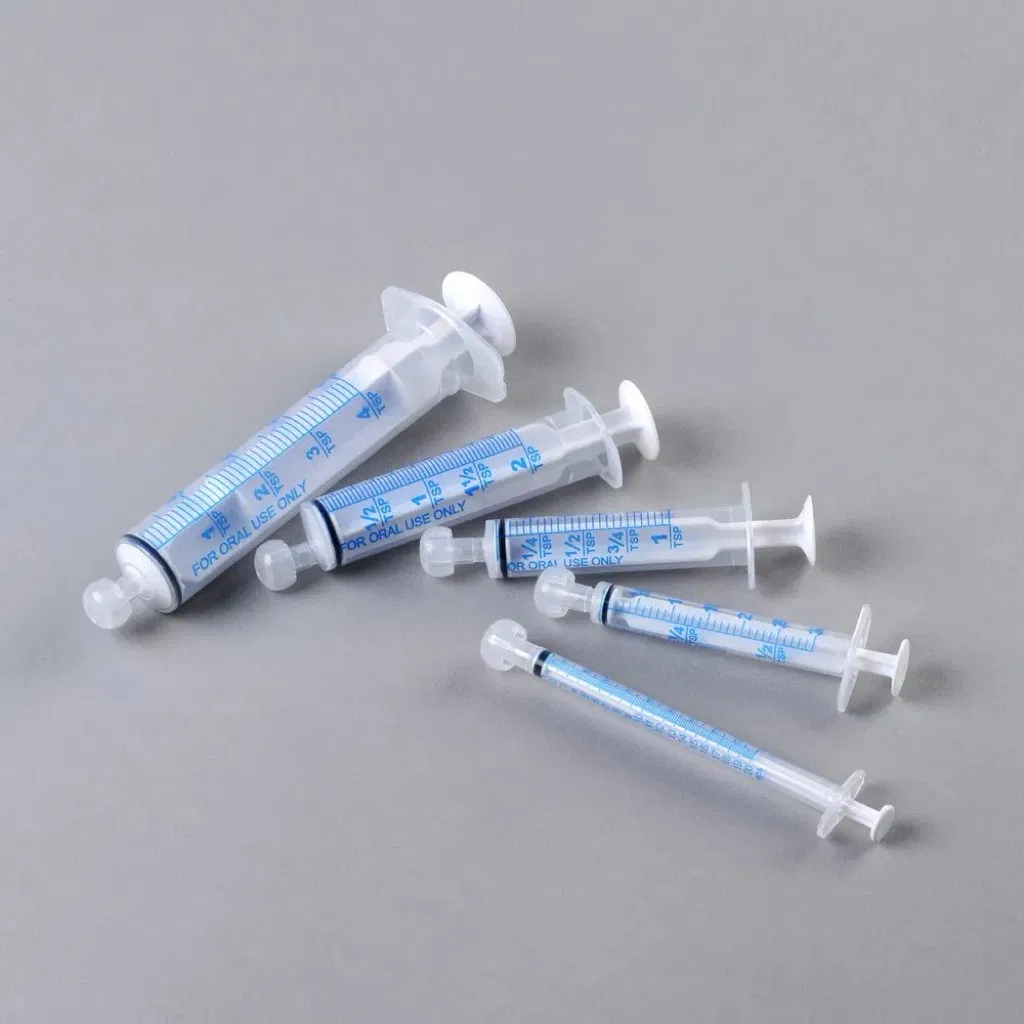
As professional pet care specialists, we encounter countless situations where cats require assisted feeding support. Whether managing a sick kitten, helping a senior cat maintain weight, or providing post-surgical nutrition, having the right cat syringes makes the difference between successful recovery and prolonged complications. Understanding when and how to use animal feeding syringes effectively transforms challenging feeding situations into manageable care routines.
Common Scenarios Requiring Cat Feeding Syringes
Newborn Kitten Care
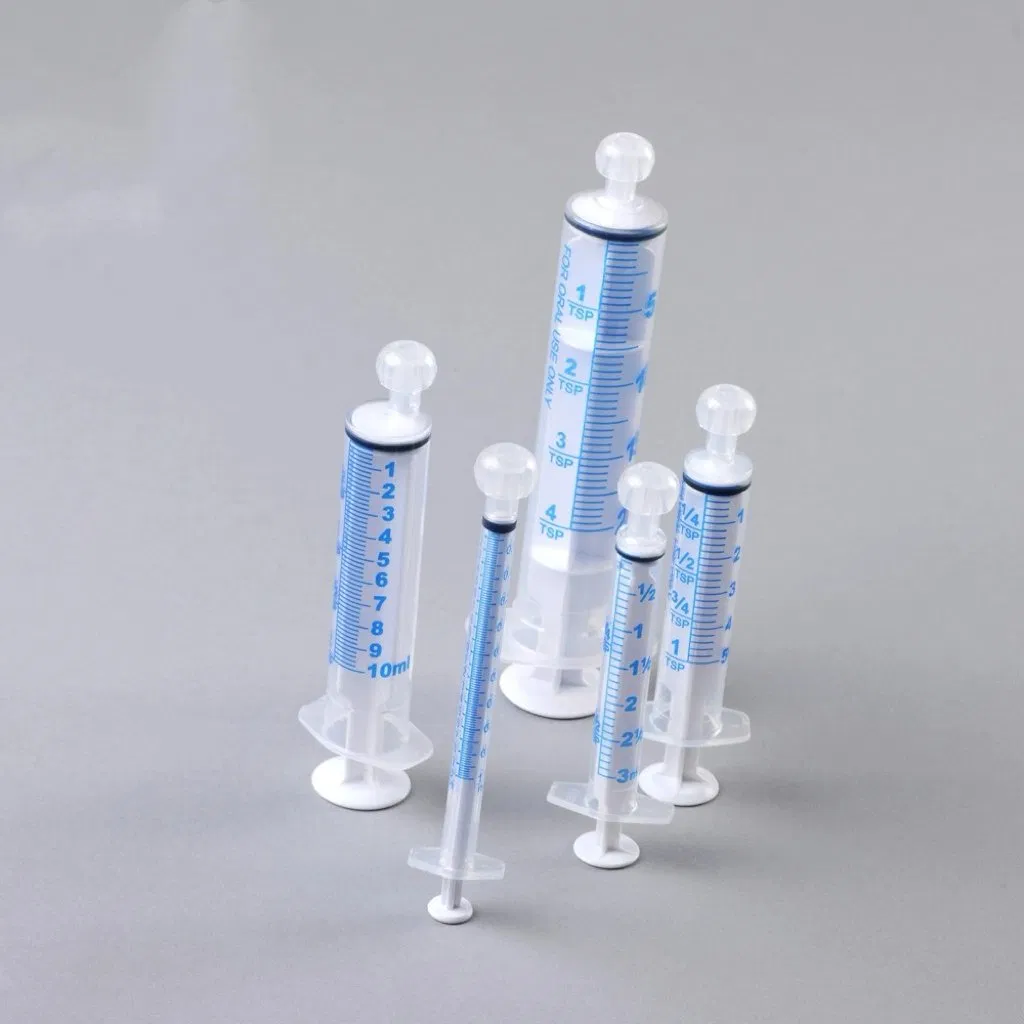
Orphaned or rejected kittens depend entirely on precise nutritional delivery for survival. Professional cat syringes in 1-3ml capacities provide the controlled flow rate essential for preventing aspiration in neonates. These tiny patients require feeding every 2-3 hours, making reliable, easy-to-clean food syringes indispensable tools for any breeding program or rescue operation.
The critical factor in neonatal feeding involves matching syringe capacity to kitten size. Oversize syringes deliver formula too rapidly, while precision-graduated animal feeding syringes ensure accurate measurement of the small volumes required—typically 2-6ml per feeding depending on age and weight.
Post-Surgical Recovery
Dental procedures, oral surgeries, and other operations often leave cats unable to eat normally for days or weeks. During this vulnerable period, maintaining caloric intake prevents the rapid onset of hepatic lipidosis—a potentially fatal condition that can develop within 2-3 days of inadequate nutrition in felines.
Professional-grade cat syringes with thumb control rings enable single-handed operation, crucial when managing a groggy post-operative patient. The 5-10ml capacity range suits most adult cats, allowing complete meal delivery in 3-4 syringes without excessive handling that might stress recovering animals.
Managing Chronic Illness
Cats with chronic kidney disease, cancer, or inflammatory bowel disease frequently experience appetite loss. Rather than waiting for dangerous weight loss, proactive supplemental feeding using food syringes maintains body condition and supports immune function throughout treatment protocols.
The ability to administer small, frequent meals using 5-20ml animal feeding syringes prevents the nausea and gastric distress that large bolus feedings can trigger in sensitive cats. This approach preserves quality of life while ensuring adequate caloric intake during difficult treatment phases.
Medication Administration
Beyond nutrition, cat syringes serve as essential tools for liquid medication delivery. Many feline medications come in suspensions or solutions requiring precise dosing. Standard oral syringes with clear graduated markings ensure accurate measurement, while the smooth plunger action prevents the sudden squirts that cause cats to reject medication.
Professional food syringes designed for veterinary use feature synthetic rubber plungers that resist oil-based medication degradation, maintaining accuracy even with repeated use of fish oil supplements, vitamin E solutions, and other lipid-containing treatments common in feline medicine.
Key Features of Professional-Grade Cat Feeding Syringes
Capacity Range for Every Need
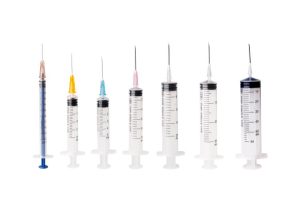
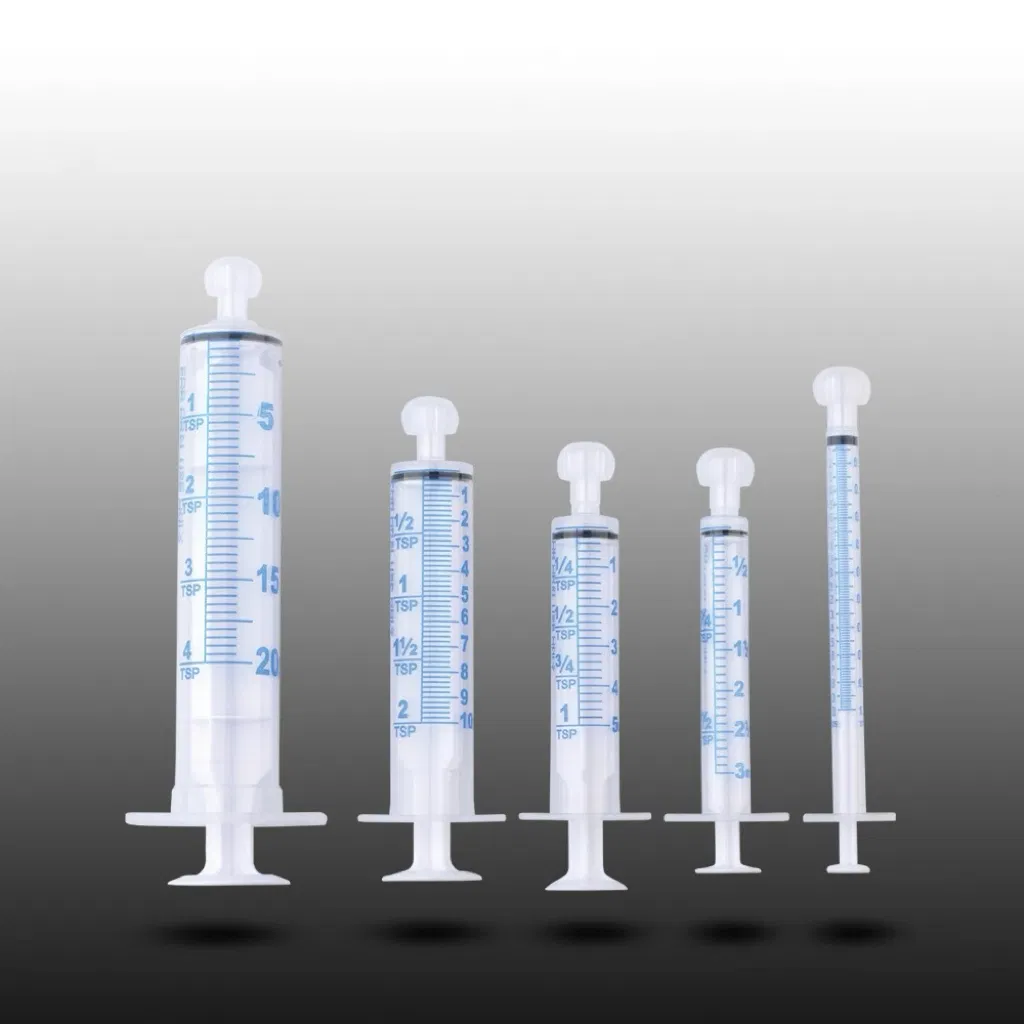
Quality animal feeding syringes come in comprehensive size ranges addressing diverse feline care requirements:
1ml Syringes: Perfect for neonatal kittens under two weeks old, precise medication dosing, and initial feeding attempts in severely debilitated cats. The fine graduations on these cat syringes enable 0.1ml accuracy essential for tiny patients.
3ml Syringes: Ideal for young kittens 2-4 weeks old, small medication volumes, and supplemental feeding in toy breed cats. This versatile size handles most routine feeding and medication tasks in small animal practice.
5ml Syringes: The workhorse capacity for adult cat feeding. These food syringes balance adequate volume with manageable size, allowing efficient meal delivery without overwhelming cats unaccustomed to syringe feeding.
10ml Syringes: Suited for larger cats, high-calorie formula delivery, and reducing feeding frequency in hospitalized patients. The larger barrel of these animal feeding syringes accommodates slightly thicker nutritional formulas without clogging.
20ml-35ml Syringes: Reserved for large breeds, gastrostomy tube feeding, or situations requiring maximum efficiency. While less common in routine cat care, these capacities prove invaluable for specific clinical applications.
Material Safety Considerations
Professional cat syringes distinguish themselves through medical-grade material construction:
Latex-Free Design: Cats show higher rates of latex sensitivity than many realize. Quality animal feeding syringes use synthetic rubber plungers, eliminating allergic reaction risks during repeated daily use over weeks or months of feeding therapy.
DEHP-Free Construction: Di(2-ethylhexyl) phthalate concerns have prompted veterinary professionals to specify DEHP-free food syringes for all applications involving kittens, breeding animals, or long-term feeding protocols. This plasticizer can leach into high-fat formulas, creating endocrine disruption risks.
BPA-Free Materials: Bisphenol A avoidance represents another material safety consideration. Premium cat syringes manufactured from BPA-free polypropylene address these concerns, particularly important in reproductive medicine and pediatric applications.
Precision Engineering Features
The difference between consumer-grade and professional animal feeding syringes becomes apparent in daily use:
O-Ring Plunger Seals: Precision-crafted O-ring plungers create positive seals preventing formula leakage during administration. Inferior food syringes with poor seals waste expensive nutritional formulas and create inconsistent delivery, frustrating caregivers and patients alike.
Graduated Markings: Clear, permanent barrel graduations enable accurate volume measurement even after repeated cleaning cycles. Professional cat syringes maintain marking legibility through hundreds of uses, unlike consumer products where markings fade rapidly.
Thumb Control Rings: This ergonomic feature transforms feeding procedures. The control ring on quality animal feeding syringes allows precise plunger advancement with one hand while the other hand stabilizes the cat’s head—essential for solo practitioners managing fractious patients.
Tip Cap Protection: Included protective caps on professional food syringes maintain tip cleanliness between uses and prevent damage during storage. This simple feature extends equipment lifespan significantly.
Proper Syringe Feeding Techniques for Cats
Preparation Protocol
Success begins before the syringe touches your cat:
Formula Temperature: Warm formula to body temperature (100-102°F). Cold formula delivered through cat syringes causes gastric upset and increases rejection behavior. Test temperature on your wrist before drawing into the syringe.
Syringe Selection: Choose appropriate capacity animal feeding syringes based on total meal volume. Using a 20ml syringe for a 5ml feeding creates unnecessary bulk and difficulty. Match equipment to task.
Formula Consistency: Strain formulas thoroughly before drawing into food syringes. Even small particles can clog syringe tips or cause cats to choke during administration.
Equipment Inspection: Before each use, examine cat syringes for cracks, plunger damage, or seal wear. Compromised equipment fails during critical moments, potentially harming your cat and wasting formula.
Administration Technique
Proper technique minimizes stress and maximizes success:
Patient Positioning: Position cats in natural eating posture—sitting or standing, never on their back. Lateral positioning invites aspiration. Support the head gently without hyperextending the neck.
Syringe Placement: Insert the animal feeding syringe tip into the side of the mouth, behind the canine teeth. Never aim straight back toward the throat. Angle slightly toward the cheek pouch.
Delivery Rate: Depress the plunger slowly, giving your cat time to swallow between small amounts. Professional food syringes with smooth plunger action enable this controlled delivery. Rapid squirting causes choking and aspiration.
Volume Limits: Never exceed 5ml per swallow in adult cats, less in kittens. Divide larger meals into multiple smaller administrations using appropriately sized cat syringes.
Swallowing Verification: Watch for the swallowing reflex before delivering more formula. If formula runs from the mouth, you’re administering too quickly or the cat isn’t swallowing properly.
Post-Feeding Care
Proper equipment maintenance ensures continued performance:
Immediate Cleaning: Rinse animal feeding syringes immediately after use. Formula residue hardens rapidly, making subsequent cleaning difficult and potentially damaging plunger seals.
Thorough Washing: Disassemble syringes completely, wash all components with warm soapy water, and rinse thoroughly. Pay special attention to plunger O-rings where formula can accumulate.
Drying Protocol: Allow food syringes to air dry completely before storage. Moisture trapped in assembled syringes encourages bacterial growth and can degrade plunger materials.
Regular Replacement: Even quality cat syringes wear with repeated use. Replace syringes when you notice plunger resistance, seal degradation, or marking wear—typically every 3-6 months with daily use.
Selecting Nutritional Formulas for Syringe Feeding
Commercial Recovery Diets
Prescription recovery formulations offer convenience and complete nutrition:
High Caloric Density: Concentrated formulas reduce administration volume, crucial when using smaller cat syringes. Products like Hill’s a/d and Royal Canin Recovery provide maximum calories per ml.
Appropriate Viscosity: Premium recovery diets flow smoothly through animal feeding syringes without clogging while maintaining adequate thickness to prevent aspiration. This balance is critical for safe administration.
Complete and Balanced: These formulations eliminate guesswork about nutritional adequacy. Measure accurately with graduated food syringes to ensure prescribed caloric intake.
Homemade Formulas
Some situations call for home-prepared options:
Protein Base: Blend cooked chicken or turkey with warm water to create appropriate consistency. Strain thoroughly before drawing into cat syringes to prevent clogging.
Supplementation: Homemade formulas require taurine supplementation, essential for feline cardiac health. Measure supplements precisely using 1ml animal feeding syringes to ensure accurate dosing.
Consistency Testing: Test homemade formulas by drawing into food syringes before patient administration. Adjust water content if formula is too thick to flow smoothly or too thin to control.
Tube Feeding Applications
When Syringes Connect to Feeding Tubes
Advanced nutritional support often requires feeding tube placement:
Nasogastric Tubes: Short-term feeding access for cats unwilling or unable to eat. Connect appropriate cat syringes to tube hubs, delivering formula slowly to prevent gastric distension.
Esophagostomy Tubes: Medium-term feeding solution offering larger bore access. Use 10-20ml animal feeding syringes for efficient delivery while maintaining patient comfort.
Gastrostomy Tubes: Long-term nutritional support directly into the stomach. Larger capacity food syringes (20-60ml) enable complete meal delivery with fewer administrations, reducing handling stress.
Connector Compatibility
Modern feeding tubes utilize standardized connectors preventing dangerous misconnections:
ISO80369-3 Compliance: Professional cat syringes feature connectors meeting this international standard. The design prevents accidental connection to IV lines—a potentially fatal error.
Secure Attachment: Quality animal feeding syringes lock firmly to feeding tubes without leaking, essential for maintaining sterility and preventing formula waste during administration.
Low Dead Space: Premium food syringes in smaller capacities incorporate design features minimizing residual volume in connectors, ensuring accurate dosing of expensive or concentrated formulas.
Troubleshooting Common Feeding Challenges
Cat Refuses Syringe Feeding
Patient resistance represents the most common obstacle:
Gradual Introduction: Let cats smell and lick formula from the cat syringe tip before attempting feeding. This positive association reduces resistance.
Smaller Volumes: Reduce per-feeding amounts delivered through animal feeding syringes but increase frequency. Five 3ml feedings prove easier than two 8ml sessions for resistant cats.
Formula Temperature: Verify warmth—cold formula from food syringes tastes unpleasant and causes gastric discomfort, increasing rejection behavior.
Technique Adjustment: Ensure proper syringe placement and slow delivery. Rushing or poor positioning with cat syringes creates negative experiences making subsequent feedings more difficult.
Formula Clogging Issues
Thick formulas or inadequate cleaning causes syringe clogging:
Consistency Management: Dilute formula slightly or strain more thoroughly before loading into animal feeding syringes. Prevention is easier than clearing clogs mid-feeding.
Larger Capacity Selection: Switch to slightly larger food syringes with wider tip openings when using thicker formulas. The 10ml size often flows better than 5ml with identical formula.
Equipment Maintenance: Thoroughly clean cat syringes immediately after each use. Formula residue creates clogs and degrades plunger seals over time.
Aspiration Prevention
The most serious feeding complication requires vigilant prevention:
Patient Positioning: Never feed cats lying on their side or back. Use animal feeding syringes only when cats are upright in natural positions.
Controlled Delivery: Slow plunger advancement with quality food syringes prevents overwhelming the swallowing reflex. One small amount per swallow prevents aspiration.
Volume Monitoring: Respect anatomical limits using appropriately sized cat syringes. Large volumes delivered rapidly exceed swallowing capacity, forcing formula into airways.
Building Your Feeding Syringe Inventory
Professional pet care providers maintain comprehensive cat syringe collections:
Multiple Capacities: Stock 1ml, 3ml, 5ml, 10ml, and 20ml animal feeding syringes covering neonatal through large adult cat requirements.
Adequate Quantities: Maintain multiple syringes per capacity, allowing proper cleaning cycles without rushing or reusing inadequately cleaned equipment.
Replacement Planning: Budget for regular food syringe replacement. Using worn equipment compromises accuracy and patient safety.
Storage Organization: Store cat syringes in clean, dry containers organized by capacity. Quick access during emergencies prevents fumbling with wrong sizes.
Why Equipment Quality Matters
The difference between economy and professional-grade animal feeding syringes becomes apparent through daily use. Inferior products feature plungers that stick, seals that leak, and markings that fade. These failures waste expensive formula, frustrate caregivers, and potentially harm patients through inaccurate dosing or aspiration from uncontrolled delivery.
Professional cat syringes maintain consistent performance through hundreds of feeding cycles. Precision-engineered O-ring plungers create reliable seals. Medical-grade materials resist degradation from repeated cleaning and diverse formulas. Clear, permanent graduations ensure dosing accuracy throughout the product’s lifespan.
For pet care professionals committed to excellent feline nutrition support, equipment quality is not negotiable—it’s foundational to patient safety and treatment success.
Professional Manufacturing Standards
Kohope specializes in producing medical-grade animal feeding syringes designed specifically for demanding veterinary and professional pet care applications. Our comprehensive range from 1ml to 100ml addresses every feline feeding requirement, from premature kittens to large breed cats requiring nutritional support.
Each Kohope cat syringe features precision-crafted O-ring plungers ensuring positive seals and consistent performance across thousands of feeding cycles. Our ISO80369-3 compliant connectors provide secure, safe attachment to feeding tubes while preventing dangerous misconnections. Latex-free, DEHP-free, and BPA-free construction addresses all material safety concerns relevant to sensitive feline patients and long-term feeding protocols.
As a dedicated manufacturer serving veterinary professionals and pet care specialists worldwide, Kohope provides not just premium food syringes, but comprehensive technical support, bulk procurement programs, and the quality assurance documentation supporting professional practice standards. Our commitment to manufacturing excellence ensures that every syringe meets the exacting requirements of modern feline nutritional medicine.
Conclusion
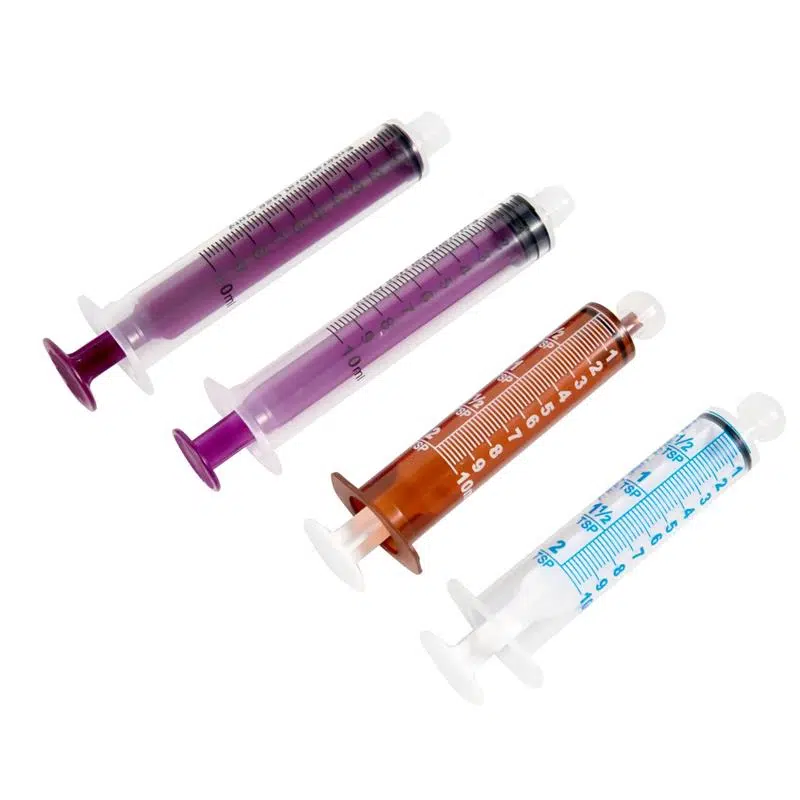
Successful cat feeding requires more than just formula and patience—it demands professional-quality cat syringes engineered for safety, accuracy, and reliability. Whether managing orphaned kittens, supporting post-surgical recovery, or maintaining nutrition in chronically ill cats, the right animal feeding syringes transform challenging situations into manageable care routines. By understanding proper equipment selection, mastering administration techniques, and maintaining quality standards, pet care professionals provide their feline patients the nutritional support essential for health and recovery.