Introduction: Why the 3ml Syringe Matters in Medical Procurement
In global medical procurement, the 3ml syringe is one of the most widely used dosing tools due to its balance between precision and capacity. It is commonly selected for clinical injection, medication delivery, and laboratory procedures where accurate small-volume control is required.
Table of Contents
- What Is a 3ml Syringe and Why It Is Widely Used in Clinical Practice?
- 3ml Syringe Luer Lock vs. Luer Slip: Key Structural Differences
- Why Sterile Disposable Syringes Are the Global Medical Standard
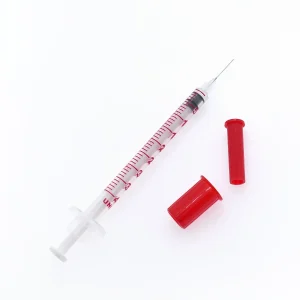
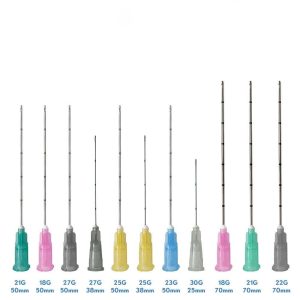
- 3ml Syringe Compatibility with Insulin Syringe and Hypodermic Needle Systems
- Key Specifications Procurement Teams Should Evaluate Before Buying
- Application Scenarios: Hospitals, Clinics, Laboratories, and Vaccination Programs
- How to Source 3ml Syringes Directly from a China Factory Manufacturer
- Sterilization, Safety, and Compliance Standards Buyers Must Verify
- OEM & Private Label Syringe Manufacturing for Global Brands
- Frequently Asked Questions (FAQ)
1. What Is a 3ml Syringe and Who Uses It?
A 3ml syringe is a standard low-to-medium volume, single-use medical device designed for the precise measurement, transfer, and administration of liquid medications. It typically allows controlled dosing in fine increments, making it suitable for clinical procedures that require both accuracy and operational stability. Its balanced capacity makes the 3ml syringe one of the most commonly used formats in modern healthcare systems.
The 3ml syringe plays an essential role across multiple professional fields. In clinical environments, it is widely used for subcutaneous, intradermal, and intramuscular injections, especially when small-to-medium dosage accuracy is required. Hospitals and pharmacies rely on the 3ml syringe for medication preparation, dilution, and controlled drug administration. Laboratory professionals use it for reagent handling, sample transfer, and diagnostic procedures that require consistent precision. Veterinary clinics also depend on the 3ml syringe for treating small to medium animals where dosage control is critical. In addition, pharmaceutical production and cosmetic industries utilize the 3ml syringe for controlled filling and dispensing of liquids, gels, and active formulations.
Because of its versatility, demand for the 3ml syringe remains strong across the global medical supply chain. Procurement teams, distributors, and healthcare buyers in Europe, North America, and other international markets increasingly source from certified Chinese manufacturers to achieve a balance of cost efficiency, regulatory compliance, and stable large-scale supply.
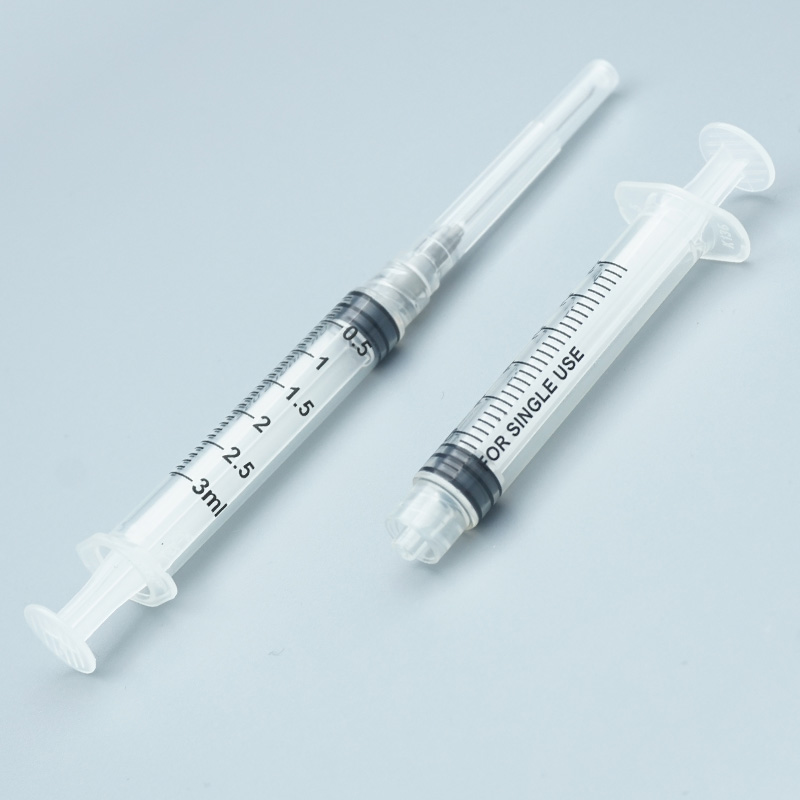
2. 3ml Syringe Luer Lock vs. Luer Slip: Which Should You Choose?
When specifying a 3ml syringe, one of the most important technical decisions for procurement teams is the selection of the tip connection system. The two industry-standard options—Luer Lock and Luer Slip (Luer Taper)—are both widely used in clinical environments, but they serve different operational requirements and safety levels.
Luer Slip syringes rely on a friction-fit connection between the syringe tip and the needle hub. This design allows for fast assembly and efficient workflow in routine medical procedures where injection pressure is relatively low. It is commonly used in general clinical applications where speed and simplicity are prioritized. However, under higher pressure conditions or when working with viscous medications, the friction-fit structure may present a higher risk of loosening or accidental disconnection.
In contrast, Luer Lock syringes use a threaded locking mechanism that secures the needle or connector with a simple twist-and-lock action. This structural design significantly improves connection stability and is widely preferred in professional healthcare settings.
Key advantages of 3ml Luer Lock syringes include:
- Secure threaded locking prevents accidental needle detachment during injection
- Maintains stable performance under higher injection pressure and viscous fluid delivery
- Reduces leakage risk during medication administration and fluid transfer
- Improves operational safety in repeated handling procedures
- Ensures broad compatibility with needles, stopcocks, and medical tubing systems
For most procurement scenarios—especially in hospitals, pharmaceutical manufacturing, and laboratory environments—the 3ml Luer Lock syringe is considered the preferred specification. Although it may have a slightly higher unit cost compared to Luer Slip designs, the improved safety, stability, and clinical reliability typically justify the difference.
Technical-grade 3ml Luer Lock syringes, such as those supplied by factory manufacturers like Kohope, are produced using precision-molded medical polypropylene components and designed to meet international compatibility standards (such as ISO 80369 systems), ensuring reliable integration with global medical devices including hypodermic needles and extension systems.
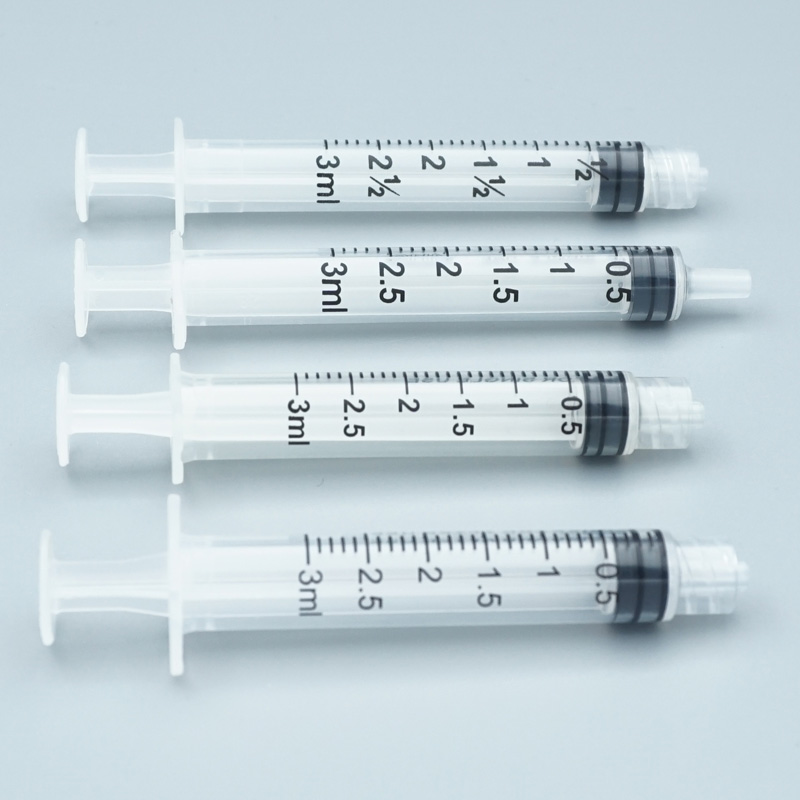
3. Why Disposable Sterile Syringes Are the Industry Standard
The transition from reusable injection tools to disposable sterile syringes represents a major advancement in modern infection control and patient safety. Today, single-use syringes are widely required or strongly recommended by global health authorities, including the WHO, FDA regulatory frameworks, and CE medical device compliance systems. This standard applies across hospitals, clinics, laboratories, and pharmaceutical workflows.
For a 3ml syringe, which is commonly used in precise dosing applications such as injections, medication administration, and clinical sampling, sterility is not optional—it is a fundamental safety requirement.
The Sterility Assurance Process
A properly manufactured disposable sterile 3ml syringe undergoes a validated ethylene oxide (EO) sterilization process after final assembly and packaging. EO gas penetrates sealed packaging and eliminates microbial contamination, achieving a Sterility Assurance Level (SAL) of 10⁻⁶, which is the internationally accepted benchmark for sterile medical devices.
Key Sterility Assurance Factors for Buyers
Procurement teams evaluating 3ml syringe suppliers should verify the following critical quality indicators:
- Individual sterile packaging to maintain contamination-free use until opening
- Clearly defined expiration dates to ensure validated shelf life stability
- Batch traceability records linked to sterilization cycles
- EO residual compliance testing to meet international safety limits
- Packaging integrity validation to ensure seal strength and leakage resistance
These factors are essential for ensuring compliance with hospital procurement standards and international regulatory requirements.
Single-Use Compliance in Clinical Practice
Global healthcare systems enforce strict single-use policies for syringes to reduce the risk of cross-contamination and infection transmission. A 3ml syringe is designed as a single-use medical device, ensuring it cannot be safely reused after one clinical application.
For procurement organizations, this also impacts overall cost structure, including waste disposal systems and biomedical safety compliance processes. However, sourcing from certified factory manufacturers can significantly reduce unit costs while maintaining full sterility compliance and quality consistency.
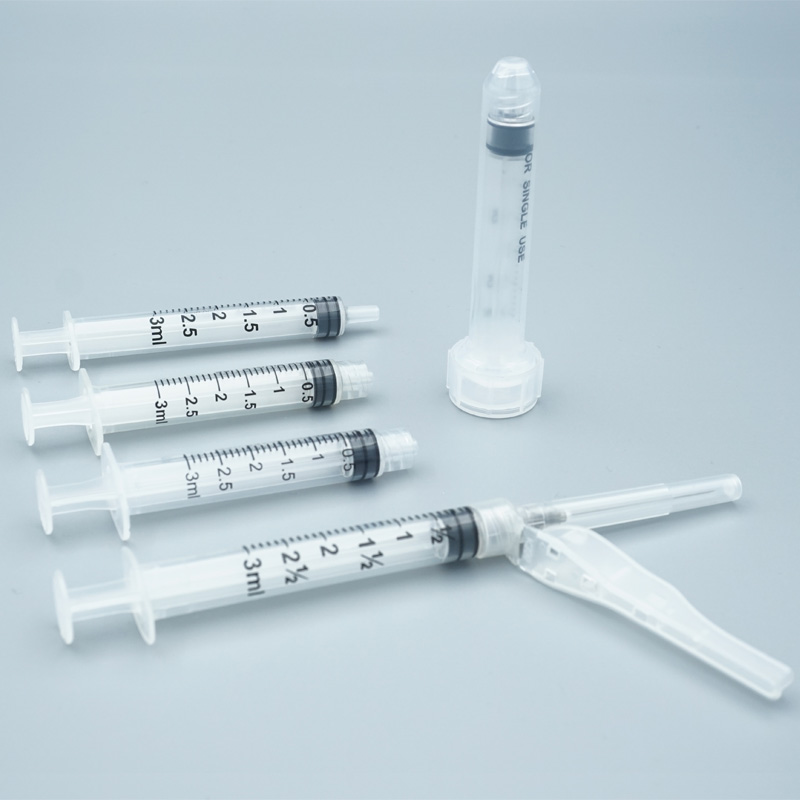
4. The Case for No Needle Syringes in Clinical and Industrial Settings
A no needle 3ml syringe—supplied without a pre-attached needle—is not a simplified or lower-cost alternative. Instead, it is a deliberate procurement specification widely used across medical, laboratory, veterinary, and industrial supply chains where flexibility, safety, and downstream configuration control are required.
Why Supply 3ml Syringes Without a Needle?
Flexibility of configuration:
A no needle syringe allows end users to select the most appropriate needle gauge, blunt cannula, or connector based on the application. In laboratory research, pharmaceutical production, and clinical preparation workflows, the same 3ml syringe barrel may be paired with different delivery systems depending on the procedure. This modular approach improves operational adaptability and inventory efficiency.
Improved handling and logistics safety:
Syringes supplied without needles significantly reduce the risk of accidental needlestick injuries during packaging, storage, and transportation. For global distribution networks, especially air freight and bulk export shipments, this configuration improves occupational safety compliance and simplifies handling procedures.
Cross-industry usability:
Not all applications of a 3ml syringe involve injections. A large proportion of usage occurs in non-injection environments such as oral medication delivery, laboratory reagent transfer, veterinary dosing, cosmetic formulation, and industrial fluid dispensing. In these scenarios, the syringe functions primarily as a precision liquid measurement and transfer tool rather than an injection device.
Regulatory and procurement flexibility:
In many regulatory frameworks, syringes supplied without needles are categorized separately from assembled syringe-needle systems. This can simplify import documentation, reduce regulatory complexity, and provide greater flexibility for cross-border distribution and resale.
Factory-Configured Sterile Supply Format
The 3ml no needle syringe supplied by manufacturers such as Kohope is delivered in EO-sterilized, individually sealed packaging. The Luer Lock or Luer Slip tip is protected with a sterile cap to maintain hygiene integrity until point of use. This allows end users to attach the appropriate hypodermic needle or connector based on clinical or industrial requirements.
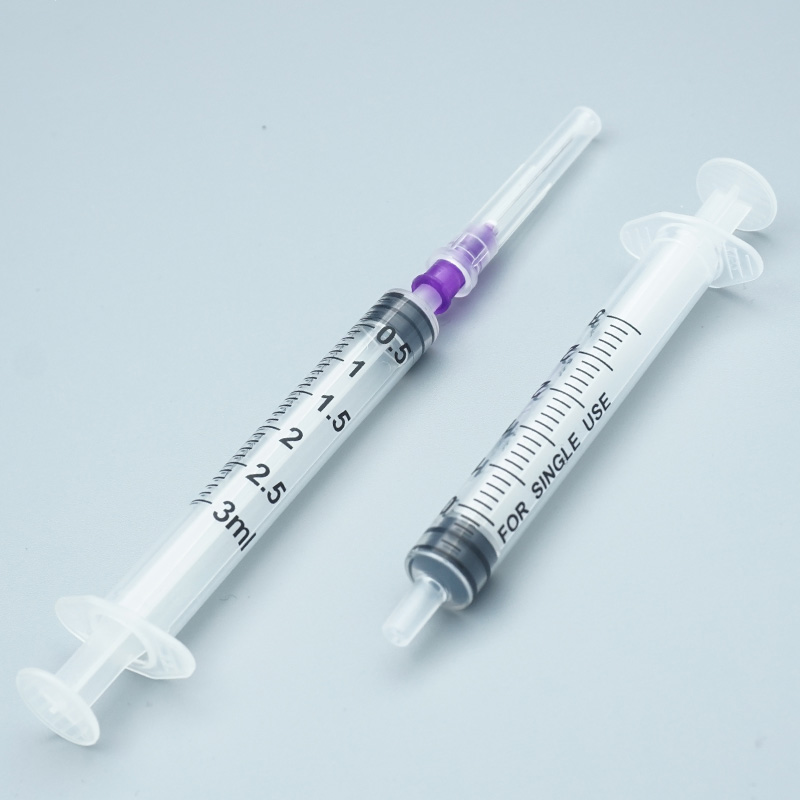
5. Key Specifications Procurement Teams Should Evaluate
When issuing a Request for Quotation (RFQ) for 3ml syringes, procurement teams should apply a standardized specification framework to ensure accurate supplier comparison and consistent product quality evaluation. In medical device sourcing, even minor variations in material composition, dimensional tolerance, or sterilization validation can significantly affect safety and performance outcomes.
Below is a professional procurement specification checklist for 3ml syringe sourcing:
- Barrel material: Medical-grade polypropylene (PP), compliant with ISO 10993 or USP Class VI biocompatibility standards
- Barrel clarity: High transparency for precise visualization of liquid volume
- Graduation accuracy: Permanent, high-contrast markings with 0.01–0.1 ml resolution
- Plunger stopper: Latex-free rubber or silicone gasket ensuring smooth motion and airtight sealing
- Tip type: Luer Lock (threaded) or Luer Slip depending on application requirements
- Needle configuration: No needle bulk supply or pre-attached hypodermic needle options available
- Sterilization method: EO sterilization with validated Sterility Assurance Level (SAL 10⁻⁶)
- Packaging format: Individual sterile blister packaging with peelable aseptic presentation
- Pack configuration: Standard 100 pcs/box; OEM packaging customization available
- Shelf life: Typically 3–5 years depending on validated sterilization cycle
- Certifications: CE, ISO 13485 quality system, FDA registration (market-dependent)
Standardizing these parameters in the RFQ process ensures procurement teams receive comparable quotations from different suppliers, avoiding hidden variations in material quality, sterilization level, or packaging integrity. This structured approach significantly reduces sourcing risk and improves supply chain reliability for 3ml syringe procurement programs.
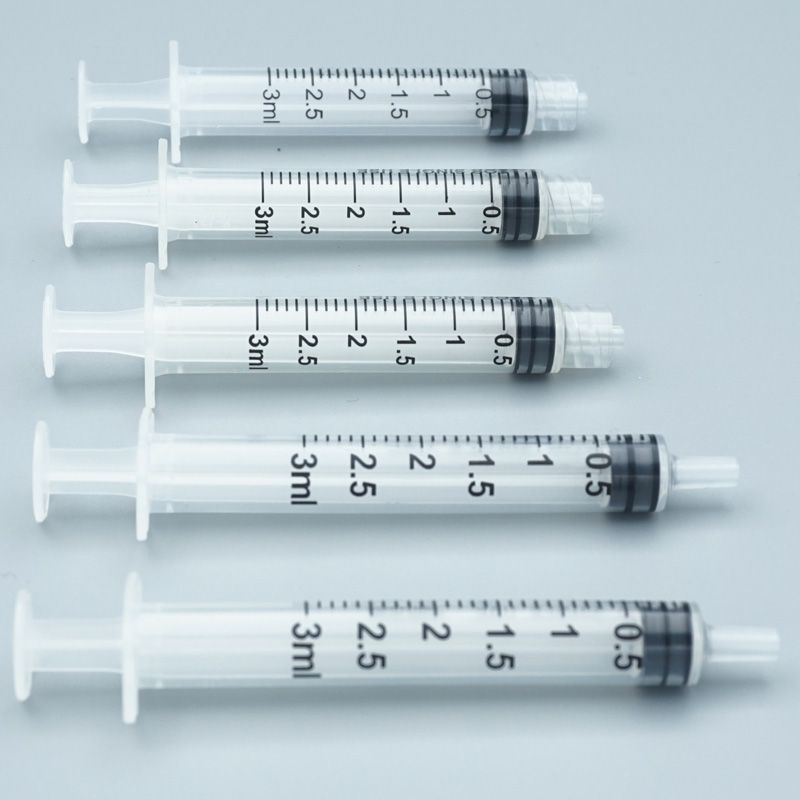
6. Application Scenarios: Medical, Laboratory, Veterinary, and Beyond
Understanding the wide application scope of the 3ml syringe is essential for procurement teams, as usage scenarios directly influence specification selection, packaging requirements, and long-term supply planning across different industries.
Clinical and Hospital Use
In clinical environments, the 3ml syringe is one of the most frequently used formats due to its balanced capacity and precise dosing control. Common applications include:
- Subcutaneous, intradermal, and intramuscular injections, including vaccine administration and routine medication delivery
- Medium-precision drug dosing where accurate volume control is required
- Diagnostic procedures requiring controlled fluid administration
- Post-injection flushing using saline or other sterile solutions
- Medication preparation and dilution in hospital pharmacy workflows
Compared with smaller-volume syringes, the 3ml syringe provides a broader dosing range while still maintaining high accuracy, making it suitable for general hospital use.
Research and Laboratory Applications
In laboratory and scientific environments, the 3ml syringe is widely used as a precision fluid handling tool across multiple workflows, including:
- Reagent transfer and chemical sampling in controlled environments
- Cell culture supplementation and laboratory fluid adjustment
- Sample handling for analytical instruments and testing procedures (with compatible needle configurations)
- Micro-volume liquid dispensing in experimental research workflows
Its compatibility with Luer Lock syringe and hypodermic needle systems makes it highly adaptable in both routine and specialized laboratory applications.
Veterinary Medicine
The veterinary sector represents a major application area for the 3ml syringe, especially in small and medium animal treatment. Common uses include:
- Medication delivery for cats, rabbits, and small to medium-sized dogs
- Vaccine administration in veterinary clinics and animal hospitals
- Subcutaneous fluid therapy for hydration support
- Post-operative care and controlled dosage treatments
Veterinary procurement teams typically value the 3ml syringe for its balance between dosage flexibility, handling safety, and ease of operation in repeated-use scenarios.
Industrial and Aesthetic Applications
Beyond healthcare, the 3ml syringe and no-needle configurations are widely used in industrial and cosmetic manufacturing environments, including:
- Precision dispensing of adhesives, resins, and bonding materials in electronics assembly
- Controlled application of chemical solutions, pigments, and testing reagents
- Cosmetic formulation development and skincare production processes
- Aesthetic medicine workflows involving micro-dosing and controlled fluid transfer
In these applications, the 3ml syringe functions primarily as a precision liquid measurement and dispensing tool rather than a traditional injection device.
Summary
The broad usage of the 3ml syringe across medical, laboratory, veterinary, and industrial sectors demonstrates its importance as a core consumable in global procurement systems. Its compatibility with insulin syringe, hypodermic needle, and Luer Lock syringe configurations further expands its usability, making it a versatile and high-demand product category for international buyers and distributors.
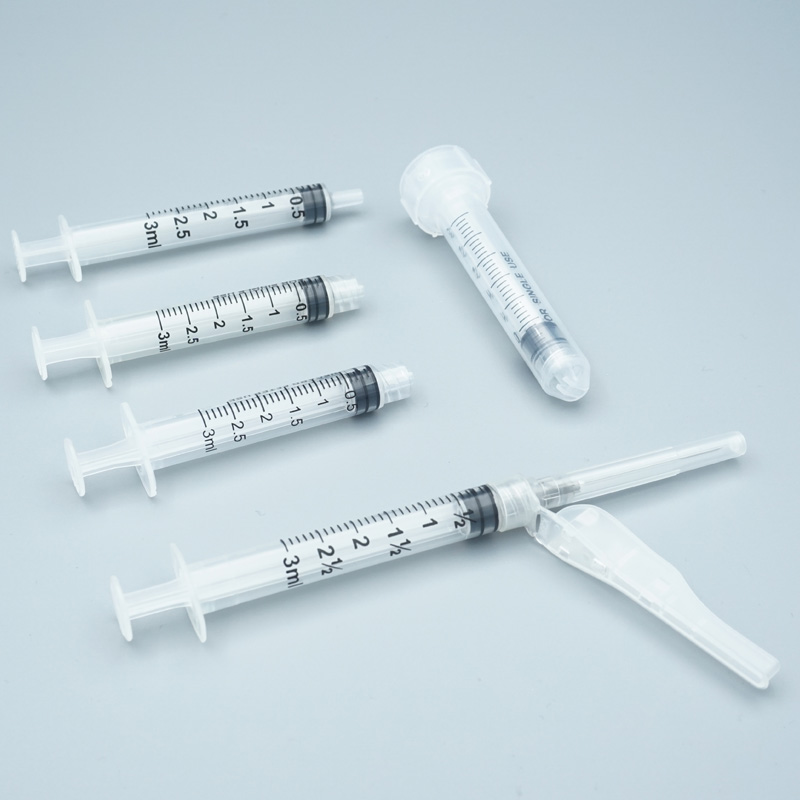
7. How to Source 3ml Syringes Factory-Direct from China
China is one of the world’s largest manufacturing hubs for disposable medical devices, including the 3ml syringe, supplying a significant share of global demand across hospitals, distributors, and healthcare procurement systems. For international buyers, understanding how to source directly from manufacturers is essential for optimizing cost efficiency, regulatory compliance, and supply chain stability.
The Factory-Direct Advantage
Purchasing 3ml syringes directly from a certified manufacturer—rather than through trading companies or intermediaries—provides several key advantages:
- Lower unit cost (15–30% savings) by eliminating multi-layer distributor margins
- Direct production visibility, allowing better control over lead times and shipment planning
- Full OEM/ODM customization, including barrel printing, graduation scale design, and packaging solutions
- Access to complete regulatory documentation, including EO sterilization reports and batch traceability records
- Faster technical communication, enabling direct coordination with engineering and production teams
For procurement departments, these benefits translate into improved cost control, reduced sourcing risk, and stronger long-term supply chain stability for 3ml syringe procurement programs.
What to Verify Before Placing a First Order
Before initiating bulk procurement from a 3ml syringe manufacturer in China, buyers should conduct structured supplier due diligence across the following areas:
- ISO 13485 certification – Confirm a valid medical device quality management system is in place
- CE certification (EU compliance) – Ensure Declaration of Conformity and related documentation are available
- Factory audit reports – Prefer third-party audits from SGS, TÜV, or Bureau Veritas within 12–24 months
- Sample evaluation process – Test syringe barrel clarity, plunger smoothness, and dimensional accuracy
- Production capacity – Verify monthly output aligns with forecasted demand for hospital or distributor supply
- Trade terms and logistics – FOB (Shanghai, Ningbo, or Shenzhen) is standard; CIF/DDP may be available depending on requirements
Supplier Capability and Compliance Assurance
A reliable 3ml syringe supplier must provide consistent documentation covering sterilization validation, batch traceability, and material compliance. This is especially important for regulated markets such as the EU, North America, and the Middle East.
Kohope Medical operates ISO 13485-certified manufacturing facilities in China and supplies 3ml disposable sterile syringes to global distributors and healthcare institutions. All products are available with CE certification and full regulatory documentation to support international procurement requirements, ensuring compliance and stable supply for long-term cooperation.
8. Certifications and Compliance: What Buyers Must Verify
Regulatory compliance is not a formality in medical procurement—it is a core manufacturing requirement that directly determines whether a 3ml syringe supply chain can pass hospital audits, regulatory inspections, and international import clearance.
For procurement teams, certifications are not just documentation; they function as a structured risk-control system that validates product safety, sterility assurance, and manufacturing consistency.
CE Mark (European Union)
For 3ml syringes entering the European market, CE marking is regulated under the Medical Device Regulation (EU MDR 2017/745).
Under this framework:
- Standard non-sterile syringes are typically classified as Class I devices
- Sterile 3ml syringes are classified as Class Is (sterile Class I) and require Notified Body involvement
For procurement verification, buyers should always request:
- Full Declaration of Conformity (DoC)
- Notified Body identification number (for sterile classification)
- Technical file reference and product classification details
These documents confirm that the 3ml syringe has been assessed under EU regulatory requirements and is legally eligible for distribution within the European market.
FDA Registration and US Market Compliance
For the United States, 3ml syringe manufacturers must comply with FDA regulatory requirements depending on product configuration and intended use.
Buyers should verify:
- FDA Establishment Registration of the manufacturing facility
- Device listing under relevant medical product categories
- Whether 510(k) clearance is required for specific sterile or assembled configurations
For hospital and clinical supply chains in the US, FDA verification is a critical step in procurement due diligence and import compliance assurance.
ISO 13485 Quality Management System
ISO 13485 is the globally recognized quality management system standard for medical device manufacturing.
For 3ml syringe production, ISO 13485 certification ensures controlled processes across:
- Raw material selection and traceability
- Injection molding and assembly control
- Sterilization validation (EO process control)
- Packaging integrity and sealing consistency
- Complaint handling and post-market surveillance
This certification forms the baseline requirement for participation in international medical procurement systems.
Additional Certifications and Technical Documentation
In addition to core regulatory approvals, professional buyers often require supporting validation documents for 3ml syringes, including:
- Third-party test reports (SGS, TÜV, Bureau Veritas) – independent verification of material safety and dimensional accuracy
- Latex-free certification – confirms suitability for allergy-sensitive clinical environments
- EO sterilization residual reports – ensure ethylene oxide levels comply with international safety limits
- Biocompatibility testing (ISO 10993) – confirms safe contact with human tissues and fluids
Compliance as a Procurement Risk Control System
For institutional buyers, compliance is not only a regulatory requirement but also a structured risk-mitigation framework that ensures stability across long-term procurement cycles of 3ml syringes.
A fully compliant supplier reduces risks related to:
- Customs clearance delays
- Hospital procurement rejection
- Regulatory audit failure
- Product liability exposure
In global healthcare supply chains, certification is ultimately what separates a commodity supplier from a qualified medical device manufacturer capable of supporting regulated international markets.
9. OEM and Private Label: Building Your Own Syringe Brand
For distributors, importers, and healthcare brands operating in competitive medical supply markets, OEM (Original Equipment Manufacturer) and private-label programs provide a strategic pathway to brand ownership without investing in manufacturing infrastructure.
In the 3ml syringe market, where core product structures are highly standardized, brand differentiation is primarily achieved through packaging design, labeling, and regulatory presentation rather than changes to the syringe body itself. This makes OEM development an effective strategy for building long-term market positioning and customer recognition.
Full OEM Manufacturing Capability
A qualified 3ml syringe manufacturer such as Kohope supports a complete OEM workflow covering product engineering, packaging customization, and regulatory documentation.
Barrel Customization
- Logo printing on syringe barrels using high-precision pad printing or laser marking
- Optional color-coded plungers for product line segmentation or volume identification
- Customized graduation markings for branding or market-specific positioning
Packaging Customization
- Fully customized sterile blister packaging and outer carton design
- Multilingual labeling for EU, US, and Middle East regulatory markets
- Integration of barcode, QR code, and batch traceability systems
- Flexible packaging formats for hospital bulk supply or retail distribution channels
Regulatory and Documentation Support
OEM programs for 3ml syringes require alignment with both branding and compliance standards. A professional supplier should support:
- Customized Instructions for Use (IFU) under client brand identity
- CE Declaration of Conformity support for private label structures (where applicable)
- Labeling review aligned with EU MDR and FDA regulatory requirements
- Batch traceability systems linked to customer-specific SKU structures
This ensures the final product is not only branded but also fully compliant for international distribution.
MOQ, Production, and Lead Time Structure
OEM programs for 3ml syringes typically follow structured manufacturing and commercial conditions:
- Minimum Order Quantity (MOQ): 50,000–100,000 units per specification
- Tiered pricing model: Lower unit cost at higher volume levels
- Sample approval stage: Pre-production samples required for final confirmation
- Production lead time: Approximately 45–60 days after sample approval
This structured workflow ensures production consistency, regulatory compliance, and reduced variation risk in large-scale medical supply chains.
Fast-Track Private Label Strategy
For new distributors entering the market, the most efficient approach is to start with a standard 3ml Luer Lock no-needle syringe specification and apply branding through packaging and labeling customization.
This strategy significantly reduces development time while still allowing strong brand differentiation in the market.
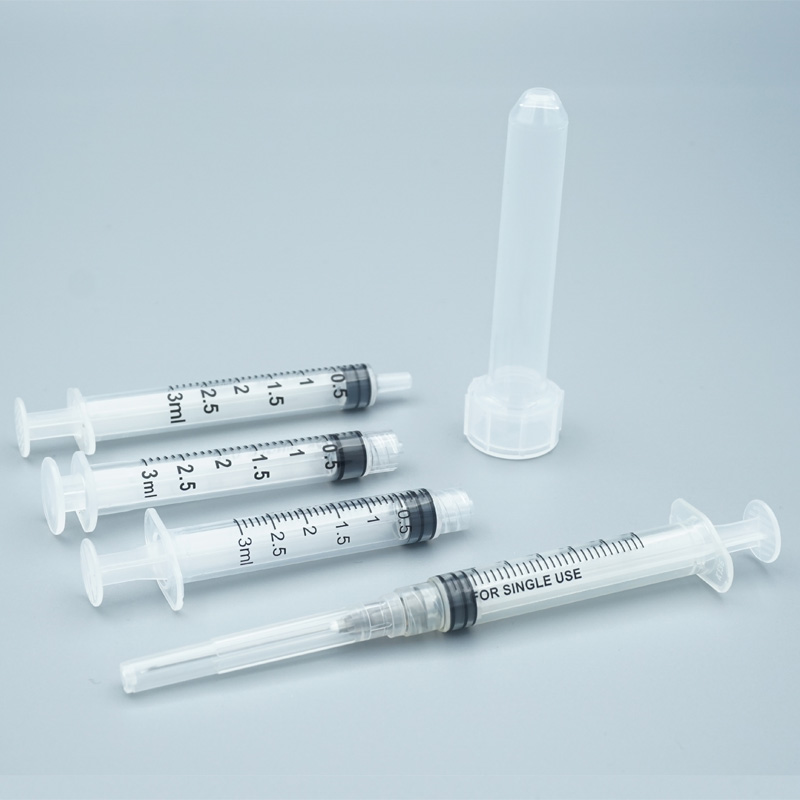
10. Frequently Asked Questions
Q: What is the difference between a 3ml syringe and a tuberculin syringe?
A: The term “tuberculin syringe” is a traditional clinical reference originally used for syringes calibrated in very fine increments (typically 0.01 ml), mainly associated with tuberculin skin testing. In modern medical procurement, a 3ml syringe refers to a higher-capacity low-volume syringe designed for broader clinical applications. While both may offer accurate dosing capability, the 3ml syringe provides a wider volume range and is more commonly used in general hospital, laboratory, and veterinary procedures.
Q: Can a 3ml Luer Lock syringe be used without a needle?
A: Yes. A 3ml Luer Lock syringe without a needle can be used with a protective cap or connected to blunt cannulas, tubing systems, stopcocks, or other Luer-compatible connectors. This configuration is widely used in laboratory fluid transfer, oral medication delivery, cosmetic formulation, and industrial dispensing applications where needle use is not required.
Q: What is the standard shelf life for an EO-sterilized 3ml syringe?
A: Most medical-grade EO-sterilized 3ml syringes have a validated shelf life of 3 to 5 years, depending on packaging materials, sterilization validation, and storage conditions. Shelf life is guaranteed only when the sterile blister packaging remains intact and undamaged throughout storage and transportation.
Q: What is the typical MOQ for factory-direct 3ml syringe orders?
A: For standard specifications, MOQ typically ranges from 10,000 to 50,000 units. For OEM or private-label 3ml syringe programs, minimum order quantities usually start from 50,000 to 100,000 units per specification, depending on customization requirements. Volume-based pricing is available for large institutional procurement projects.
Q: Are your 3ml syringes latex-free?
A: Yes. Our 3ml syringes are manufactured using medical-grade polypropylene barrels and latex-free rubber or silicone plunger stoppers. A formal latex-free declaration certificate can be provided upon request to support hospital procurement and regulatory documentation requirements.
Q: How can I request samples before placing a bulk order?
A: Buyers can request samples of our 3ml disposable sterile syringes by contacting our sales team at sales@kohope.com or submitting an inquiry through the product page. We strongly recommend sample evaluation before bulk procurement to verify performance, compatibility, and packaging specifications.
Summary: Why the 3ml Syringe Remains Indispensable
Across clinical, laboratory, veterinary, pharmaceutical, and industrial environments, the 3ml syringe remains one of the most consistently demanded disposable medical devices in the global healthcare supply chain. Its balance of precise dosing capability, medium-volume capacity, and universal Luer compatibility makes it a foundational consumable that procurement teams continuously source in large volumes across international markets.
For global buyers evaluating long-term supply chain stability, the combination of EO-sterilized disposable syringe compliance, Luer Lock syringe reliability, and hypodermic needle compatibility ensures that the 3ml syringe can meet a wide range of professional application requirements without compromising safety, sterility, or operational performance.
Whether used for clinical injections, medication administration, laboratory sample handling, veterinary treatments, or industrial precision dispensing, the 3ml syringe remains a core consumable product in regulated medical and non-medical environments worldwide.
Explore Kohope Product Range
👉 3ml Syringe – Insulin Syringe, Hypodermic Needle, Luer Lock Syringe
https://kohope.com/products/3ml-syringe-insulin-syringe-hypodermic-needle-luer-lock-syringe/
👉 3ml Syringe Size Overview
https://kohope.com/syringe-sizes/3ml-syringe/
Kohope Medical Devices Co., Ltd.
Room 1001, Building B, No. 2888 South Qilianshan Road
Shanghai 200331, China
Email: sales@kohope.com
Phone: +86-21-6083-6338
© 2026 Kohope Medical. All rights reserved.