
In modern healthcare facilities, the ability to administer multiple medications simultaneously has become not just a convenience but a clinical necessity. At the heart of this capability lies a deceptively simple yet revolutionary device: the y site iv infusion set. This article explores the remarkable journey of y administration set technology—from its innovative origins to its current status as an indispensable tool in hospitals worldwide—and examines the market forces shaping its future.
The Historical Development of Y Site IV Technology
Early Intravenous Therapy: The Single-Line Era (1940s-1960s)
Intravenous therapy itself dates back to the 17th century, but practical clinical application didn’t emerge until the 1940s. Early IV systems were rudimentary, featuring single-line setups that allowed only one fluid or medication at a time. When patients required multiple therapies, healthcare providers faced a difficult choice: either interrupt the primary infusion to administer another medication, or establish multiple IV access points—each carrying increased infection risks and patient discomfort.
This limitation became increasingly problematic as medical treatments grew more complex. Post-surgical patients needed pain management while receiving antibiotics. Critically ill patients required simultaneous administration of vasopressors, sedatives, and nutritional support. The medical community needed a solution that could deliver multiple therapies through a single venous access point.
The Birth of Y Site IV Innovation (1970s-1980s)
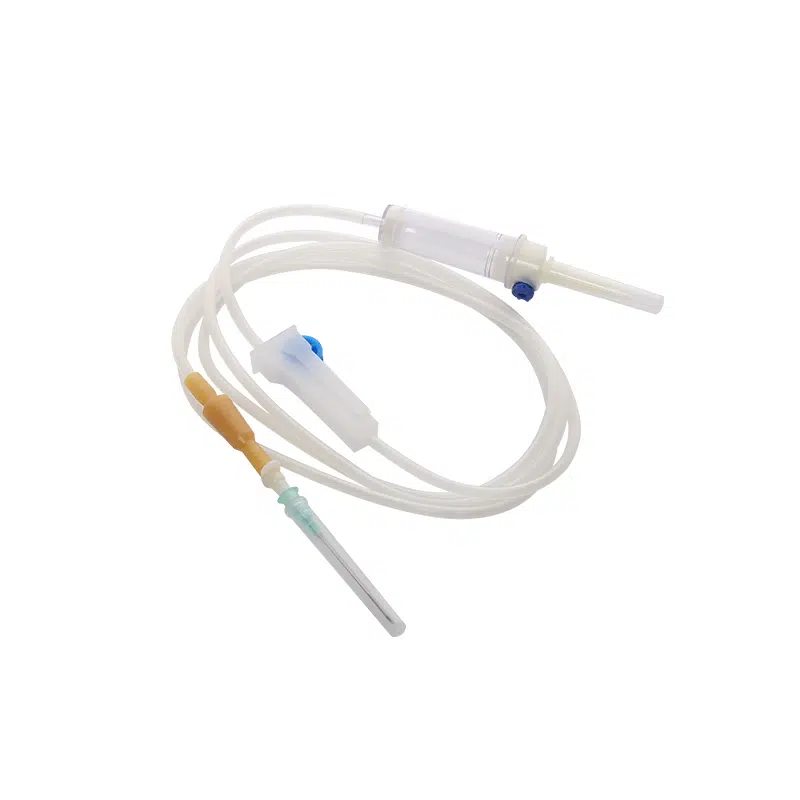
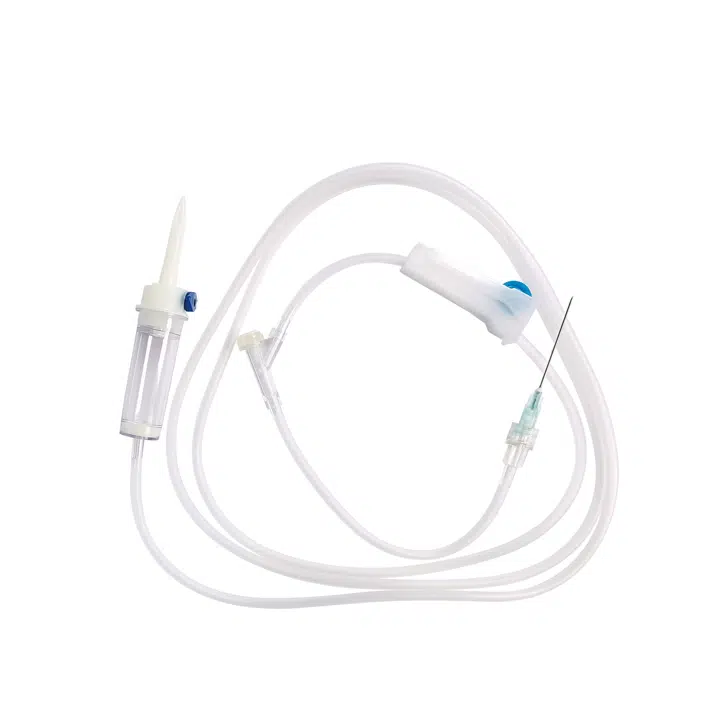
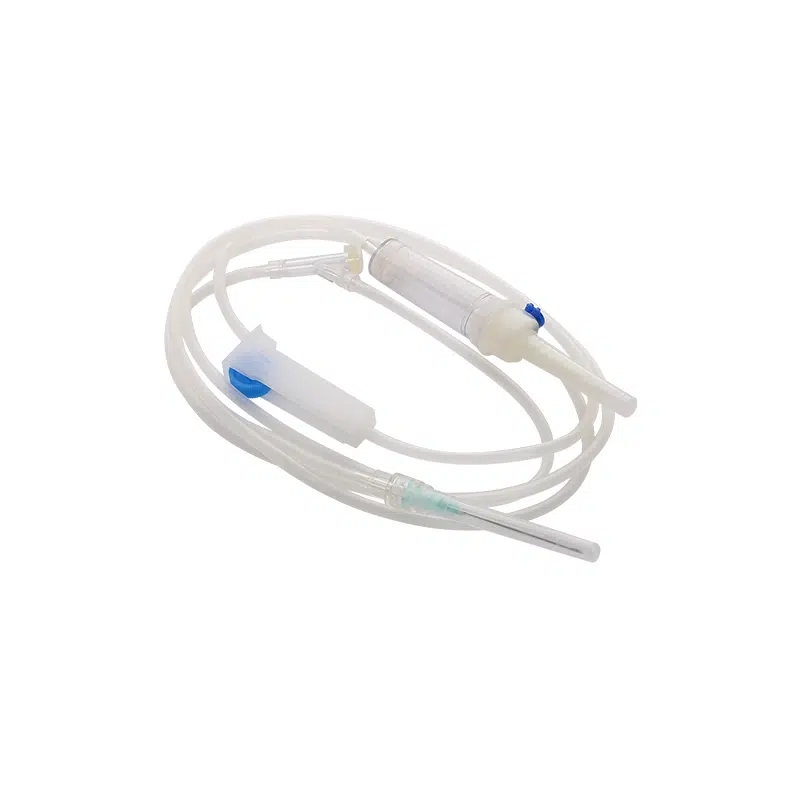
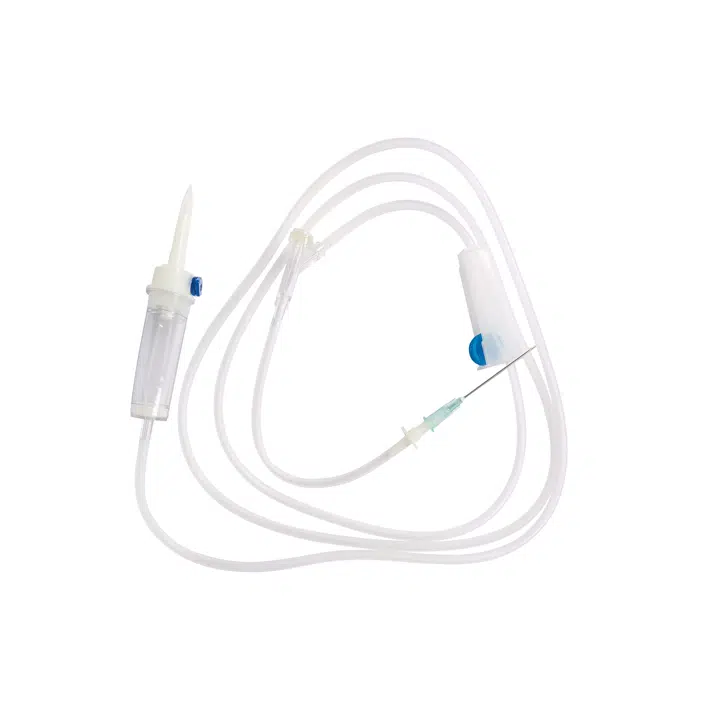
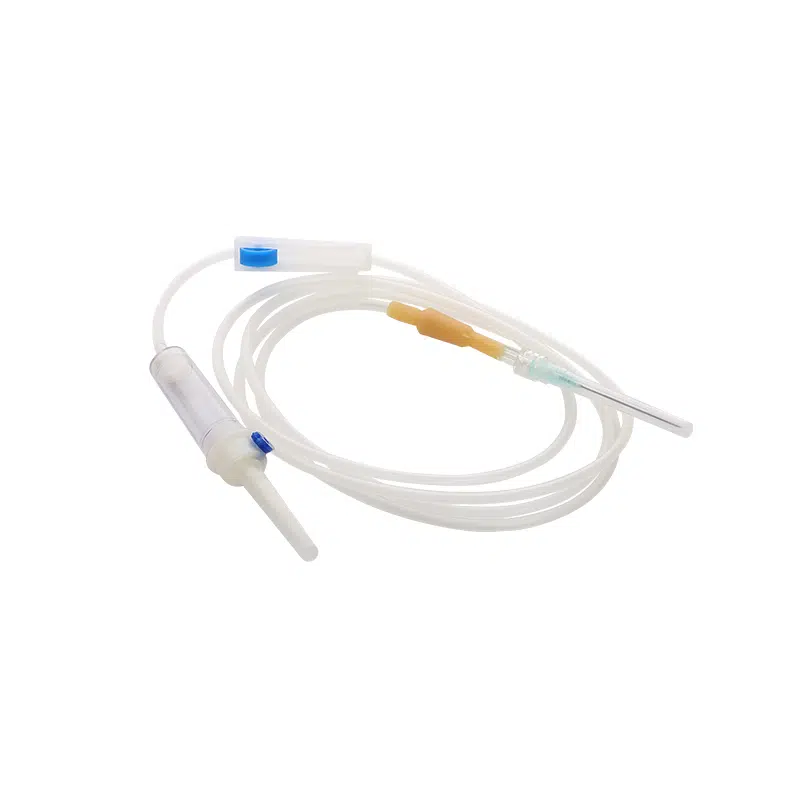
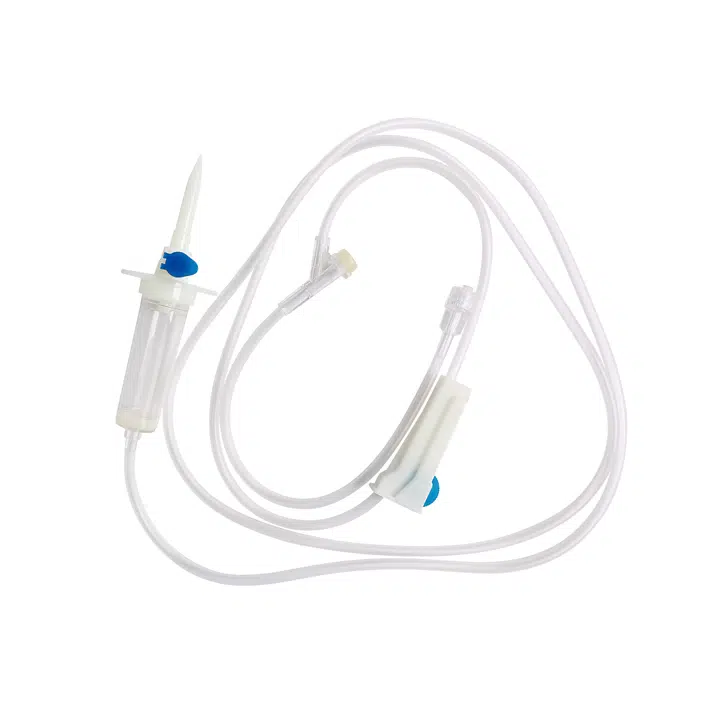
The breakthrough came in the 1970s when medical device engineers developed the y site iv administration concept. The design was elegantly simple: a Y-shaped connector integrated into IV tubing that created a secondary access point where additional medications could be introduced into the primary fluid stream.
Early y administration set designs faced significant challenges:
Material Compatibility Issues: Initial prototypes used materials that reacted with certain medications, causing precipitation or degradation of therapeutic agents. Engineers had to identify polymer compositions that remained inert across a wide pH range and chemical spectrum.
Flow Dynamics Problems: Achieving proper mixing at the Y-site junction without creating dead space (where medications could accumulate) or turbulent flow (which could damage delicate medications like insulin or chemotherapy agents) required sophisticated fluid dynamics calculations.
Sterilization Challenges: Ensuring the Y-site connector remained sterile while maintaining easy clinical access demanded innovations in manufacturing and packaging techniques.
By the mid-1980s, these technical hurdles had been largely overcome. Ethylene oxide (EO) gas sterilization became the gold standard, providing reliable sterility without leaving toxic residues. Medical-grade PVC and polyethylene materials offered the necessary chemical inertness and flexibility.
Standardization and Clinical Adoption (1990s-2000s)
The 1990s marked a turning point for y site iv technology as healthcare institutions began to recognize its profound impact on patient safety and clinical efficiency. Several factors accelerated adoption:
The Medication Safety Movement: High-profile medication error cases prompted healthcare organizations to scrutinize IV administration practices. The y administration set emerged as a safer alternative to disconnecting primary lines or establishing multiple IV access points—both practices associated with increased error rates.
Evidence-Based Practice: Clinical studies began documenting the benefits of Y-site administration. Research published in the American Journal of Health-System Pharmacy demonstrated that proper y site iv administration protocols reduced medication errors by 34% compared to traditional methods. Another landmark study in Critical Care Medicine showed that Y-site protocols decreased catheter-related bloodstream infections by 28% in ICU settings.
Regulatory Framework Development: The FDA and international regulatory bodies established specific standards for IV infusion devices. These guidelines mandated biocompatibility testing, sterility assurance, and performance specifications that professionalized the y administration set manufacturing industry.
Clinical Protocol Standardization: Major medical organizations, including the American Nurses Association and the Infusion Nurses Society, published comprehensive guidelines for y site iv use. These protocols addressed critical issues like drug compatibility checking, flushing procedures between incompatible medications, and proper clamping techniques during IV push administration.
Technological Refinement (2000s-Present)
The 21st century has seen continuous refinement of y site iv administration technology:
Needleless Systems: Traditional Y-sites required needle puncture, creating sharps injury risks for healthcare workers. Modern needleless connectors use mechanical valves that accept luer-lock syringes without needles, dramatically reducing occupational exposures to bloodborne pathogens.
Antimicrobial Materials: Advanced y administration set designs now incorporate antimicrobial agents like silver ions or chlorhexidine into the connector materials, providing an additional barrier against microbial contamination.
Smart Integration: Some contemporary systems feature RFID tags or barcode integration, allowing electronic medication administration record (eMAR) systems to verify correct medication delivery through the y site iv port.
Pediatric Specialization: Recognition that children aren’t simply “small adults” led to specialized y administration set designs with smaller priming volumes, more precise drip chambers, and specialized connectors suitable for neonatal and pediatric dosing requirements.
Clinical Applications: Where Y Site IV Technology Makes the Difference
Critical Care and Emergency Medicine
In intensive care units and emergency departments, y site iv administration has become absolutely essential. Consider a typical ICU patient scenario:
A septic shock patient requires simultaneous infusion of broad-spectrum antibiotics, norepinephrine for blood pressure support, sedation medications, and potentially insulin for glycemic control. Without y site iv technology, this would require four separate venous access points—multiplying infection risks, limiting available access sites, and complicating nursing care.
Emergency departments face similar challenges with added time pressure. When a trauma patient arrives, clinicians need immediate ability to administer blood products, antibiotics, pain medications, and resuscitation fluids. The y administration set enables rapid, flexible medication delivery without the delays associated with establishing multiple IV lines.
Critical care data underscores this importance: Studies indicate that the average ICU patient receives 4-7 different IV medications simultaneously. Approximately 78% of these patients would require additional central venous catheter lumens without y site iv technology—procedures that carry significant risks including pneumothorax, arterial puncture, and catheter-related infections.
Oncology and Chemotherapy Administration
Cancer treatment represents another domain where y site iv administration proves invaluable. Chemotherapy protocols often involve pre-medications (anti-nausea drugs, antihistamines), the cytotoxic agents themselves, and post-treatment supportive care—all delivered intravenously.
The y administration set allows oncology nurses to administer these sequential medications through a single peripheral IV or central line port. However, chemotherapy also highlights a critical consideration: drug compatibility. Many chemotherapy agents are highly reactive and cannot mix with certain other medications at the Y-site junction. This has driven the development of comprehensive drug compatibility databases specifically for y site iv administration.
Major cancer centers now employ clinical pharmacists dedicated to verifying Y-site compatibility before each chemotherapy infusion. This specialization has reduced chemotherapy-related adverse events attributed to drug incompatibility by an estimated 60% over the past decade.
Pediatric and Neonatal Care
Perhaps nowhere is y site iv technology more critical than in pediatric medicine. Children’s smaller circulating blood volumes mean that fluid overload becomes a concern much more quickly than in adults. The ability to deliver multiple medications through a single IV line—rather than running several lines that each contribute to total fluid intake—can be literally life-saving.
Neonatal intensive care units (NICUs) present extreme challenges. Premature infants may weigh less than 500 grams and have blood volumes measured in milliliters rather than liters. Every milliliter of IV fluid matters. A y administration set designed for neonatal use features minimal dead space and micro-drip chambers calibrated for the tiny volumes these patients require.
Pediatric protocols for y site iv administration are particularly stringent. The Institute for Safe Medication Practices reports that children face higher risks from medication errors than adults, making proper Y-site technique—including meticulous flushing between incompatible drugs—even more critical.
Surgical and Anesthesia Applications
Operating rooms rely heavily on y administration set technology for anesthesia maintenance. Anesthesiologists typically run a primary crystalloid infusion while using the y site iv port to administer anesthetic agents, paralytics, vasopressors, and other medications as needed during surgery.
The advantage extends beyond convenience. During critical moments in surgery—when a patient’s blood pressure drops suddenly or when the surgical team requests deeper anesthesia—the ability to immediately push medications through the Y-site without interrupting the primary infusion can be crucial.
Post-operative care similarly benefits. Surgical patients recovering in post-anesthesia care units (PACU) often require pain medications, antiemetics, and antibiotics while receiving maintenance fluids. The y site iv administration approach allows nurses to manage these multiple needs efficiently while minimizing patient discomfort from multiple IV sticks.
The Drug Compatibility Challenge: The Achilles Heel of Y Site IV Administration
While y administration set technology offers tremendous benefits, it also introduces a significant clinical risk: drug incompatibility at the Y-site mixing point.
Understanding Drug Incompatibility
When two medications meet at the y site iv junction, they may undergo physical or chemical reactions:
Physical Incompatibility: Medications may precipitate, forming visible particles or crystals. For example, mixing phenytoin (an anti-seizure medication) with dextrose solutions causes immediate precipitation. If these particles enter the bloodstream, they can cause emboli, potentially leading to stroke or pulmonary complications.
Chemical Incompatibility: Medications may chemically react, degrading one or both drugs and reducing therapeutic effectiveness. Some reactions occur immediately; others develop over minutes or hours. Certain antibiotics lose potency when mixed with solutions outside their optimal pH range.
Therapeutic Incompatibility: Even without visible precipitation or chemical degradation, some drug combinations produce unwanted pharmacological effects. While not strictly a y site iv compatibility issue, it represents a related concern when multiple medications mix.
The Clinical Impact of Compatibility Errors
Research published in the Journal of Patient Safety found that drug incompatibility through y site iv administration accounts for approximately 12% of preventable adverse drug events in hospitals. The consequences range from treatment failure (when medications are inactivated) to serious patient harm from embolic events or toxic reactions.
High-risk scenarios include:
Heparin Incompatibility: This anticoagulant is incompatible with numerous medications including many antibiotics, making it standard practice in many institutions to dedicate one IV lumen exclusively to heparin—it should never be administered via y administration set with other drugs.
Parenteral Nutrition: Total parenteral nutrition (TPN) solutions are complex mixtures notoriously incompatible with most medications. Guidelines typically prohibit using y site iv ports on TPN lines for other drug administration.
Chemotherapy Agents: Many cytotoxic drugs have limited compatibility profiles, requiring careful verification before y site iv administration with other medications.
Solutions and Safeguards
Healthcare institutions have developed multiple strategies to mitigate compatibility risks:
Comprehensive Databases: Resources like the Handbook on Injectable Drugs by Lawrence Trissel provide extensive Y-site compatibility data based on laboratory testing and published research. Many hospitals subscribe to electronic databases integrated into their pharmacy systems.
Clinical Decision Support: Advanced electronic health record (EHR) systems now feature real-time alerts when clinicians order medications with known y site iv incompatibilities. These systems can suggest alternative administration routes or timing to avoid problematic mixtures.
Flushing Protocols: When incompatible medications must be given sequentially through the same y administration set, evidence-based flushing protocols prevent mixing. Typical practice involves flushing with 5-10 mL of normal saline between incompatible drugs, though specific volumes depend on the tubing dead space.
Education and Training: Recognizing that frontline nurses make moment-to-moment decisions about y site iv administration, healthcare organizations invest heavily in education. Simulation training allows nurses to practice proper Y-site technique, compatibility checking, and emergency responses to incompatibility reactions.
Market Analysis: The Global Y Site IV Infusion Set Industry
Current Market Size and Segmentation
The global market for y administration set and related IV infusion devices has experienced substantial growth over the past decade. According to medical device market research firms, the IV infusion disposables segment—which includes y site iv sets—reached approximately $4.2 billion in global sales in 2024.
Geographic Distribution:
North America represents the largest market, accounting for roughly 38% of global y site iv sales. The United States dominates this segment due to high healthcare spending, widespread adoption of advanced medical technologies, and stringent infection control standards that favor single-use disposable devices.
Europe follows with approximately 28% market share. Countries like Germany, the UK, and France have well-established healthcare infrastructure and strong regulatory frameworks promoting medical device safety, driving steady demand for quality y administration set products.
Asia-Pacific represents the fastest-growing market segment, currently at about 24% share but expanding at an impressive 8.7% compound annual growth rate (CAGR). China and India are particularly significant, driven by expanding healthcare access, growing middle-class populations, and government initiatives to modernize medical facilities.
Latin America and Middle East/Africa combine for the remaining 10% of the market, representing emerging opportunities as healthcare infrastructure develops in these regions.
End-User Segmentation:
The hospital segment dominates y site iv consumption, representing approximately 72% of the market. Within hospitals, ICUs and emergency departments are the highest-volume users, followed by surgical suites and general medical-surgical floors.
Ambulatory surgical centers account for about 15% of the market, a segment growing rapidly as more procedures shift to outpatient settings. These facilities value the infection control benefits and efficiency of y administration set technology.
Home healthcare and long-term care facilities represent roughly 13% of the market. As healthcare systems emphasize cost reduction through earlier hospital discharge, more complex therapies—including IV antibiotics and chemotherapy—are being administered in home settings, increasing demand for user-friendly y site iv administration systems suitable for less controlled environments.
Market Drivers: Forces Accelerating Growth
Several powerful trends are propelling the y site iv market forward:
Rising Chronic Disease Prevalence: Global aging populations and lifestyle factors have increased chronic disease rates. The World Health Organization projects that by 2030, chronic diseases will account for 75% of healthcare encounters in developed nations. Many chronic conditions—cancer, diabetes complications, kidney disease—require regular IV therapies, driving demand for y administration set products.
Hospital-Acquired Infection Prevention: Healthcare-associated infections cost the U.S. healthcare system alone an estimated $28-45 billion annually. Single-use y site iv devices are central to infection prevention strategies. Regulatory pressures and reimbursement penalties for hospital-acquired infections motivate facilities to adopt best-practice infusion systems.
Surgical Volume Growth: Global surgical volume increases approximately 3-4% annually, driven by population growth, expanded access to healthcare, and medical advances enabling previously impossible procedures. Each surgical patient represents a consumer of y site iv administration systems for perioperative and postoperative care.
Emergency Medicine Expansion: Growing emergency department volumes—up 15% in the U.S. over the past decade—directly correlate with y administration set demand. Emergency departments are high-acuity environments where rapid, flexible medication delivery is essential.
Chemotherapy and Specialty Drug Growth: The oncology therapeutics market exceeded $180 billion globally in 2024, with many treatments requiring IV administration. As cancer survival rates improve and new targeted therapies emerge, the duration of IV therapy per patient increases, multiplying y site iv utilization.
Regulatory Emphasis on Safety: Agencies like the FDA, EMA (European Medicines Agency), and national regulators worldwide have strengthened medical device safety requirements. Compliance with these standards favors established manufacturers of quality y site iv products while raising barriers to entry for lower-quality competitors.
Competitive Landscape
The y administration set market features a mix of large multinational medical device corporations and specialized regional manufacturers:
Major Global Players: Companies like Baxter International, B. Braun, Fresenius Kabi, ICU Medical, and Becton Dickinson dominate the premium segment. These manufacturers leverage extensive R&D capabilities, strong regulatory expertise, and established distribution networks. They typically focus on developed markets and high-acuity hospital segments where quality and reliability command premium pricing.
Regional Specialists: Numerous manufacturers focus on specific geographic markets or market segments. For example, several Chinese manufacturers have captured significant domestic market share by offering competitively priced y site iv products that meet local regulatory requirements while undercutting international brands on price. Indian manufacturers similarly serve domestic and emerging market needs.
Private Label and OEM Production: A substantial portion of y administration set products reach market through private label arrangements or original equipment manufacturer (OEM) relationships. Smaller manufacturers produce devices that hospital supply distributors or group purchasing organizations (GPOs) rebrand and sell, enabling market access without direct distribution infrastructure.
Pricing Dynamics and Procurement Trends
Y site iv product pricing varies dramatically based on quality tier, volume, and market segment:
Premium Segment: Advanced systems with needleless connectors, antimicrobial materials, or specialty designs (pediatric, chemotherapy-specific) retail for $3-8 per unit in developed markets. These products emphasize safety features and regulatory compliance documentation.
Standard Segment: Basic but reliable y administration set products without advanced features typically price at $1-3 per unit. This segment represents the bulk of global volume, balancing cost and quality for routine hospital use.
Economy Segment: Manufacturers targeting price-sensitive markets offer basic functionality at $0.50-1.50 per unit. These products meet fundamental safety standards but lack advanced features and may have shorter shelf lives or less robust supply chains.
Procurement Trends: Healthcare purchasing has evolved significantly:
Group Purchasing Organizations (GPOs): In markets like the United States, GPOs negotiate contracts on behalf of thousands of hospitals, creating enormous leverage. Landing a GPO contract can transform a manufacturer’s market position overnight, but the competitive bidding process is intense and price-focused.
Value-Based Purchasing: Rather than selecting the lowest-priced product, sophisticated buyers increasingly evaluate total cost of ownership—including infection rates, product failure rates, and associated labor costs. A y administration set that reduces infections by even 1% can justify premium pricing through avoided treatment costs.
Supply Chain Resilience: COVID-19 exposed vulnerabilities in global medical supply chains. Buyers now prioritize suppliers demonstrating supply continuity—adequate production capacity, inventory buffers, and transparent supply chains. Manufacturers with 500,000+ daily production capacity have competitive advantages when hospitals seek reliable y site iv suppliers.
Future Trends: The Evolving Landscape of Y Site IV Technology
Smart and Connected Infusion Systems
The next frontier for y site iv administration involves integration with digital health ecosystems. Several innovations are emerging:
RFID and Barcode Integration: Advanced y administration set products now feature embedded RFID tags or barcode labels enabling automated tracking. When connected to smart infusion pumps and EHR systems, these technologies create closed-loop medication administration—verifying the right drug reaches the right patient through the right route at the right time.
A nurse scans the medication, the patient’s wristband, and the y site iv port. The system verifies compatibility, documents administration automatically, and alerts the nurse if parameters fall outside safe ranges. This technology has demonstrated up to 65% reduction in medication administration errors in pilot programs.
Real-Time Monitoring: Experimental systems incorporate micro-sensors that detect precipitation or chemical reactions at the Y-site junction. If incompatible drugs begin mixing, the system could alert clinicians before significant patient exposure occurs. While still primarily in research phases, this represents a potential paradigm shift in y site iv safety.
Predictive Analytics: Machine learning algorithms can analyze patterns in infusion data to predict complications. For example, if certain medication combinations through a y administration set correlate with adverse events in a hospital’s patient population, the system could flag these combinations for additional pharmacist review.
Sustainability and Environmental Considerations
Healthcare generates enormous waste—approximately 5.9 million tons annually in the United States alone, with single-use medical devices contributing substantially. As environmental consciousness grows, the disposable nature of y site iv products faces scrutiny.
Eco-Friendly Materials: Manufacturers are exploring bio-based polymers and materials with improved environmental profiles. The challenge lies in maintaining medical-grade performance and sterility while reducing petroleum-based plastic content.
Recycling Programs: Some healthcare systems have implemented medical device recycling programs where certain components of used y administration set products can be safely decontaminated and recycled. While regulatory and safety concerns limit these initiatives, pilot programs show promise.
Reusable Components: Certain accessories—like protective caps and organizing clips—might be designed for safe reuse with appropriate sterilization protocols, reducing per-administration waste without compromising the sterile, single-use core y site iv pathway.
Life Cycle Optimization: Extended shelf life—like the 3-year expiration common in quality y administration set products—reduces waste from expired inventory. Manufacturers are exploring preservation techniques that could extend this further while maintaining sterility assurance.
Emerging Market Growth and Global Health
The future of y site iv technology is increasingly global. Emerging markets present both opportunities and challenges:
Infrastructure Development: As countries like India, Indonesia, Brazil, and Nigeria expand hospital infrastructure, demand for medical consumables including y administration set products grows exponentially. The World Health Organization estimates that emerging markets will add 150,000+ new hospital beds annually through 2030, each representing a new consumer of IV infusion supplies.
Local Manufacturing: Many developing nations are building domestic medical device manufacturing capacity to reduce import dependence and control costs. Local y site iv production can create jobs, improve supply security, and reduce costs through lower labor and transportation expenses.
Quality Standardization: International organizations are working to harmonize medical device standards globally. As countries adopt ISO 13485 manufacturing standards and implement regulatory frameworks, the quality floor rises—benefiting patient safety while challenging manufacturers to meet higher standards.
Price Accessibility: For y site iv administration to reach underserved populations, pricing must align with resource-constrained healthcare budgets. Tiered pricing models, where manufacturers charge developed-market prices in high-income countries while offering discounted pricing in low-income settings, may become more common.
Personalized and Precision Medicine Implications
As medicine becomes increasingly personalized, y administration set technology must adapt:
Dose Precision: Therapies targeting specific genetic markers or biomarkers often require precise dosing impossible with standard infusion techniques. Future y site iv systems may incorporate micro-dosing capabilities enabling ultra-precise medication delivery.
Compatibility Complexity: As the pharmaceutical pipeline delivers more biologic drugs, monoclonal antibodies, and gene therapies—each with unique chemical properties—the complexity of Y-site compatibility increases. Manufacturers and healthcare systems will need increasingly sophisticated tools for compatibility prediction and verification.
Patient-Specific Protocols: Pharmacogenomics may soon enable personalized medication administration protocols. A patient’s genetic profile might indicate altered metabolism of certain drugs, requiring modified y site iv administration timing or flushing protocols tailored to individual physiology.
Regulatory Evolution
The regulatory landscape governing y site iv products continues evolving:
Post-Market Surveillance: Regulators increasingly require manufacturers to conduct ongoing safety monitoring after products reach market. This could involve registries tracking adverse events associated with specific y administration set models, creating feedback loops for continuous improvement.
Cybersecurity Requirements: As y site iv systems integrate with networked medical devices, they become potential cybersecurity targets. Regulatory agencies are developing cybersecurity standards for connected medical devices, requirements manufacturers must address in next-generation products.
Sustainability Mandates: Some jurisdictions are beginning to regulate medical device environmental impact. The European Union’s Medical Device Regulation includes environmental considerations, a trend likely to expand globally and influence y site iv design and materials.
Conclusion: The Indispensable Role of Y Site IV Technology
From its innovative origins in the 1970s to its current status as a fundamental tool in modern healthcare, the y site iv infusion set represents a perfect example of how thoughtful medical device design can profoundly impact patient care. The simple Y-shaped connector has enabled countless simultaneous medication therapies, reduced infection risks, and improved efficiency across virtually every acute care setting.
The y administration set market—now valued at over $4 billion globally—continues robust growth driven by aging populations, increasing chronic disease prevalence, heightened infection control awareness, and expanding healthcare access in emerging markets. Yet this growth comes with responsibilities: manufacturers must continuously innovate to address drug compatibility challenges, integrate with digital health systems, and meet rising quality and sustainability expectations.
For healthcare procurement professionals evaluating y site iv administration systems, success requires looking beyond unit price to consider total value: infection prevention capabilities, supply chain reliability, regulatory compliance documentation, and integration with existing clinical workflows. The difference between adequate and excellent y administration set products can be measured not just in costs but in patient outcomes.
Looking forward, y site iv technology will evolve alongside broader healthcare transformation. Smart, connected systems will provide unprecedented safety and efficiency. Sustainable materials will reduce environmental impact. Global harmonization will bring quality products to underserved populations. Through it all, the fundamental principle remains unchanged: enabling safe, effective delivery of multiple medications through a single venous access point—a capability that will remain essential for decades to come.
As medical complexity increases and patient acuity rises, the humble y site iv connector will continue its quiet but indispensable role in saving lives and improving care, one safe medication administration at a time.